Ingredient Encyclopedia
Check the characteristics of the ingredients and how to use them in cooking.
Tahini
1
1
Tahini is a thick paste made by finely grinding roasted sesame seeds, used to add nutty depth and a smooth body to sauces and dips. Since oil often separates to the top in the bottle, before using it is best to vigorously stir to evenly incorporate the texture up from the settled bottom. When lemon juice or water is first mixed in, it may momentarily appear thick and clumpy. This is a change that can occur as sesame paste and liquid rebind, so add the liquid gradually rather than all at once while continuing to stir to typically yield a smooth sauce. If a thinner dressing is desired, it is better to gradually increase the amount of tahini to match the desired consistency rather than adding a large amount from the start. It pairs well with hummus, falafel dipping sauce, grain and vegetable bowls, and finish sauces for roasted vegetables, and can also be used in desserts or baked goods doughs with a touch of sweetness. The sesame aroma is strong, so in delicate, clear broths or light cream sauces, use only a small amount or choose other fatty ingredients for balance.
Taste and Texture
The nutty, rich roasted sesame flavor is central, with some products offering a subtle bitterness and an earthy depth. When lemon, garlic, or salt are added to emphasize bright flavors, the rich nuttiness becomes even more pronounced. As a stand-alone product, it is very thick and smooth, or may have a fine particulate texture. By mixing with water, lemon juice, or stock in parts, you can adjust the texture from a thick cream sauce to a pourable dressing.
Main uses
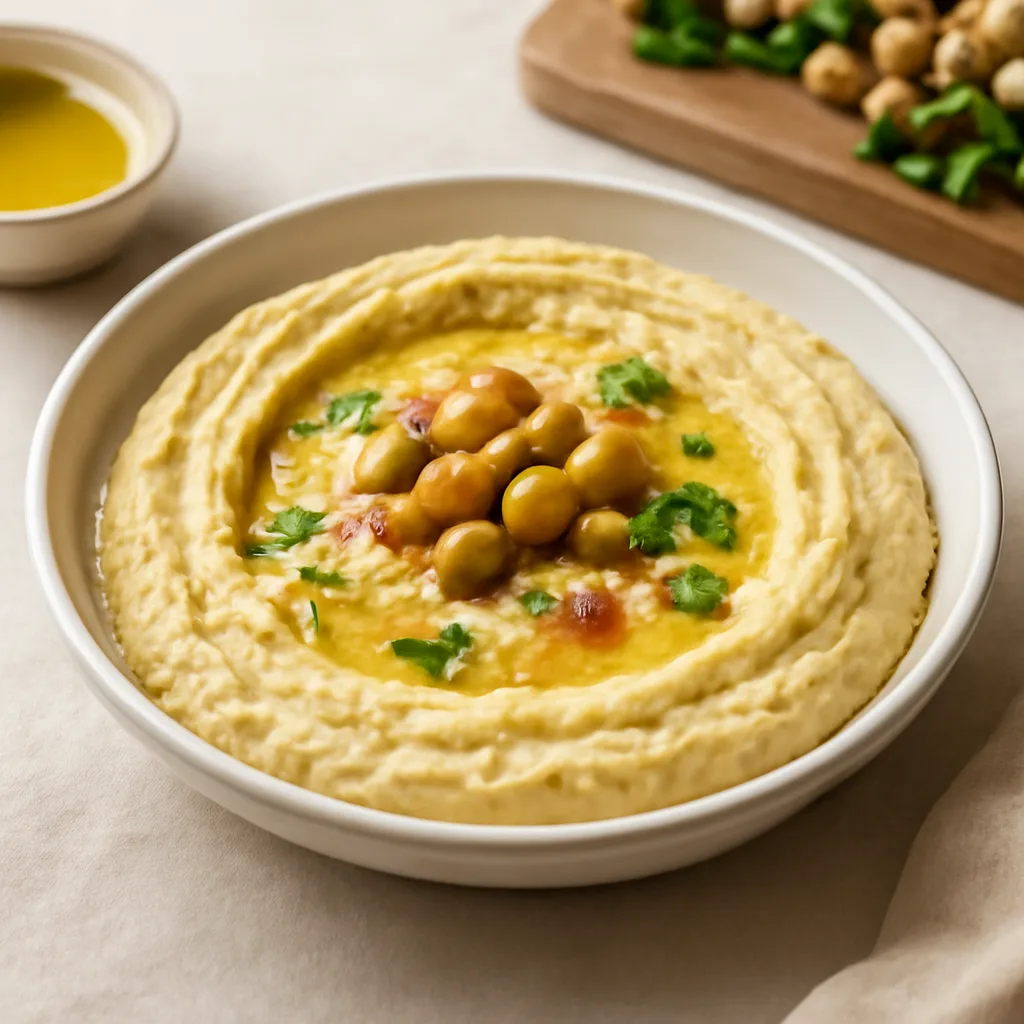
- Add to chickpea purée to complement the nutty flavor and creamy texture of hummus. If you want to highlight tahini flavor, a portion of the boiled beans can be kept to maintain texture.
- Mix lemon juice, minced garlic, salt, and water to make a sauce for falafel or roasted vegetables. If fresh garlic is too pungent, reduce the amount or let it rest awhile before adjusting the taste.
- Drizzle the thinned tahini sauce over roasted eggplant, broccoli, carrots, and sweet potatoes to finish with a savory note. If there is a lot of moisture on the vegetable surface, pat dry before using to prevent the sauce from becoming too thin.
- In salad dressings or grain bowl sauces, to achieve a creamy texture that oil alone struggles to provide. For leafier, lighter salads, thin the sauce so it doesn’t densely coat ingredients.
- Mix with honey or syrup, cocoa, or dates to use as toast spread or dessert sauce. Because the sweetness can overwhelm the sesame’s bittersweet finish, add sweetness gradually.
Preparation tips
- Before using, shake the bottle well to mix the oil that sits on top with the dense paste at the bottom. If the bottom has become too solid, loosen it from the edge with a clean spoon before mixing to reduce splashing.
- When making a sauce, do not add lemon juice or water all at once to tahini; add in small amounts and stir vigorously. Even if it starts thick like dough, adding liquid gradually can bring it back to the desired consistency.
- Using lukewarm water rather than cold water can help tahini loosen more easily. If it becomes too thin, rather than adding more tahini, it can be advantageous to add ingredients that suit the sauce’s purpose, such as vegetables or bean purées, for balance.
- Taste after seasoning with garlic, lemon, and salt, then don’t finish immediately; let it rest and taste again. Over time the garlic aroma and sesame bitterness may become more pronounced, so adjust the acidity and saltiness at the end.
Cooking characteristics
- At low heat, it adds nuttiness and body to the sauce, but keeping it on high heat for a long time can dull the sesame aroma or cause the sauce to stick to the bottom. It is better to add at the end of cooking or as a finishing touch to already prepared dishes.
- When it mixes with moisture, its texture changes quickly. If moisture from roasted vegetables or boiled noodles makes the sauce thinner than expected, turn off the heat and whisk in a small amount of tahini or other thickening ingredients to adjust.
- When acidic ingredients are added, the sauce may first tighten and thicken. Rather than assuming failure, slowly add water and emulsify, or adjust thickness with water or stock if the lemon flavor is already sufficient.
- If you expect dairy-like melt-in stability, you may be disappointed. For sauces like cream pasta, avoid vigorous boiling and finish with noodles water whisked in and then keep on low heat for a smoother texture.
Good combinations
- Lemon juice, garlic, salt, and olive oil are the baseline combination to balance tahini’s rich nuttiness. If it feels heavy, adjust by adding small amounts of lemon or water first to control acidity and thickness.
- Pairs well with chickpeas, lentils, eggplant, mushrooms, and roasted root vegetables that are mild or have roasted aromas. For very sweet targets like sweet potatoes or carrots, add acidity or heat to prevent the sauce from feeling flat.
- Fresh herbs like parsley, coriander, and mint, plus chili flakes, cumin, and black pepper provide a bright contrast to sesame aroma. If the dish already has strong spices, use only a small amount of tahini so the spice’s character isn’t overwhelmed.
- Desserts or desserts can also pair with honey, syrup, cocoa, or banana, but for sweetness-focused uses, first confirm whether the tahini’s bitter-sweet note is intended.
Points to consider when substituting
- For hummus or tahini sauce where sesame flavor and thick texture are both important, there is no exact substitute. If unsweetened sesame butter is available, it’s the closest option, but roasting level and thickness may differ, so adjust lemon, water, and salt amounts accordingly.
- For dressings centered on nuttiness and creaminess, unsweetened peanut butter or almond butter can be thinned with water or lemon juice. However, the aroma will be distinctly different from sesame, so in combinations like falafel, expect a different sauce outcome.
- In dishes where a nutty flavor is not desirable, sunflower seed butter can be a relatively neutral alternative. Check product sweetness and salt, and if already sweetened or salted, reduce additional seasoning.
- For desserts or baked goods where the goal is only to supplement the fat from tahini, other nut or seed butters can be used. However, if the recipe’s core is the bitter-sweet sesame savor, reassess sweetness and salt balance after substitution.
Ingredients commonly used together in actual dishes
Aggregated based on the co-occurrence count of representative ingredients in public dishes registered in CookPagoda.
Dishes that use this ingredient
Shows dishes where this ingredient is a representative ingredient, sorted by view count.