Ingredient Encyclopedia
Check the characteristics of the ingredients and how to use them in cooking.
Gondeure
1
3
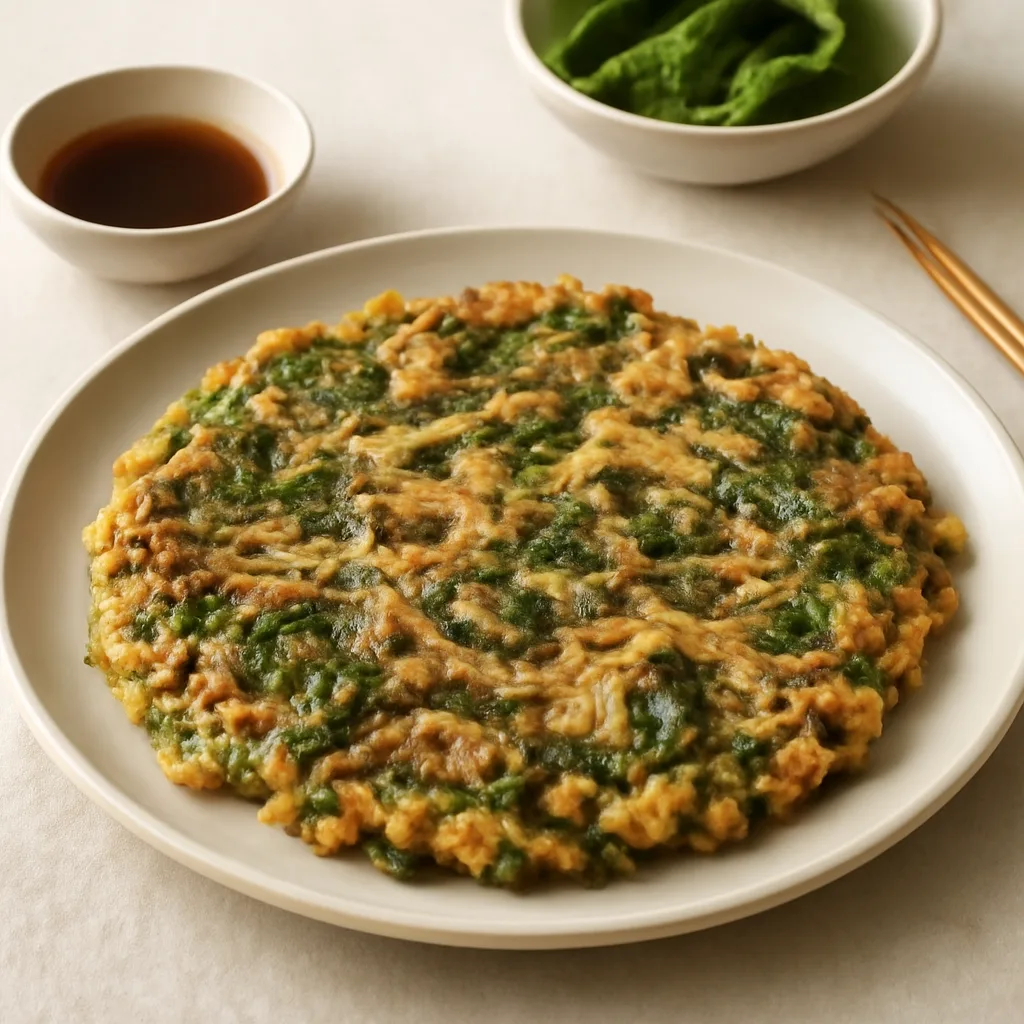
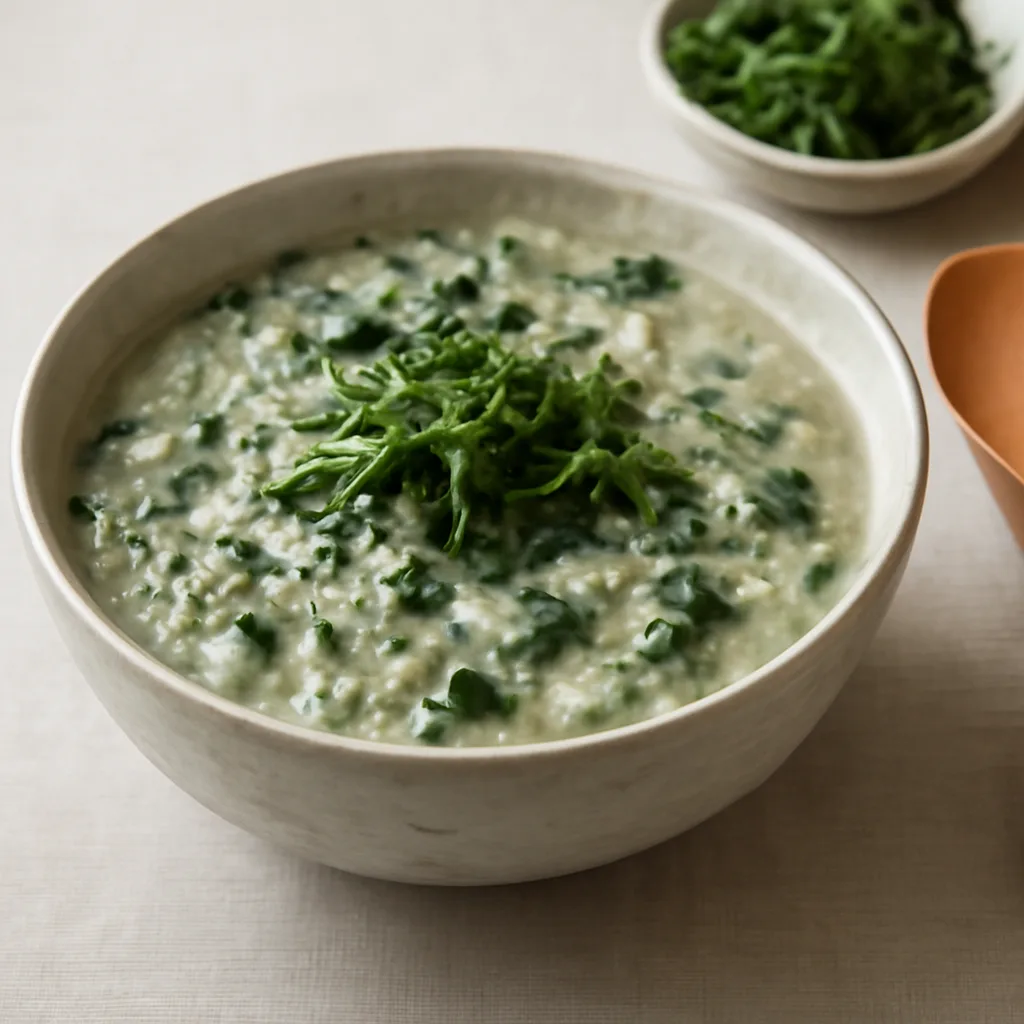
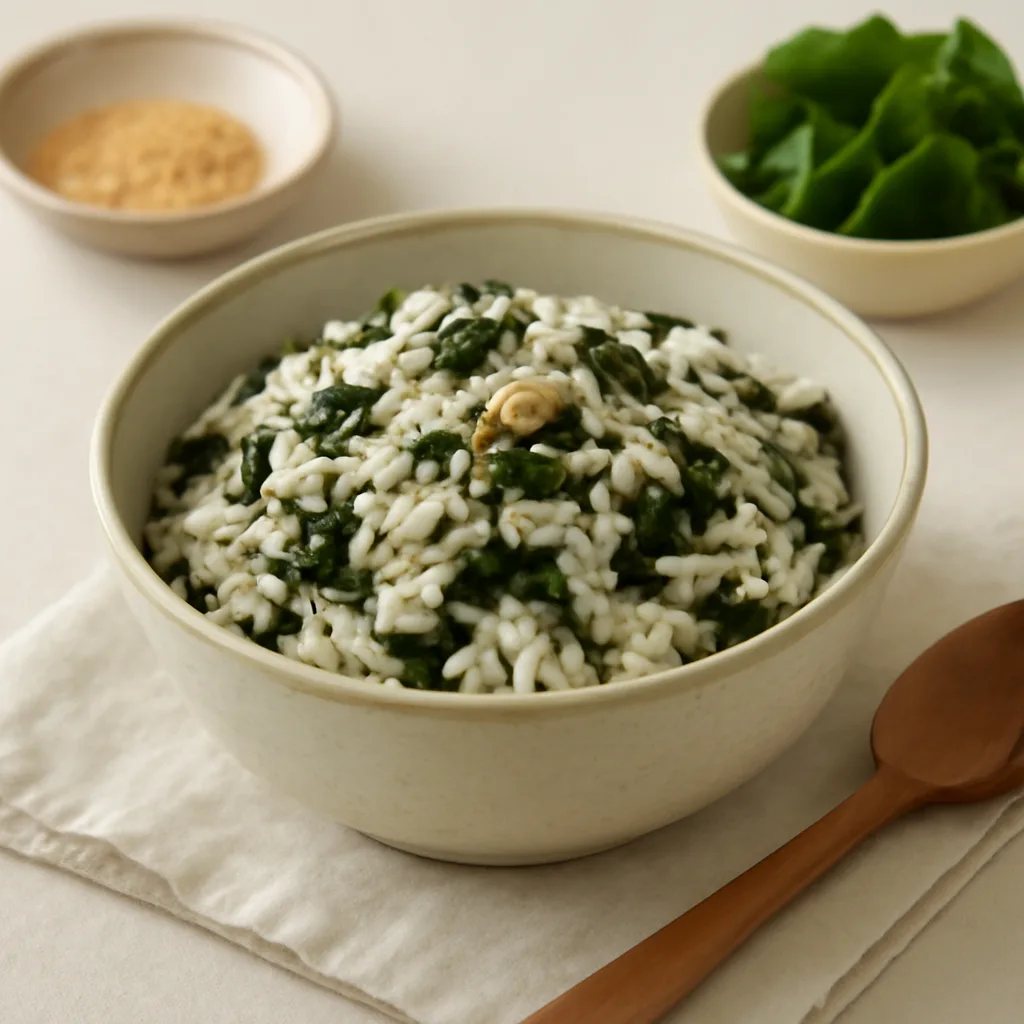
Gondre is a wild green eaten as young leaves and stems as a namuls. It is common to blanch or soak and then stir-fry with it to accompany rice. Dried gondre is soaked in water, boiled, and used for gondre rice, namul, or broth dishes; its aroma and chewy texture complement the mild rice. Preparation time varies greatly depending on the condition of processing. Boiled gondre is squeezed to an appropriate moisture and seasoned to be soft and moist, but if squeezed too much, the texture can become mealy and the seasoning may sit on the surface. Especially for gondre-rice, you can place the prepared gondre on top of the rice to cook together, or mix it into steamed or seasoned rice to adjust aroma.
Taste and Texture
Gondre has a delicate herbaceous aroma and a nutty greens taste; when paired with fragrant oils such as sesame oil or perilla oil, the aroma becomes even more distinct. The flavor itself is not strong, so soy sauce, garlic, and green onion are often central flavors. When well cooked, a soft chew remains through the tender leaves as you bite. If the stems are thick or not sufficiently soaked when dried, a fibrous texture may be prominent, so it is good to check that the center is soft by tasting one strand before proceeding to the next step.
Main uses
- Gondre-bap (rice with gondre) is a representative use where soaked or boiled gondre is cooked with rice. If served with a soy sauce seasoning, a savory counterpoint is created even with plain rice.
- Blanched gondre can be stir-fried with soy-sauce, minced garlic, and sesame oil or perilla oil to make a namul side dish. If you add too much seasoning, the delicate aroma of gondre may be masked, so when you want to preserve its aroma, it's better to restrain the oil and seasoning.
- Rehydrated gondre can be used in soups or stews with soybean paste (doenjang) or anchovy/vegetable stock as chunks. However, the aroma fades the longer you simmer, so add near the end if aroma is important.
- Finely chopped gondre also pairs well as ingredients for bibimbap or onigiri. If added with too much moisture, the rice may clump, so be sure to drain moisture before mixing.
Preparation tips
- Dried gondre should be thoroughly rehydrated first, then boiled for use. If pressing the leaves and stems shows a hard core, it needs more cooking; add water and continue boiling or resting.
- After boiling, rinse several times to replace the water, which helps reduce any old aroma or rough texture. However, the aroma can fade, so for gondre with strong aroma, avoid soaking too long.
- Trim large stems or tough bases, and when adding to rice or bibimbap, cut to bite-sized lengths. If too long, they won’t mix evenly and may stick out when eaten.
- If using for namul, gently wring out the boiled gondre to remove moisture. If dripping wet, the seasoning flavor will dilute; if it’s too firm, add a small amount of dressing or broth to loosen.
Cooking characteristics
- Gondre shrinks in volume and becomes tender as it cooks. Especially dried ones absorb a lot of moisture during soaking and boiling, so it is more stable to season based on the cooked amount rather than the initial amount.
- When cooking with rice, the moisture from gondre can affect the rice water. If gondre is very moist, reduce the amount of water slightly; if not rehydrated enough and dry feeling, it is better to boil separately until soft before using.
- Frying in oil mellows the grassy aroma and enhances the nutty fragrance, but if fried on high heat for too long, the leaves may dry out and become tough. Seasoned gondre should be briefly fried over medium-low heat just to remove excess moisture.
- Adding to broth makes it absorb the broth flavor and soften. If gondre is already well boiled, do not simmer for a long time from the start; add toward the end to balance texture and aroma.
Good combinations
- Perilla or sesame oil, garlic, green onion, and soy sauce are basic pairings that bring out gondre’s plain flavor.
- To the soy sauce dressing, adding red chili flakes or minced chili can provide a spicy contrast to the mild flavor of gondre rice.
- Pairs well with hearty ingredients like doenjang, tofu, mushrooms, and anchovy stock. On the other hand, very strong spices or rich sauces can mask gondre’s unique aroma, so when the purpose is to taste the greens, use smaller amounts.
Points to consider when substituting
- For gondre-rice or namul, other edible greens like asari-namul, dried radish greens, or fernbrake can be used, but their aroma and the chewiness of the stems differ. If you want the soft and subtle feel of gondre, choosing a greens that is less aromatic and soft has closer texture.
- In broth dishes, cooked dried radish greens can be a practical alternative. However, radish greens tend to be coarser and tougher in texture, so use them after fully boiling and softening rather than adding at the same time as gondre.
- Completely replacing the aroma and texture of dried gondre with a single ingredient is difficult. For rice use, use blanched greens, and adjust rice water and cooking time according to the moisture and firmness of the substitute.
Ingredients commonly used together in actual dishes
Aggregated based on the co-occurrence count of representative ingredients in public dishes registered in CookPagoda.
Dishes that use this ingredient
Shows dishes where this ingredient is a representative ingredient, sorted by view count.