Ingredient Encyclopedia
Check the characteristics of the ingredients and how to use them in cooking.
Abalone
1
1
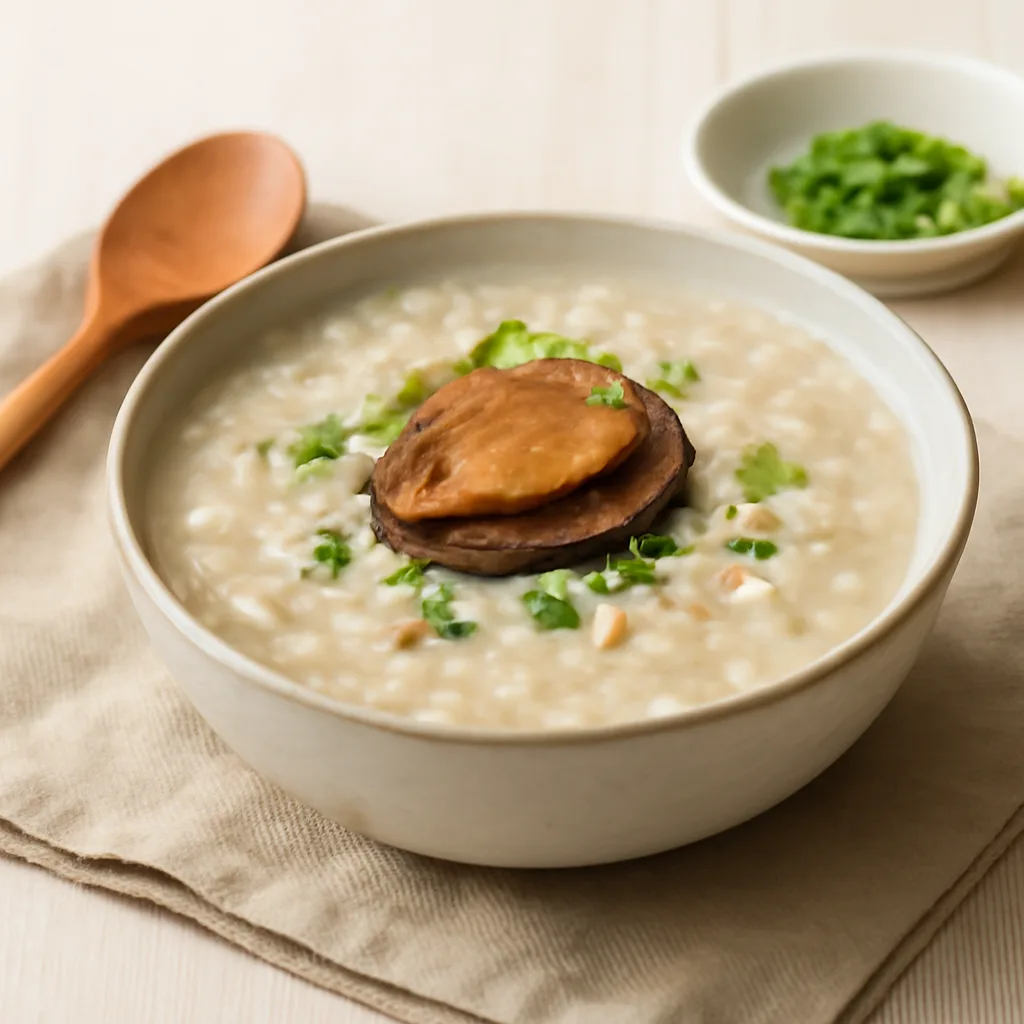
Abalone is a seafood that lives attached inside a hard shell, and in cooking you can use the meat by trimming it thinly or by cooking it whole. Fresh abalone pairs well with dishes that highlight its own sweetness and chewy texture, such as sashimi, porridge, steamed dishes, grilled, buttered, or hot pot. The meat includes both the soft edge and the firm central muscle, so briefly cooking yields chewyness, while prolonged heating can make it tender. However, if cooked for a medium-long time it can become tough, so it’s best to either cook quickly or give it enough time to become tender. When preparing, insert a spoon or abalone knife between the shell and the meat to separate the meat, and remove the innards and the teeth. Innards can be used to make abalone porridge or sauce to add umami and color, but if the aroma feels strong, reduce the amount or use only the meat.
Taste and Texture
Abalone features a delicate marine aroma, mild sweetness, and a concentrated umami. The aroma is subtle, so using strongly scented ingredients like garlic, butter, or sesame oil can mask the abalone’s flavor. Raw abalone has a chewy, crisp bite, and when cooked it becomes firmer and chewier. If you score the surface shallowly and densely, heat reaches evenly and it’s easier to bite, helping to reduce the chewy texture when grilling whole.
Main uses
- Thinly sliced abalone is eaten as sashimi or with soy sauce and sesame oil for a mild taste. If the meat is too firm, it’s better to slice ultra-thin or score the meat to adjust the texture.
- For abalone porridge, finely chop the abalone and innards and cook with rice. If innards are included, color and depth of flavor increase, but if bitterness or strong aroma is a concern, use only part.
- Butter or pan-seared: score the prepared abalone and sear briefly. When the surface becomes opaque and the edges slightly curl, it’s a signal that it’s cooked; leaving it longer after may make it tough.
- Steamed, braised, or in hot pot: use whole abalone or large slices. When adding to rice or broth, it’s better to add abalone toward the end of cooking to preserve texture.
Preparation tips
- Insert a spoon along the edge of the shell to separate the meat, and remove the black innards and the hard teeth at the mouth corner. If there is a black film or slippery part on the surface, rub gently with coarse salt, then rinse quickly to reduce any fishy odor.
- Lightly scoring the surface will help prevent shrinkage and make it easier to cut into bite-sized pieces during grilling. Do not cut too deep, or moisture will escape during cooking and pieces may split.
- Separate the innards without bursting them, finely chop or press them through a sieve to mix with porridge or sauce. If the color looks too dull or aroma too strong, skip it and just use the meat.
- Frozen abalone should be thawed slowly in the refrigerator, then pat dry before use. If moisture remains on the surface and you pan-fry, it’s easier to boil than grill, so for grilling make sure the surface is sufficiently dry.
Cooking characteristics
- High-heat quick grilling adds a roasted aroma and keeps the interior tender. If the abalone contracts and feels hard, lower the heat immediately or remove it to finish with residual heat.
- When added to broth or porridge, the umami spreads, but boiling vigorously for a long time can make the meat tough. For a softer porridge with chewy abalone, cook the rice until tender first, then add finely chopped abalone to finish.
- Gentle long heat can help relax the chewy texture, making it suitable for steaming or gentle braising. In contrast, for quick-cooking stir-fries, thinly sliced abalone cooks more evenly than thick slices.
- When using butter or oil, dry the surface moisture for a good browning. If there is a lot of water in the pan, remove the abalone briefly, dry the surface, then sear again briefly.
Good combinations
- Butter, garlic, soy sauce, and sesame oil are familiar pairings that bring out abalone’s umami, but using too much can mask its delicate sweetness. If butter-frying, use garlic only to perfume lightly and finish with a light salting or soy sauce.
- Rice, glutinous rice, and clear broth naturally pair with porridge or hot pot. When using the innards, the broth color and aroma become richer, so reduce the innard amount if you want a lighter taste.
- Watermelon? (Note: Actually the original says 무, 애호박, 버섯 – Korean radish, zucchini, mushrooms) Korean: 무, 애호박, 버섯 are mild ingredients that support abalone texture. In English: daikon, zucchini, mushrooms. They help support texture. In strongly flavored sauces, abalone flavor may be masked, so in that case think of the texture as the main component.
Points to consider when substituting
- For grilled or sashimi where the firm texture is important, you can consider conch or large shellfish, but the flavor and tenderness won’t be the same, so adjust slicing thickness and cooking time accordingly.
- For porridge, fried rice, or broth where umami is the goal, you can substitute shrimp, scallops, or littleneck clams. Shrimp cooks quickly and scallops have more sweetness, so cooking them for the same time as abalone may not be appropriate.
- Using innards for abalone porridge yields a deep color and flavor that are hard to replicate with other seafood alone. If using a substitute without innards, opt for a clear and light seafood porridge.
Ingredients commonly used together in actual dishes
Aggregated based on the co-occurrence count of representative ingredients in public dishes registered in CookPagoda.
Dishes that use this ingredient
Shows dishes where this ingredient is a representative ingredient, sorted by view count.