Ingredient Encyclopedia
Check the characteristics of the ingredients and how to use them in cooking.
Ricotta cheese
1
3
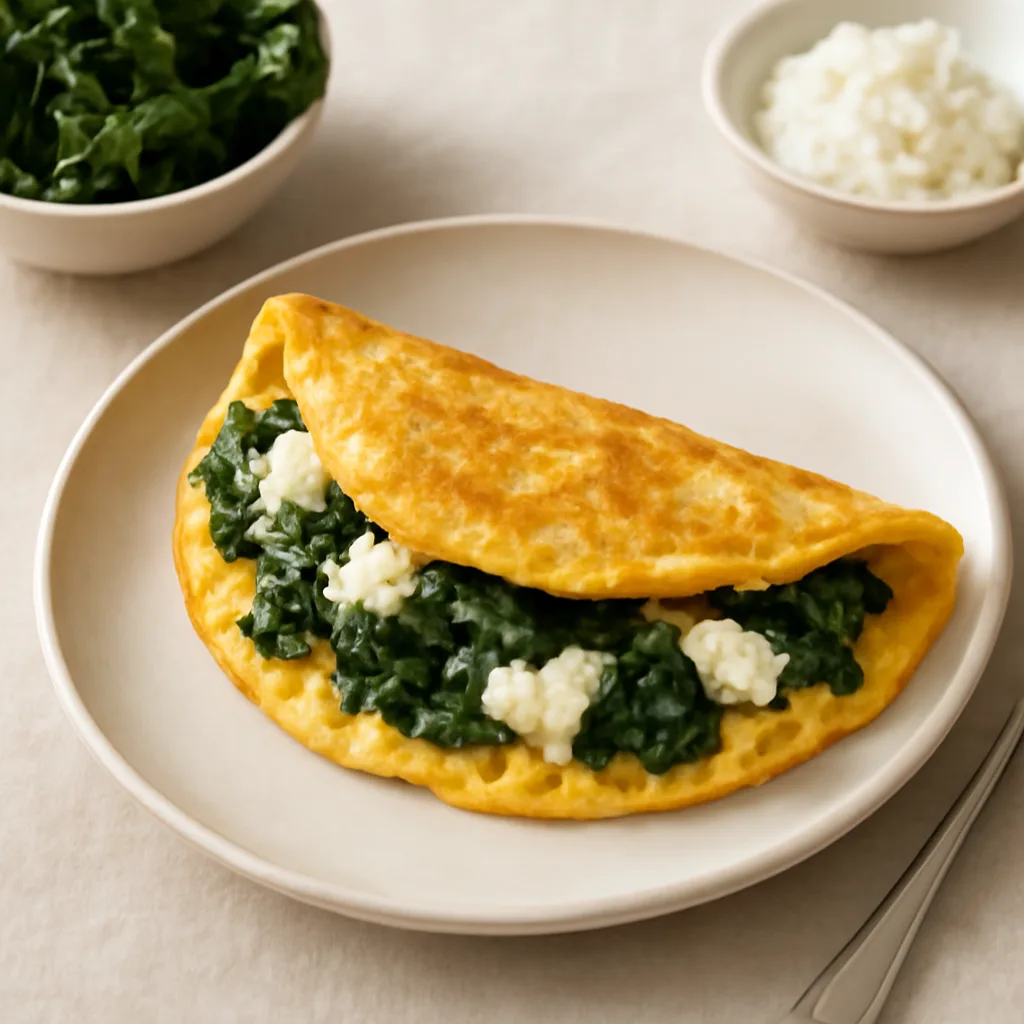
Ricotta cheese is a soft, moisture-rich fresh cheese obtained from milk or whey, useful in cooking when you want to add creaminess while reducing a heavy cheese flavor. It can be spread on bread as is, paired with fruit, and widely used as a filling for pasta and lasagna, in pancake or cake batters, and as a topping for vegetable dishes. A product with uniform grains and a moist texture mixes easily into sauces or doughs, but if it is very watery, the final dish can be too thin. In dishes where water balance is crucial, such as lasagna or stuffed pastas, it is beneficial to strain it briefly to remove excess whey before use. Conversely, when served with bread or as a cold dip, its moistness is advantageous.
Taste and Texture
The flavor is generally mild with a gentle dairy note, not strongly aged or salty. It naturally pairs with savory ingredients like herbs, pepper, and olive oil, as well as sweetness from honey, citrus, and berries. The texture combines fluffy, granulated bits with creamy smoothness. If stirred vigorously for a long time, the granules can loosen somewhat, but it does not become a completely smooth cream cheese, so if you want an ultra-smooth sauce, using a blender or supplementing with other emulsifying ingredients is better.
Main uses
- Use as a filling in lasagna, cannelloni, and stuffed pasta to soften tomato sauce, meat, or spinach with a rich ingredient.
- Toss ricotta with a little pasta water and pepper to make a simple creamy sauce for cooked pasta. If the sauce becomes too thick, gradually add more pasta water; if it becomes too thin, it is better to reduce moisture rather than add more cheese.
- Finish by topping roasted vegetables, toast, pizza, or flatbreads with ricotta to add a cool, contrastive texture against heat.
- Add to pancake, cheesecake, or cake batters to create a moist, light texture. However, adding a lot of high-moisture ricotta as is can weigh down the batter or leave the center undercooked.
- Chill with honey, jam, fruit, or nuts, or mix with lemon zest and herbs to use as a simple spread.
Preparation tips
- If the whey is visibly separated on top, assess and gently mix or pour off as needed. Mix into sauces or bread spreads to increase moisture, and drain when using as a filling for baked items.
- For lasagna or stuffed dishes, mix in salt, pepper, chopped herbs, and firm cheese to sharpen the mild flavor and provide some moisture balance.
- When cold, lumps may remain, so for a smooth texture, let it sit at room temperature briefly and whisk before use. However, there is no need to leave it at room temperature for a long time for safety or storage concerns.
- When adding to pancakes or baking batters, fold in large clumps gently; overmixing reduces airiness and can make the batter a bit denser.
Cooking characteristics
- Ricotta cheese melts more to become soft and moist rather than stretching like a long cheese. If you want mozzarella-like elasticity in a pizza, using mozzarella or another stretching cheese is more suitable.
- Overheating on high heat for too long can release moisture and make the grains appear chunky or fluffy. When the texture becomes coarse in a sauce, reduce heat and add a small amount of pasta water or milk to soften gradually.
- It pairs well with acidic ingredients like tomatoes, but if the sauce is already thin, ricotta’s moisture can further thin it. In that case, simmer the sauce enough first, or add the ricotta at the end.
- In baked dishes, the surface tends to stay soft and just lightly dry at the edges rather than browning deeply. If a strong browning is desired, adding breadcrumbs or a firmer cheese on top is effective.
Good combinations
- Citrus zest, basil, mint, and dill brighten the mild dairy flavor of ricotta.
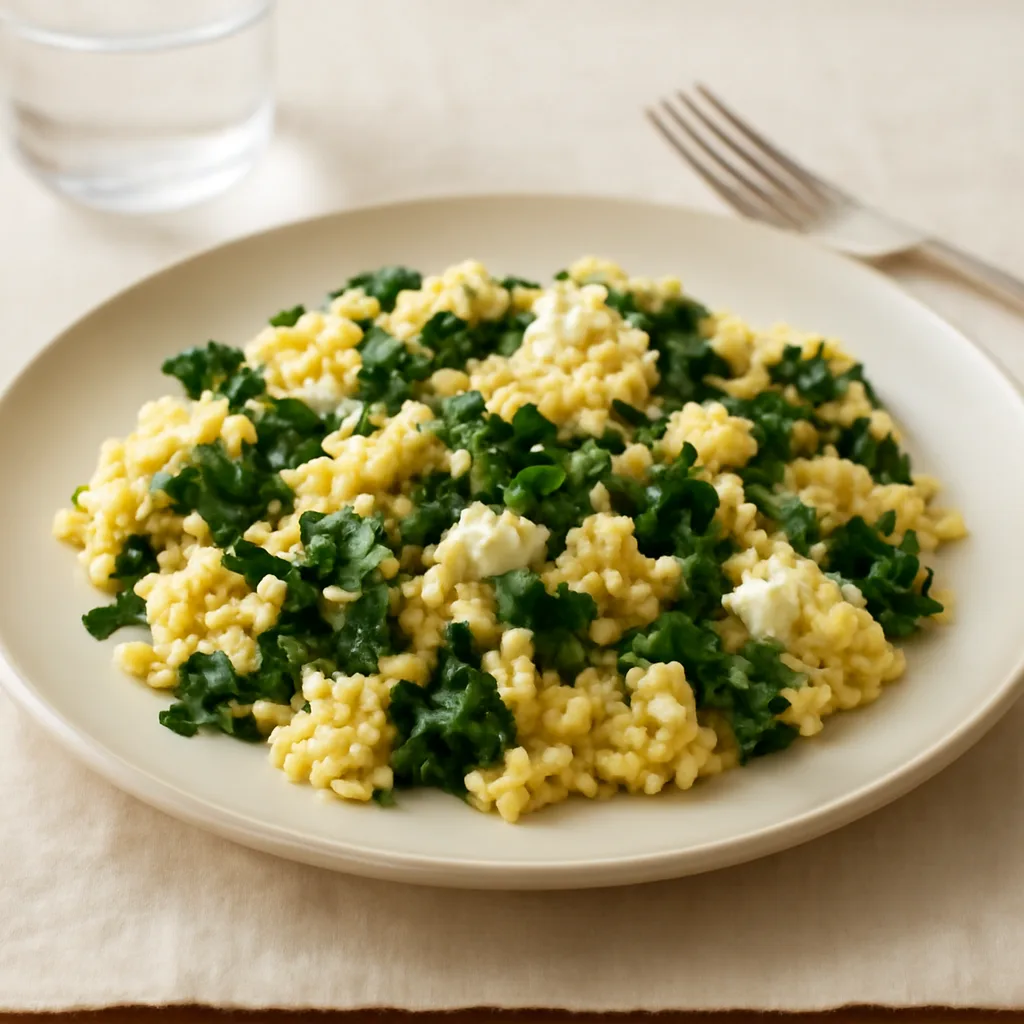
- Works well with vegetables that have moisture or umami like tomatoes, eggplant, zucchini, spinach, and mushrooms, but with very watery vegetables, roast or sauté first to reduce moisture before serving.
- Drizzle with honey, add figs, berries, or peaches with nuts to create a contrast of sweetness and savoriness. If the fruit itself is very sweet, use less honey and add a pinch of salt or a tart fruit to balance.
- Hard cheeses from the Parmigiano family, olive oil, and pepper add salt and aroma to the mild ricotta, making them especially useful for pastas or toast.
Points to consider when substituting
- For lasagna or pasta fillings, cottage cheese can be used, but the granularity and moisture content differ, so drain and adjust texture by pressing or blending if needed.
- For a richer, silkier filling or dessert texture, you can use cream cheese in part. However, cream cheese is denser and more flavorful, so substituting it fully in the same amount can make the dish feel heavier; adjust with milk or yogurt to control thickness.
- Plain Greek yogurt can be a fresh alternative for toast or cold dips, but its tang and texture differ, making sweeter fruit combinations turn out more tart.
- Mozzarella helps with melt but is not a complete substitute for ricotta. The best substitution depends on whether you need moisture-rich filling, a fresh topping, or stretchiness.
Ingredients commonly used together in actual dishes
Aggregated based on the co-occurrence count of representative ingredients in public dishes registered in CookPagoda.
Dishes that use this ingredient
Shows dishes where this ingredient is a representative ingredient, sorted by view count.