THEME GUIDE
Theme guide
Check the selection criteria and cooking ideas for foods that match this theme.
Korean text translated to natural English as practical meal-discovery guidance, preserving structure.
Well-suited for these people
- People who want to add excitement to rice or noodles with a spicy kick, with options to choose level of heat and seasoning when trying for the first time.
- When dining with others, it helps to have non-spicy rice, soups, and vegetables alongside spicy dishes.
- Even if you like spicy seasoning, if you’re fasting or want to avoid刺激, a less spicy dish or separate sauces can be more suitable.
Food Selection Guide
- If you see concentrated cooking terms like "stir-fry", "braise", or "seasoned grill" in the menu description, the flavors may feel stronger, so choose them when you want a strong刺激, and first check if there is a milder option.
- Soups, stews, and soups tend to spread spiciness with liquid, so tasting a spoonful at a time helps control it, but if chili oil is abundant the broth can be strong.
- Seasonings with sweetness like gochujang can soften the edge of spiciness, while chili powder-based or fresh chili-centric seasonings can be more aromatic and sharp; pick according to your preferred flavor direction.
- Dishes with cheese or cream can mellow the spicy impression, but if you want to clearly taste the ingredient’s inherent spiciness, that may not be ideal.
Frequently paired ingredients
- Ingredients like chili peppers, chili powder, gochujang, and Korean chili peppers are often used to add spiciness and red color; dividing the amount helps control intensity during cooking.
- Garlic, green onion, and onion commonly add aroma and sweetness to spicy seasonings. If the onion isn’t fully cooked and the seasoning feels sharp, consider cooking a bit longer to draw out sweetness.
- Seasonings that add saltiness and umami such as soy sauce, doenjang, and fish sauce support spiciness, but as they reduce in liquid the saltiness strengthens, so it’s good to leave room to add water or stock.
- Vinegar and citrus like vinegar or lemon provide brightness to salads or sauces, but when spiciness is already strong, adding too much can clash; add in small amounts at the end.
Compatible cooking methods
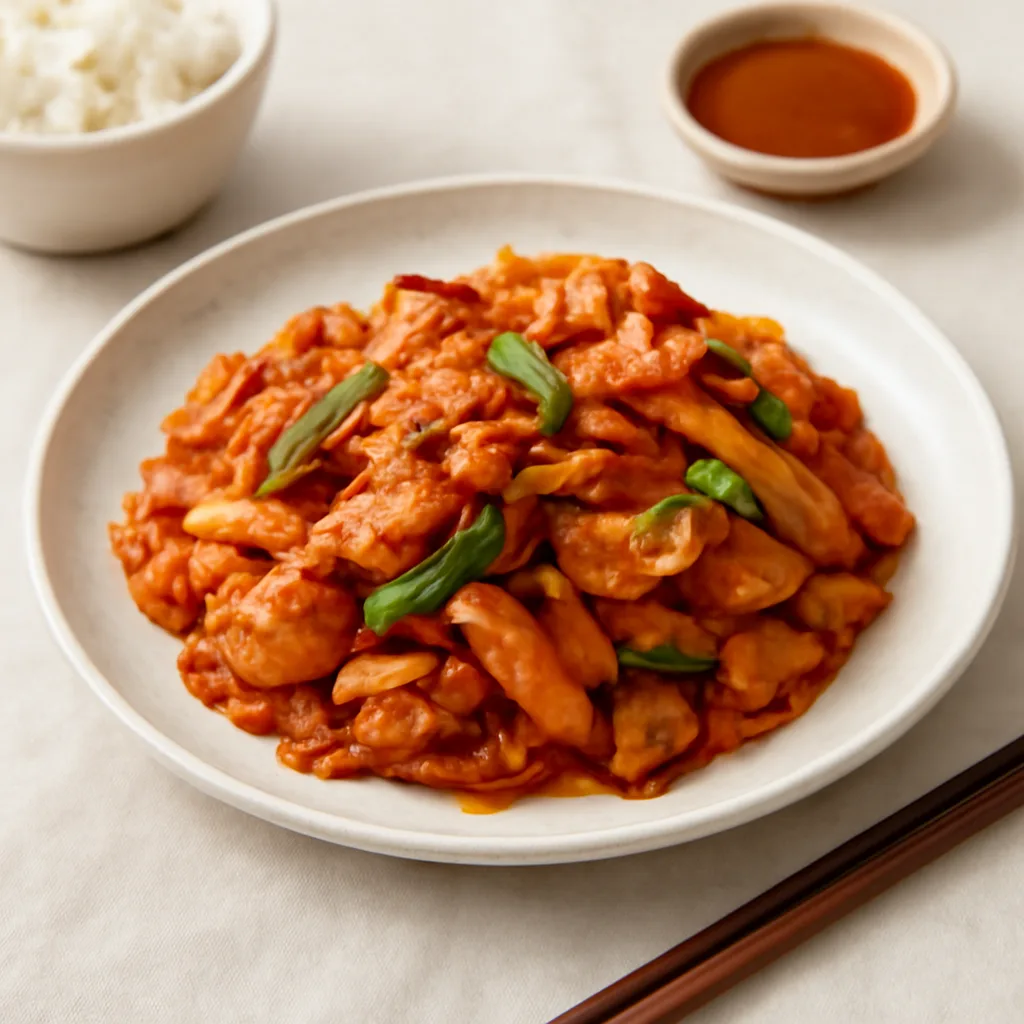
- Stir-frying: brown spices and seasoning in oil to release aroma, then quickly cook the main ingredient. If the pan gets too hot and the seasoning darkens, lower the heat and add a little water to loosen.
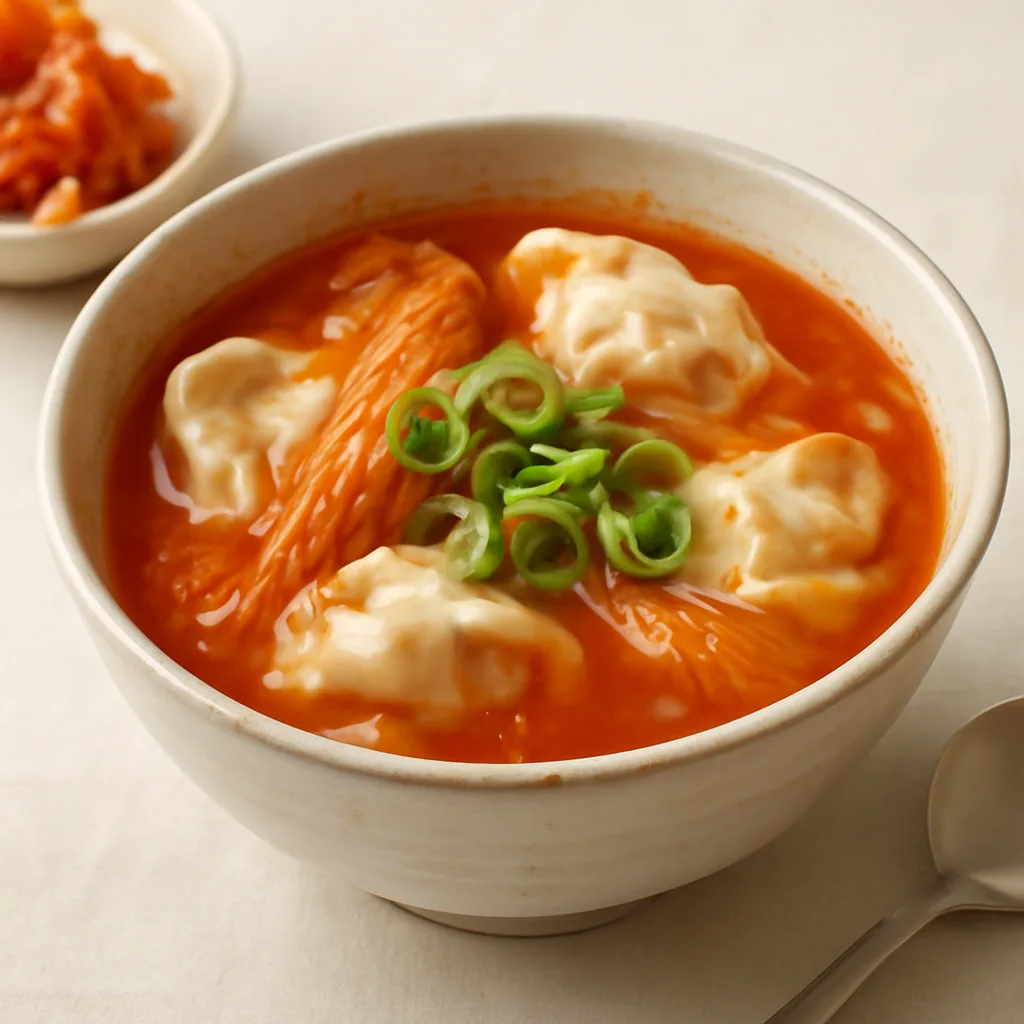
- Boiling and braising: good for letting flavors mingle in the liquid or sauce. If it becomes too spicy or salty after long simmering, don’t just add more chili seasoning; first adjust the balance of water, stock, and main ingredients.
- Seasoning with fresh vegetables or boiled ingredients: mix the spicy seasoning right away to keep it refreshing. If considerable time passes and moisture forms, the seasoning can become runny, so toss just before serving.
- Grilling: can bring out smoky aroma along with spicy seasoning; sugars in the glaze can burn easily, so apply thinly at first and reapply near the end for control.
Tips for beginners
- When first cooking, don’t add all chili powder or gochujang at once; reserve some. If the heat turns out milder after tasting, you can add the remainder, but it’s hard to reduce excess spiciness.
- If the spicy seasoning begins to smell acrid or black specks form while frying in oil, that’s a sign of high heat. Immediately lower the heat and add aromatics or water/stock to prevent burning.
- If the final taste is only spicy and flat, try improving one missing element—slightly add sweetness, acidity, or umami rather than more salt or spice.
- Handle fresh chilies carefully: avoid touching eyes or face after trimming, and wash utensils used to prevent transferring heat to other ingredients.
Menu Composition Tips
- For spicy main dishes, pair with white rice, noodles, or mild sides like potatoes, tofu, or eggs to help balance the meal.
- If serving a spicy stir-fry and a spicy broth in the same meal, pick one to be milder to avoid overwhelming heat.
- If serving a vegetable salad, use other flavor notes like soy sauce, sesame oil, or a light acidity to provide contrast rather than repeating the same spice level.
- Since preferences vary by guest, set the default ingredients to a medium level and offer minced chiles, chili oil, or hot sauces separately so those who love heat can add more, while others can enjoy the meal comfortably.
RELATED FOODS
Foods included in this theme
Here are the foods included in this theme, sorted by views from CookPagoda's public food.