View recipes
Check the reference data for the selected food.
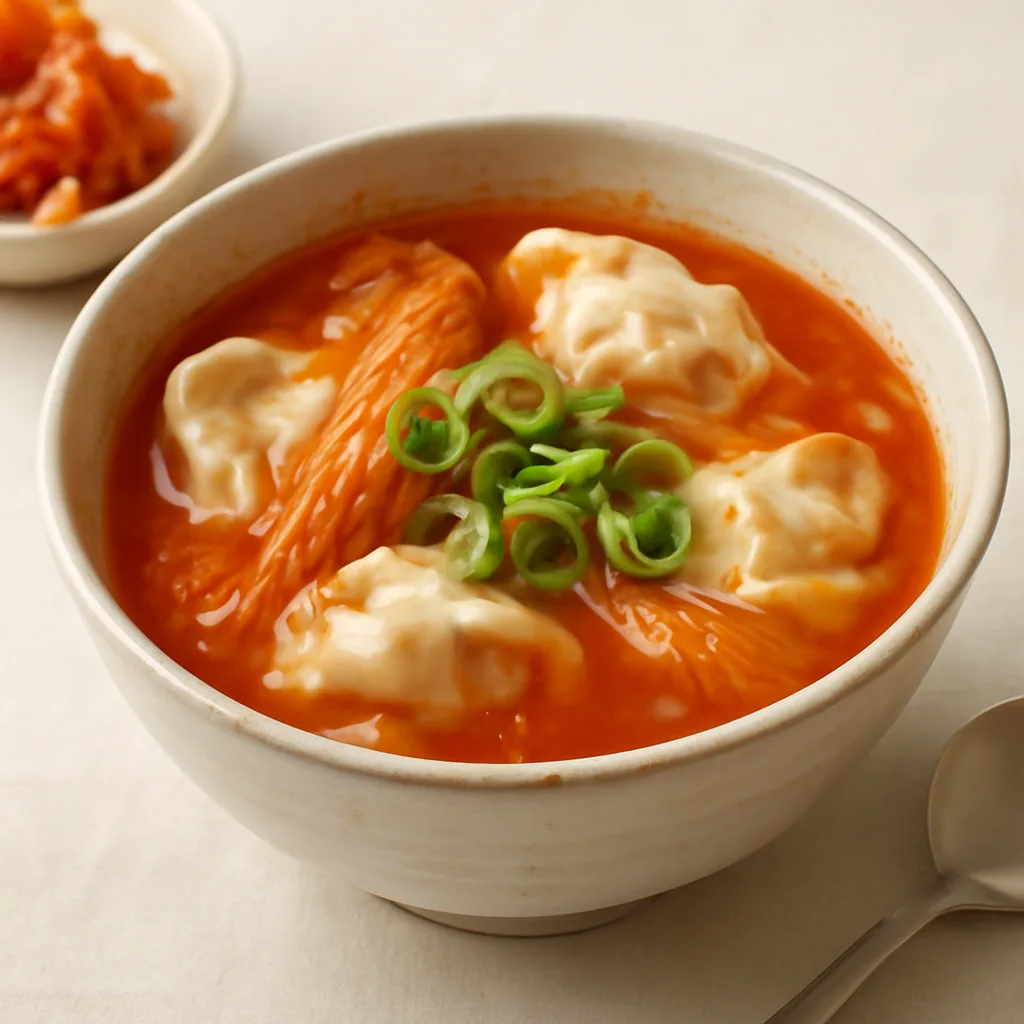
kimchi-mandu-soup
A broth dish using kimchi and kimchi dumplings, characterized by a spicy yet refreshing broth. It cooks quickly and gives a comforting, cozy feeling.
Main Ingredients
Related Themes
7
View0
Like1
AI recommendations0
CreatedAbout this recipe
Kimchi dumpling soup is a quick, spicy broth dish that comes together in one pot with kimchi and kimchi dumplings. Start by boiling the kimchi in water to release its sourness and spiciness into the broth, then add the dumplings. The kimchi's state greatly influences the broth flavor. If the kimchi is overly salty or heavily seasoned, add a small amount of soy sauce only after tasting at the end. Cooking time is about 20 minutes, and the dish is considered complete when the kimchi is tender and the dumpling filling is thoroughly heated. After the dumplings float, simmer briefly to heat the inside, but do not boil vigorously for long, or the filling may burst; keep the broth simmering at a medium heat. The listed components are water, kimchi, and kimchi dumplings, finished with soy sauce and pepper in a simple method. Since there is no stock, the broth is clear and light; if you expect a richer flavor, this method may taste fairly mild.
Taste and Texture
The acidity and spiciness from the kimchi dissolve into the water, giving a sharp, refreshing impression. Soy sauce adds saltiness while balancing the kimchi’s flavor, and pepper contributes a tingling aroma at the finish. Well-simmered kimchi becomes tender, and the dumplings provide a contrast of soft dough and hot filling. If the dumplings are boiled too long, the wrappers can bloom, making the broth cloudy and the texture less firm.
Key to making it delicious
- Boil the kimchi for about 5 minutes after the water starts boiling to soften the stems and let the seasonings permeate the broth; if kimchi pieces are still firm, simmer a bit longer before adding the dumplings.
- After adding the dumplings, if the broth fluctuates too vigorously, the dumplings can collide and the wrappers tear, so when it comes back to a boil, adjust to a gentle simmer over medium heat.
- One tablespoon of soy sauce can be too salty depending on the kimchi’s salinity, so taste the broth after the dumplings are cooked and add in portions if needed.
- The dumplings floating is a sign cooking has progressed, but it does not guarantee the interior is hot; simmer for 1–2 more minutes after they rise to heat the center.
Common mistakes
- Adding the dumplings immediately after kimchi can prevent the kimchi from softening properly and diminish the broth flavor; simmer the kimchi first to extract flavor, then add the dumplings.
- If soy sauce is added at the start and the broth becomes too salty, it is often due to the kimchi’s salinity; move the seasoning to the end and adjust with water if needed.
- If the dumplings stick to the pot or the wrappers tear, you may have stirred too vigorously right after adding them; after adding, gently swirl the pot or move the edges softly.
- Cooking too long to make the wrappers thick and soggy may be the cause; turn off the heat as soon as they float and the filling is heated.
Application Ideas
- If the broth is too spicy or sour, reduce the amount of kimchi slightly and add a little more water, then balance the final saltiness with soy sauce only if needed.
- If the pepper flavor clashes with the kimchi’s spice, omit pepper to let the kimchi and dumplings’ flavors stand out more.
- If the broth contains many kimchi bits giving a rough texture, cut kimchi into shorter pieces so it can be enjoyed with the dumplings in a spoonful.
- For an even bolder heat, prefer simmering the kimchi a bit longer rather than adding more spicy seasonings if the kimchi already has enough heat.
Pairing ideas
- Serve immediately with the broth and dumplings for a moist dumpling wrapper before it steams off.
- Pile kimchi in the broth alongside the dumplings so the crisp kimchi stems contrast with the tender filling.
- If the seasoning is light, offer a small amount of pepper at the table for personal adjustment.
- When serving with rice, keep the broth fairly light to prevent the salty kimchi and dumplings from feeling heavy.
Essential ingredients
kimchi
김치
kimchi-mandu
김치만두
Optional ingredients
No separate optional ingredients.
Cooking order
냄비에 물 4컵을 붓고 끓입니다.
물이 끓으면 김치를 넣고 5분간 끓입니다.
김치가 부드러워지면 김치만두를 넣고 7-8분 더 끓입니다.
간장 1큰술과 후추로 간을 맞춥니다.
불을 끄고 그릇에 담아냅니다.