Theme guide
Check the selection criteria and cooking ideas for foods that match this theme.
This theme is about choosing meals that are light and not overly heavy. It does not mean a small portion size; it refers to balancing the proportions of vegetables, protein, grains, and broth, and adjusting cooking methods and side dishes to reduce the after-meal burden. When choosing, first check that ingredients are not too fatty or heavily seasoned, and that carbohydrates and fried foods are not stacked on a single plate. The structure can vary from clear soup, salads, porridge, simple noodle dishes, to donburi, so it’s better to judge by actual portions and accompaniments rather than the name. A light meal isn’t always suitable for every situation. On days with high activity or long gaps between meals, supplement with enough protein or staple foods like rice or bread so you don’t feel hungry soon, avoiding a quickly empty feeling in the meal.
Well-suited for these people
- It is well suited for people who want to eat late but avoid overly heavy menus.
- On days when one’s appetite is not strong, it’s easy to choose a composition with a single staple plus a clear broth or vegetable side.
- When many people are eating together, it’s convenient to serve small portions and extra toppings separately so everyone can adjust the amount.
- However, if a solid meal is required for a schedule, it’s better to choose a staple or protein dish in addition to a vegetable-focused light option.
Food Selection Guide
- When viewing the menu, if cream sauces, fried items, or cheese are layered on one plate, the dish becomes heavier in taste and weight; to eat lightly, move toward clear soups or dishes focused on grilling or steaming.
- Noodles or porridge can look light in portion size, so if you’re worried about post-meal hunger, check that easy-to-add ingredients like eggs, tofu, fish, or lean meat are included.
- Salads can vary with heavy dressings and crunchy toppings, so it’s best to have the sauce served separately and add only as much as you need.
- For soups, look at the content, not just the amount of broth. If there are few ingredients and little rice, it may feel like a snack; add rice or a protein side as needed.
Frequently paired ingredients
- Water-rich vegetables like leafy greens, cucumber, tomato, mushrooms, and zucchini are good fresh or briefly cooked to add a fresh note to the plate.
- Eggs, tofu, chicken, fish, and beans are ingredients that can form the meal’s core even in small amounts, and pair well when the dish leans toward vegetables and broth.
- Staples like rice, porridge, noodles, or bread keep the structure simple when focused on one carbohydrate; if you want to present multiple starches, divide portions into smaller amounts for each.
- Green onion, garlic, ginger, soy sauce, vinegar, lemon juice, and sesame seeds can be used to shape flavor with aroma and acidity rather than heaviness of the ingredients themselves.
Compatible cooking methods
- Blanching and steaming help keep the texture of vegetables and tofu light, suitable when you want the fresh taste of ingredients.
- Soups and porridges that use liquids are convenient as a one-bowl meal; if it becomes too bland from long simmering, finish with a little scallion, pepper, and acidic seasoning.
- Grilling can add aroma without much oil; ensure the pan is well heated and don’t crowd ingredients as they may release too much moisture, drying out color and aroma.
- Tossing and salads are quick but vegetables release water; add salt or dressing just before eating.
Tips for beginners
- Start with three pillars: one grain, one protein, one vegetable to keep the menu from getting complicated.
- If seasoning from the start is strong, it’s hard to revert the flavors of the broth or vegetables, so add soy sauce, salt, and sauces gradually at the end.
- If a stir-fry feels oily, don’t just add more oil; heat the pan thoroughly and stir-fry ingredients in batches to reduce wateriness.
Menu Composition Tips
- Light meal menus benefit from pairing a warm dish with a cool dish rather than stacking several clear soups or salads.
- For example, pair a soft staple like porridge or noodles with crisp vegetable side dishes, or a warm egg dish or roasted tofu with a salad-heavy plate to balance textures.
- For gatherings, serve sauces and spicy condiments separately to match individual preferences while maintaining the base light composition.
- If there’s a long gap until the next meal, don’t automatically add fruit or bread; first check whether the current menu has enough protein or staple foods and add what’s missing.
Foods included in this theme
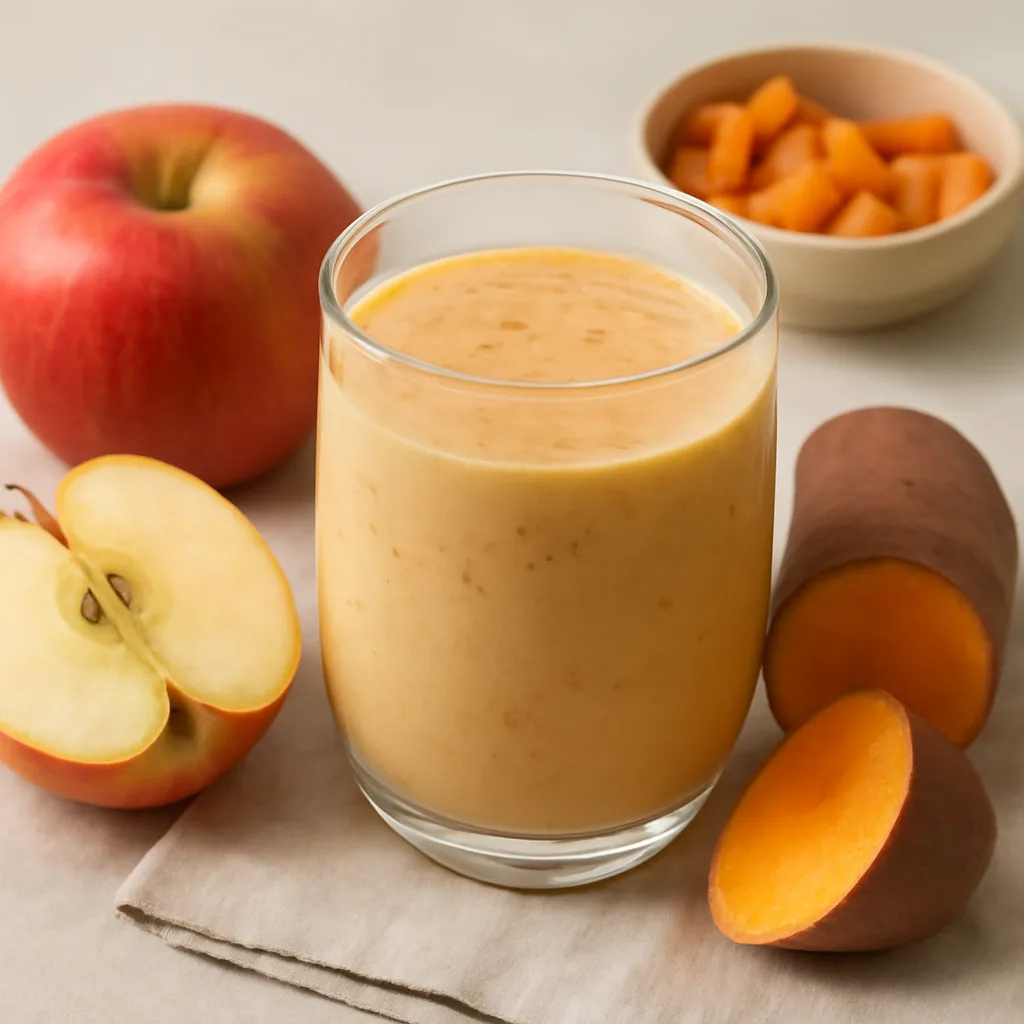
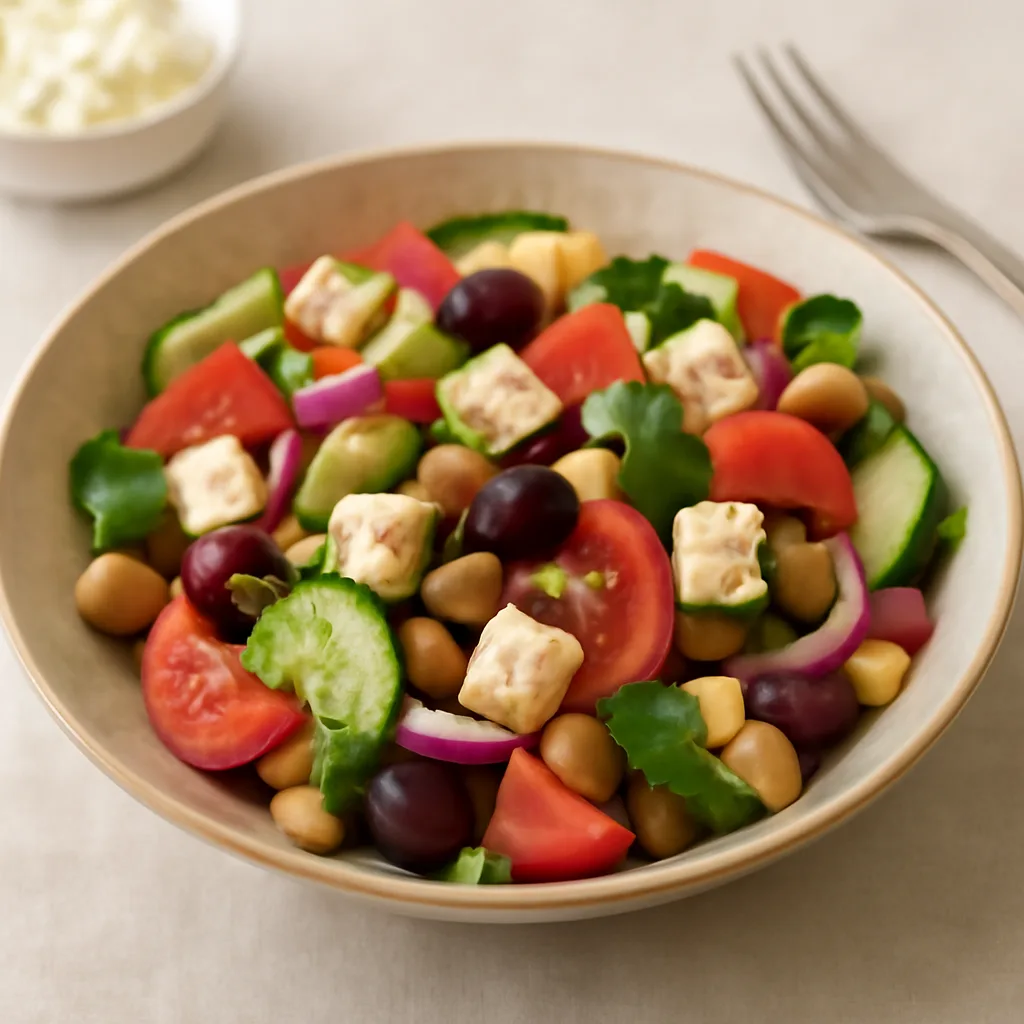
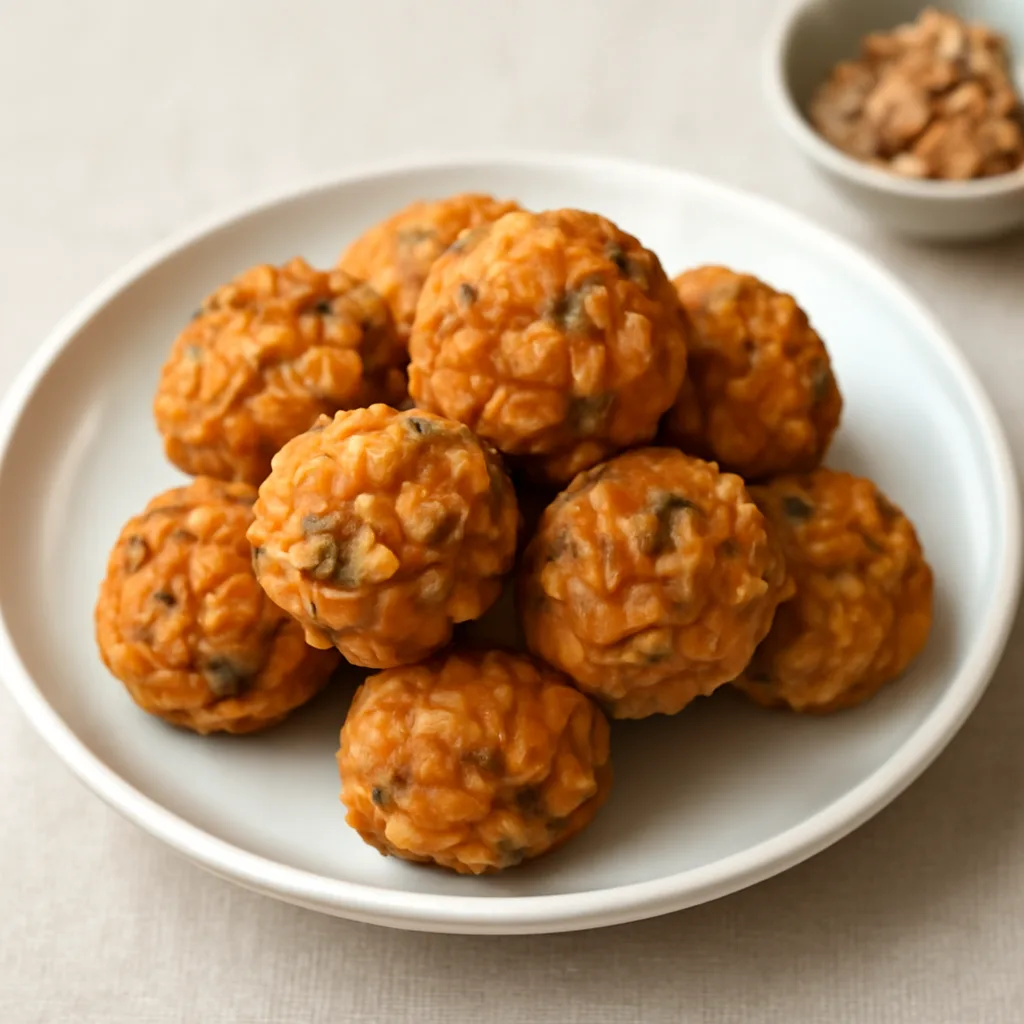
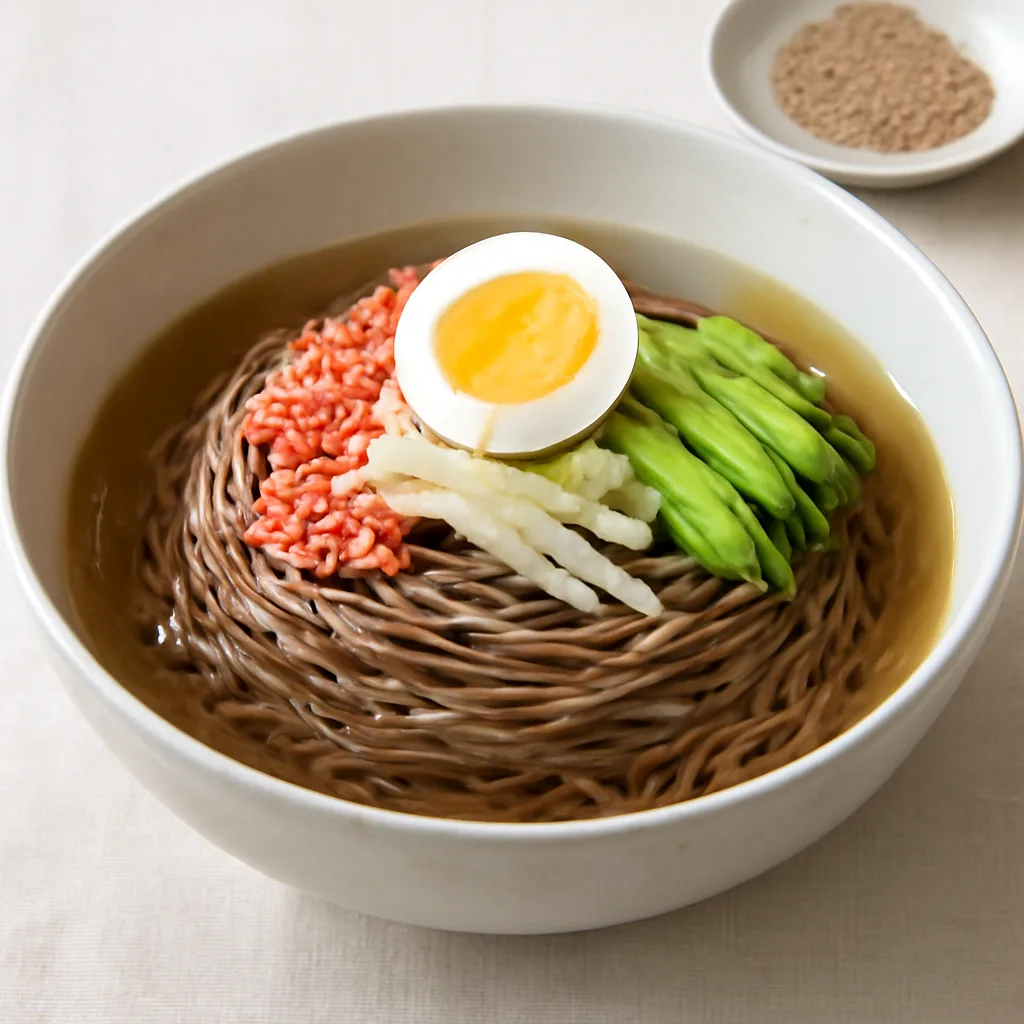
Here are the foods included in this theme, sorted by views from CookPagoda's public food.