Theme guide
Check the selection criteria and cooking ideas for foods that match this theme.
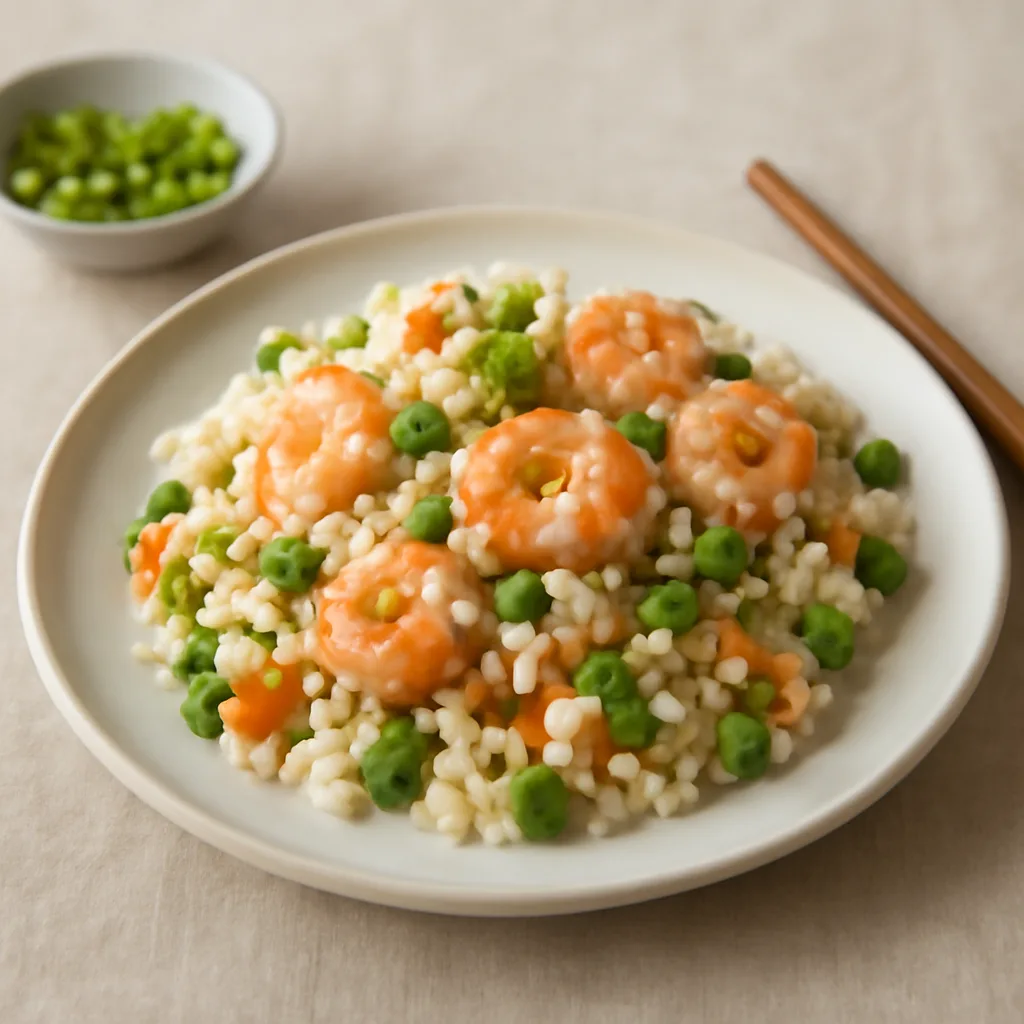
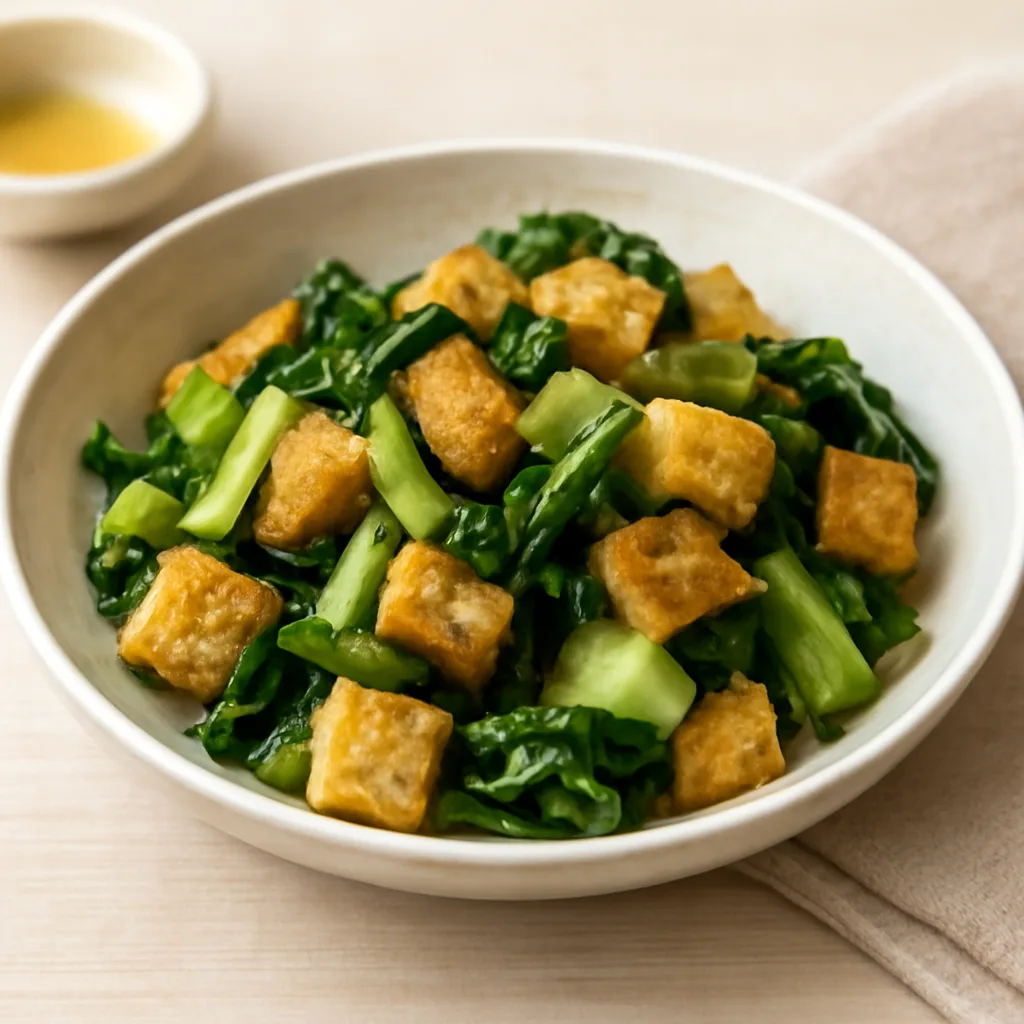
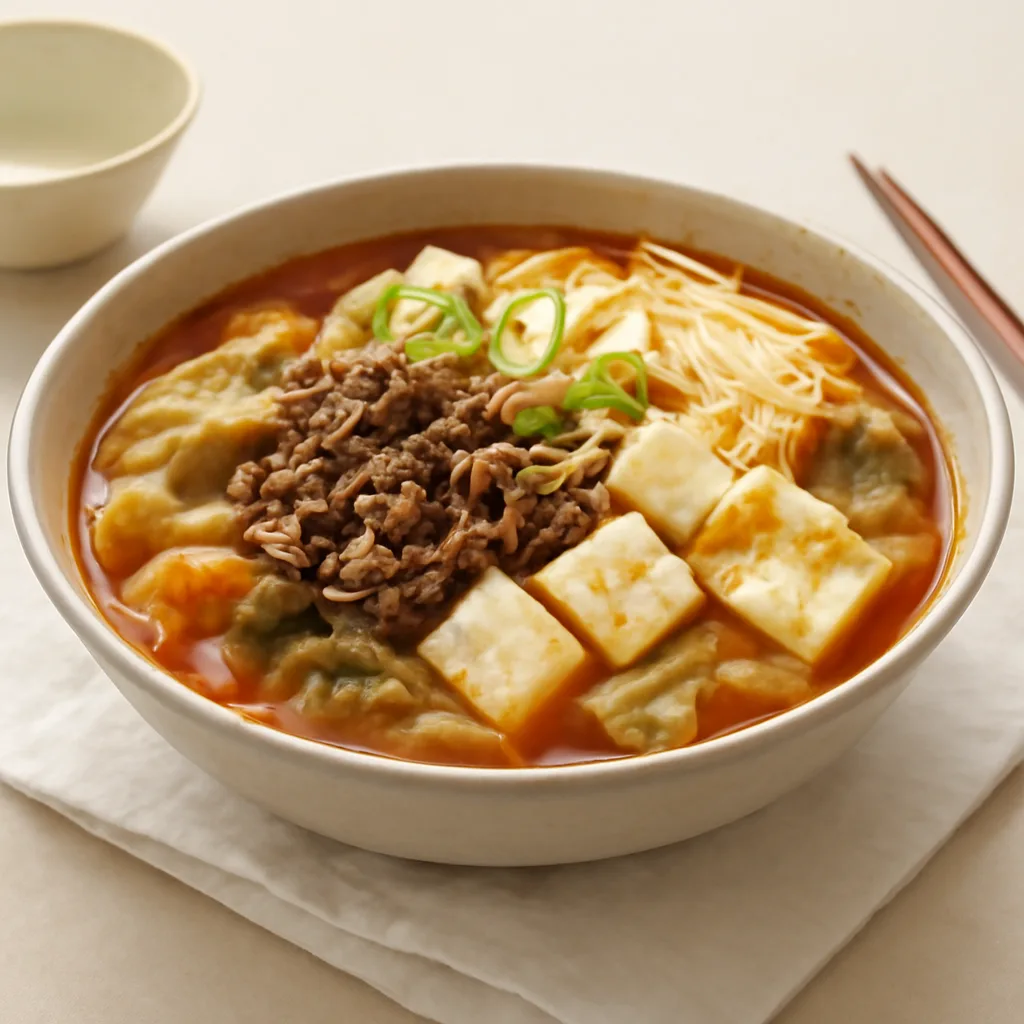
Chinese cuisine is a broad theme, from strong wok hei, spices, and sauces to delicate steaming, noodles, and porridge. Rather than choosing one fixed flavor, it’s helpful to start by deciding whether you want richer cooking methods like stir-frying or frying, or softer structures like soups, stews, or braising to guide menu choices. At the table, a practical approach is to pair rice or noodles with a main dish, vegetable dish, and a soup or side. Aromatic ingredients such as soy sauce, vinegar, chili, garlic, and scallions are common, but not all Chinese dishes are spicy or greasy, so it’s good to consider both the cooking method and the amount of sauce. When you want a strong stir-fry aroma or a crispy texture, pairing with plain rice, broth, or blanched vegetables makes for a balanced meal. Conversely, if you’re preparing several dishes at once is difficult, one-bowl options like donburi, fried noodles, or noodle bowls may be more suitable.
Well-suited for these people
- Well-suited for meals that enjoy bright flavors and sauces achieved by high-heat quick stir-frying.
- When sharing with others and wanting to split several dishes, keeping rice or noodles as a common base and adding different cooking methods works well.
- If you need a quick one-dish meal, consider menus that stir-fry vegetables, protein, and rice together.
- If you need to avoid rich foods or strong scents, choose menus centered on clear broth, steaming, or blanching instead of fried and heavily seasoned dishes.
Food Selection Guide
- If crisp exterior is key, choose fried or high-heat stir-fried dishes, and check whether they can be eaten right away after cooking. If it’s going to sit for a while, broth or braised dishes are more stable due to moisture loss of crispiness.
- If you’re looking for dishes to eat with rice, you can choose fried or braised dishes with sauce, but if there’s already a strongly seasoned side, add a clear steamed or blanched dish to avoid flavor overlap.
- For noodles, first consider whether there is broth and how thick the sauce is. Broth-based dishes suit those who want warmth and softness, while fried noodles suit those seeking strong aroma and texture.
- Don’t judge by spiciness alone; also look at aroma strength from garlic, scallions, and fermented sauces. If an aroma is too strong for some guests, you can serve aroma ingredients separately or reduce their amount.
Frequently paired ingredients
- Garlic and green onions can start the aroma for stir-fries, soups, and braises, so add them when the aroma rises and avoid scorching the ingredients.
- Soy sauce-based seasonings and the tang of vinegar can create contrast in flavor. If the sauce already tastes salty, it’s easier to adjust by pairing with rice, noodles, or vegetables instead of adding more salt.
- Proteins like pork, chicken, seafood, tofu, and eggs react at different rates, so cook longer-in-need ingredients separately if cooking in the same pan, then combine at the end.
- Water-rich greens like bok choy or cabbage can cause moisture; when stir-frying, lower the pan temperature or split them into batches to avoid sogginess.
Compatible cooking methods
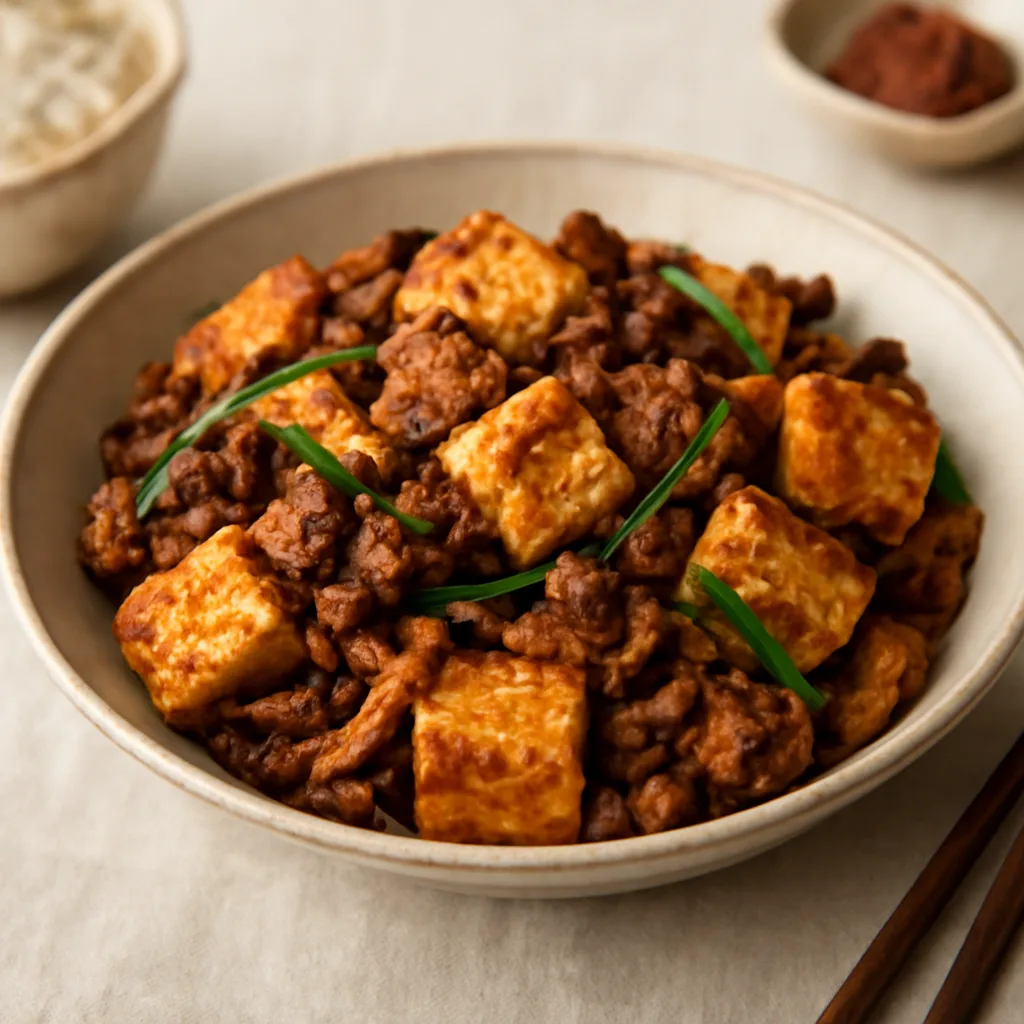
- High-heat stir-fry adds a quick cook and enhances aroma, but if the pan isn’t hot enough, moisture can cause it to steam instead of fry. In that case, reduce the ingredient amount and stir-fry in batches.
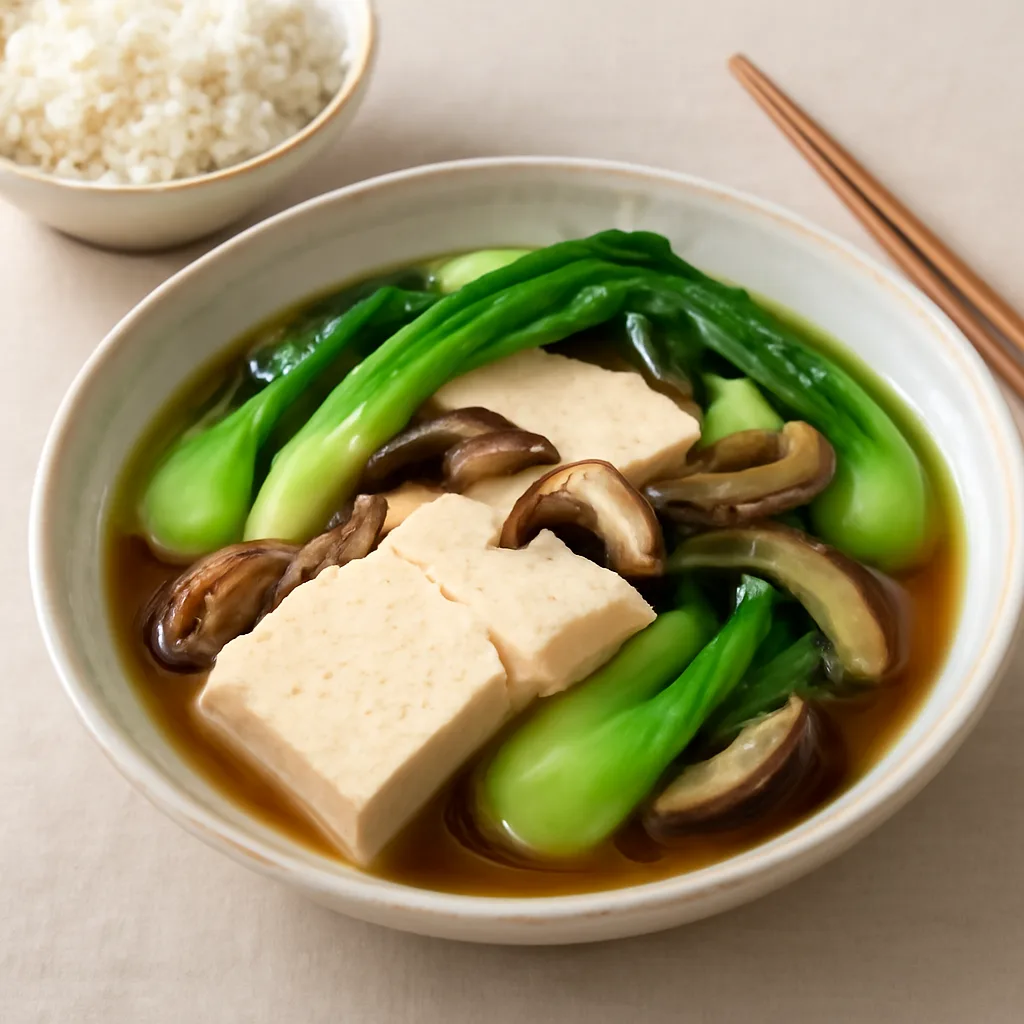
- Steaming is suitable for delicate textures like fish, tofu, and vegetables. If you open the lid frequently during steaming, the temperature drops, so start with thinly sliced ingredients to adjust the cooking time conveniently.
- Frying creates crisp contrasts but can make the meal feel heavy. When centering on fried dishes, pair with clear soup or tangy accompaniments to balance the meal.
- Broth-based dishes pair easily with noodles or Rice. When serving with multiple sauce-based dishes, keep broth comparatively mild to avoid making the overall flavor too strong.
Tips for beginners
- Before starting stir-fry, pre-cut and measure meat, vegetables, and sauces. Once ingredients are in the pan, keeping up with the pace can prevent overcooking some pieces.
- Add only part of the sauce at first, letting it coat the ingredients and adjust as you taste. If it’s too salty or sweet after finishing, avoid pouring more water; instead add rice, noodles, or cooked vegetables to balance.
- When using starch-thickened sauces, whisk gradually to prevent lumps. If lumps appear, lower the heat and add a small amount of water or stock, then quickly whisk to loosen the sauce.
- If fried rice ends up with clumps, the pan may not be sufficiently hot or there may be too much moisture. Pre-dissolve the rice and don’t add too much at once to keep it manageable.
Menu Composition Tips
- If you’ve chosen one main stir-fry, pick a side with a different texture and temperature. For example, add blanched vegetables or clear broth so flavors don’t overlap on one plate.
- Serving rice, noodles, and dumplings all together can feel carb-heavy. Make one a staple and keep the rest as small sides, or turn the others into vegetables.
- Sequence matters for fried and crispy items. Prepare broth and cool sides first, then fry last to maintain texture.
- Since guests have varying spice preferences, keep the default menu mild and offer separate chili oil, spicy sauces, or vinegar on the side. If a strong sauce is already included in many dishes, reduce the number of separate sauces.
Foods included in this theme
Here are the foods included in this theme, sorted by views from CookPagoda's public food.