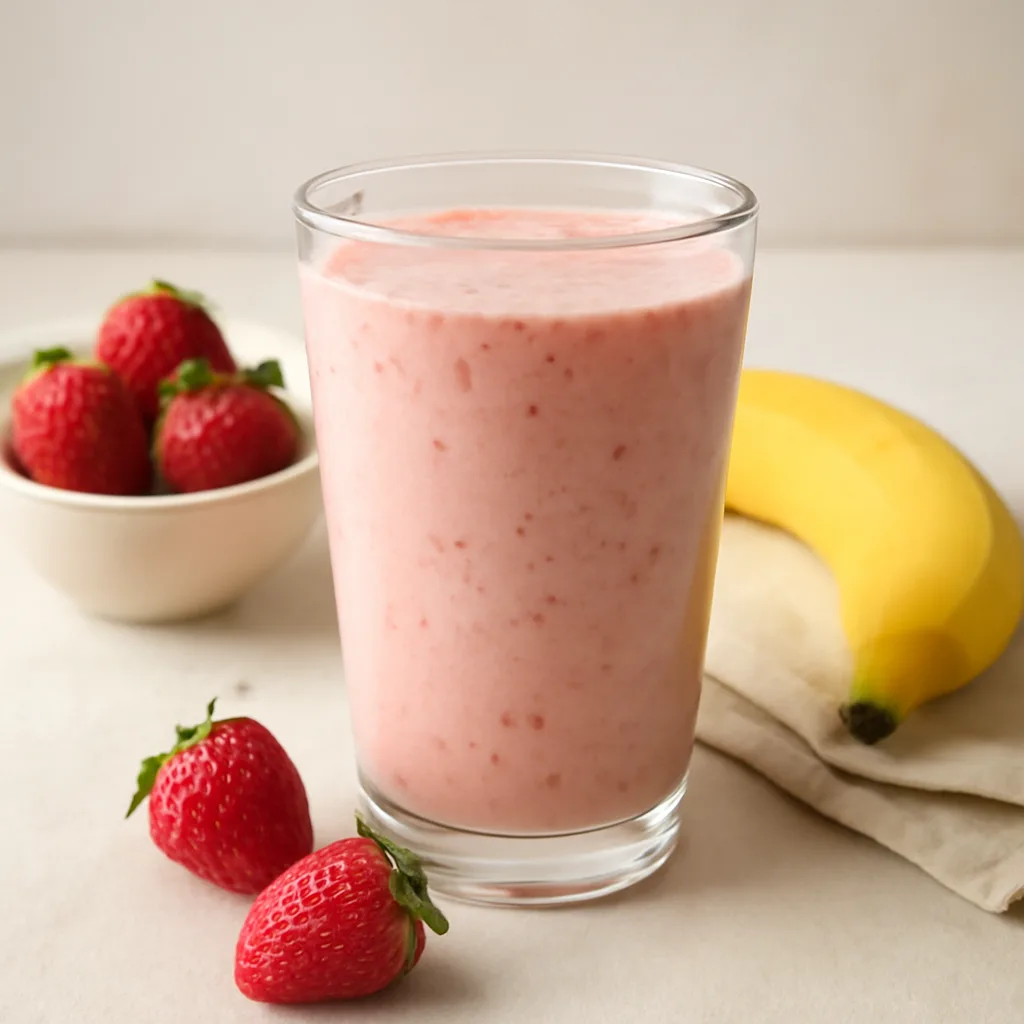
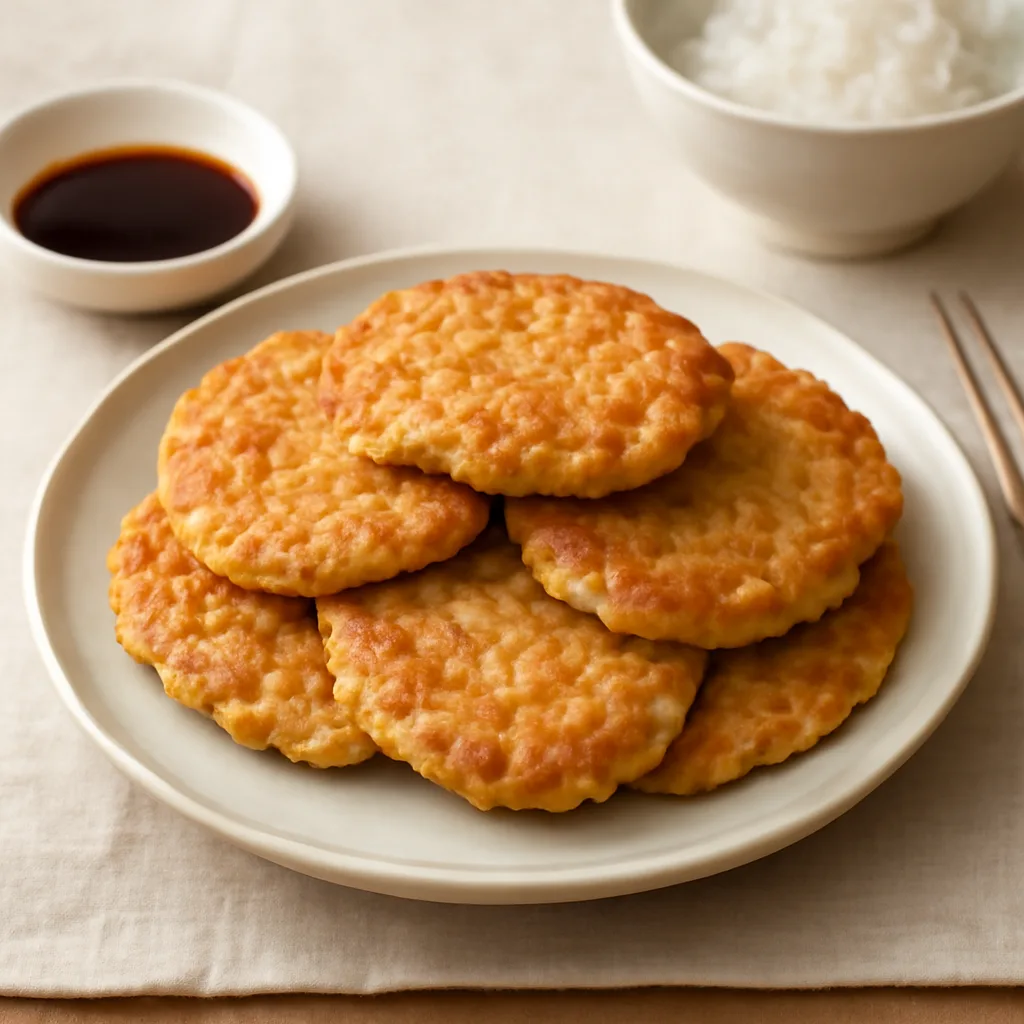
Theme guide
Check the selection criteria and cooking ideas for foods that match this theme.
snacks are food topics that are good to accompany between regular meals, during short breaks, when hosting guests, or around moments when you don’t want to make a full meal. because there is a wide range—from crispy snacks, cold menus with fruit or dairy, to warm breads, jeon, and fried items that are best right after cooking—prioritize the serving time and required prep time to make choosing easier. A good snack composition starts with ease of eating and a sense of finish rather than quantity. if it should be eaten without getting the hands dirty, one-bite or individually wrapped options are convenient; if you’re sitting down with tea or a drink, a contrast of temperature and texture works well. however, since snacks can take longer to prepare and wash up than intended, on days with little time, it’s appropriate to prioritize menus that just bake or reheat. 주의: translate naturally as practical meal-discovery guidance, without adding, removing, summarizing, expanding, or inventing facts.
Well-suited for these people
- People who need a simple palate cleanser when there’s a little time before a meal.
- When choosing a snack to share with children, if you encounter hot fillings, hard nuts, or ingredients that stretch long, adjust the size and shape to suit age and meal style.
- In gatherings, convenient one-bite options are preferable to messier menus with many crumbs or sauces.
- For late-night snacking, items with long cooking times can feel more burdensome, so choose options that can be portioned into small amounts.
Food Selection Guide
- If you have 10 minutes or less, choose menus that only require washing, slicing, and reheating; if you have more time, choose dough-based or baking menus.
- The place where you’ll eat changes the choice: if you’re on the move, avoid menus that are very crumbly or runny, and opt for form that’s easy to contain or select another menu.
- Crisp textures: since crispy items tend to get soggy over time, if you’re serving them later, consider items that stay crisp even when cold.
- If you plan to serve drinks, focus on one core flavor with a simple accompaniment rather than layering many snacks with strong sweet or salty notes.
Frequently paired ingredients
- Ingredients that are easy to prep and use directly after washing, such as fruit, bread or crackers, rice cake, potatoes or sweet potatoes.
- Soft ingredients like cheese, yogurt, milk, eggs can be cooled or cooked to add texture.
- Nuts, seeds, dried fruit, chocolate, jam are good for small flavor changes, but check for allergies and chewability before use.
- Flavor enhancers like sugar, salt, cinnamon, honey can change the impression of the base ingredient. For ingredients that are already sweet, add only one flavor so overall taste isn’t overwhelmed.
Compatible cooking methods
- Rinsing and chopping and mixing cold is good when you want minimal equipment and fresh texture.
- Baking in oven or on pan adds nutty flavor and crisp texture; for thick pieces, ensure similar sizes and check mid-way to avoid overbrowning.
- Boiling or steaming suits ingredients like sweet potato or rice cake where you want softness inside; remove moisture before serving to prevent diluting flavor.
- Frying gives crisp texture immediately but requires oil prep and cleanup, so on days aiming for quick, light snacks, simpler methods may be better.
Tips for beginners
- Start with one base ingredient and one flavor-enhancer rather than mixing many ingredients to easily judge which flavors are strong.
- If you cut fruit or vegetables in advance, surfaces may dry or discolor, so prep just before serving or cover to keep fresh.
- If the bottom of a pan-snack browns quickly, the heat may be too high; lower the heat and cut ingredients thinner or distribute them evenly to ensure thorough cooking.
- If you add sauces or syrups from the start, it can become soggy and hard to balance sweetness. Serve separately or add gradually as needed.
Menu Composition Tips
- Pair crunchy and soft textures on a single snack plate to create variety from simple ingredients.
- When focusing on warm items, pair with cold fruit or drinks to simplify cooking order and serve.
- For group settings, use multiple small plates or tongs instead of one large dish to make sharing easier.
- If mealtime is near, opt for a single snack and a drink rather than several heavy items to avoid overlapping with the next meal planning.
Foods included in this theme
Here are the foods included in this theme, sorted by views from CookPagoda's public food.