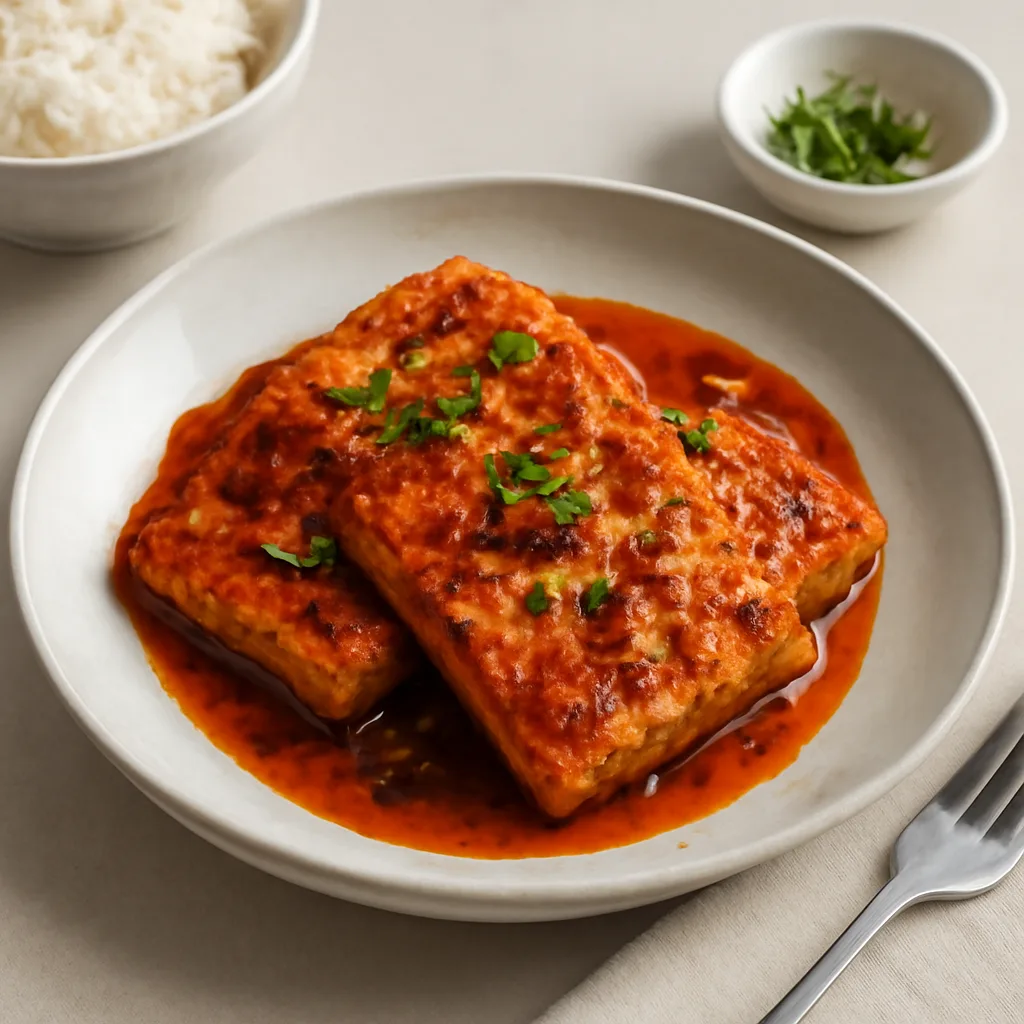
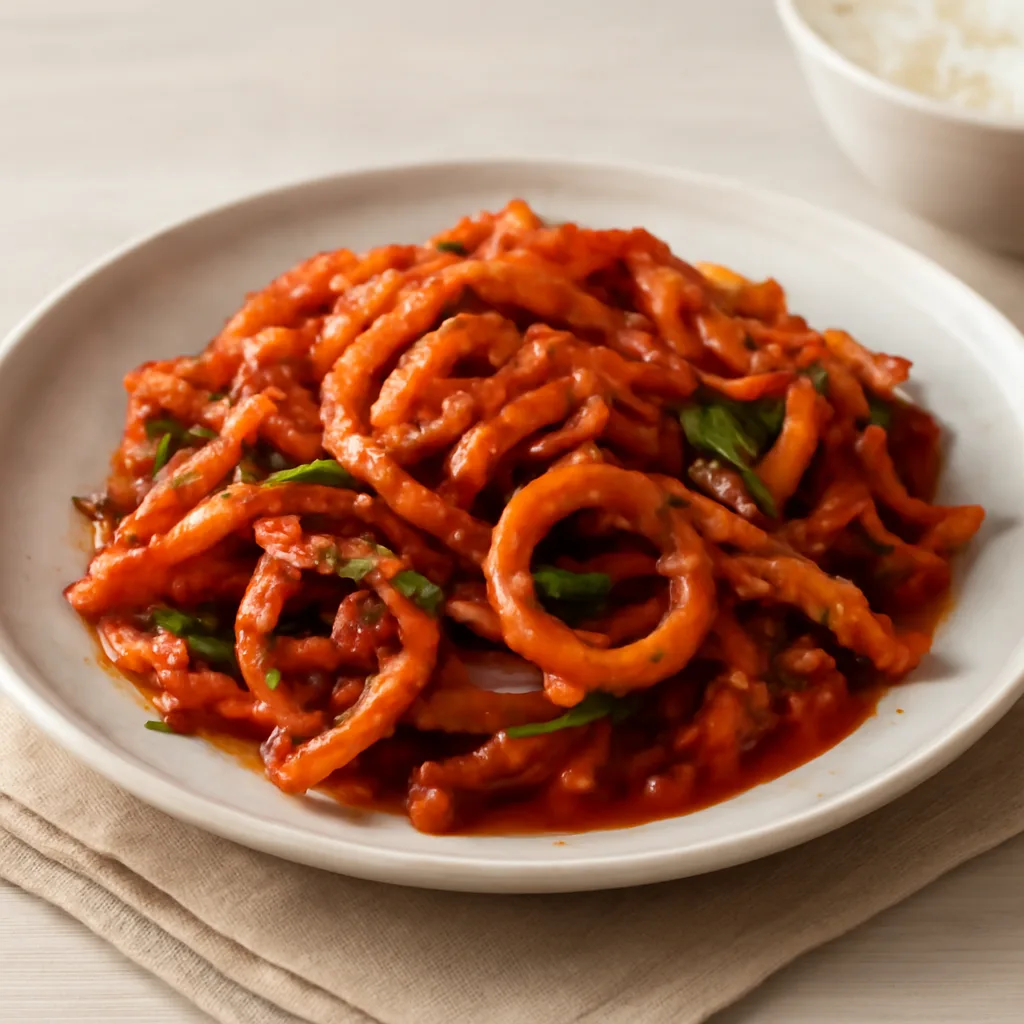
Theme guide
Check the selection criteria and cooking ideas for foods that match this theme.
Simple cooking is a method that reduces preparation steps and cooking time while still making a meal. It suits menus that use few ingredients, require minimal trimming, and rely on few tools like a single pan, pot, or microwave. However, “simplicity” does not always mean the shortest cooking time; dishes like oven- or rice-cooker-based ones that require waiting with little hands-on work can also be good choices. When choosing a menu, look at the total cooking time together with the time you need to monitor it and the amount of dishwashing. On days after work when focus is hard, simple-to-follow menus like stir-fry, donburi, or noodle dishes are convenient, whereas a setup that requires closely watching ingredients or cooking multiple side dishes at once can be less suitable for simple cooking. To keep flavor simple, it’s better to decide on one main ingredient and one seasoning direction rather than simply reducing ingredients. For example, add eggs, tofu, canned ingredients, or remaining meat to carbohydrates like rice, noodles, or bread, and choose familiar seasonings such as soy sauce, gochujang, tomato sauce, or butter to tie it into a single-dish meal.
Well-suited for these people
- Suitable for people who need to prepare a meal within a short time but don’t want to rely on takeout only.
- If you’re new to cooking and feel burdened by complex steps and many cooking tools, start with menus that require only one heat source and a basic pan or pot to make the workflow easy to learn.
- Also good for tidying up leftover rice, vegetables, and protein, but putting ingredients with very different cooking times all at once can make results unstable.
- If you’re hosting a group with varied tastes or special presentations, it’s practical to set a simple main dish and use prepped ingredients as sides.
Food Selection Guide
- If the recipe description involves many trimmed ingredients or steps like “stir-fry in batches” or “boil separately,” actual hands-on time may increase. On busy days, check whether you can add ingredients at once and how much waiting time is needed during cooking to choose accordingly.
- When using fridge ingredients, don’t cut leafy greens and hard root vegetables into the same size all at once; if you can pre-cook harder ingredients or slice thinly, they suit stir-fry or broth dishes, otherwise a menu based on pre-cooked ingredients is simpler.
- When choosing a meal, check whether a rice, noodle, or bread base includes a paired ingredient like egg, tofu, beans, or meat. If the components look too simple, you can add a minimally prepped side such as fruit, seaweed, or salad.
- High-heat stir-frying is fast but easy to burn ingredients. If you need to step away during cooking, choose methods with lower temperature management demands like boiling, steaming, or microwave cooking.
Frequently paired ingredients
- Eggs, tofu, tuna or beans are ready-to-use protein ingredients that pair easily with rice, noodles, and vegetables without long pre-cooking.
- Onions, green onions, garlic add flavor with small amounts. On days when trimming is tedious, frozen chopped ingredients or pre-cut vegetables can be more practical.
- Frozen vegetables, pre-washed leafy greens, canned tomatoes are quick to prepare and help reduce cooking time. Water content can be high when many watery ingredients are stir-fried, so divide them or switch to a broth or sauce-based dish.
- Keep to a few basic seasonings like soy sauce, salt, pepper, gochujang, and cooking oil to simplify shopping for new menus.
Compatible cooking methods
- Stir-frying in one pan works well when using quick-cooking ingredients like cooked rice, noodles, or thinly sliced vegetables; if the pan is crowded, reduce quantity or use a wider pan.
- One-pot simmering is good for soups, stews, or simple noodle dishes where ingredients are added and finished with relatively little management. If raw meat or hard vegetables are included, ensure they are fully cooked before adding other ingredients in a specific order.
- Microwave cooking is useful for reheating, cooking, or small steamed dishes. Do not cover too tightly to prevent steam from getting trapped; cook in microwave-safe containers with a loose lid.
- Oven or air fryer cooking requires less stirring or turning by hand, but it may not be suitable when meals are needed immediately due to preheating and longer cooking times.
Tips for beginners
- At first, avoid repeatedly adjusting seasoning during cooking; start with small amounts of basic seasonings and taste at the end, adding a little more as needed. If you start with too salty or spicy, you’ll need to add ingredients to balance, defeating the simplicity.
Menu Composition Tips
- Plan simple meals for the week by varying cooking forms of the same staple, e.g., rice as donburi or fried rice, noodles as broth-based or cold noodles.
- Center menus around common ready-to-use ingredients like pre-washed vegetables or cooked rice to simplify shopping and prep. However, using only the same seasonings may make flavors similar, so alternate between soy-based and tomato/gochujang flavor directions.
- On days with especially tight time, plan only one main dish and one ready-to-serve side. Trying to make soups, side dishes, and dessert from scratch can increase workload even for simple menus.
- On days with more time, prepare cooked rice or prepped vegetables for the next meal, but don’t force all leftovers into one dish; combine ingredients with matching flavors and cook times.
Foods included in this theme
Here are the foods included in this theme, sorted by views from CookPagoda's public food.