Theme guide
Check the selection criteria and cooking ideas for foods that match this theme.
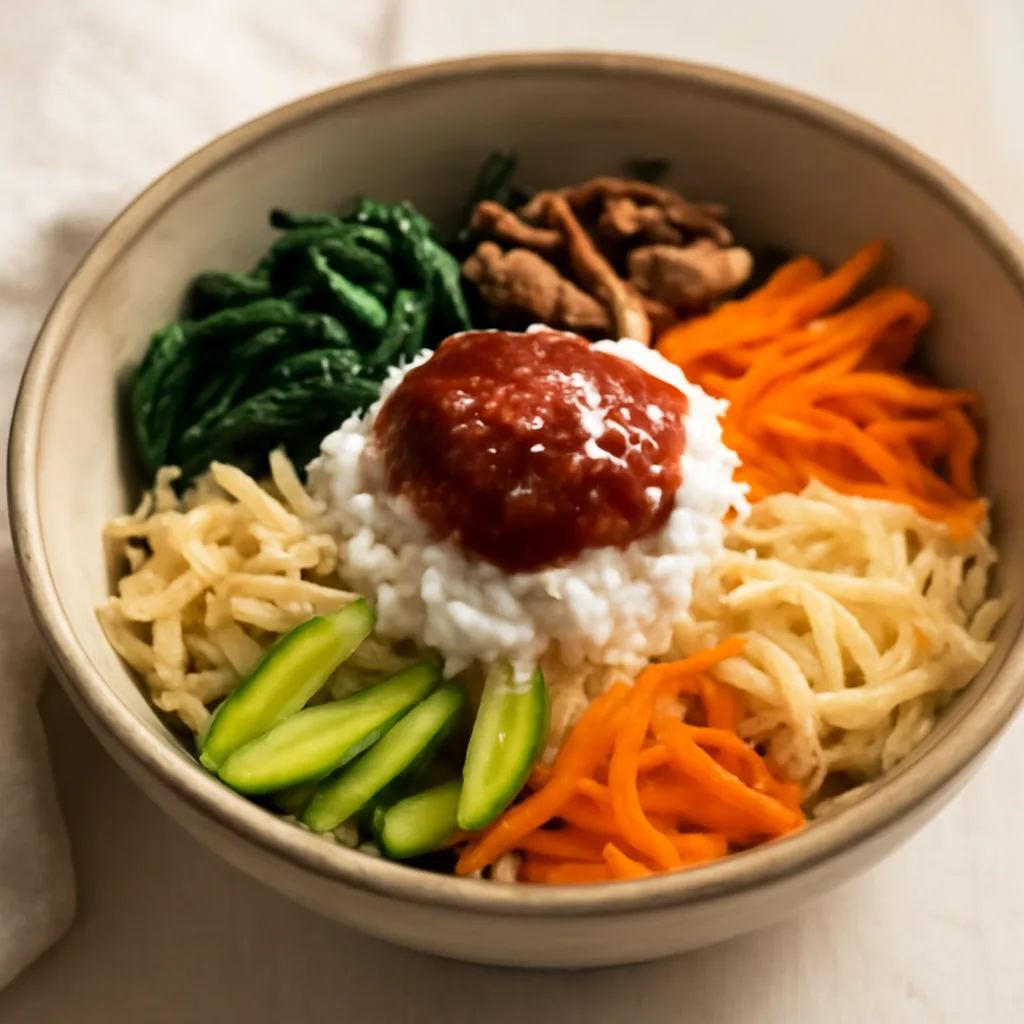
Bibimbap is a one-bowl meal where rice is topped with various namul (vegetables), vegetables, protein ingredients, and seasonings, then mixed before eating. Before mixing, each ingredient retains its color and texture, making it easy to customize by combining leftovers from the fridge or seasonal vegetables to suit your taste. When deciding on flavor, it is practical to balance savory, salty, spicy, and fresh notes. If pickles or kimchi with strong seasoning are included, start with less sauce, and if ingredients are mild like blanched vegetables, add sesame oil or sauce gradually to adjust. Simply adding a lot of ingredients does not necessarily improve the dish, and if many ingredients are high in moisture, rice can become soggy. You can softly mix with warm rice to blend flavors, or press down to add fried rice at the bottom for a crispy contrast. However, stone pots or high heat require more prep and cleanup, so if you want a fast meal, a dish like bibimbap in a bowl that harmonizes the temperature and seasoning is more suitable.
Well-suited for these people
- It is well suited for people who want to mix rice, vegetables, and protein ingredients to taste in one bowl.
- It is good for using little leftover ingredients such as namul, grilled meat, eggs, or kimchi.
- Easy to adjust for spicy preferences or to avoid certain ingredients because you can keep ingredients separate and mix right before eating.
- If you want a broth-based dish with a lot of liquid or a dish where ingredients are simmered for a long time to be tender, bibimbap may not be the best option and another menu may be more suitable.
Food Selection Guide
- If the ingredients on top are already seasoned, serve the sauce separately and add while eating to easier control overall saltiness.
- If the vegetables are gentle due to blanching, add a crispy ingredient like cucumber, lettuce, or radish sprouts to create textural contrast.
- If using fatty ingredients like bulgogi or fried minced meat, use sesame oil in small amounts first so its nuttiness doesn’t overpower the ingredient flavors.
- If the moisture of fresh vegetables is noticeably high, lightly press with kitchen towels to reduce moisture before topping to prevent the rice from becoming watery.
- If chili pepper paste seasoning is intimidating, opt for a mild combination using soy sauce, sesame oil, and sesame, and add kimchi flakes or egg as desired.
Frequently paired ingredients
- Warm plain white rice is a common base, but using multigrain rice with aroma and chew can help keep the seasoning from becoming too strong.
- Namul and vegetables such as spinach, bean sprouts, bracken, zucchini, and carrot are representative examples; you don’t need all of them.
- Eggs fried, baked tofu, bulgogi, or sautéed minced meat can be central ingredients, often one item is enough.
- Gochujang, sesame oil, sesame seeds, soy sauce, and garlic are frequently used for seasoning, but if there are strongly seasoned sides like kimchi or pickles, some can be omitted or reduced.
- Kimgaru (roasted sesame seeds), sesame seeds, and chives as finishing ingredients add aroma, but if there are already many ingredients, choosing just one or two helps reduce complexity.
Compatible cooking methods
- Namul should be blanched or sautéed and then cooled before mixing with rice so flavors distribute evenly.
- For ingredients with moisture like carrots, zucchini, mushrooms, quickly sauté on high heat to remove moisture to prevent sogginess when mixing.
- Eggs can be prepared with a soft yolk for a softer texture when mixed, but if you prefer hard yolks, cook through.
- Meat or tofu should be grilled or stir-fried to add aroma to the surface, and if the seasoning starts to burn, lower the heat or remove some ingredients first.
- If you want a crispy texture like nurungji, spread rice thinly and fry the bottom until golden; if you prioritize quick assembly over crispness, you can skip this step.
Tips for beginners
- Start with a simple setup like rice, two or three vegetables, an egg or tofu, and one seasoning to easily judge each ingredient's seasoning.
- If it tastes too salty after mixing, balance with more rice or lightly seasoned vegetables, and avoid adding all the sauce at once from the start so you can adjust later.
- After cooking, if liquid pools, many times it is because moisture from vegetables was not fully drained; next time dry ingredients further after cooling.
- If sesame aroma is too strong, it can overwhelm the ingredients’ flavors; add only a few drops and adjust after mixing.
- When using hot and cold ingredients together, they don’t all need to be at the same temperature, but too many cold namul can cool the rice quickly.
Menu Composition Tips
- When serving kimchi or pickles with bibimbap, make the sauce milder and choose milder sides like a clear soup or water kimchi to avoid clashing flavors.
- If most vegetables are raw, add a warm blanched namul or sautéed warm ingredients to create temperature and texture contrast.
- If feeding many people, separate bowls for rice and ingredients, and provide gochujang sauce, soy sauce-based sauces, and sesame seeds so each person can adjust their level of mixing.
- When using leftover namul, choose only flavors that don’t overlap with each other; if you have two salty sides, add mild vegetables or eggs to balance.
- A bibimbap dish prepared in a hot stone pot may take longer, so it’s easier to plan by making simpler hot side dishes or a light soup alongside instead of making many hot dishes.
Foods included in this theme
Here are the foods included in this theme, sorted by views from CookPagoda's public food.