Theme guide
Check the selection criteria and cooking ideas for foods that match this theme.
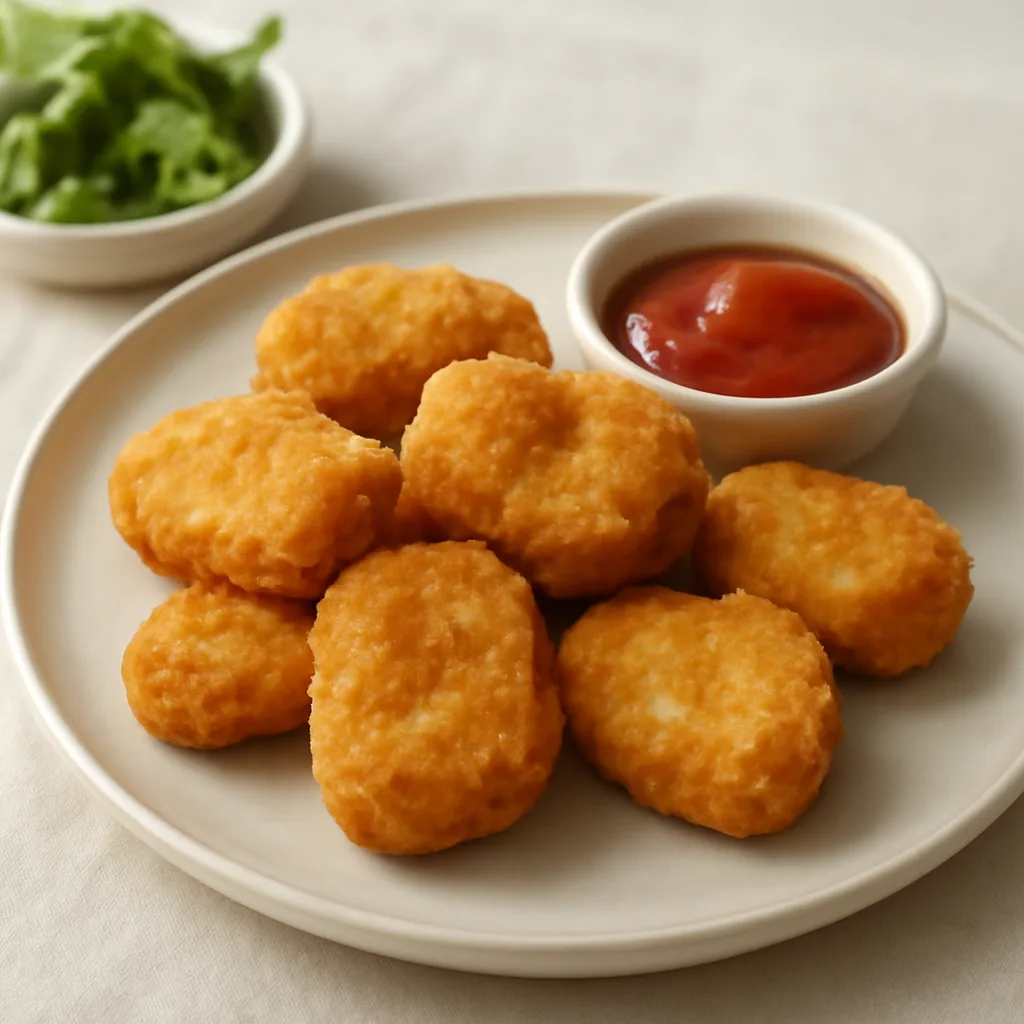
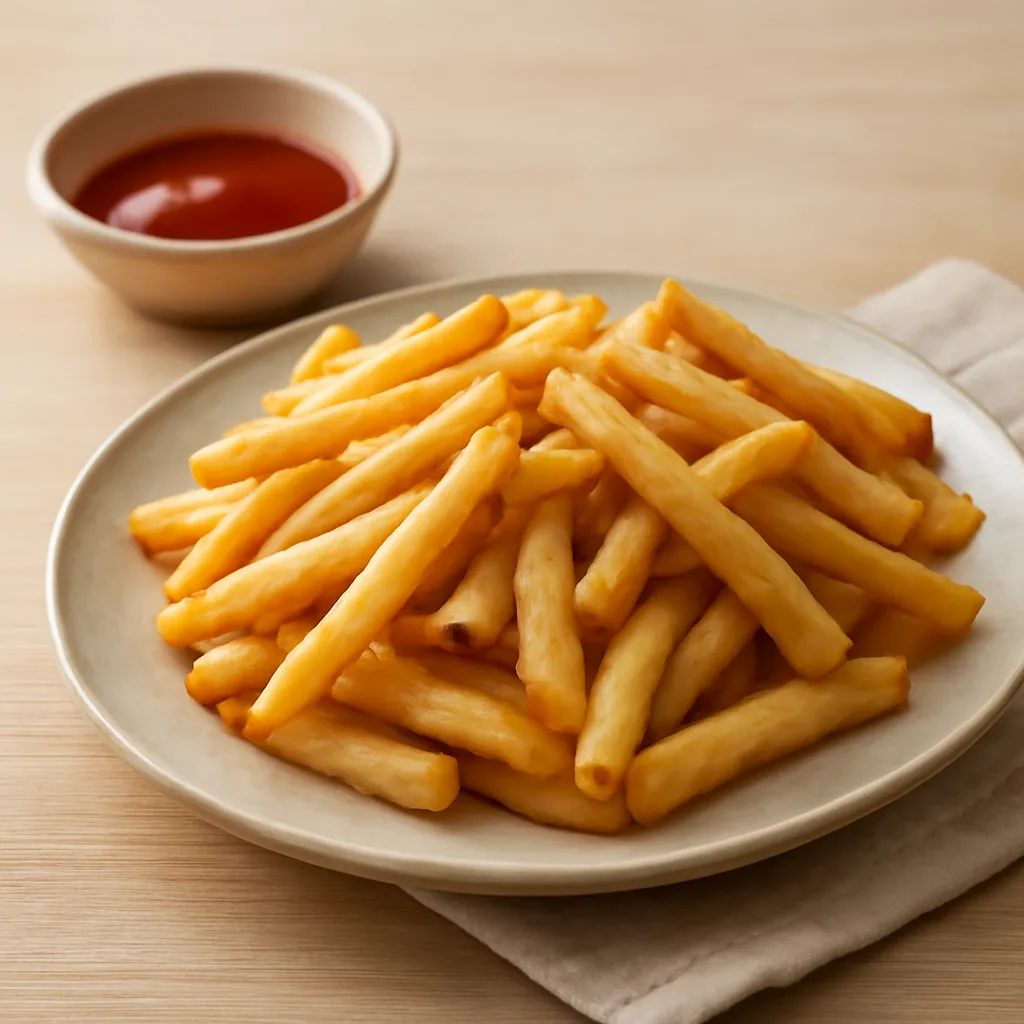
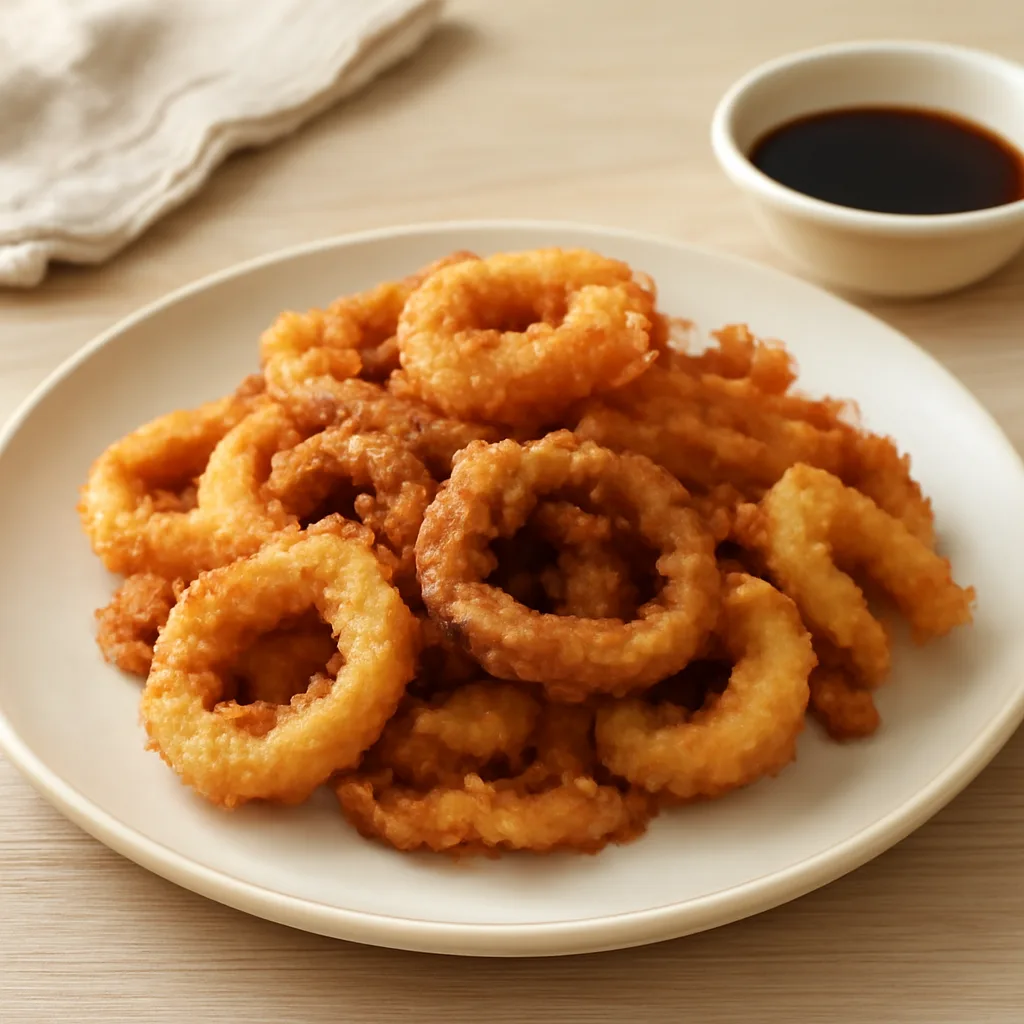
Frying is a cooking theme that aims to cook the outside of ingredients to a crispy texture while leaving the interior with the appropriate texture for each ingredient. It is useful for building a meal around a crispy single plate, from thin vegetable slices to seafood, meat, and tofu, which have different moisture contents and thickness. Choosing good fried items starts with the size and moisture state of the ingredients. If the surface is wet or there is a large thickness variation between pieces, the batter may puff up or the cooking time may vary, so drying the moisture and trimming to similar sizes is more stable. Conversely, if you want a soup dish or a moist braise, frying may not be the best main cooking method for the meal. Since the crispiness right after frying is important, it’s easier to decide on the menu by grouping ingredients with similar cooking times rather than making many different items at once. If you add a light soy-based sauce, salt, or tangy accompaniments, you can balance the oiliness.
Well-suited for these people
- People who are looking for side dishes with a crispy texture or a simple one-plate meal.
- When you need a menu that can be served immediately after cooking, like at a guest table.
- If you can trim remaining ingredients from vegetables, seafood, or meat to similar sizes, you have a wider range of ingredient use.
- When you need to keep food warm for a long time after cooking or prepare it in advance, crispiness may decrease, so other cooking methods may be more practical.
Food Selection Guide
- If the ingredient cross-section is thin and uniform in size, it will cook quickly, so at first choose thinly sliced vegetables or bite-sized ingredients.
- Mushrooms, tofu, and seafood with noticeable surface moisture can splatter oil during frying, so wipe thoroughly with a kitchen towel before use.
- Thick root vegetables or large meat pieces may brown on the outside first and be undercooked inside, so consider slicing thinly or partially cooking beforehand and frying.
- If you want a batter to cling lightly to the ingredient, choose a light batter; if you want surface presence and fullness, choose a relatively thick breadcrumb coating. However, thick coatings can mask the natural flavor of the ingredient.
Frequently paired ingredients
- Vegetable tempura is easy with ingredients that hold their shape when sliced, such as onions, sweet potatoes, zucchini, and mushrooms.
- Seafood like shrimp or squid should have surface moisture removed and be sized evenly so the batter adheres more evenly.
- Chicken or pork are easy to cook through when cut into bite-sized pieces, but if pieces are thick, ensure they are cooked through.
- Flour, starch, eggs, breadcrumbs, or a runny batter can be combined depending on the ingredient and desired surface texture.
- Salt, pepper, soy-based sauces, and acids like lemon can complement the seasoning to create contrast with the crispy surface.
Compatible cooking methods
- Frying by submerging in oil cooks the ingredient surface evenly, but if you fry many at once the oil temperature can drop, so cook in batches.
- Shallow-frying is convenient for thin vegetables or flat ingredients, but when turning, ensure the batter doesn’t come off by letting one side set before turning.
- Frying in two stages can cook the interior in the first and refine the surface in the second. However, very thin vegetables can dry out or darken too much if fried twice.
- Oven or air fryer can reduce oil use and effort, but expect results closer to baking than deep-fried texture.
Tips for beginners
- When placing battered ingredients in oil, if bubbles around them are too weak, the oil may be too cold, so bring the temperature back up before adding more ingredients.
- If the batter falls off, it may be due to surface moisture or clumping powder, so dry the moisture and dust evenly in a thin layer.
- If the outside browns quickly but the inside remains undercooked, the pieces may be too thick or the oil too hot; next piece, trim thinner or lower the heat.
- Stacking fried items on a plate while hot can trap steam and make the bottom soggy, so spread them on a rack to drain briefly.
Menu Composition Tips
- When serving fried items as the main dish, balance the plate with a broth, fresh vegetables, or pickles that have moisture and acidity to adjust the weight of the dish.
- If frying several types together, fry milder-tasting and quicker-cooking vegetables first, and fry meat or seafood later to reduce cross-influence on the next ingredients.
- If the main is meat fry, limit the accompaniments to one or two light vegetable fried items to reduce cooking order and oil management burden.
- If meal times are separate, fry last as much as possible and prepare sauces and accompaniments first.
Foods included in this theme
Here are the foods included in this theme, sorted by views from CookPagoda's public food.