View recipes
Check the reference data for the selected food.
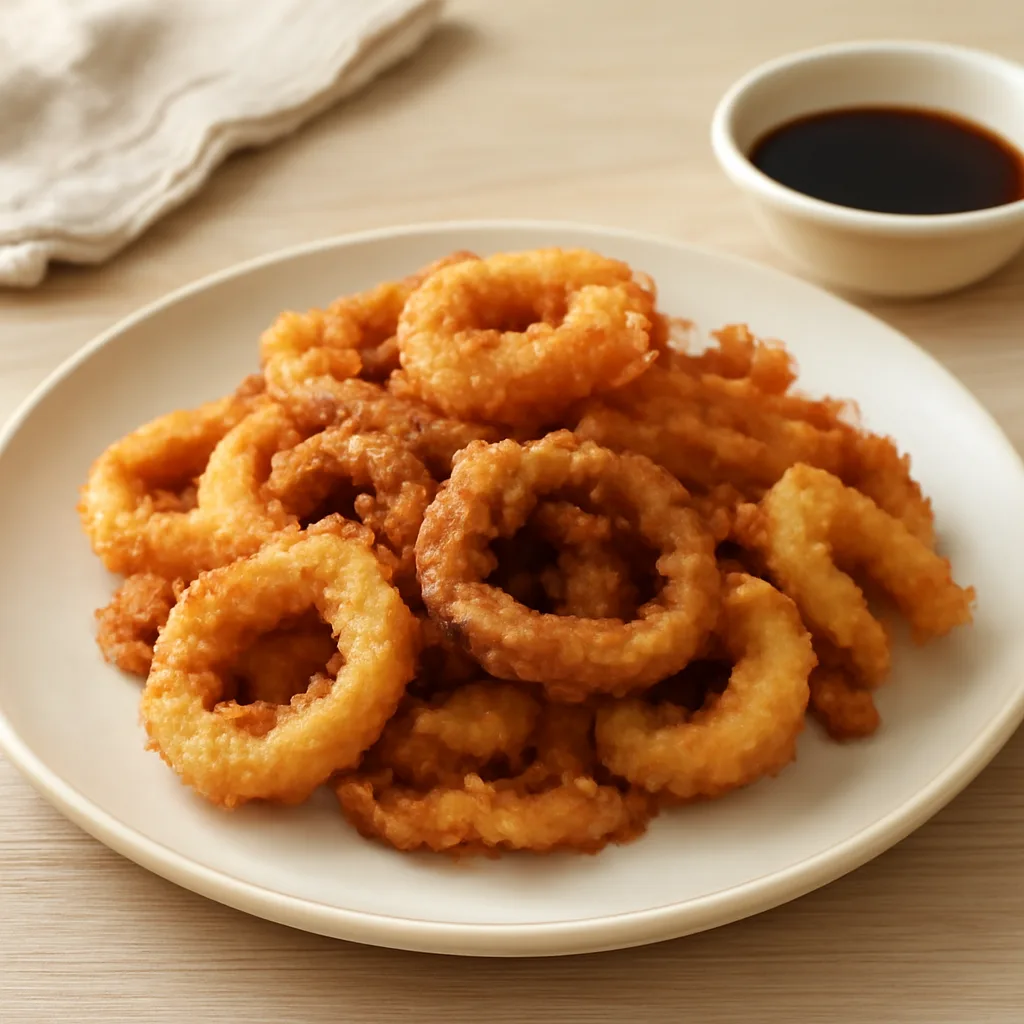
오징어튀김
Crispy and savory fried squid makes a great savory snack to accompany drinks. The fried batter stays crunchy, and the chewy squid pairs well with alcohol. Simple to make, it's a good choice when guests are coming.
0
View0
Like1
AI recommendations0
CreatedAbout this recipe
Squid tempura is a simple appetizer made by coating cleaned squid rings with a seasoned flour mixture of salt and pepper and briefly frying until crisp. The preparation takes about 20 minutes, and the key is to dry the squid well and maintain a stable oil temperature to create a thin, crispy batter. Since squid tends to become tougher the longer it’s heated, fry at 170°C in oil until the surface is golden and firm, about 3–4 minutes. If you fry a lot at once, the oil temperature drops and the batter soaks up oil, so it’s better to fry in batches suited to your pan size. Savory sauces like soy sauce pair well with the mild fried squid, while gochujang adds a sweet-sour kick. However, pouring sauce beforehand makes the crispness fade quickly, so it’s better to serve with the sauce on the side for dipping.
Taste and Texture
Well-fried squid tempura has a lightly crispy, savory outer coating and a chewy, springy interior. A simple salt-and-pepper seasoning lets the squid’s natural flavor come through. If the batter is thick, the crisp texture will be stronger but the squid’s texture will be less noticeable. To enjoy the squid’s chewiness, keep the flour thin and even on the squid.
Key to making it delicious
- If the surface of the cleaned squid is still wet, the batter will clump and oil may splatter excessively, so press the rings and surface dry with paper towels before coating with flour. Pre-mix salt and pepper into the tempura flour so the seasoning is evenly distributed, but avoid oversalting because when eaten with sauce it may taste too salty; adjust lightly for the sauce’s saltiness. Use oil heated to 170°C, and check that steady bubbles form around the squid when added. If the oil isn’t hot enough, reheat a bit before frying. Because squid rings tend to stick together, gently separate them with chopsticks or tongs immediately after adding to the oil. If your pan is narrow, fry in batches to minimize temperature drop. When the batter changes from a pale gold to a golden color and the surface firms up, remove. Frying longer to get a darker color can make the squid tougher. Drain the fried squid on paper towels without overlapping, and serve immediately while the crispness is still best.
Common mistakes
- If you rinse the squid and then coat with flour, the flour can become wet and the coating may be thick and loose. Wipe surface moisture, coat, then gently shake off excess flour. Frying at oil below 170°C can cause the surface to stay soft and soggy, as the squid sinks up moisture. If excessive bubbling declines after adding squid, reheat the oil before the next batch. If you overcrowd the pan, the oil temperature drops sharply and the color will be uneven and the pieces may stick together. Fry in a single layer, in batches if needed. If you fry 3–4 minutes past the point of doneness, the squid may become firm and tough—next time, pull it a little earlier based on batter color and surface. Piling fried squid on a plate traps steam and makes the bottom soggy quickly. After draining, arrange in a single layer and serve sauces on the side.
Application Ideas
- If you want to emphasize the pepper fragrance, add pepper to the tempura flour but don’t use so much that it masks the squid’s flavor. Pair with gochujang for a sweet-sour contrast, and keep soy sauce for a milder, saltier finish. Preparing both sauces allows choice per preference.
- If you cut the rings to a uniform size, they will fry more evenly. If a mix of small and large rings is used, start with the small rings first to avoid overcooking. If you want more batter presence, you can apply the coating once more in a very thin layer, but note that the squid’s distinctive chewy texture may be less noticeable.
- servingIdeas:[
Pairing ideas
- Dip the squid in soy sauce or gochujang in separate small dishes right after frying to keep each piece’s crisp surface intact.
- When serving as an appetizer, lay the squid in a single layer on a wide plate to minimize steam buildup that makes the coating soggy while you eat.
- When serving to a group, offer both sauces separately rather than pouring one large amount, so everyone can choose between soy sauce and gochujang.
Essential ingredients
오징어
링 모양으로 손질
튀김가루
소금과 후추를 섞어 사용
Optional ingredients
No separate optional ingredients.
Cooking order
오징어를 깨끗이 손질하고 링 모양으로 자릅니다.
튀김가루에 소금과 후추를 섞어 간을 합니다.
손질한 오징어에 튀김가루를 고루 묻힙니다.
팬에 기름을 충분히 붓고 170도에서 예열합니다.
예열된 기름에 오징어를 넣고 3-4분간 바삭하게 튀깁니다.
튀긴 오징어를 기름에서 건져내고 키친타올에 올려 기름기를 제거합니다.
접시에 담고 원하는 소스(간장, 초고추장 등)와 함께 제공합니다.