Ingredient Encyclopedia
Check the characteristics of the ingredients and how to use them in cooking.
튀김가루
1
1
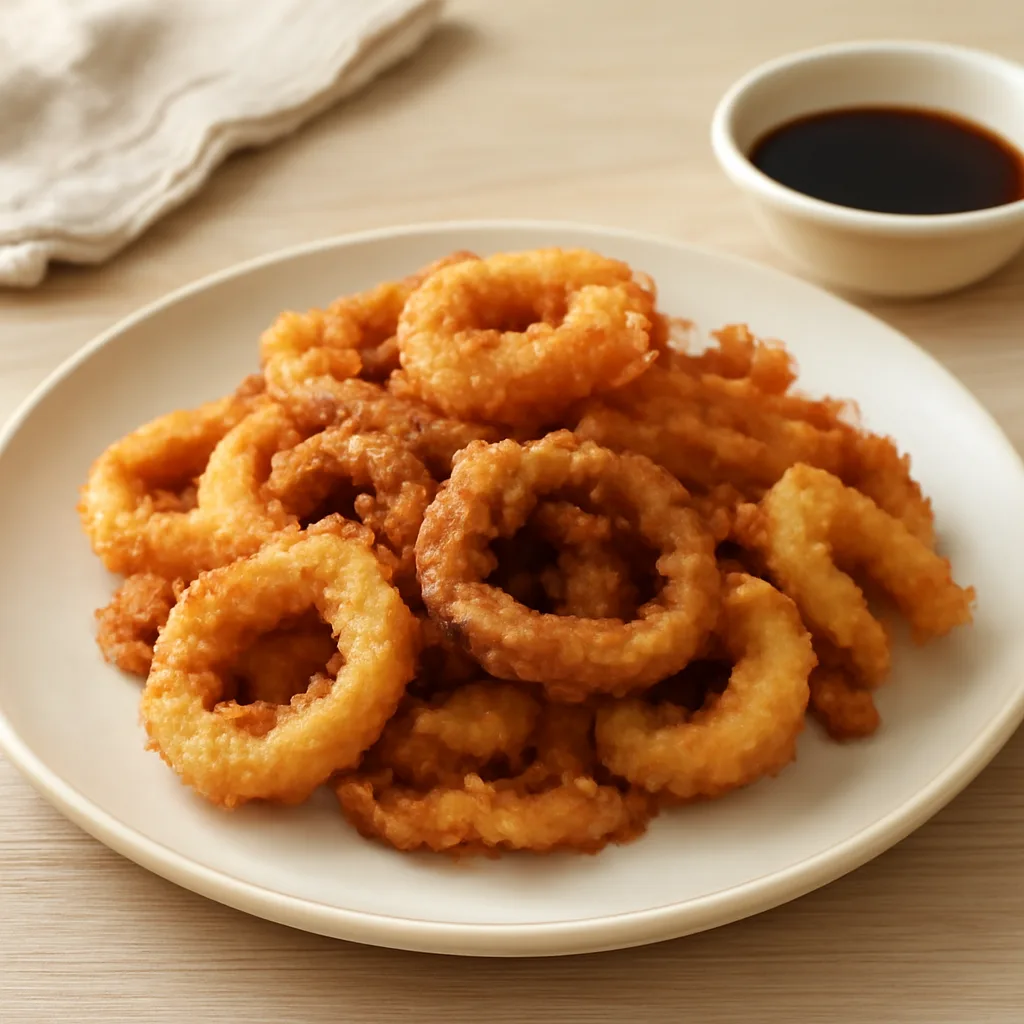
Frying batter is a powder mixture used to coat ingredients with a thin, crispy outer layer. It is usually based on flour with starch, leavening agents, and seasonings added, mixed with water to make a batter or used to coat ingredients directly as a fry coating. It is convenient for quickly preparing vegetable, seafood, and meat frying by reducing separate seasoning and starch blends. The batter consistency and oil temperature greatly influence the result. If the batter is too thin, the coating will run off thinly; if too thick, it becomes a thick and heavy fry. Use the water ratio stated on the package as a starting point, but adjust so that the surface of the ingredient is lightly coated and does not flow. Frying batter is advantageous for crispiness and convenience, but for dishes where you want to bring out the delicate flavor of the ingredient with a very thin coat, starch or a simple flour batter may be more suitable. Since many products are already seasoned, it is hard to go overboard by adding soy sauce seasoning or salt after frying tastes better rather than before.
Taste and Texture
The batter itself is relatively neutral, with a light salty or umami note possible. When fried, it has a nutty aroma, and due to starch and leavening agents, the surface tends to be crispy with a relatively light texture. Crispness decreases as moisture is absorbed over time. Fried items that are coated directly with moisture-rich vegetables or sauces can become soggy, so if crispy texture is the goal, it is better to serve with the sauce on the side right after frying.
Main uses
- Dust thinly with a batter and fry vegetables like zucchini, sweet potato, onion, and mushrooms to encase the moisture of the ingredients and form a crisp outer shell. Thick pieces may color too dark before the inside is cooked, so slice thinly or first cook at a low temperature and finish with a crisp fry.
- For smooth-surfaced ingredients like shrimp, squid, or fish, first dust with a light layer of frying batter, then coat with batter to help the coating adhere better. If surface moisture remains, the batter may slip or oil may splatter, so pat dry before proceeding.
- For thick meats like chicken or tonkatsu, frying batter alone will not yield a thick crumb like breading. Suitable for a light fry coating; if a crisp particle texture is needed, using breadcrumbs is more appropriate.
- Products can be used in tempura batter as well, but frying batters are often aimed at a thin, crisp surface. If you want a moist and soft center like old-fashioned fried foods, adjust the ratio of ingredients rather than over-extending the water when making batter.
Preparation tips
- Mix the batter with cold water just before use. A cold batter helps prevent the fry coating from becoming too tough, and if you let it sit after mixing, the leavening may weaken or the consistency may change.
- Mix only briefly so the batter is not fully lump-free. Overmixing to make it smooth develops gluten and can make the coating hard and tough, so small lumps are okay.
- Gently pat dry the ingredients with a paper towel and lightly dust with flour before dipping in the batter. Skipping this step can cause the coating to detach from seafood or mushrooms.
- Do not overcrowd the batter at once. If the batter becomes thin from moisture released by the ingredients, add a little more flour or make a new batch to ensure even coating.
Cooking characteristics
- When fried, moisture evaporates, the surface firms up and colors. Bubbles may seem vigorous at first and then subside; when the surface is light golden, it is usually the point of doneness, but the inside may need more time depending on the size of the ingredient.
- If the oil temperature is low, the batter will absorb more oil and become soggy and heavy. If almost no bubbles form when added, recover the temperature and fry in portions rather than adding more.
- Conversely, if the temperature is too high, the outside browns quickly while the inside may be undercooked. For thick meats or hard root vegetables, fry at medium temperature, then rest briefly and fry again briefly at a higher temperature to crisp the exterior.
- Stacking fried items on a plate traps steam and makes the coating soggy. After removing, place in a single layer on a rack to allow oil and steam to escape, which helps maintain crispness.
Good combinations
- A light dipping sauce of soy sauce and vinegar balances the nutty, oily richness of the batter. If the product is already seasoned, start with a thinner sauce and adjust after tasting.
- Prawns or squid pair well with citrus like lemon, herbs, and spicy seasonings, while sweet potatoes or kabocha pair well with salty seasoning or a light soy sauce-based dip to enhance sweetness.
- Pouring a wet sauce over fried items while they are hot reduces crispness. If crispness is important, keep sauce on the side or toss only when a soft, integrated flavor is desired.
Points to consider when substituting
- If frying batter is unavailable, you can make a light fry coating by mixing flour with some starch and seasoning separately. Note that this may differ in color, leavening, and flavor from fried batter with leavening and seasonings.
- For a thinner and crisper result, increasing the starch ratio in the batter can be effective, but it can cause the coating to split or peel for thicker ingredients.
- Even though there are similar flour products, tempura flour varies in purpose, salt, and texture, so it is not a perfect substitute for frying batter. For a crisp fry, keep the batter cold and reduce the water to check the thickness.
- Breadcrumbs are suitable for making a thick crust like tonkatsu, but they cannot reproduce the light surface of a batter-fried item. Choose substitution method depending on whether you want a thin fry coating or a coarse breadcrumb texture.
Ingredients commonly used together in actual dishes
Aggregated based on the co-occurrence count of representative ingredients in public dishes registered in CookPagoda.
Dishes that use this ingredient
Shows dishes where this ingredient is a representative ingredient, sorted by view count.