Ingredient Encyclopedia
Check the characteristics of the ingredients and how to use them in cooking.
오징어
3
2
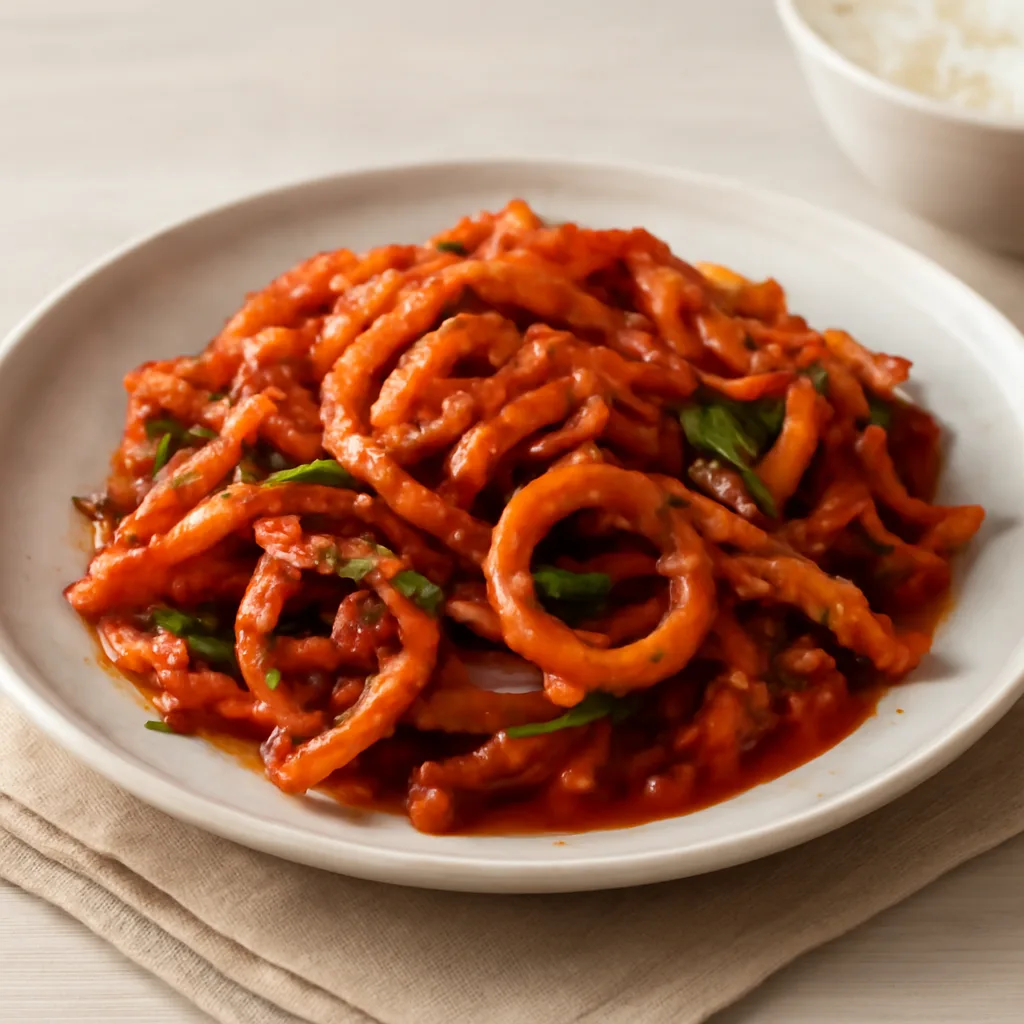
Squid are a seafood used in stir-fries, grilling, frying, soups, and salads after cleaning the body and tentacles. It has a mild sweetness with a marine aroma and pairs well with strongly flavored seasonings like gochujang and soy sauce, and enriches sweetness and umami in clear broths. The key to cooking is to either cook for an extremely short time or for a long enough time. Quick high-heat cooking yields a springy, tender texture, but heating for an intermediate duration tends to make it tough. Thinly sliced squid is good for stir-fries and salads, while whole or large pieces are good for grilling, steaming, and soups. Water content and aroma can vary depending on whether it is fresh, refrigerated, or frozen. If a lot of water is released from thawed squid, the stir-fry sauce can become thin, so it is advantageous to pat dry, heat the pan well, and cook in portions.
Taste and Texture
Squid features a gentle sweetness, a salty sea aroma, and a savory umami that becomes more pronounced as you chew. Depending on how much of the innards and membrane remain, the aroma and color can vary. Shortly cooked flesh is springy and moist, but overcooking makes it shrink and become firm and chewy. Scoring the flesh helps it take on seasonings and ensures more even doneness even in thick pieces.
Main uses
- Stir-fry with gochujang or gochugaru and vegetables to be served with rice or as a topping for bowls. If the pan is not hot enough, moisture releases first and it may turn into a braised-like dish rather than a stir-fry, so it is better to cook vegetables and squid separately before combining.
- Whole or opened body can be prepared as salt-grilled, butter-grilled, or seasoned grilled dishes. Sear on high heat to lightly color the surface, then do not cook for long or the squid will remain tender.
- Add to soups or stews with radish, green onion, and chili to enhance a refreshing flavor. For dishes that require long simmering, add the squid at the end to keep it from becoming tough.
- Blanched squid can be tossed with spicy gochujang, soy sauce-based seasonings, and vegetables as a salad. If cooled immediately after blanching, residual heat will overcook, and the texture will be more distinct.
Preparation tips
- Remove the internal organs and translucent cartilage from the inside of the body, and trim the mouth and eyes around between the legs as needed. After cleaning, rinse quickly rather than soaking in running water too long to prevent excessive loss of aroma and absorption of moisture.
- Make shallow, even slits inside the body to prevent curling and help seasonings penetrate; thick parts will cook more evenly. However, if the slits are too deep, pieces may break during cooking and look bad for stir-fries.
- For stir-frying, cut the body and legs to similar sizes. The legs have relatively thicker parts, so add them later to the pan or cut smaller to prevent one side from overcooking.
- Frozen squid should be dried with a kitchen towel after thawing. If moisture remains, the pan temperature drops, causing moisture to pool instead of browning, and it is better not to add too large a quantity at once.
Cooking characteristics
- When heated, squid proteins rapidly contract, causing the body to dry up and release moisture. When the surface turns white and opaque and feels springy, it is generally cooked, so turn off the heat or mix with seasonings quickly in stir-frying or grilling.
- High-heat quick cooking creates a nutty aroma on the surface while reducing internal moisture loss. Conversely, if the pan is weak or too much is added, prolonged cooking results in a chewy texture, so clear the pan and cook in portions.
- When placed in broth, squid flavor will spread into the liquid, but simmering for a long time can make the flesh firmer. A method where you start by simmering ingredients that require a long time to develop flavor (like radish) and add squid at the end is effective to avoid toughness.
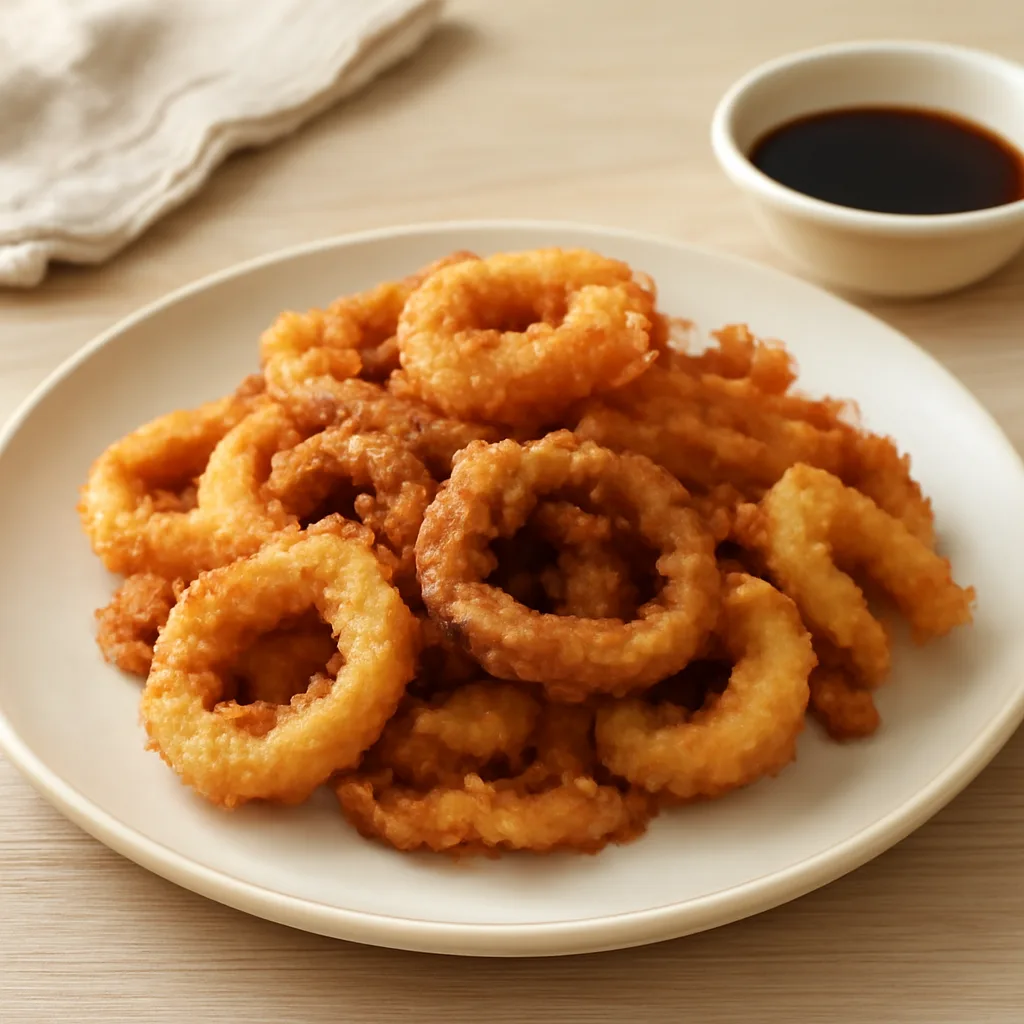
- When frying, thinner pieces color quickly. If the batter turns a light golden color but you fry too long, the squid will shrink and become chewy, so drain and finish with residual heat.
Good combinations
- Using gochujang, gochugaru, garlic, green onion, and onion enhances the squid’s mild taste with spicy and fragrant notes. Since sweet seasonings burn easily on high heat, it is better to briefly cook the squid first, then add the seasoning to finish.
- Water-rich vegetables like radish, zucchini, bean sprouts, and water parsley add freshness to broths or salads. However, using ingredients that release a lot of water, like bean sprouts, in a stir-fry can thin the sauce, so cook separately and mix later.
- Butter, olive oil, lemon, or vinegar help balance the sea aroma in grilled and fried dishes. Do not expose acidic ingredients to contact too early for too long, usually adding them at the finishing stage.
- Soy sauce and ginger calm the squid’s aroma and pair well with braises or grilling. If the ginger aroma is too strong, it may mask the squid’s gentle sweetness, so start with small amounts and adjust.
Points to consider when substituting
- For similar texture and seafood flavor in stir-fries or grills, you can use octopus, baby squid, or squid as substitutes. However, size and thickness differ, so adjust cooking time and monitor color and shrinking rather than cooking for the same duration.
- To substitute the mild umami of squid in clear broths, shrimp or shellfish can be alternatives. Shrimp cook faster and shellfish can impart stronger broth flavors, so adjust seasonings and aromatics rather than expecting identical results.
- In frying, you can substitute shrimp or white fish for squid, but the iconic chewy rings and bite of squid will not be reproduced. If aiming for crisp texture, cut to similar sizes and adjust frying time shorter.
- If seafood is hard to use in spicy stir-fries, you can use firm tofu or mushrooms. In this case, the sea aroma and elasticity reduce, so adjust texture and thickness by removing moisture and tuning sauce concentration.
Ingredients commonly used together in actual dishes
Aggregated based on the co-occurrence count of representative ingredients in public dishes registered in CookPagoda.
Dishes that use this ingredient
Shows dishes where this ingredient is a representative ingredient, sorted by view count.