Theme guide
Check the selection criteria and cooking ideas for foods that match this theme.
This theme focuses on soft textures that easily crumble between the tongue and the palate or offer little resistance when chewing. Dishes that soften the texture through ingredients like well-cooked vegetables, moist egg dishes, soft tofu, well-cooked noodles, and finely minced ingredients are central. Even with the same ingredients, the cooking method can change the feel dramatically. For example, potatoes become fluffy and smooth when boiled and mashed, but can form a firm crust when baked at high temperatures for a long time. If crisp textures or chewy bites are the core of the menu, this theme may not suit; it’s best to set the texture priority first. Softness alone does not decide flavor. You can layer flavors by adding aromatic broths, sautéed onions, liquids like soy sauce or herbs, or finely minced seasonings, without increasing coarse chunks.
Well-suited for these people
- Suitable for people who feel burdened by hard chunks or rough peels when chewing, and who want uniform bite-size textures.
- When you want to prepare a comfortable, quick meal, ingredients like eggs, tofu, noodles, and well-cooked vegetables that are easy to adjust doneness with are useful.
- In gatherings, offering nuts, crispy toppings, and large pieces of meat separately allows soft core dishes to meet many preferences at once.
- If you expect strong crispness or chewier textures, it can be more satisfying to pair a small amount of contrasting side dishes rather than trying to unify everything into a soft texture.
Food Selection Guide
- If large fibers, tough skins, or hard seeds are visible in the finished dish, choose ingredients that can be removed or finely diced to prevent texture breaks during chewing.
- A form where broth or sauce evenly soaks into the ingredients helps reduce dry spots, so consider braising, soup, or cream-based dishes.
- If choosing ingredients that toughen with cooking like meat or fish, plan to slice thinly or cut against the grain and cook briefly.
- If frying coatings, dry breadcrumbs, or hard raw vegetables are part of the cooking records, check that a soft texture is the goal, and, if needed, substitute with boiled vegetables or soft sides.
Frequently paired ingredients
- Ingredients that become soft or easily mashed after heating, such as tofu, eggs, potatoes, kabocha squash, or zucchini, are frequently used.
- Onions, mushrooms, and carrots can soften their textures when sautéed or boiled well, so they are best used sliced thinly or finely chopped rather than in large chunks.
- Grains, noodles, or oats absorb moisture and change texture, so monitor during cooking and adjust broth or water amounts accordingly.
- Liquid-rich ingredients like milk, cream, broth, or starch thickeners can help reduce dryness, but too much can make flavors vague, so add gradually.
Compatible cooking methods
- Boiling and steaming add moisture and make cooking easier, suitable for softening potatoes, squash, and leafy greens.
- A gentle simmer helps ingredients absorb broth, but boiling on high heat for long can break some ingredients and make the dish cloudy, so turn off heat when the desired form remains.
- Mashing, straining, or blending are ways to even out texture when particles feel coarse.
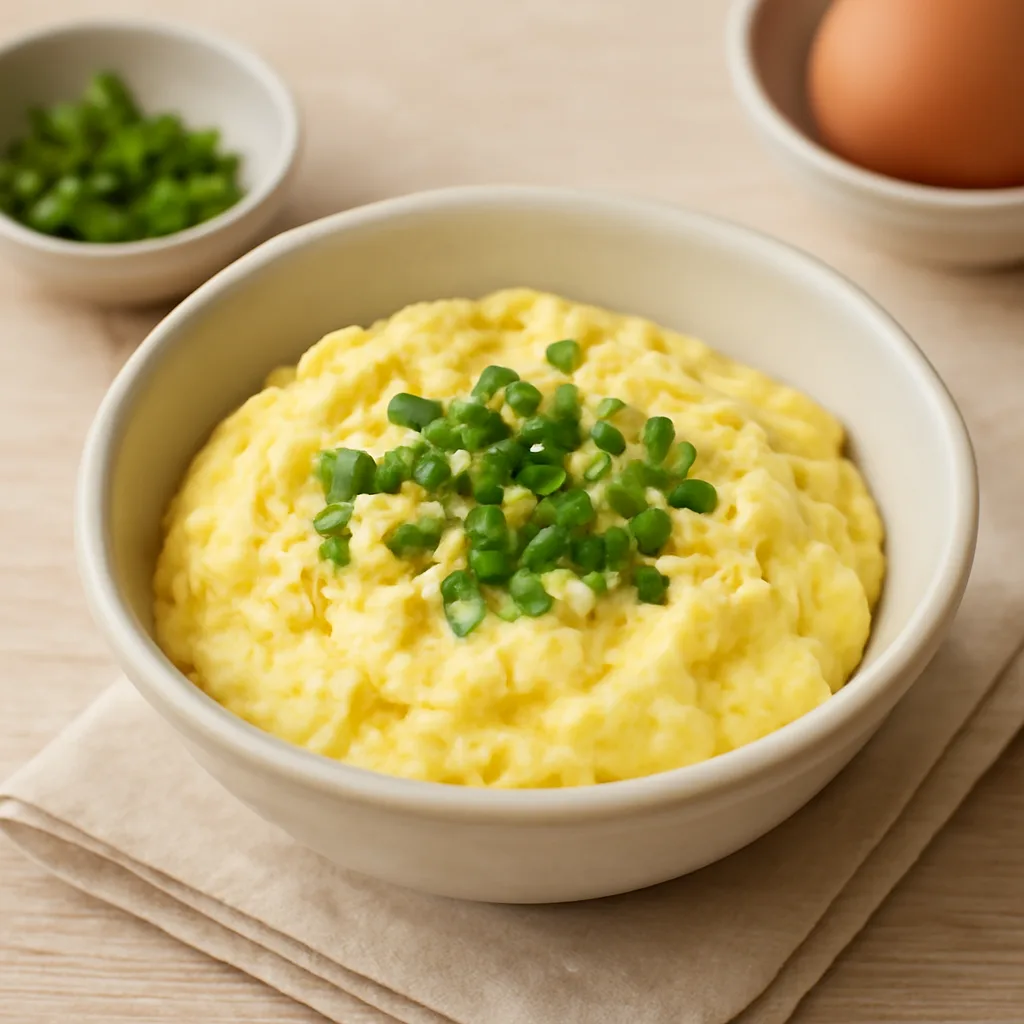
- Low to medium heat slow-cooking methods like scrambling eggs or steaming eggs tend to yield moist results, but overcooking can cause moisture loss and hardening.
Tips for beginners
- If vegetables press hard with a fork but still feel tough fibers in the mouth, chop the fibrous parts finely or blend them instead of continuing to cook longer.
- If mashed potatoes or purée become sticky and heavy, you may have over-mashed; next time mash briefly while hot and incorporate liquids gradually.
- If eggs release water and the surface is rough, heat may have been too high; lower the heat and stir frequently as the edges start to set.
- If soup or porridge becomes too thin, instead of boiling longer from the start, mash some ingredients or add a small amount of starch to reach the desired thickness.
Menu Composition Tips
- When planning a meal, divide roles so there is one soft staple, one moist protein dish, and one flavorful side to minimize overlapping flavors.
- For example, pair soft rice or noodles with a moist side like steamed egg custard, tofu simmered in clear broth, or a light soup, and add small aroma elements like soy sauce or chopped scallions.
- If you assemble only similar colors and textures, it may be hard to stimulate appetite, so add elements with contrasting color such as carrot purée, blanched green vegetables, or soft tomato sauce.
- If time is limited, choose soups or porridge that can be cooked in one pot, and finish with tofu, eggs, or chopped herbs to reduce preparation steps.
Foods included in this theme
Here are the foods included in this theme, sorted by views from CookPagoda's public food.