Enciclopedia de ingredientes
Descubre las características de los ingredientes y cómo utilizarlos en la cocina.
tteok
2
2
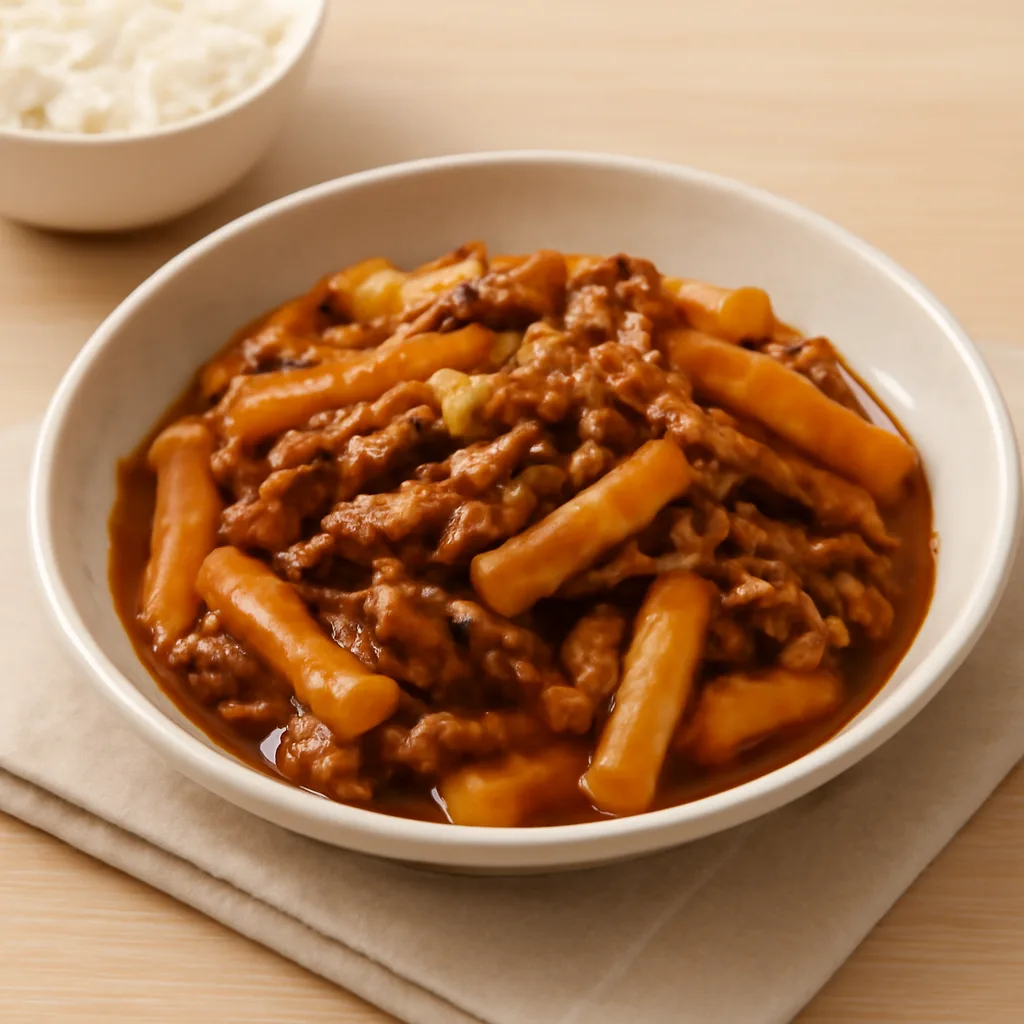
Tteok is a food made by kneading or steaming ground grains such as rice flour or glutinous rice flour, and depending on the type, it can be a substantial staple or added to soups, stir-fries, or desserts. For cooking, common forms include elongated tteokbokki-tteok, thin sliced tteokguk-tteok, and bite-sized tteok. Even with the same tteok, results vary greatly depending on whether it is rice tteok or glutinous rice tteok and its moisture state. Plain tteok serves as a base that absorbs the flavor of seasoning and broth, and it pairs well with strong sauces like gochujang-ttejokbokki. On the other hand, tteok with sweetness or fillings can blur the flavor when added to savory dishes, so it’s better to check packaging and taste first. Tteok tends to harden when cold or firm; with sufficient moisture and temperature, it becomes soft again. However, overboiling or stirring on high heat for too long can make the exterior loosen and stick together, so after achieving the desired chewiness, it’s best to finish cooking briefly.
Sabor y textura
Basic rice tteok has a gentle grain aroma and a mild taste, allowing the flavors of the seasoning to come through clearly. A higher proportion of glutinous rice makes it more elastic and chewy, while mepsal-tteok (non-glutinous rice) is comparatively firm and clean in texture. When well-heated, tteok is soft and chewy, but if heated with insufficient moisture, the center can be hard and the surface feel uneven. In broth, it becomes tender while retaining elasticity, and when grilled or stir-fried in a pan, the surface develops a roasted aroma and a chewy crust.
Métodos principales de uso
- Cut cylindrical or slab-shaped tteok for tteokbokki and simmer with gochujang sauce, soy sauce sauce, or cream sauce. Check whether the tteok has softened before the sauce reduces too much; if still firm, add a little water or broth to continue cooking.
- For tteokguk and manduguk, add thinly sliced tteok and warm quickly with the broth’s heat. When the tteok floats and the edges become soft, it is generally ready to eat, so avoid simmering for too long to prevent the broth from becoming too thick.
- Lightly oil a pan and grill the tteok, then glaze with soy sauce, honey, corn syrup, or spicy seasoning to make a snack or side dish. When using sweet-tasting tteok, reduce sugar or syrup in the glaze to avoid overpowering the flavor.
- Add tteok to dishes with sauce and broth like bulgogi, dak galbi, or jeongol. However, because tteok absorbs seasoning and moisture, adding too much from the start can make the meat or vegetables taste underseasoned.
Consejos de preparación
- If refrigerated or frozen tteok sticks together, instead of forcing them apart, soak briefly in cold or lukewarm water to loosen the surface, then separate one by one and pat dry before use.
- Hard tteok benefits from soaking before cooking to soften evenly to the center. Very soft raw tteok should only be rinsed lightly to avoid softening the surface.
- When adding tteok to thick sauces like tteokbokki, tteok rapidly absorbs sauce and can burn on the bottom. If the sauce becomes too thick, gradually add water or broth and cook while gently stirring the bottom with a wide spatula.
- When pan-frying tteok, pat the surface dry to reduce oil splatter, and cook over medium-low heat to heat all sides slowly; if you try to flip too quickly on high heat, the outside will brown while the inside stays hard.
Características al cocinar
- As tteok heats, moisture is absorbed and starch softens, creating chewiness. In boiling broth, the edges become soft first and when pressing toward the center reveals no hard core, indicating it is ready to combine with other ingredients.
- If left in broth or sauce for too long, starch may loosen and the liquid become cloudy or thick. To keep a clear broth, add tteok toward the end and simmer briefly.
- In stir-frying, less moisture allows the tteok surface to contact the pan and develop roasted aroma, but if too dry, it can stick or crack. If the pan looks dry and tteok becomes stiff, add a small amount of water to steam and soften first, then fry.
- Acidic ingredients or strong sauces do not instantly tenderize tteok; more important are sufficient moisture and heat. In strongly seasoned dishes, adjust the seasoning with water or broth to avoid over-seasoning the tteok as it cooks.
Combinaciones que funcionan bien
- Brightly flavored sauces like gochujang, chili powder, soy sauce, garlic, and sesame oil form the flavor center on mild tteok. For spicy sauces, pair with vegetables like cabbage, green onion, and onion to add moisture and sweetness and prevent the taste from leaning too much in one direction.
- Clear broths based on beef or dried anchovies pair well with thin tteok; adding nori, egg, and green onion helps maintain a mild flavor. If the broth is already salty, the tteok will absorb some salt without making the broth too thin, so it’s better to start with a lighter seasoning.
- For pan-grilled tteok, use a savory combination like soy sauce and sesame oil, or a sweet combination with honey or corn syrup and nuts. Using both direction strongly may overwhelm the tteok’s mildness, so choose one flavor axis.
Puntos a considerar al sustituir
- If store-bought tteok for tteokbokki is unavailable, cut glutinous rice cake into similar lengths as a substitute, and use thinner tteok for tteokguk as needed, noting that cooking times should be shortened when thinner tteok are used.
- Udonn noodles or potato cakes can substitute when a chewy texture is required, but absorption of seasoning and cooking speed differ, so results may vary. Udon softens faster, while potato cake can become starchier, so adjust sauce consistency and cooking time.
- In broth-based dishes, handmade dumplings or kalguksu noodles can be a filling alternative, but they won’t replicate the exact chewy, mild texture of tteok. When the goal is a clear tteok soup texture, it’s best to swap only the tteok type rather than replacing other ingredients entirely.
- Sweet-tasting dessert tteok is often not a good substitute for regular cooking tteok. If you taste a piece and detect sweetness, reserve it for separate snack preparation instead of using in savory dishes.
Ingredientes que se utilizan frecuentemente juntos en alimentos reales
Se recopila en base a la frecuencia de aparición de ingredientes representativos en alimentos públicos registrados en CookPagoda.
Alimentos que utilizan este ingrediente
Mostramos los alimentos en los que este ingrediente es un ingrediente representativo, ordenados por número de vistas.