Encyclopédie des ingrédients
Découvrez les caractéristiques des ingrédients et comment les utiliser en cuisine.
asperges
1
2
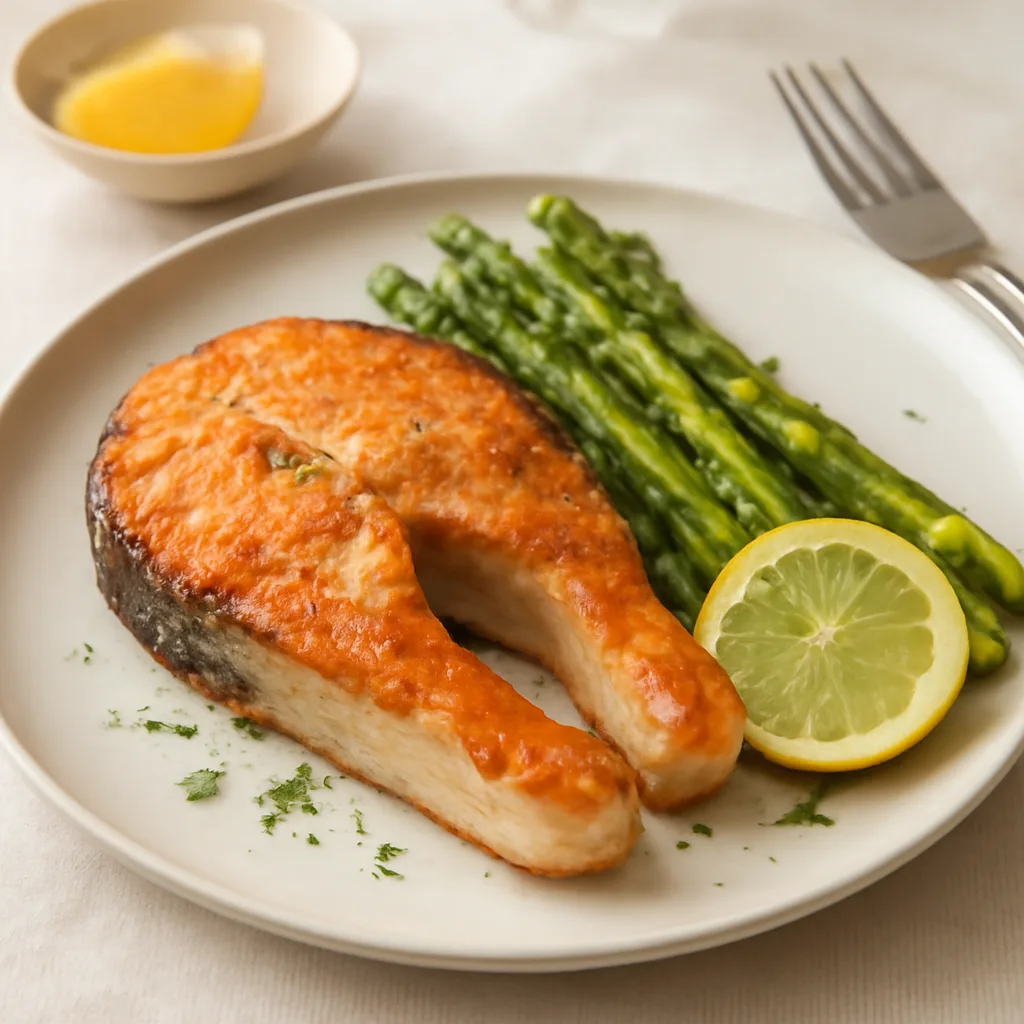
Asparagus is a vegetable with long, straight stalks and tight buds at the ends, especially good for quick cooking methods like stir-frying, grilling, steaming, and boiling. Thin stalks cook quickly and pair well with side dishes or salads, while thick stalks have a chunky interior and presence in grilling and oven cooking. The bottom part of the stem is firmer and may feel fibrous. Trim starting at the point where the bend naturally breaks, or peel the outer skin a few centimeters from the bottom on thick stalks to make it easier to eat. However, trimming too much reduces usable portions, so trim only as needed based on the firmness. Simple olive oil and salt can enhance flavor, but cooking method greatly affects texture. For a crisp and bright green, cook quickly over high heat; for a softer texture, steam or boil and finish with a sauce.
Goût et texture
Asparagus carries a fresh vegetal aroma with a gentle sweetness and a hint of bitter finish. The buds have a relatively stronger aroma and tenderness, while the stem offers a crisp bite. When cooked long enough, the stems become tender, but overcooking will make them soft and the aroma dull. Thick stems are good for adding a roasted note on the surface, but if not trimmed they may feel tough at the bottom.
Principales utilisations
- Sauté quickly in a pan with olive oil and garlic as a side for meat or fish dishes; when the stalks begin to brown, turn off the heat to retain some crispness.
- Roast in the oven or on the grill and add lemon juice, cheese, nuts, etc. High heat creates roasted aroma on the surface, but crowding the pan can prevent moisture from escaping, leading to steaming rather than roasting.
- Lightly blanch and add to pasta, risotto, salads, or egg dishes. Since residual heat continues to cook after blanching, remove slightly undercooked for a firmer bite.
- For soups or purées, use well-cooked asparagus; in this case, remove more of the hard ends or use the stalks for stock.
Conseils de préparation
- Rinse the buds and stalks under running water and pat dry. If moisture remains, oil splatter and browning are less likely when sautéing.
- Trim stalks differently depending on thickness. Thin asparagus can be trimmed at the bottom; thick ones should have the bottom few centimeters peeled to ensure uniform softness.
- Prepare equal lengths and diameters for even cooking. If uneven, thin ones may overcook while thick ones remain firm; add thick stalks first or cook separately.
- When sautéing or grilling, avoid excessive salt at first; surface browning may be slow if too much moisture is released early, so adjust seasoning after the surface has browned.
Caractéristiques lors de la cuisson
- In a hot skillet, the surface browns quickly while the interior stays crisp. If moisture is trapped because the pan isn’t hot enough, raise heat and spread the ingredients to evaporate moisture.
- Blanching brightens color and softens texture quickly. If buds loosen or stems wilt, reduce blanching time next time and cool immediately.
- In oven roasting, the ends may dry first and buds become crispy. If the ends brown too quickly, lower the temperature or choose thicker stalks; very thin stalks may be better suited to pan-frying.
- When paired with cream or cheese, the green aroma of asparagus softens. If you want to preserve delicate aroma, use lighter finishing like lemon or herbs rather than heavy sauces.
Combinaisons recommandées
- Lemon, garlic, olive oil, and butter highlight the fresh aroma and sweetness of asparagus. Add acidity at the end of cooking to preserve color and texture.
- Pairs well with eggs, potatoes, mushrooms, peas, and pasta to create contrast between tender parts and crisp stalks.
- Hard cheeses like Parmesan or nuts add richness and saltiness, but too much can mask asparagus’s delicate aroma.
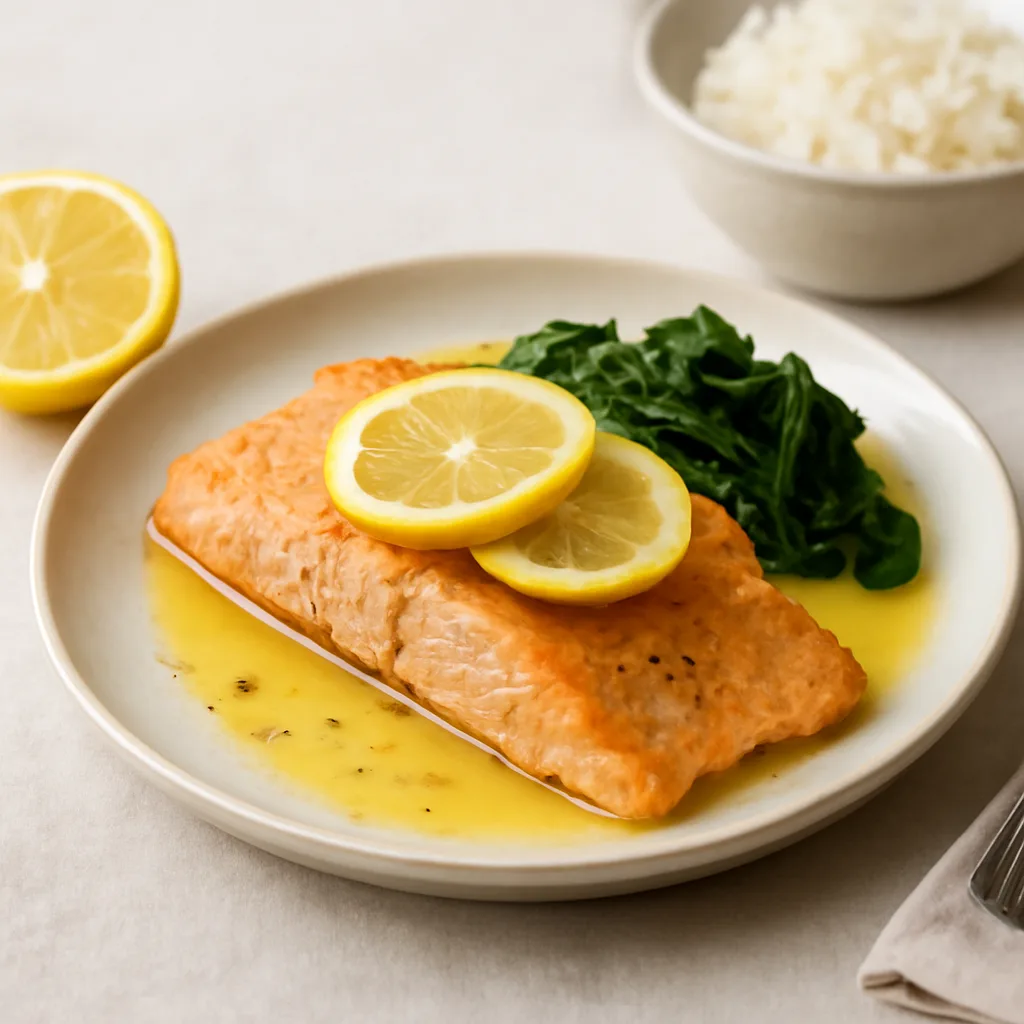
- Goes well with chicken, fish, or shrimp. When combining with strongly seasoned meats, finish grilled asparagus separately to balance flavors.
Points à considérer lors du remplacement
- If you need the crisp stem texture from a side vegetable or stir-fry, alternatives include broccolini, green beans, or snap peas. Note that green beans may require longer cooking, so add earlier or blanch briefly before use.
- For roasted dishes where length and roasted aroma are important, use broccolini or young zucchini. Zucchini has more moisture and may become soft if roasted for the same time, so cut thicker or spread wider for roasting.
- In soups or purées, broccoli stems, peas, or leeks can contribute a soft vegetable flavor, but won’t replicate asparagus’s distinct fresh aroma and slight bitterness. If aroma is key to the dish, adjust substitutions with salt and acidity rather than replacing on a one-to-one basis.
Ingrédients souvent utilisés ensemble dans les plats réels
Basé sur le nombre d'apparitions simultanées des ingrédients principaux des plats publics enregistrés sur CookPagoda.
Plats contenant cet ingrédient
Nous affichons les plats où cet ingrédient est un ingrédient principal, classés par nombre de vues.