Encyclopédie des ingrédients
Découvrez les caractéristiques des ingrédients et comment les utiliser en cuisine.
Maquereau
1
2
Mackerel is a relatively fatty, blue-backed fish, good for grilling, braising, steaming, and soups. The flesh has a distinct taste, so even simple salt-grilled is satisfying, but it also goes well with salty, flavorful sauces like radish, gochujang, and soy sauce. When prepared, the thickness near the skin and near the belly may differ, causing different cooking speeds. When the flesh becomes opaque and easily flakes with chopsticks, it is generally cooked enough; at that point reduce the heat or finish cooking to keep it moist. Because the mackerel has a strong flavor, if used with very delicate sauces like bland white fish, the fish taste can be overwhelmed by the sauce. Conversely, if you want to highlight the fish flavor, pairing with aromatics that tame the aroma such as lemon, ginger, garlic, and scallion is practical.
Goût et texture
Mackerel has a rich, savory fish flavor, with a fatty texture depending on the part. When cooked, the flesh becomes soft and breaks apart easily, but overcooking can cause moisture loss and the edges to become stiff. If you fry the skin until it is golden, you get a crispy texture and roasted aroma; if simmered, you can enjoy moist and tender meat that has absorbed the seasoning. If a fishy odor is prominent, don’t assume it’s spoiled—rather, the impact may come from blood, surface moisture, or oil released during cooking, so adjust preparation and heating methods first.
Principales utilisations
- Salt it and grill skin-side first on a pan or grill and serve with rice as a representative method. If the skin easily falls off the pan, the fish may not be fully cooked yet, so wait until the edges turn golden rather than forcing a flip.
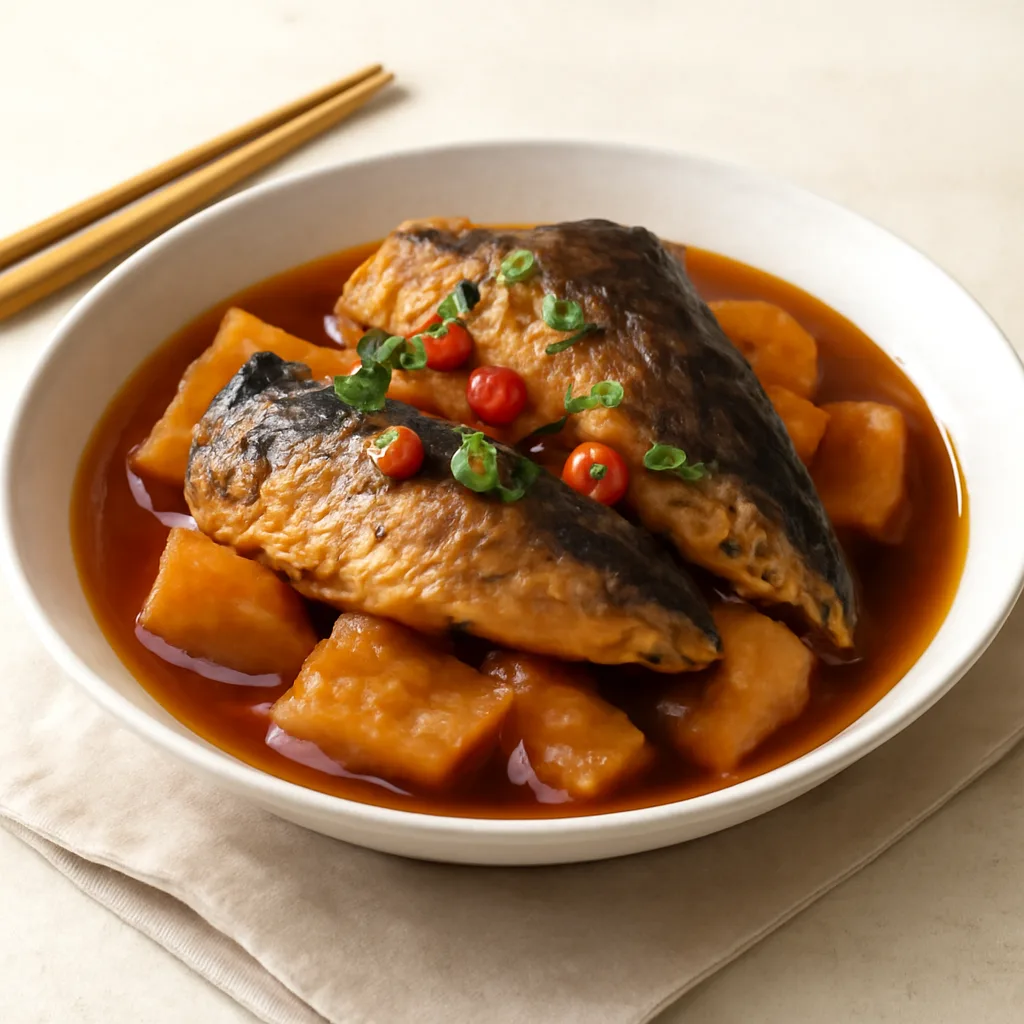
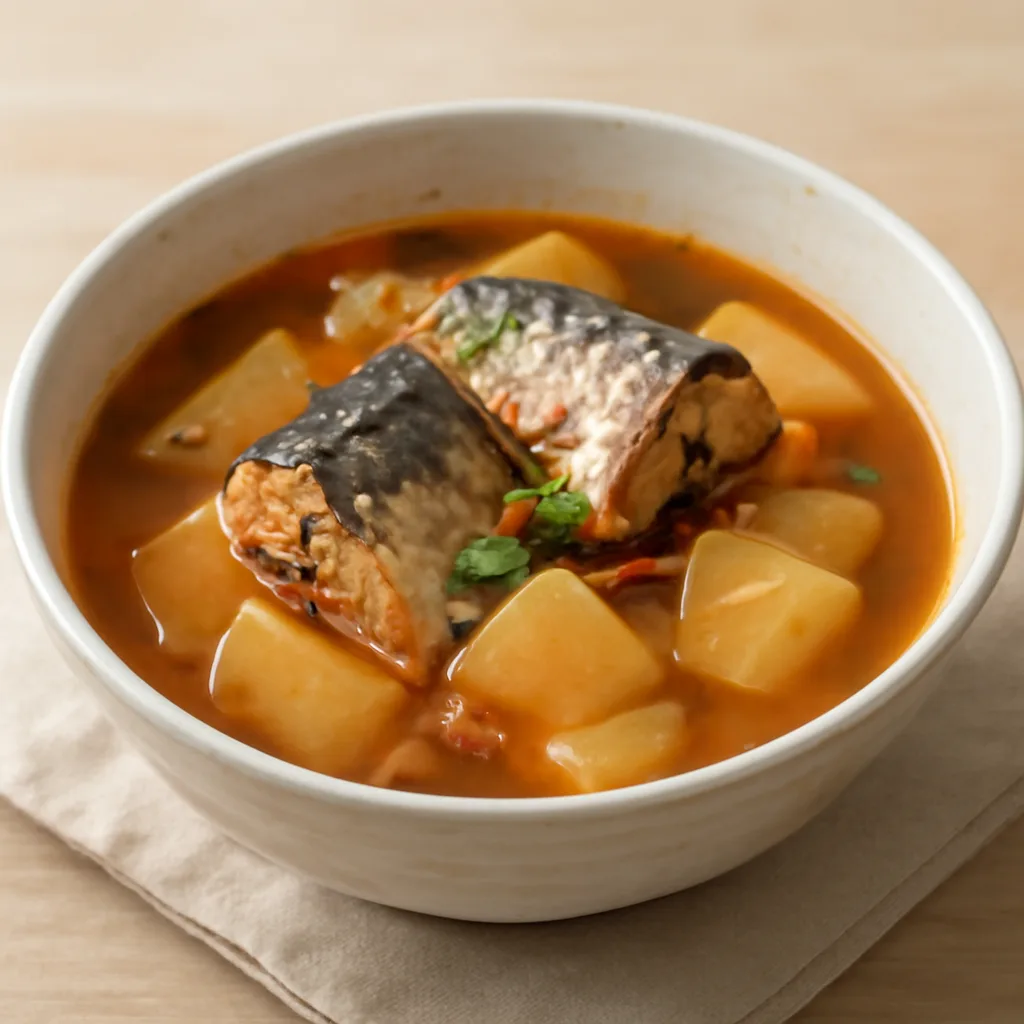
- Braised mackerel with radish, onion, and green onion in soy sauce or gochujang. If the radish hasn’t softened enough, cooking the fish for too long can cause it to fall apart, so it’s advantageous to soften the radish first and then add the mackerel.
- Add to miso soup or clear broth to make a soup or stew. To deepen the broth, avoid boiling on high heat for too long, as the meat may break apart and oil may spread; once the fish is added, keep it at medium-low heat.
- Shredded of grilled mackerel can be used as ingredients for rice balls, kimbap, or bibimbap. If small bones remain, they are inconvenient to eat, so make sure to remove the large bone and side bones after fully cooking, following the natural grain.
Conseils de préparation
- Wipe the surface moisture and any remaining blood with a paper towel before refrigerating or thawing. If moisture remains, oil may spatter and the skin may become soggy, so this is especially important when you want a crispy fry.
- Salt should be added just before cooking or kept very short to make it easy to handle. If lots of moisture forms on the surface after salting, wipe again before frying to promote more even browning.
- To reduce fishy odor, use ginger, cooking wine, pepper, garlic, and scallion according to the recipe. However, if you use too many strong aromatics, the mackerel’s own rich flavor may be masked, so in simple preparations like salt-grilling, limit to one or two.
- For braised chunks, avoid turning them too often. Once the flesh has softened, using a spatula larger than tongs helps keep the surface intact.
Caractéristiques lors de la cuisson
- In pan-frying, first cook the skin side long enough so the flesh sticks less and turning is easier. When the skin’s edges contract and lift and color darkens, it is close to the ideal moment to flip.
- The mackerel’s fat adds flavor, but too much oil in the pan can feel fried or prevent the skin from becoming evenly crispy. If there is a lot of oil, pour some off mid-way and keep the heat at medium.
- In braising, the seasoning penetrates the flesh as it boils, but prolonged vigorous boiling can cause the chunks to break apart. Once the broth starts to boil, keep it simmering gently with the lid slightly open to maintain shape.
- Using acidic ingredients can lighten the fatty impression. However, adding vinegar or lemon juice too early can make the aroma fade or taste sharp, so it’s best to add these at the finishing stage for grilling.
Combinaisons recommandées
- Radish in mackerel braise helps to soften and enrich flavors through the fish oil and seasoning, while green onion and scallion add sweetness and aroma.
- A small amount of lemon, yuzu, or vinegar helps to balance the oiliness. However, in braises with strong sauces like gochujang or doenjang, too much acidity can disrupt flavor balance.
- Ginger, garlic, and fresh chili pair well with the mackerel’s strong aroma, but for grilling where you don’t want heat, using pepper and lemon is fine for a simpler balance.
- Accompaniments like rice, seaweed, and mild vegetables go well to let the mackerel’s flavor shine.
Points à considérer lors du remplacement
- For dishes requiring the oily richness and tender flesh of mackerel, mackerel pike or horse mackerel can be relatively close substitutes. However, the texture may feel softer with horse mackerel, and the distinct aroma and bone presence in mackerel may not translate directly, so adjust cooking times accordingly.
- If you use another fish for soups instead of mackerel, adjust the amount of seasoning and aromatics to fit the oiliness of the fish. Replacing with a mild white fish may make the broth feel lighter with the same seasoning.
- For braised dishes centered on radish and strong seasoning, you can also use beltfish or horse mackerel, but their fillet thickness and meat firmness differ, so adjust the time to cook the radish first and then add the fish.
Ingrédients souvent utilisés ensemble dans les plats réels
Basé sur le nombre d'apparitions simultanées des ingrédients principaux des plats publics enregistrés sur CookPagoda.
Plats contenant cet ingrédient
Nous affichons les plats où cet ingrédient est un ingrédient principal, classés par nombre de vues.