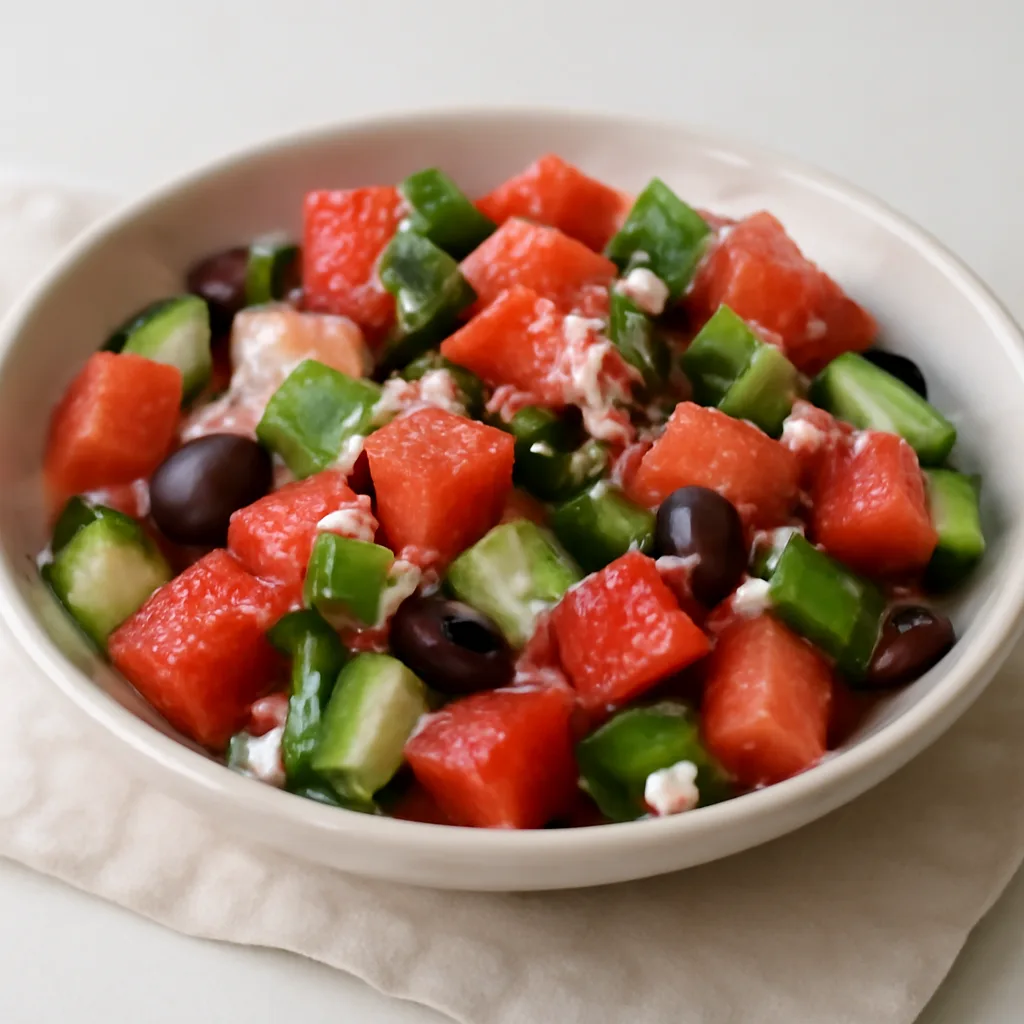
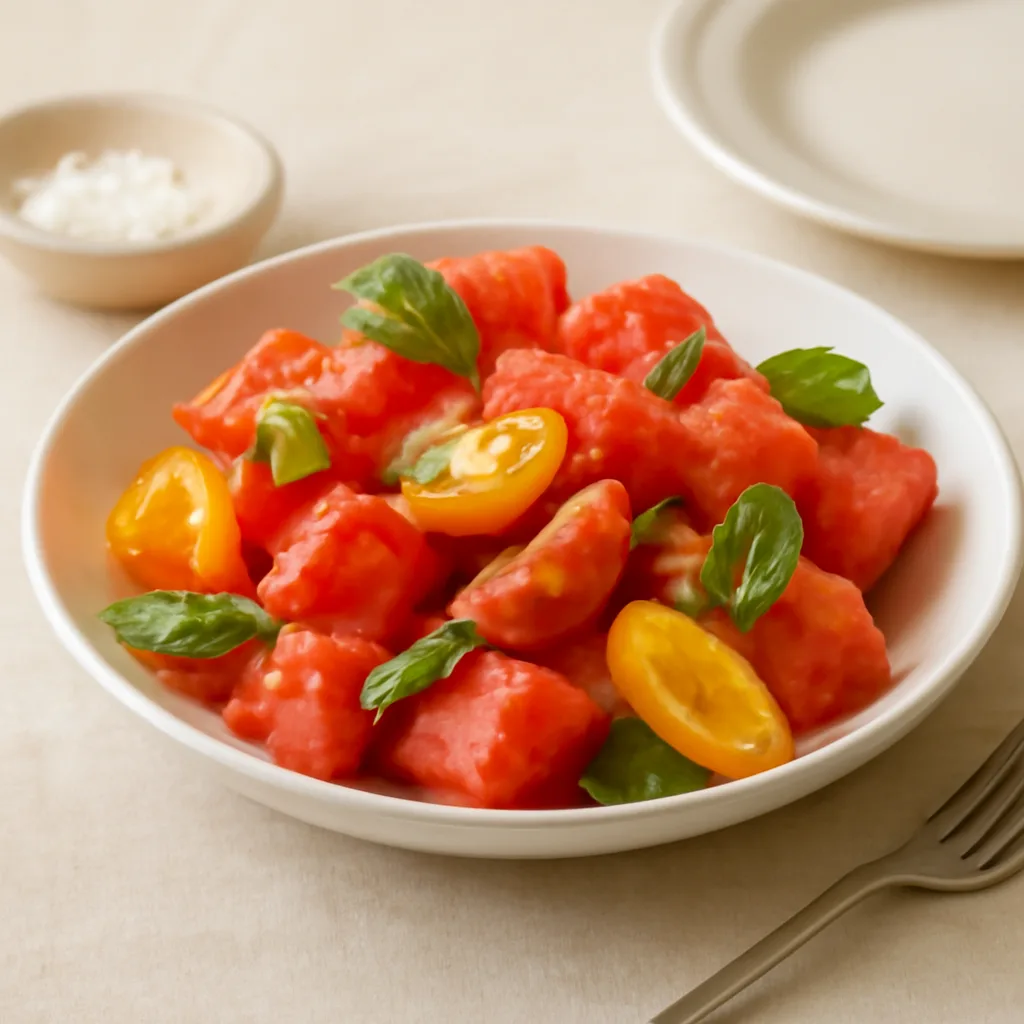
Guide de thème
Découvrez les critères de sélection des aliments et les idées de recettes correspondant à ce thème.
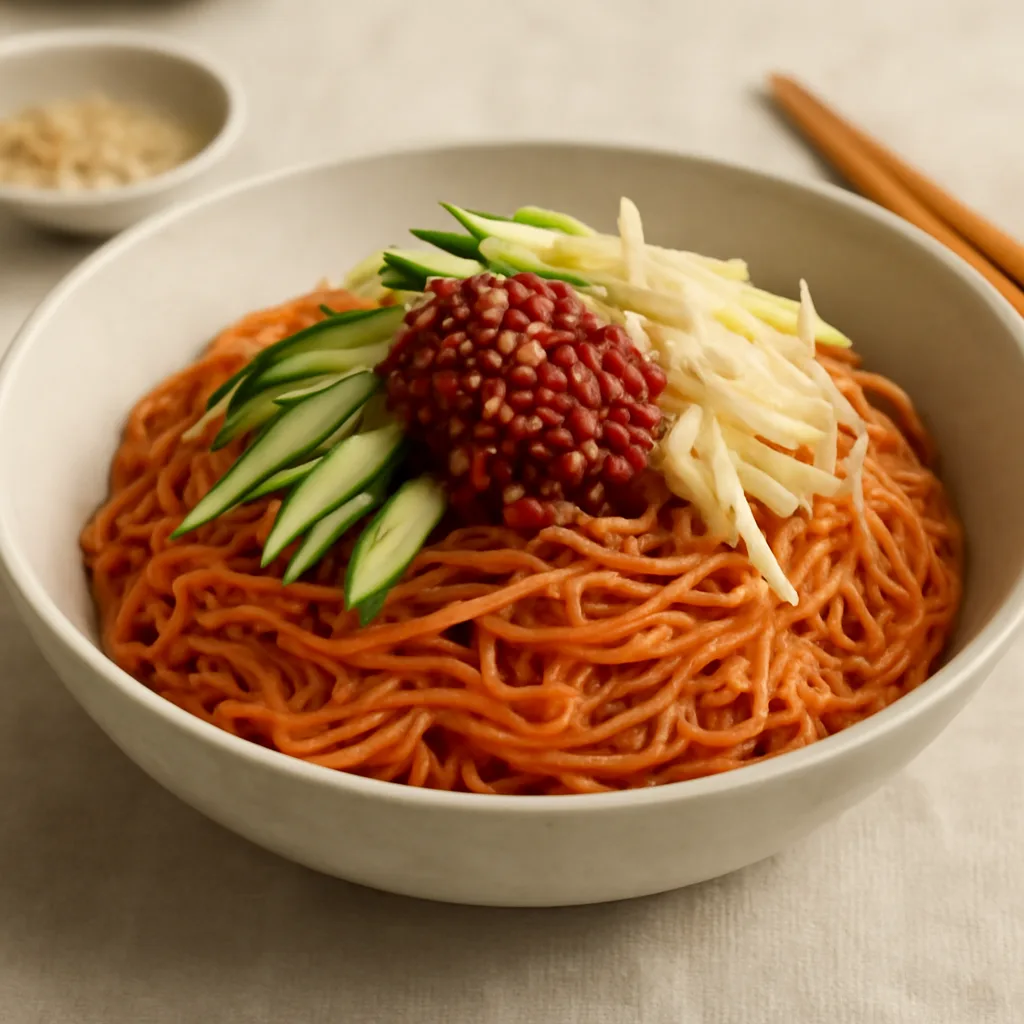
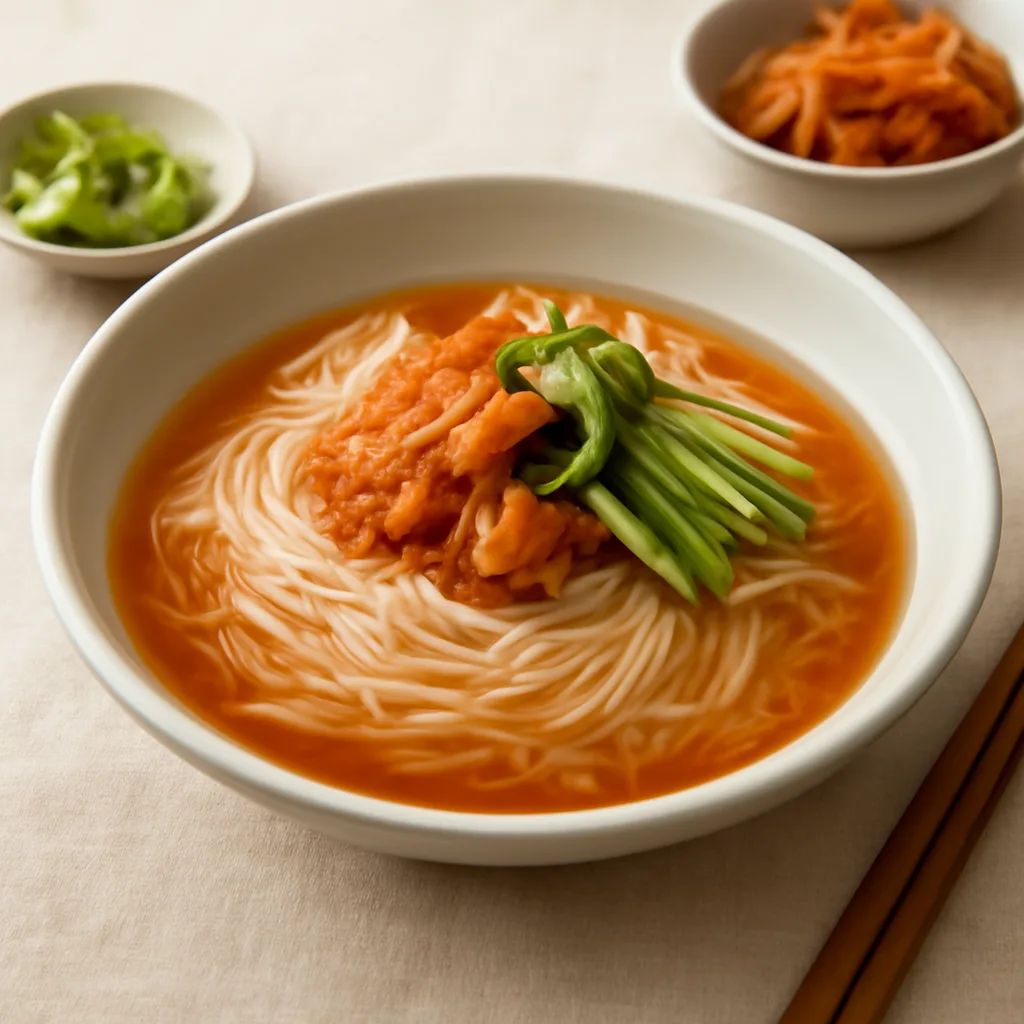
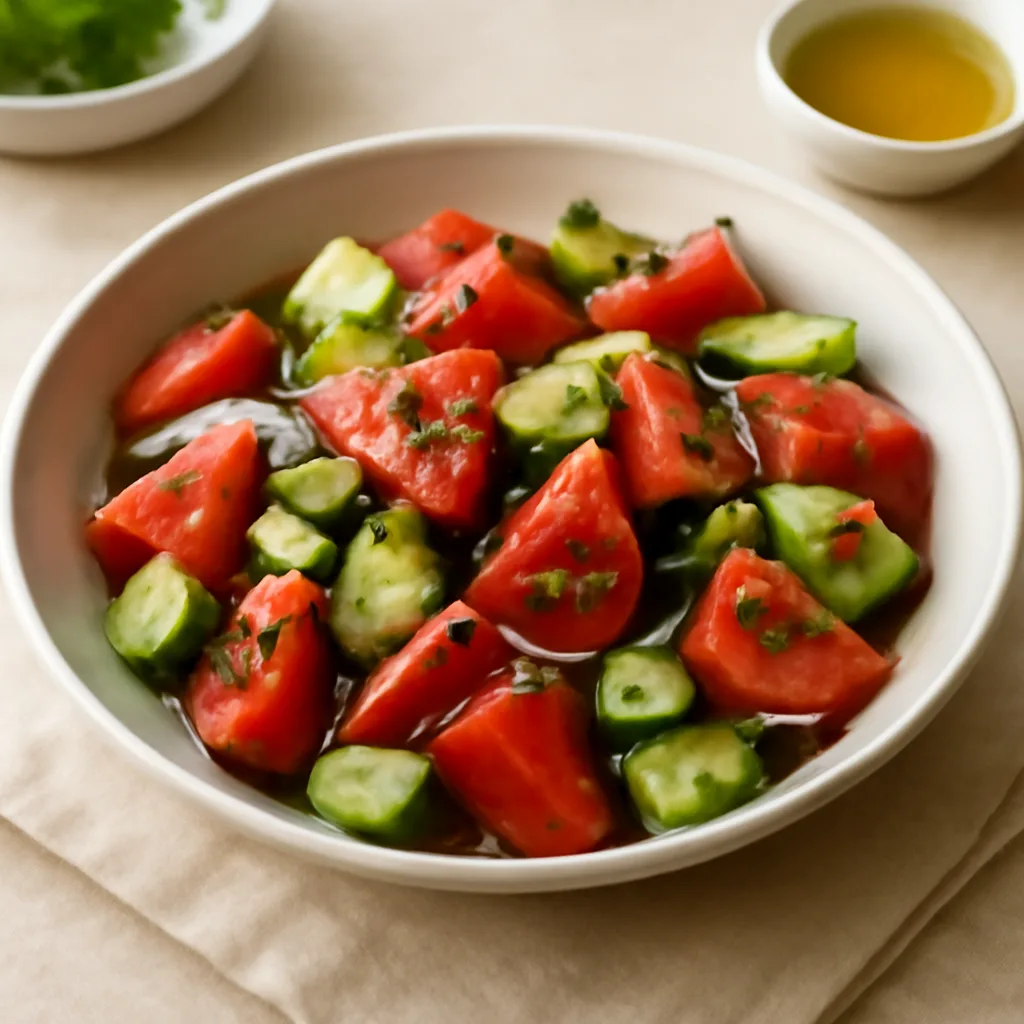
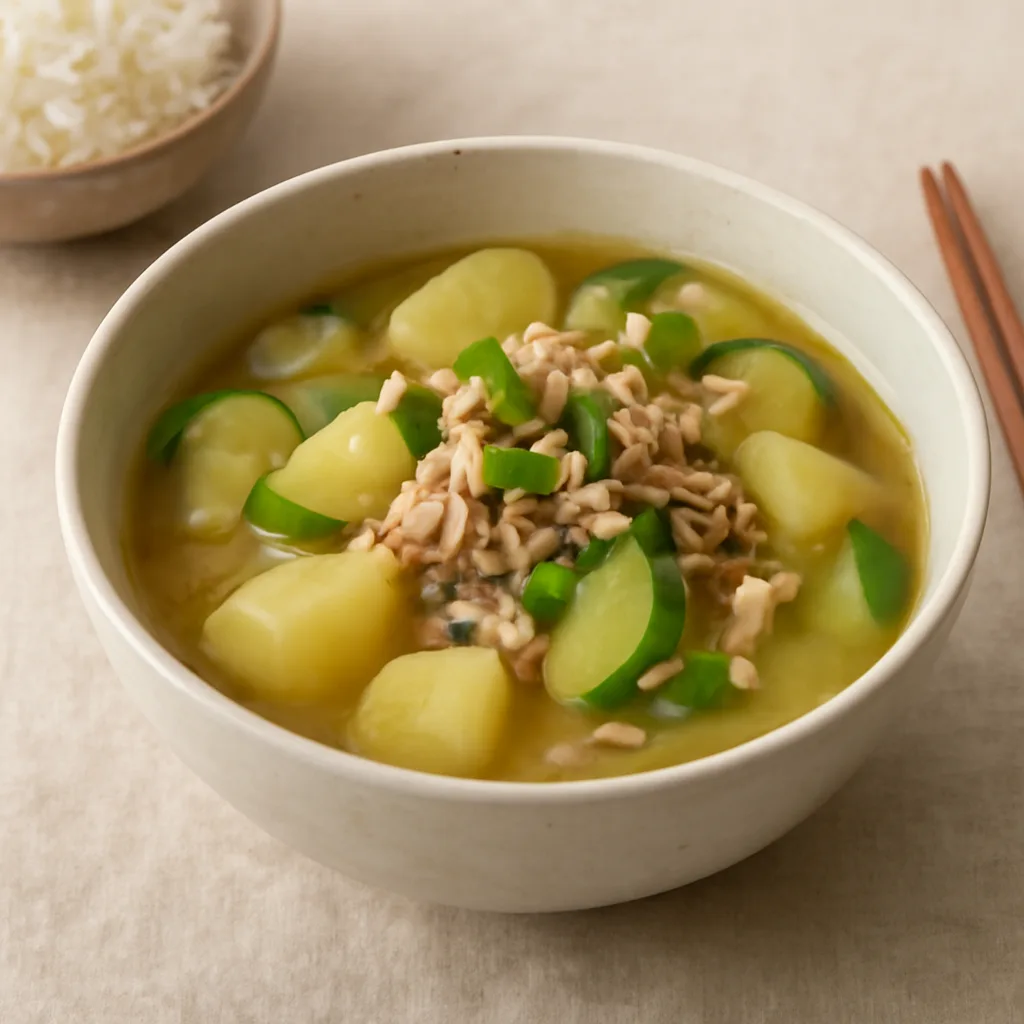
The Korean summer dish guide describes foods chosen for ease of serving, cool temperatures, textures suitable for hot days, short cooking times, and the freshness of seasonal ingredients. While the range spans from cold dishes like chilled noodles, soups, and salads to quick-cooked fried and grilled items, it isn’t necessary to limit it to “cold foods.” When selecting a menu, also consider the table temperature and the cooking environment. On days when standing in front of the stove is burdensome, quick finishing dishes like boiling, blanching, or dressing can be convenient, and when it’s rainy or cold menus aren’t appealing, warm broths or grilled items also fit well for a summer spread. However, presenting only cold dishes can reduce texture and flavor contrast, so it’s good to mix at least one or more elements that are different, such as crunchy vegetables with soft proteins. In summer dishes, it is good to use ingredients that retain moisture, aroma, and color, such as cucumbers, tomatoes, eggplants, zucchini, corn, and leafy greens. Since the flavor is greatly revealed by the quality of the ingredients themselves, it is useful to replace wilted leaves or soft produce with cooked preparations or other ingredients when they look past their prime.
Convient bien à ces personnes
- It is suitable for people who want to prepare a quick one‑meal meal rather than a long, complicated cooking session on hot days.
- It is good to use when you want to eat a bowl or simple side dishes consisting of a mix of noodles, rice, vegetables, and proteins to satisfy a heavy appetite.
- When several people are eating together, you can include one cold menu and one warm menu to accommodate different temperature preferences.
- If the goal is to store for a long time, it is better to prioritize menus that are ready to eat right after cooking rather than moisture-rich raw vegetable-centered dishes.
Guide de sélection des aliments
- Choose a menu with minimal prep that uses pre-prepared noodles or rice and vegetables when mealtime is near and the kitchen is hot. Recipes that require multiple rounds of frying or long simmering can increase heat and dishwashing.
- If raw ingredients like cucumber or tomato are firm and have strong aroma, dishes such as namul, salad, or cold soup suit well. Conversely, if they become soft or watery, switch to grilling, sautéing, or sauce preparation for better stability.
- If the main dish is spicy or sour, pair with a bland rice, tofu, egg, or roasted vegetables to support the flavors. If all seasonings are strong, individual flavors may not stand out.
- When choosing cold noodles or cold soups, check if the broth, seasonings, and toppings can be prepared separately. If mixed together in advance, noodles may become soft and vegetables may release moisture, diluting the flavor.
Ingrédients souvent associés
- Fresh vegetables like cucumber, tomatoes, and lettuce add crunch and a fresh impression; if they look watery, chop and drain lightly before use.
- Summer vegetables such as eggplant, zucchini, and bell peppers are good for grilling or sautéing; when surfaces are too dry or seed areas are soft, cooking methods that heat them may be more suitable than raw dishes.
- Tofu, egg, chicken, fish, and legumes can provide the central sustenance for a meal that may feel incomplete with vegetables and noodles or rice alone. Depending on whether it is served cold or warm, adjust the sauce concentration.
- Vinegar and lemon juice as souring agents, and soy sauce, salt, gochujang, or chili powder as seasonings are commonly used in summer menus, but too much acidity and salinity can mask the natural sweetness and aroma of ingredients.
Méthodes de cuisson compatibles
- Blanching and boiling are suitable for quickly preparing leafy greens or noodles; after cooking, spread them wide to cool quickly or rinse briefly in cold water and drain well.
- Seasoning with a sauce is best avoided when mixing raw vegetables like cucumbers; mix just before serving or keep vegetables and sauce separate until combined.
- Grilling and sautéing are useful for ingredients like eggplant and zucchini that soften when cooked. If the pan isn’t well heated or you cook in large batches, moisture may release and the result may resemble braising more than sautéing, so cook in portions.
- Cold soups or sauces should be seasoned after they have cooled; at cold temperatures, taste perception changes, so avoid strong seasoning from the start.
Conseils pour les débutants
- Start simply by fixing one main ingredient, one protein, and one flavor direction. As ingredients and seasonings increase, balancing moisture and salt becomes harder.
- If you rinse vegetables but leave surface moisture, the sauce can become watery. Drain well using a sieve or paper towel before mixing.
- If the noodles stick together or sauces don’t coat evenly, it may be due to insufficient rinsing and drying after boiling. Rinse noodles thoroughly, shake off the water, and mix the sauce just before eating.
- If you are worried about spiciness or sourness, don’t add all seasonings at once; add more at the end. Strong flavors at the start have less room to be adjusted.
Conseils pour composer le menu
- When planning a meal, divide roles as one cold dish, one cooked dish, and one carbohydrate- or protein-centered item to keep the spread interesting.
- On days with noodles as the main focus, like cold noodles or bibim noodles, add simple sides such as grilled vegetables, boiled eggs, or tofu to avoid over-extending the menu.
- When serving raw vegetable namul and cold soup together, adjust the flavor profiles differently. If both are bright and sour, one should be kept mild to avoid repetition.
- For occasions with longer preparation times, keep the namul ingredients and sauces separate and combine noodles, vegetables, and broth just before serving. Conversely, for a family meal that is eaten immediately, you can simplify to a one-bowl option to reduce cooking heat.
Les aliments inclus dans ce thème
Voici les aliments inclus dans ce thème, classés par nombre de vues parmi les aliments publics de CookPagoda.