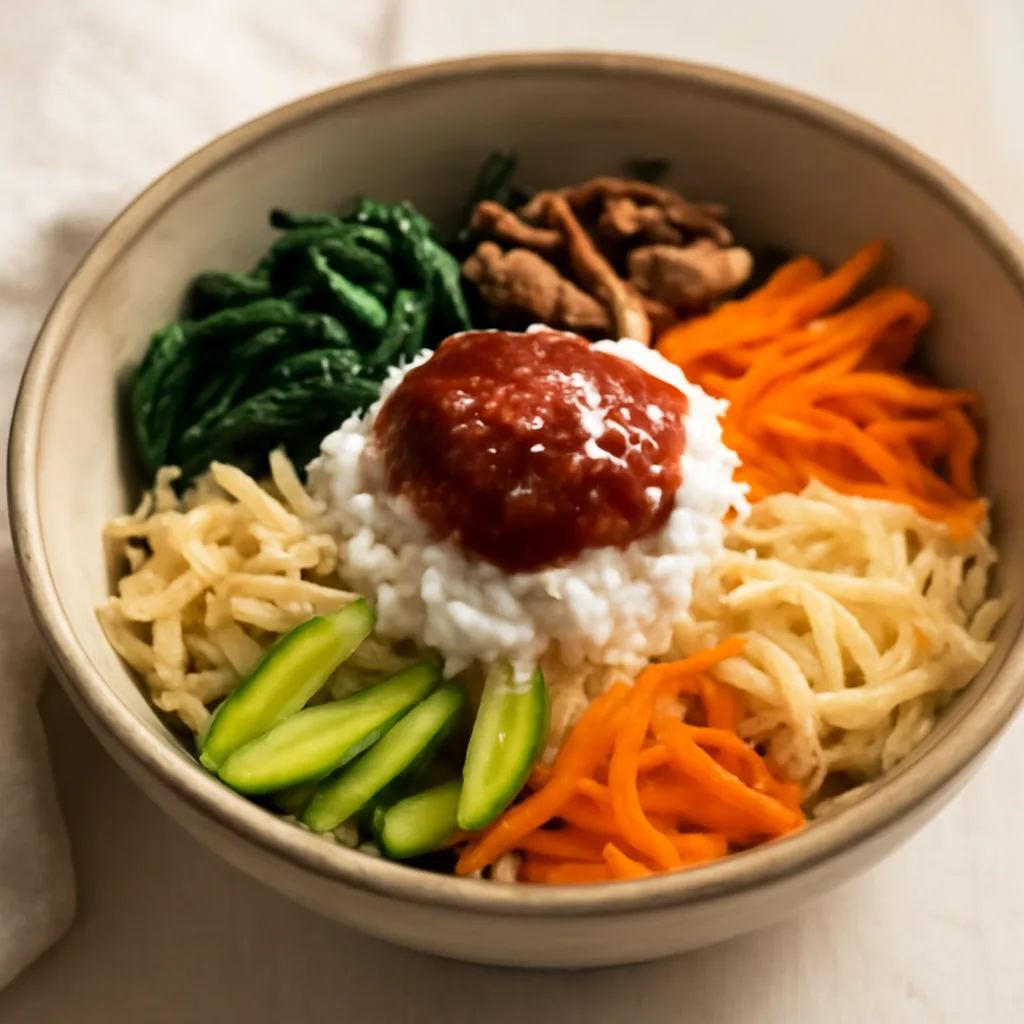
Guide de thème
Découvrez les critères de sélection des aliments et les idées de recettes correspondant à ce thème.
Nourriture nutritive
1
Nutritional foods are easy to choose when you think less about finding one special ingredient and more about combining ingredients that provide protein-rich foods, vegetables, grains, and fats within a single meal without strain. The role of a dish at the table can change depending on the amount of vegetables, accompanying sauces, and the composition of staples, even for the same menu name. When choosing, first check whether the plate is not too skewed toward one color or group of ingredients. For example, if a menu centers on fried items and sweet sauces, the flavors of the main ingredients can be hidden, so adding more vegetable side dishes or a light staple can help balance. However, you don’t need to make every meal complex; when time or budget is limited, it is practical to reduce the number of basic ingredients and compensate with different ingredients at the next meal.
Convient bien à ces personnes
- When you’re unsure what to eat at every meal, this is suitable for people who want to compose meals based on ingredient groups.
- Useful when you want to control multiple parts of a meal (rice, soup, side dishes or salad) rather than finishing with a single menu.
- If you prefer simple cooking, start with ingredients that require little prep such as boiled eggs, tofu, beans, and frozen vegetables.
- On days when strong seasoning or a crisp texture is the core of the meal, this criterion may not fully satisfy; it’s better to enjoy your favorite menu in small portions and adjust the rest of the composition.
Guide de sélection des aliments
- Check which of protein foods, vegetables or fruits, grains, or starchy foods are missing from the menu. If one item is hardly visible, the ingredient composition may be monotonous, so try adding one as a side.
- Prioritize recipes where the ingredients are visible. If sauces and batters are thick, it can be hard to judge the amount of the main ingredient; compare with dishes like grilled, steamed, or soupy where the ingredients are more apparent.
- When choosing menus with a lot of rice or noodles, ensure vegetables and protein ingredients are sufficiently present separately. If there are few sides, it’s practical to add vegetable side dishes, eggs, or tofu rather than reducing all rice or noodles.
- Nuts, cheese, and dressings add flavor with a small amount and can have a strong presence; if the flavor feels heavy or other ingredients are muted, serve the sauce separately and add only as needed.
Ingrédients souvent associés
- Beans, lentils, chickpeas, tofu, eggs, fish, lean meat can be easy core ingredients for meals, and it’s good to rotate rather than relying on a single one.
- Using colorful and texturally varied vegetables like spinach, broccoli, mushrooms, tomatoes, carrots keeps one plate from being monotonous.
- Brown rice, oats, barley, potatoes, sweet potatoes, whole-wheat bread can be chosen as staples or sides; starting with familiar ingredients makes cooking feel easier.
- Ingredients like nuts, seeds, olive oil, avocado can add flavor and texture, but if used in excess they can mask other ingredients’ flavors, so it’s best to use them as finishing touches.
Méthodes de cuisson compatibles
- Steaming and blanching help preserve color and texture of vegetables simply, making them suitable for meals with multiple ingredients. If vegetables become too soft, reduce cooking time and add them at the end.
- Grilling and sautéing add roasted aroma to proteins and vegetables. If the pan is too cold or too crowded, moisture releases; cook in batches or use high heat briefly.
- Soups, stews, and hot pots are convenient for a bowl that includes beans, tofu, vegetables, and grains. However, boiling too long can make textures similar, so add firmer ingredients first in sequence.
- Fresh vegetable salads can be quick to prepare, but may not suit those who find cold, raw textures burdensome; in that case, lightly cooking some vegetables or blanching them and mixing with warm ingredients can help.
Conseils pour les débutants
- Start with a small framework: one protein, two vegetables, and one staple rather than many ingredients from the outset. If the plate looks bare, add simple side dishes like a soup or fruit before increasing ingredients.
- When using frozen vegetables or canned beans, check their prepared state. If canned beans taste salty or strongly flavored, rinse with water and adjust seasoning.
- Overcrowding the pan is a common reason vegetables get soft; cook in batches and combine at the end.
- Don’t add a lot of seasoning at first. If flavors are blurred or salty, rather than adding water or more vegetables to fix it, adjust seasoning gradually at the finishing stage next time.
Conseils pour composer le menu
- If you repeat the same core ingredient across the week, vary the preparations and sides to keep meals from becoming dull. For example, use tofu in grilling, soups, and stir-fries with different vegetables and staples.
- When prepping in advance, separate ingredients that take longer from those used immediately. If you prepare grains first, you can quickly add vegetables and protein to form a meal on busy days.
- If it’s hard to match all ingredient groups in one meal, review gaps by day. If lunch has few vegetables, choose a soup or side dish with more vegetables for dinner.
- For hosting or family meals, offer a common plain base dish and serve spicy sauces, nuts, or herbs separately. This reduces the risk of one dish being rejected due to differing tastes.
Les aliments inclus dans ce thème
Voici les aliments inclus dans ce thème, classés par nombre de vues parmi les aliments publics de CookPagoda.