재료 백과
재료의 특징과 요리에서 활용하는 방법을 확인해 보세요.
kimchi
1
2
Kimchi is a seasoned, fermented vegetable side dish and cooking ingredient, most often made with napa cabbage or radish. In the kitchen, it brings sourness, saltiness, chile heat, garlic-like pungency, and a savory fermented depth that can season a dish as well as provide its main vegetable element. Use it straight from the jar for a crisp, lively contrast, or cook it into rice, noodles, pancakes, braises, and stews. The liquid is valuable too: a spoonful can sharpen a broth, sauce, or fried rice, though its salt level and intensity vary widely. Taste both the solids and brine before adding extra salt or acid. Kimchi changes noticeably as it ferments. A fresher batch tends to taste brighter and retain more crunch, while a more mature, sour batch is especially useful where it will be cooked. Very soft or strongly acidic kimchi may be less appealing as a raw garnish but can give a stew or sauté a fuller, more integrated flavor.
맛과 식감
Its flavor is tangy and salty with varying chile warmth, savory fermented notes, and aromatics such as garlic, ginger, or scallion depending on the style. Some kimchi is mildly sweet or fruity; others are sharply sour and assertive. Raw kimchi can be crisp and juicy, particularly cabbage and radish versions. Heat softens the vegetables and rounds off some of the fresh sharpness, while concentrating its savory, acidic character in the surrounding sauce or cooking liquid.
주요 활용법
- Serve kimchi cold alongside rice, grilled meats, eggs, or simple soups when a salty, acidic counterpoint is wanted. If it tastes especially sour, balance the meal with mild rice, rich pork, tofu, or a fried egg rather than adding more acid.
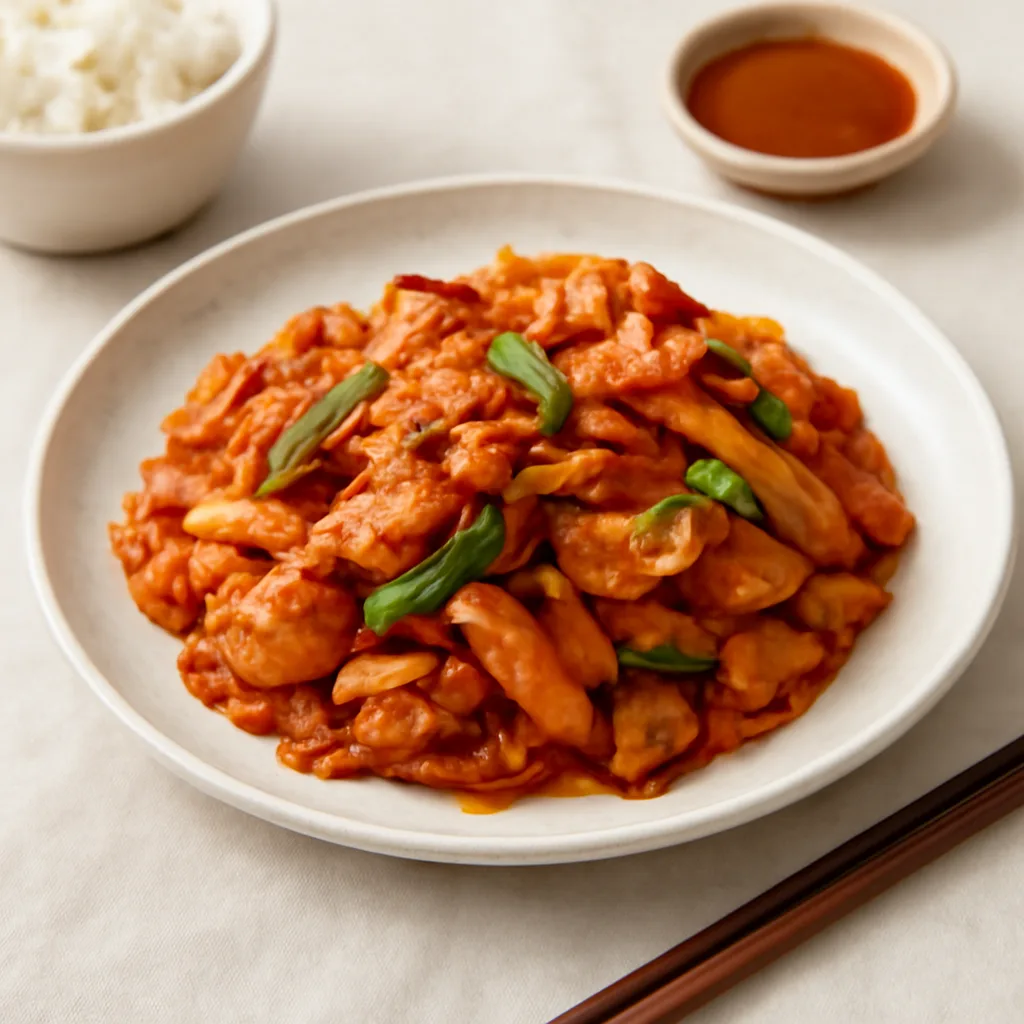
- Chop kimchi for fried rice, noodle stir-fries, savory pancakes, dumpling fillings, or omelets. Small pieces distribute the seasoning evenly; leave larger pieces when the kimchi itself should remain a distinct component.
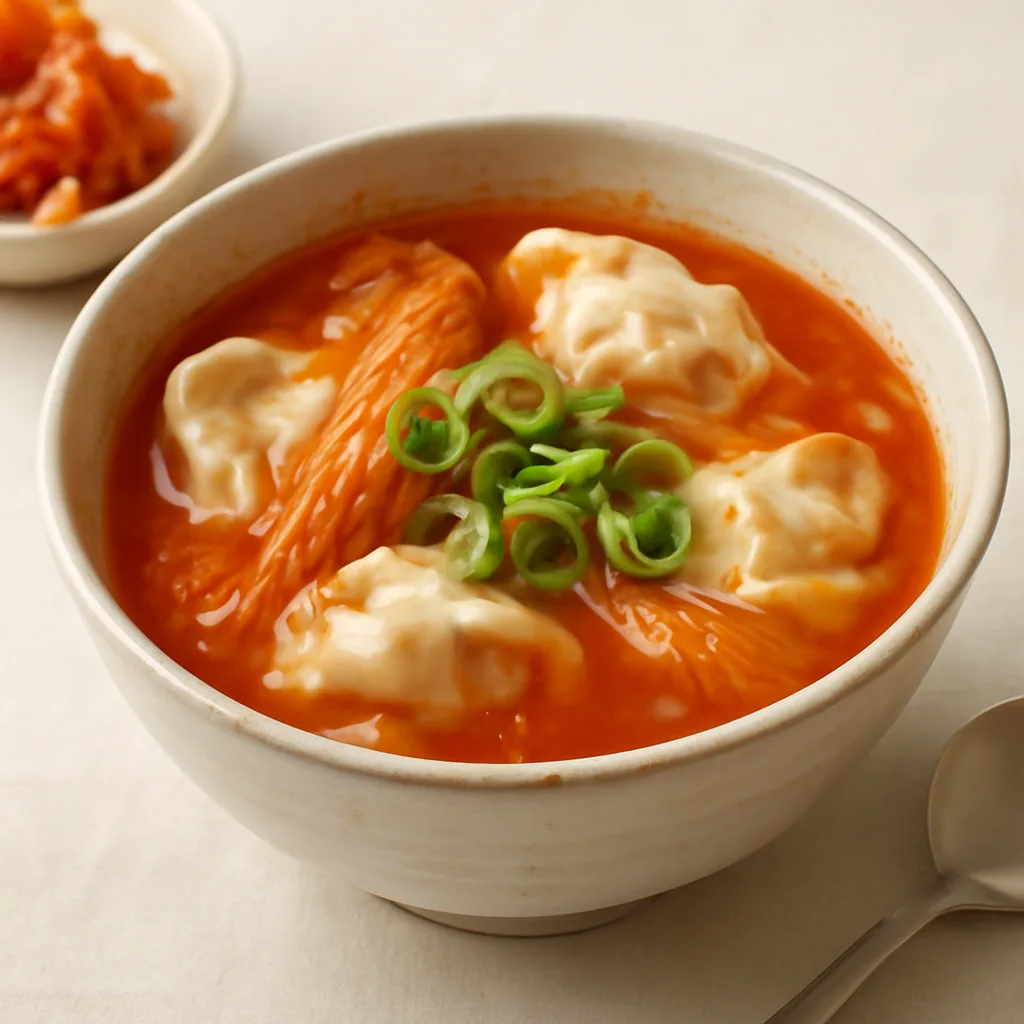
- Add mature kimchi and some brine to soups or stews, where it can form a bold acidic base with tofu, pork, seafood, or mushrooms. Add the brine gradually because a small amount may already provide enough salt and tang.
- Cook it briefly with fatty ingredients such as pork belly, bacon, or oil before adding rice or broth. This can mellow harsh raw aromatics, but it is not ideal when the goal is to preserve crisp texture and fresh fermentation character.
손질 팁
- Taste a piece and a little brine before choosing how to use it. If it is crunchy and only lightly sour, reserve some for finishing; if it is soft and sharply sour, use it in a cooked dish where that intensity can be diluted and balanced.
- For fried rice or fillings, squeeze or drain very wet kimchi lightly and chop it to a consistent size. Excess liquid can make the pan steam rather than fry, so add a measured spoonful of brine later if the dish needs more flavor.
- Separate large cabbage leaves or thick radish pieces before cooking so they heat evenly. If the pieces are very long, cut them into bite-size lengths to make pancakes, noodles, and rice dishes easier to eat.
- When using kimchi in a broth, begin with less added soy sauce, salt, or stock concentrate than usual. The broth may become adequately seasoned as the kimchi cooks, and a final adjustment is safer than trying to correct an overly salty pot.
조리할 때의 특징
- A short sauté softens kimchi and releases its seasoned juices into fat, creating a more unified base for rice, noodles, or meat. If the pan looks watery instead of sizzling, raise the heat or cook the kimchi briefly on its own before adding other moist ingredients.
- Longer simmering softens the vegetables substantially and spreads sour, savory flavor through a stew. This suits mature kimchi, while fresh crunchy kimchi can lose the texture that makes it enjoyable if simmered too long.
- The acidity can make a dish taste brighter but may dominate delicate ingredients. In a mild broth or with subtle fish, add kimchi in stages and stop when the sourness is present without masking the main ingredient.
- High heat can brown some of the sugars and aromatics at the edges, adding depth, but scorched chile flakes or garlic can taste bitter. Stir once the kimchi begins to stick and add a little liquid or fat if dark spots develop too quickly.
잘 어울리는 조합
- Pair kimchi with plain rice, noodles, potatoes, or mild grains to absorb its salty brine and temper the acidity. Rich ingredients such as pork, beef, eggs, cheese, tofu, and oily fish can provide a useful counterweight to its sharpness.
- Sesame oil, scallions, garlic, mushrooms, seaweed, and lightly sweet sauces often complement kimchi’s savory profile. Use sweetness sparingly: a small amount can soften an aggressively sour batch, while too much can make the dish taste muddled.
- For a simple contrast, combine raw kimchi with cool or creamy components such as tofu, a soft egg, or a mild mayonnaise-based sauce. This approach is less suitable for kimchi that is already very salty, since creamy accompaniments do not remove excess salt.
대체할 때 참고할 점
- No single substitute reproduces kimchi’s combination of fermented tang, chile seasoning, salt, and vegetable texture. The best replacement depends on whether the dish needs crunch, acidity, heat, or a savory fermented base.
- For raw garnishes or sandwiches, sauerkraut with a little chile paste, hot sauce, or chopped fresh chile can provide tart crunch, though it will taste less garlicky and differently seasoned. Drain it if excess liquid would make the dish soggy.
- For soups, stews, and fried rice, use sauerkraut, pickled cabbage, or another tangy fermented vegetable, then adjust with chile, garlic, and a small amount of soy sauce or miso as needed. Add these seasonings gradually because the substitute may be much saltier or less acidic than the kimchi called for.
- If only the brine is needed, a modest combination of pickle brine and a spicy condiment can add tang and heat, but it lacks kimchi’s vegetable solids and fermented complexity. This is most workable in sauces or broths, not in dishes where visible kimchi pieces are central.
실제 음식에서 자주 함께 쓰이는 재료
CookPagoda에 등록된 공개 음식의 대표 재료 동시출현 횟수를 기준으로 집계합니다.
이 재료가 사용된 음식
CookPagoda의 공개 음식 중 이 재료가 대표 재료로 포함된 음식을 조회수 순으로 보여드립니다.