สารานุกรมวัตถุดิบ
ตรวจสอบลักษณะของวัตถุดิบและวิธีการใช้งานในอาหาร.
김치 만두
1
2
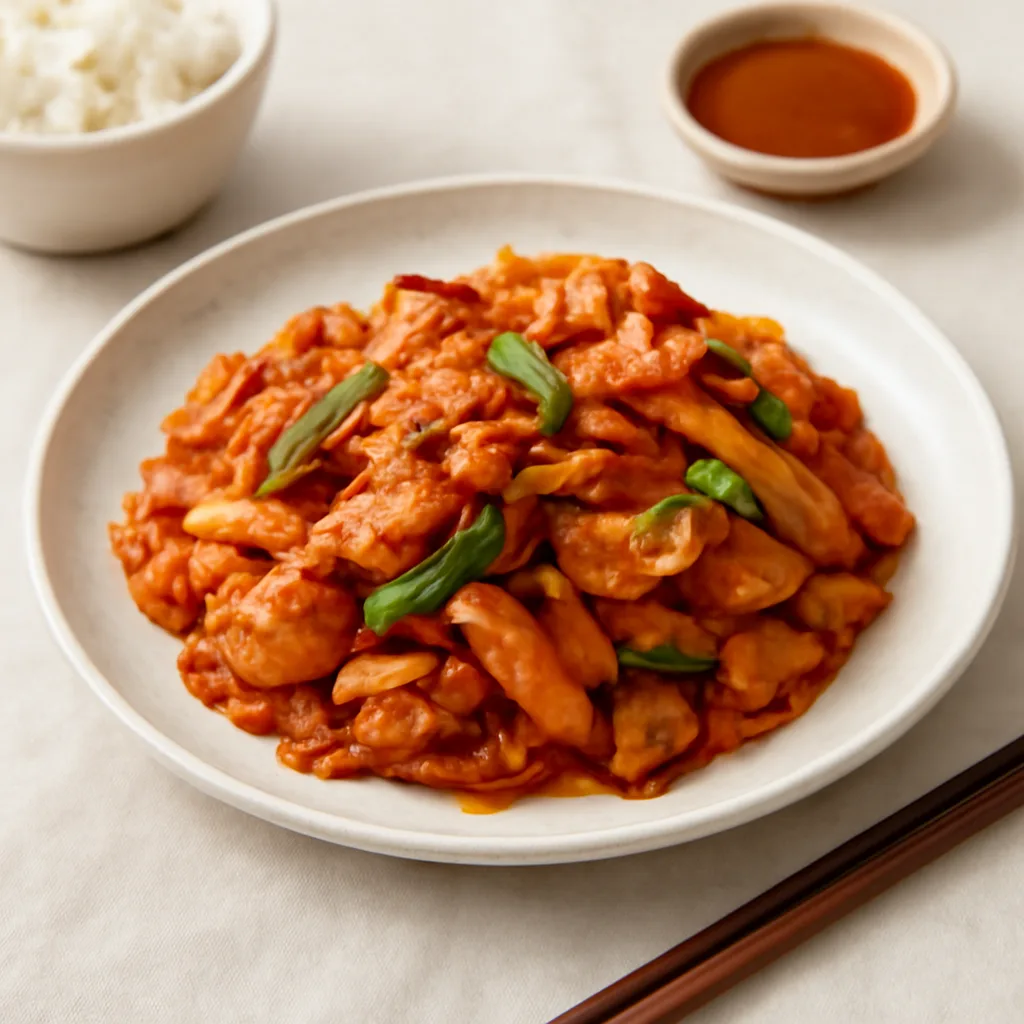
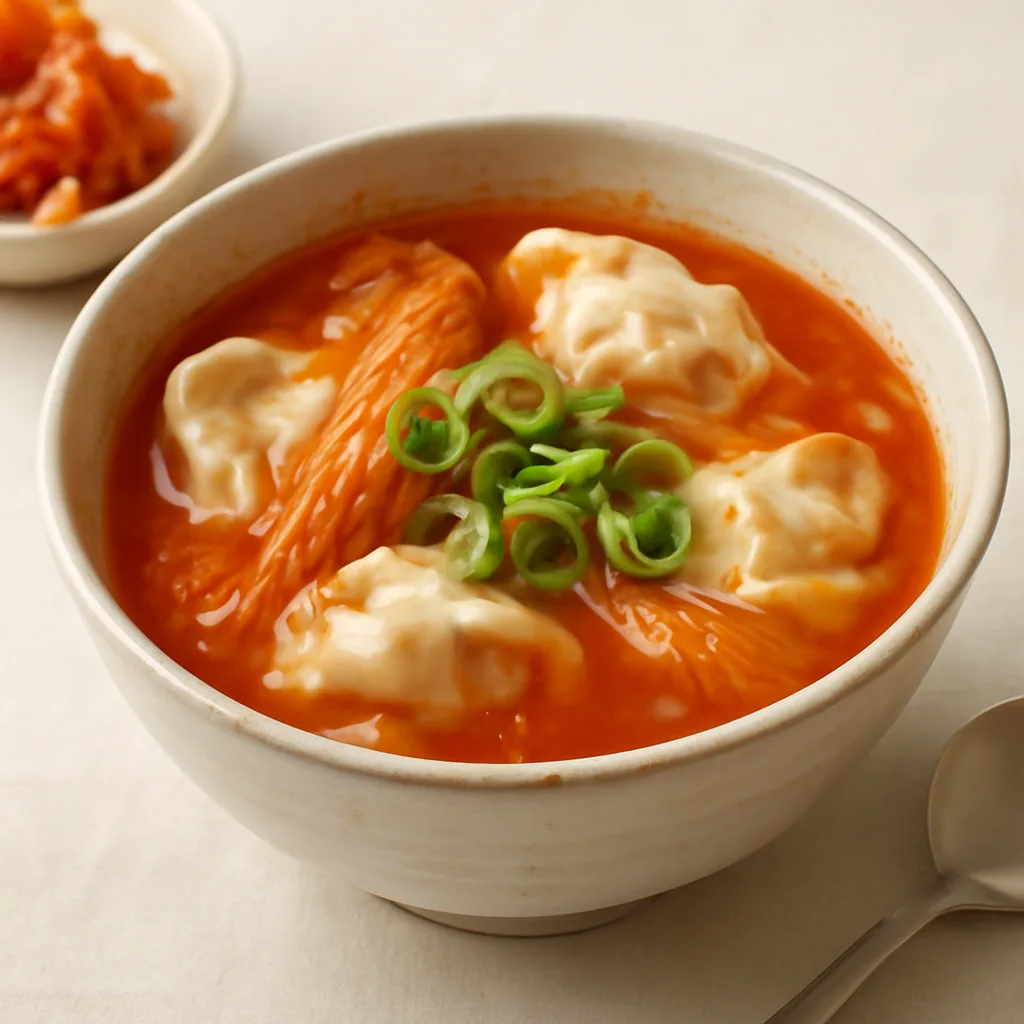
Kimchi-mandu is a spicy Korean-inspired dumpling with a filling where kimchi provides the characteristic sour-spicy note. It is often offered frozen or fresh and can be steamed, boiled, pan-fried, or cooked in soups. In the kitchen, the method of preparation is decisive: steamed or boiled Mandu stay soft and juicy, while in the pan they get a crispy bottom. The kimchi portion often already brings salt, chili heat, and moisture; additional seasoning and liquid in the dish should be assessed towards the end. Kimchi-mandu works as a snack with dip as well as an addition to broths, with rice, or as part of a mixed meal. For very mild dishes, the strong filling can dominate; in those cases, neutral dumplings or a smaller amount are often the more suitable choice.
รสชาติและเนื้อสัมผัส
The flavor is typically spicy, salty, and slightly sour, with a fermented kimchi note and a hearty filling. How hot and intense it is depends strongly on the product and filling proportion. The dough becomes elastic and tender when steamed, soft when boiled, and crispy on the bottom when pan-fried. A well-cooked mandu is hot and juicy inside; if it bursts open or the filling seems watery, the heat was likely too strong or the cooking time too long.
วิธีการใช้งานหลัก
- Kimchi-mandu can be steamed as an appetizer or small snack, for example with a dip made from soy sauce, vinegar, and a bit of sesame oil. Since the filling already brings seasoning, salt the dip sparingly at first.
- In a clear broth it becomes a quick soup component. Add the mandu to the barely simmering liquid so the dough shell doesn’t rub against others and crack.
- Pan-fried mandu are suitable with rice, cucumber salad, or briefly fried vegetables. A little water after browning generates steam for the dough; then cook uncovered so the bottom side dries and becomes crispy again.
- It can also be cut small as part of a rice bowl. This use is less suitable when a clearly structured, very light bowl is desired, as the filling flavors the sauce and rice quite a bit.
เคล็ดลับการเตรียมอาหาร
- Frozen kimchi-mandu do not need to thaw for most methods. Cooked directly from the freezer retains their shape more; defrosted dumplings stick together more and tear more easily when transferring.
- For the pan, choose a single layer with some space between items. When the bottoms are golden brown but the center still seems cold, add a little water, cover, and steam over medium heat.
- When steaming, oil the rack lightly or line with parchment. If the dough sticks when lifting, the wrapper may tear and filling can be lost; let it rest briefly before removing and release carefully.
- For soup or broth do not drop the mandu into boiling, vigorously. Gentle simmer reduces bumps against the pot bottom and other dumplings, which is helpful especially with thinner wrappers.
ลักษณะเมื่อปรุงอาหาร
- During heating, the dough wrapper becomes soft and more translucent while the filling heats up and releases liquid. If the mandu are plump, but the seam is still closed and the center is fully hot, they can be served.
- Strong, long cooking can cause the wrapper to swell and the acidity and seasoning of the filling to leach into the cooking liquid. That may be desirable for a robust soup, but undesirable if the broth should stay clear and restrained.
- Pan-frying creates a crust only if the surface is sufficiently dry. If excess moisture is left in the pan after steaming, the dough becomes soft; remove the lid and let the liquid evaporate.
- The filling can release aromatic liquid during cooking. In a crowded, overfilled pan it collects more quickly and prevents browning, so cook in portions.
การจับคู่ที่เข้ากันได้ดี
- A sour-fresh dip with soy sauce and rice vinegar complements the spicy filling without forcing additional heat. Scallions or toasted sesame seeds can add aromatic notes.
- Neutral accompaniments like steamed rice, mild broth, or blanched spinach balance salt, acidity, and heat well. With already strongly seasoned kimchi or a hot sauce, another hot accompaniment is often too dominant.
- Crisp, cool vegetable side dishes provide contrast to the soft dough. Very creamy or strongly sweet sauces can overpower the kimchi note and only fit if that contrast is explicitly desired.
ข้อควรพิจารณาเมื่อใช้แทนที่
- Instead of kimchi-mandu you can use other filled dumplings, but the acidity and chili heat must then be added separately, for example by finely chopped kimchi as a side or a flavorful dip. This is particularly sensible if the desired cooking method is more important than the exact filling.
- For soups, vegetable, meat, or tofu dumplings also work, provided they are stable enough to cook in broth. A milder variant changes the dish noticeably; adjust broth and garnish with stronger seasoning as needed.
- If no dumplings are available, kimchi with rice or noodles can provide a similar spicy direction, but does not replace the juicy filling or the texture of the wrapper. For a dish that relies on crispy-fried mandu, this substitute is not equivalent.
วัตถุดิบที่มักใช้ร่วมกันในอาหารจริง
สถิติจากจำนวนการปรากฏของวัตถุดิบหลักในอาหารที่เปิดเผยใน CookPagoda.
อาหารที่ใช้วัตถุดิบนี้
แสดงอาหารที่มีวัตถุดิบนี้เป็นวัตถุดิบหลักใน CookPagoda ตามลำดับการเข้าชม.