สารานุกรมวัตถุดิบ
ตรวจสอบลักษณะของวัตถุดิบและวิธีการใช้งานในอาหาร.
Plain yogurt
6
7
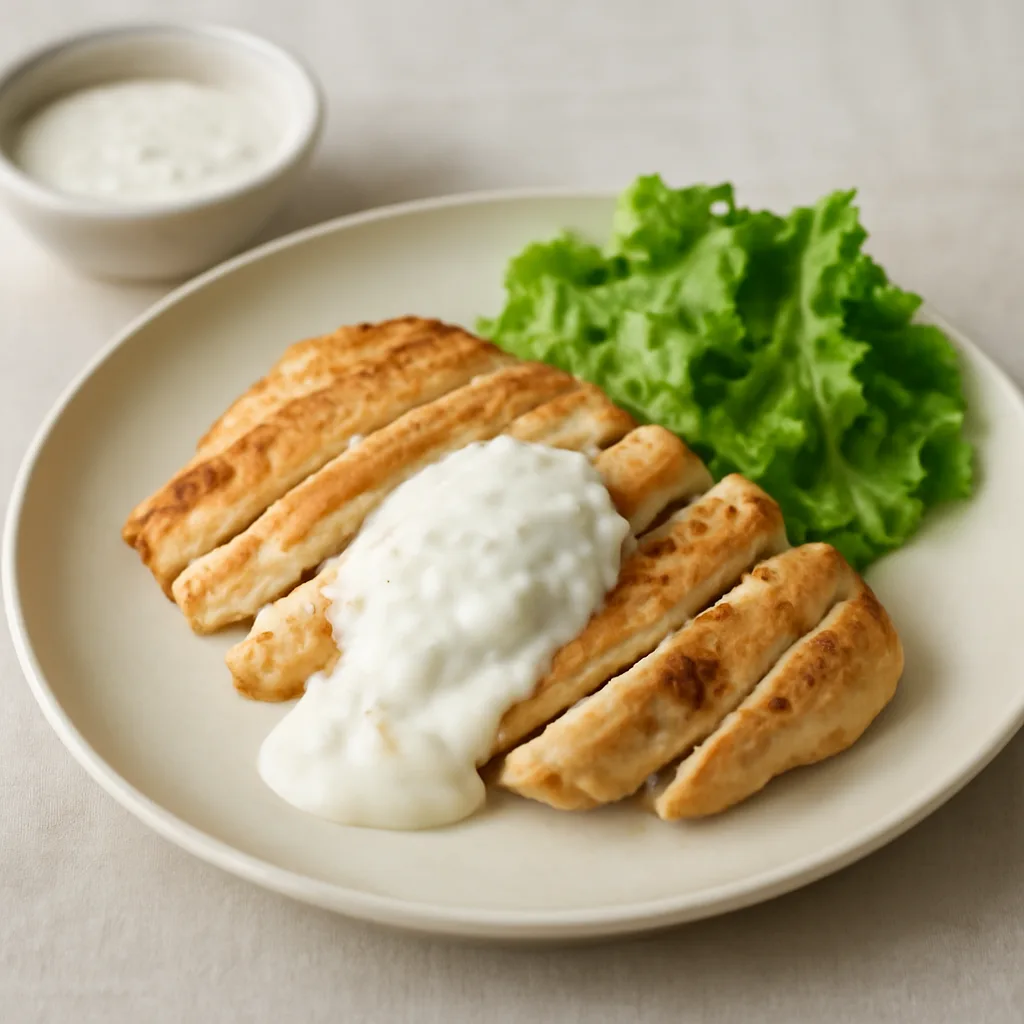
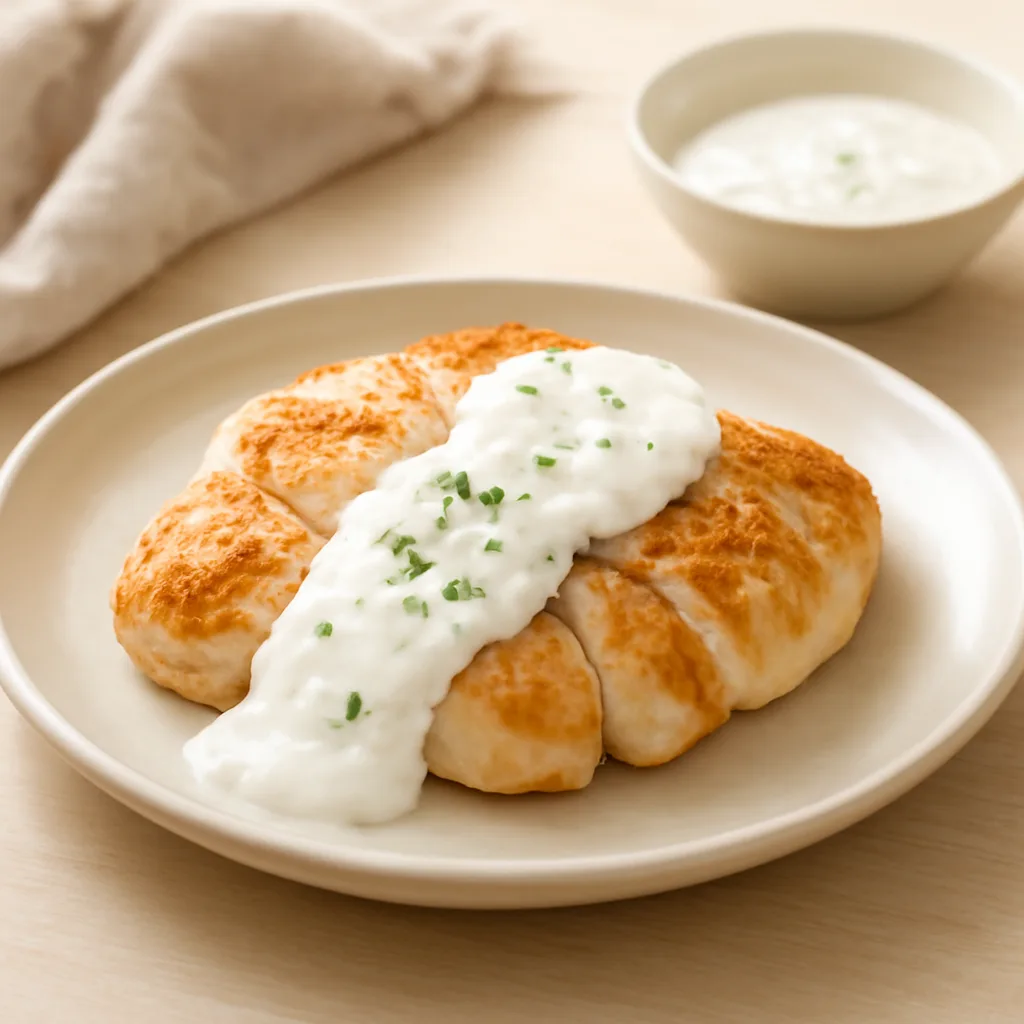
Plain yogurt is yogurt without added sugar, fruit flavorings, etc., and it’s good to use when you want a bright acidity and smooth texture in dishes. Its consistency varies from thin plain yogurt to thick varieties and drained yogurt, so the sauce flow and dough moisture can differ. Chilled, it pairs well with dressings, dips, and breakfast; when cooked, it adds acidity and creaminess to soups, curries, and stews. However, if simmered for a long time at high heat, the proteins can coagulate and separate, so for dishes needing a smooth finish it’s better to lower the heat or add it at the end. Taste a spoonful first to determine its use and reduce the chance of failure. If the product is quite tart, adding lemon or vinegar in the dish can make the acidity overpowering, so add acidic ingredients gradually to balance.
รสชาติและเนื้อสัมผัส
A mild dairy flavor with subtle or pronounced acidity; texture varies with fat content and thickness. Regular plain yogurt is soft and relatively fluid, while thicker varieties are creamier and give sauces body. When cold, the acidity is more noticeable, and when warmed in dishes the flavor becomes more rounded. However, prolonged exposure to high heat can cause small granules or clear whey separation instead of a smooth texture.
วิธีการใช้งานหลัก
- Mix with cucumber, herbs, and garlic to make cold dips or side sauces, adding freshness to vegetables, roasted meat, and flatbreads.
- When making a salad dressing, adding olive oil and spices yields a creamier texture than a dressing made with only vinegar. However, avoid mixing too much with leafy greens ahead of time, or they will release moisture and wilt; mix just before serving.
- Add to the finish of curries, stews, and soups to enhance acidity and creaminess. Rather than adding it all while boiling, reduce the heat slightly and stir before adding to minimize separation.
- In baking, use as an ingredient that adds moisture and acidity. If the batter looks too thin, reduce other liquids or choose a thicker yogurt.
- It can also be used as a thin glaze by brushing onto meat or vegetables; because of the acidity, surface texture and flavor can change if left for a long time, so adjust the time to the cooking purpose.
เคล็ดลับการเตรียมอาหาร
- If the whey separates in the container before use, mix first to uniform the thickness. For thicker dips or toppings, strain briefly to remove moisture, but keep the liquid for soups or batters where moisture is needed.
- When adding to hot dishes, gradually whisk in a small amount of warm stock or sauce to raise the temperature, then add to the pot. Skipping this step and adding cold yogurt to boiling liquid can cause granules from the temperature difference.
- Mix seasonings like garlic, herbs, and salt in advance to distribute flavor evenly. However, for ingredients with a lot of water, like cucumbers or tomatoes, drain moisture or add just before serving to prevent thinning the sauce.
- When baking, ensure the yogurt has a similar consistency to the recipe; using drained yogurt in the same amount can make the batter stiff, so you may need to compensate with additional liquids.
ลักษณะเมื่อปรุงอาหาร
- Plain yogurt tends to maintain a smooth texture more easily when warmed gently at lower temperatures rather than simmered vigorously. If you start to see small clumps on the surface, reduce heat and avoid further boiling.
- Lower-fat, thinner products may separate more noticeably in hot acidic sauces. For dishes where a perfectly smooth sauce is important, use a thicker yogurt or add it at the end and heat briefly.
- Adding yogurt to soups or curries can mellow the acidity and heat, but in dishes with strong tomato, vinegar, or lemon flavors, the taste may become sharp. In such cases, reduce the yogurt amount or balance with a small amount of sweetness or fat.
- In batters, acidity can interact with baking soda; if a recipe assumes baking soda, removing yogurt can change the result. With baking powder-based batters, acidity has less effect but moisture still needs adjustment.
การจับคู่ที่เข้ากันได้ดี
- Pair with herbs like mint, dill, and parsley, plus garlic, cucumber, and olive oil to keep cold sauces fresh.
- When mixed with warm, aromatic spices like cumin, coriander, paprika, or chili, the acidity supports the spice’s bold profiles.
- Roasted eggplant, zucchini, or carrots, which have natural sweetness, benefit from yogurt’s acidity as a contrast. If vegetables are already heavily seasoned with vinegar or lemon, use only a small amount of yogurt for balance.
- In spicy curries or spice-stir-fries, using yogurt as a side can mellow the heat; however, adding it directly to hot pans can cause separation and is not suitable.
ข้อควรพิจารณาเมื่อใช้แทนที่
- For cold dips or dressings, sour cream can be a substitute, but it is typically richer and with a different acidity; adjust with milk or water to achieve desired thickness.
- If a creamier texture is the goal, consider crème fraîche or smooth dairy; note that different products react to heat, so test with a small amount first in a boiling sauce.
- In baking, buttermilk can be an alternative but will be much thinner, so replacing by volume may increase batter moisture; adjust by reducing other liquids accordingly.
- In dairy-free recipes, unsweetened plant-based yogurts are the closest substitute, but flavor and thickness vary among soy, oat, and coconut-based products. Spices in strong curries may tolerate it, but in mild sauces or baking, the flavor of the original ingredient may come through.
วัตถุดิบที่มักใช้ร่วมกันในอาหารจริง
สถิติจากจำนวนการปรากฏของวัตถุดิบหลักในอาหารที่เปิดเผยใน CookPagoda.
อาหารที่ใช้วัตถุดิบนี้
แสดงอาหารที่มีวัตถุดิบนี้เป็นวัตถุดิบหลักใน CookPagoda ตามลำดับการเข้าชม.