สารานุกรมวัตถุดิบ
ตรวจสอบลักษณะของวัตถุดิบและวิธีการใช้งานในอาหาร.
Ground beef
1
3
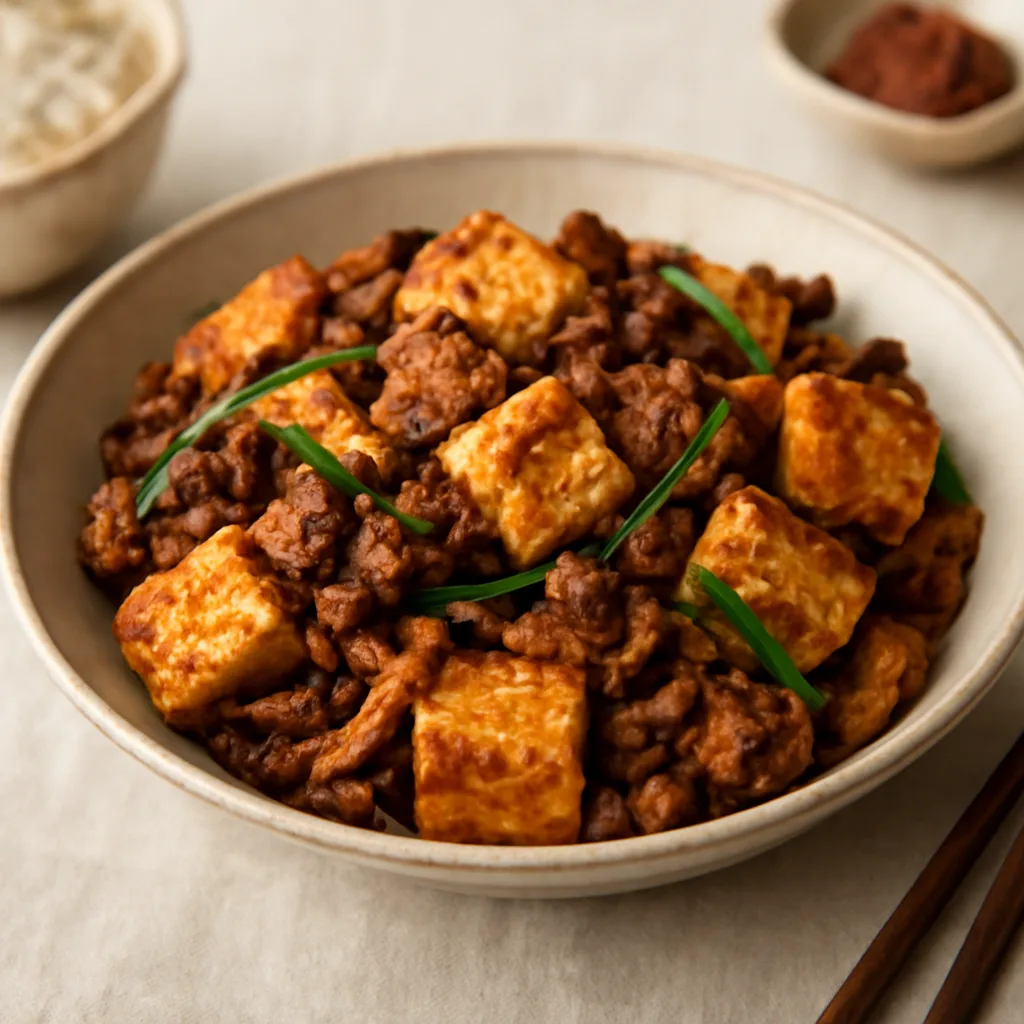
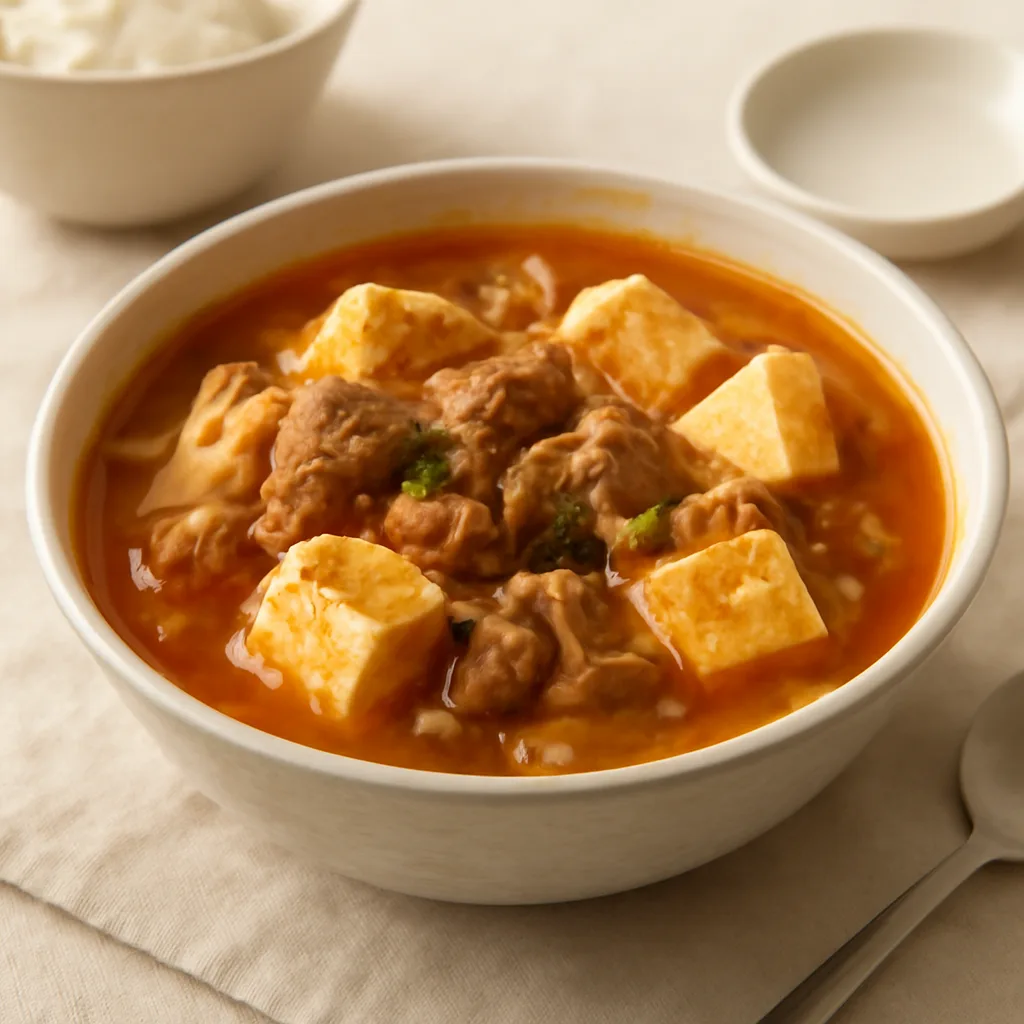
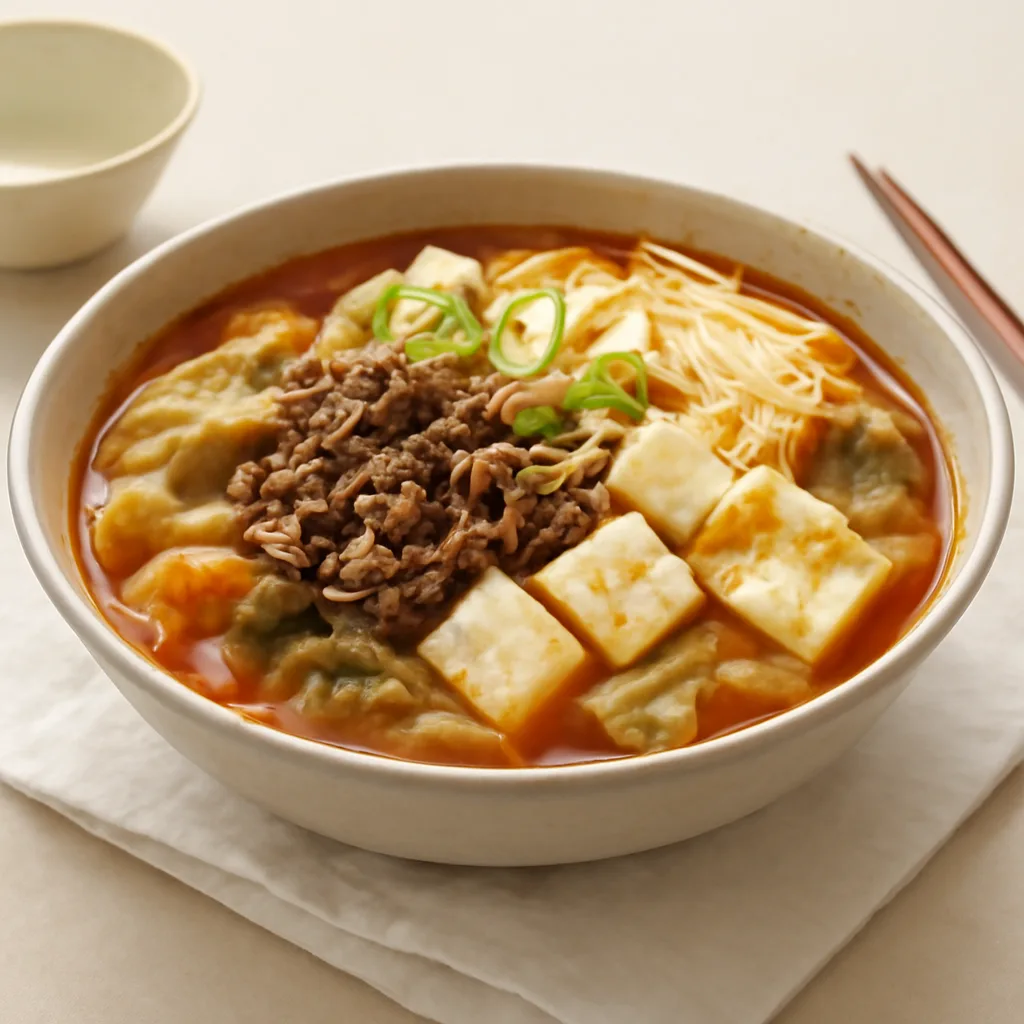
Diced beef is ingredients made by finely grinding or mincing beef, characterized by fast cooking and the ability to evenly absorb seasonings. It’s convenient to use in various forms such as fried rice, meat sauce, meatballs, dumpling filling, curry, and clear soups as a topping. Cooking results vary with fat content. Fatty ground beef adds flavor and moisture, but can render a lot of oil, while lean ground beef is milder but can become dry if cooked too long. It is practical to choose based on the amount of sauce and texture needed for the dish. For a wide pan, spreading the ground beef in one layer helps develop a browned, roasted aroma. Conversely, when a moist or tender piece is needed, do not break it up too early; cook briefly with ingredients that will add moisture. Note: the original guidance is retained; translation aims to be practical cooking guidance.
รสชาติและเนื้อสัมผัส
Rich umami typical of beef and the nutty fat flavors, with texture varying by grind size and fat ratio. Coarsely ground meat retains a chewy bite, while finely minced blends evenly into sauces or fillings. When cooked rapidly over high heat, moisture evaporates and browning intensifies the roasted flavor. If too much meat is added at once and water collects in the pan, the flavor can become milder as it stews rather than browns.
วิธีการใช้งานหลัก
- Sauté with onions and garlic as a base for tomato sauce, curry, chili-style sauces, or rice bowls.
- Add soy sauce, sugar, and minced garlic to make a simple beef topping for rice or noodles.
- Mix with ingredients that help retain moisture or binding like tofu, vegetables, eggs, or breadcrumbs to make meatballs, hamburger patties, dumpling or hotpot fillings.
- For fried rice, thoroughly dry the beef of moisture before adding rice to prevent soggy grains.
- In soups or stews, sauté first to intensify beef flavor; if a light broth is desired, skim some fat after browning.
เคล็ดลับการเตรียมอาหาร
- Before cooking, loosen the meat in a wide dish or pan to break up clumps so heat can reach evenly. For meatball or patty mixes, avoid overworking to keep the texture smooth only as needed.
- After preheating the pan, add the meat and leave it on one side until browned before breaking it up to develop roasted flavor. Constant stirring from the start can cause moisture to release quickly and gray the meat.
- When using onions, mushrooms, or watery vegetables, brown the meat first to develop color, then add vegetables, or drain excess moisture from vegetables before combining.
- If you add salt or soy sauce early, moisture may be drawn out and the pan become watery; for browning aroma, add seasoning after the surface browns and simmer.
- For patties or meatball mixtures, mix only as much as needed, test a small portion to check flavor and texture, then shape the remainder to avoid excessive dough.
ลักษณะเมื่อปรุงอาหาร
- Ground beef browns relatively quickly due to large surface area, but if the pan is too crowded, temperature drops and moisture clumps. If a lot of liquid appears on the pan, divide and stir-fry in batches or let it evaporate briefly before turning.
- Rendered fat helps spread the aroma of onions and spices. If the sauce looks too greasy, wipe out some fat after browning the meat and proceed with the next ingredients.
- When simmering with liquids like tomatoes, soy sauce, or broth, the meat absorbs more flavor and breaks into soft granules; however, prolonged simmering does not always keep a moist chunk, so use coarsely ground beef or reduce cooking time if texture is important.
- Patties or meatballs should not be pressed hard while cooking. If juices run out when turning or the surface cracks, you may have overworked the mix; shape firmly and portion adequately next time.
การจับคู่ที่เข้ากันได้ดี
- Onions, garlic, and pepper enhance the beef’s nutty flavor, while mushrooms add umami and moisture when sautéed.
- Acidic ingredients like tomatoes, vinegar, or lemon help cut the greasiness. However, too much acidity can upset balance in dishes centered on creamy sauces or sweet soy sauces.
- Fermented seasonings like soy sauce, miso, or gochujang pair well with rice dishes; cumin, paprika, and herbs add different aroma notes to sauces or patties.
- Tofu, eggs, breadcrumbs, or cooked grains can be mixed in to increase quantity and adjust texture in fillings or meatballs.
ข้อควรพิจารณาเมื่อใช้แทนที่
- Minced pork tends to be softer and more fatty, suitable for stir-fries, dumpling fillings, and meatballs, but pork’s flavor and fat feel differ, so adjust sweetness and acidity accordingly.
- Ground chicken or turkey are leaner alternatives, but can be dry; for sauces, add stock or some oil, and for patties or meatballs, use ingredients to compensate moisture.
- Ground mushrooms, lentils, or mashed tofu can substitute in sauces or fillings that have moisture and seasoning, but achieving the richness and elasticity of beef fat is difficult in some dishes.
- Finely minced beef can be used for ragù or stir-fries needing coarser texture, but for dumpling fillings that require uniform binding, ground beef is harder to handle.
วัตถุดิบที่มักใช้ร่วมกันในอาหารจริง
สถิติจากจำนวนการปรากฏของวัตถุดิบหลักในอาหารที่เปิดเผยใน CookPagoda.
อาหารที่ใช้วัตถุดิบนี้
แสดงอาหารที่มีวัตถุดิบนี้เป็นวัตถุดิบหลักใน CookPagoda ตามลำดับการเข้าชม.