สารานุกรมวัตถุดิบ
ตรวจสอบลักษณะของวัตถุดิบและวิธีการใช้งานในอาหาร.
미나리
2
4
Minari is a fragrant leafy-stem vegetable that is good for adding a fresh herbal aroma to soups, salads, and hot pots. Both the leaves and the tender stems can be eaten, and when heated the aroma becomes softer, while raw it has a distinctive fresh scent. Dividing usage by stem thickness and texture is convenient. The tender parts suit lightly seasoned salads or as a finishing garnish, while the firm or thick stems can be added to soups and stews and cooked thoroughly, or minced for pancakes or stir-fries. Boiling for a long time dulls color and aroma, so for dishes where you want to keep aroma, add it at the end.
รสชาติและเนื้อสัมผัส
Minari has a fresh, clear aroma with a slightly bitter herbal taste; when cooked, the sharpness decreases and sweetness and a mellow vegetable aroma become evident. If the aroma feels strong, it often means there is a higher proportion of leaves or more raw usage. Tender stems are crisp yet soft, while the bases of thicker stems can feel fibrous. Blanching or quick simmering in broth softens them, but overcooking makes them mushy and dulls the aroma.
วิธีการใช้งานหลัก
- Add near the end to clear broths, doenjang jjigae, spicy stews, or hot pots to brighten aroma and green color.
- Pairing with meat in hot pots or shabu-shabu helps lighten the fatty richness. For long-simmered dishes, better to add just before serving rather than from the start for better texture.
- Blanched minari can be marinated in a flavorful sauce or lightly tossed as a side dish. If using a lot of seasoning, the minari scent can be masked, so add seasoning gradually to taste.
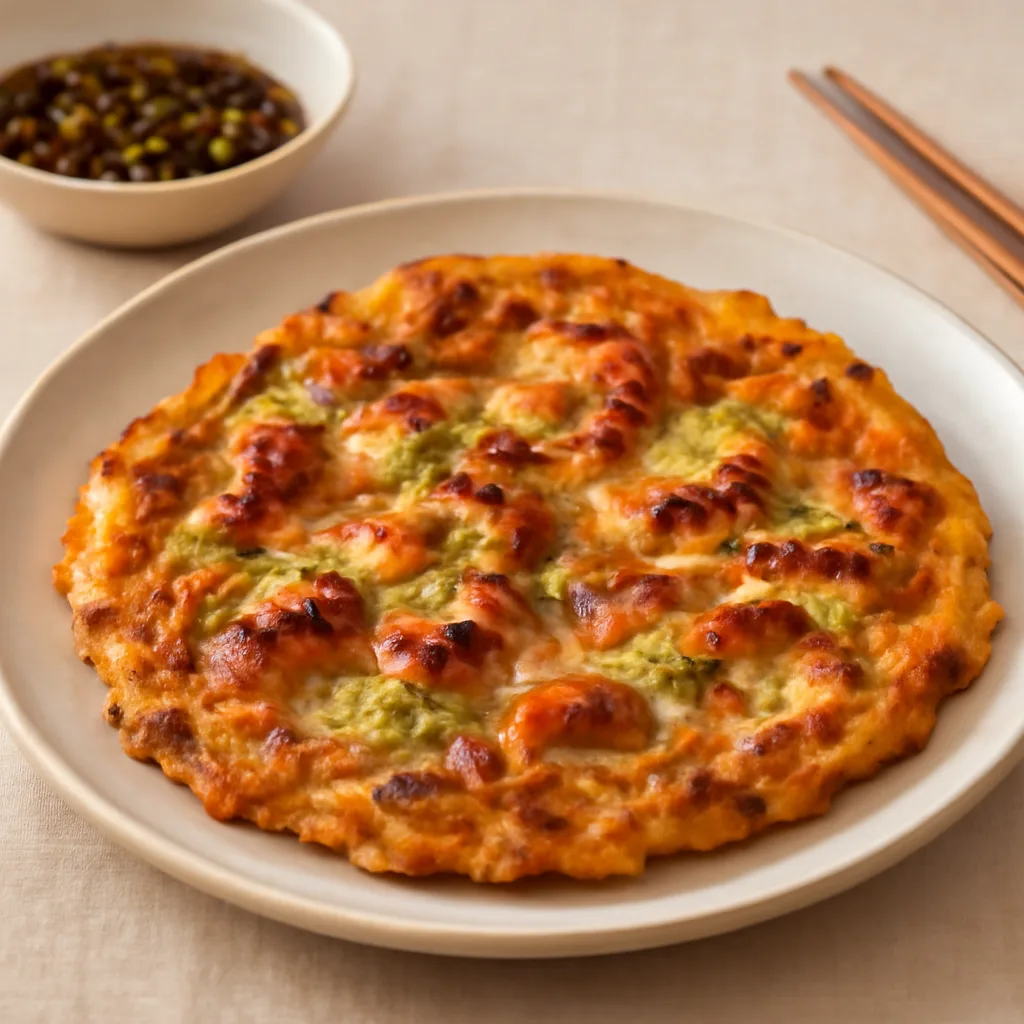
- Minari chopped fine can be used as an ingredient in pancakes or jeon. If added too much to the batter, moisture can cause the edges to be soggy; balance with other ingredients.
เคล็ดลับการเตรียมอาหาร
- Rinse thoroughly under running water, rubbing to remove soil or impurities between stems and leaves, and trim the tough base as needed.
- If stems are thick and leaves are tender, add the stems first and leaves later; when cutting into bite-sized pieces, thicker stems should be cut shorter to reduce fibrous texture.
- For salads, briefly blanch in boiling water and squeeze out moisture lightly. Excess moisture will make the dressing thin, and squeezing too hard can crush soft leaves.
- When eating raw, sample the aroma a little first and then determine the amount. If the aroma is particularly strong, use mainly thin stems and leaves or blanch briefly.
ลักษณะเมื่อปรุงอาหาร
- When heated, the fresh aroma and slight bitterness of minari soften, and the stems become tender quickly. To preserve aroma from the broth, add it just before turning off the heat, and cook a bit longer if you want the stems to be less fibrous.
- High heat for a long time can cause the leaves to wilt easily and become dull in color. When using in stir-fries, cook other ingredients first, then add minari and toss quickly.
- Adding too much salt or seasoning early can cause moisture to escape, making salads and pancakes soggy. For pancakes, add sliced minari right away or adjust batter if too watery.
- Acidic seasonings can make the aroma more pronounced. If a tangy dressing is too sharp, reduce vinegar and add nutty elements like sesame oil or sesame seeds to balance.
การจับคู่ที่เข้ากันได้ดี
- Pairs well with rich ingredients like beef, pork, and fish, adding a fresh aroma between strong flavors.
- Soybean paste (doenjang), chili paste (gochujang), garlic, sesame oil, and sesame seeds complement minari’s fresh taste. However, too much garlic and gochujang can mute the delicate aroma.
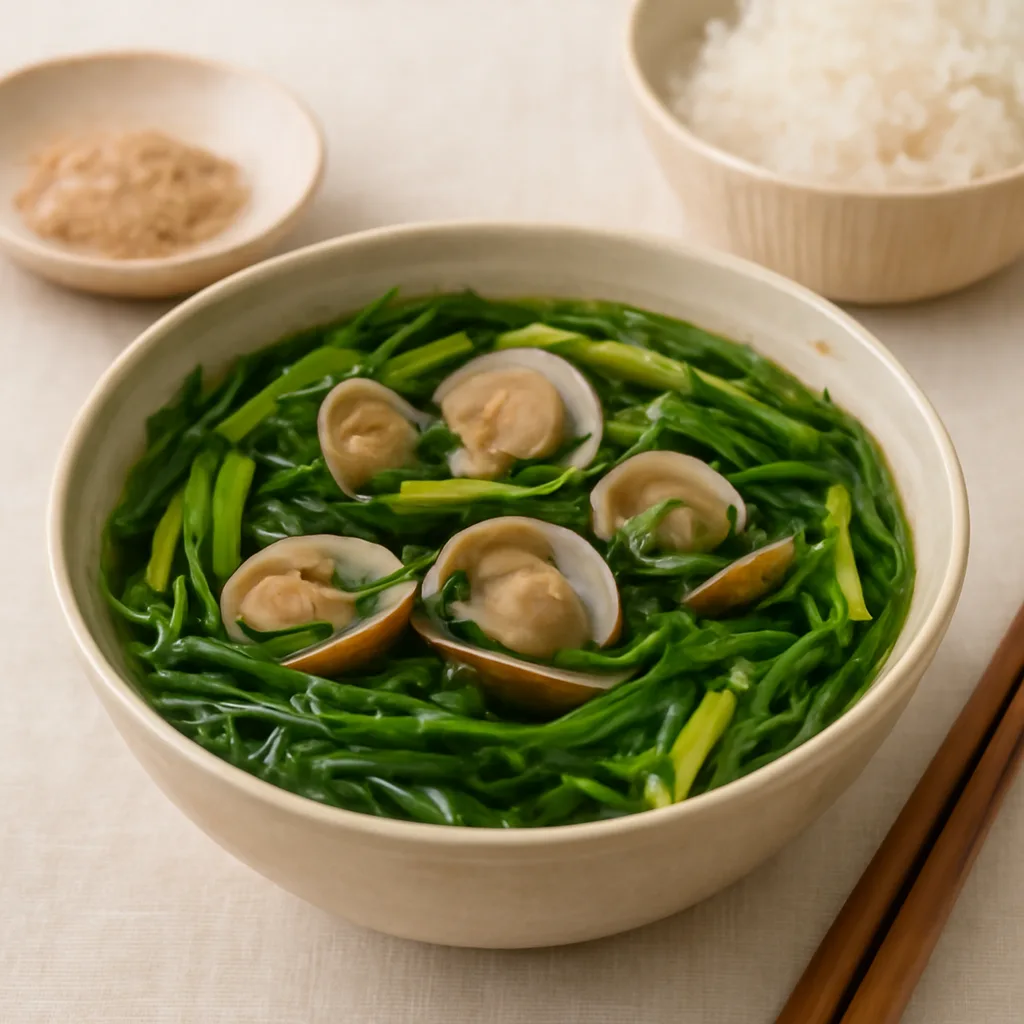
- In soups with tofu, mushrooms, or shellfish, minari helps create a center of aroma among bland ingredients.
- When adding acidity like vinegar or citrus, start with small amounts. If raw minari’s bitterness stands out, a more savory seasoning can create a softer balance than acidity.
ข้อควรพิจารณาเมื่อใช้แทนที่
- For aroma in broth-based dishes, mugwort can be a close stand-in, but its aroma is more intense and its leaves softer, so start with a smaller amount than the same volume of minari.
- For crunchy stem texture, you can use some green onion or celery stems. Green onion softens faster, and celery has a much stronger aroma, so not a perfect substitute.
- If the unique aroma of minari is essential in a salad, it may be better to adjust the seasoning rather than finding a direct substitute. For example, if using green onion, shorten blanching time and season lightly to preserve texture.
วัตถุดิบที่มักใช้ร่วมกันในอาหารจริง
สถิติจากจำนวนการปรากฏของวัตถุดิบหลักในอาหารที่เปิดเผยใน CookPagoda.
อาหารที่ใช้วัตถุดิบนี้
แสดงอาหารที่มีวัตถุดิบนี้เป็นวัตถุดิบหลักใน CookPagoda ตามลำดับการเข้าชม.