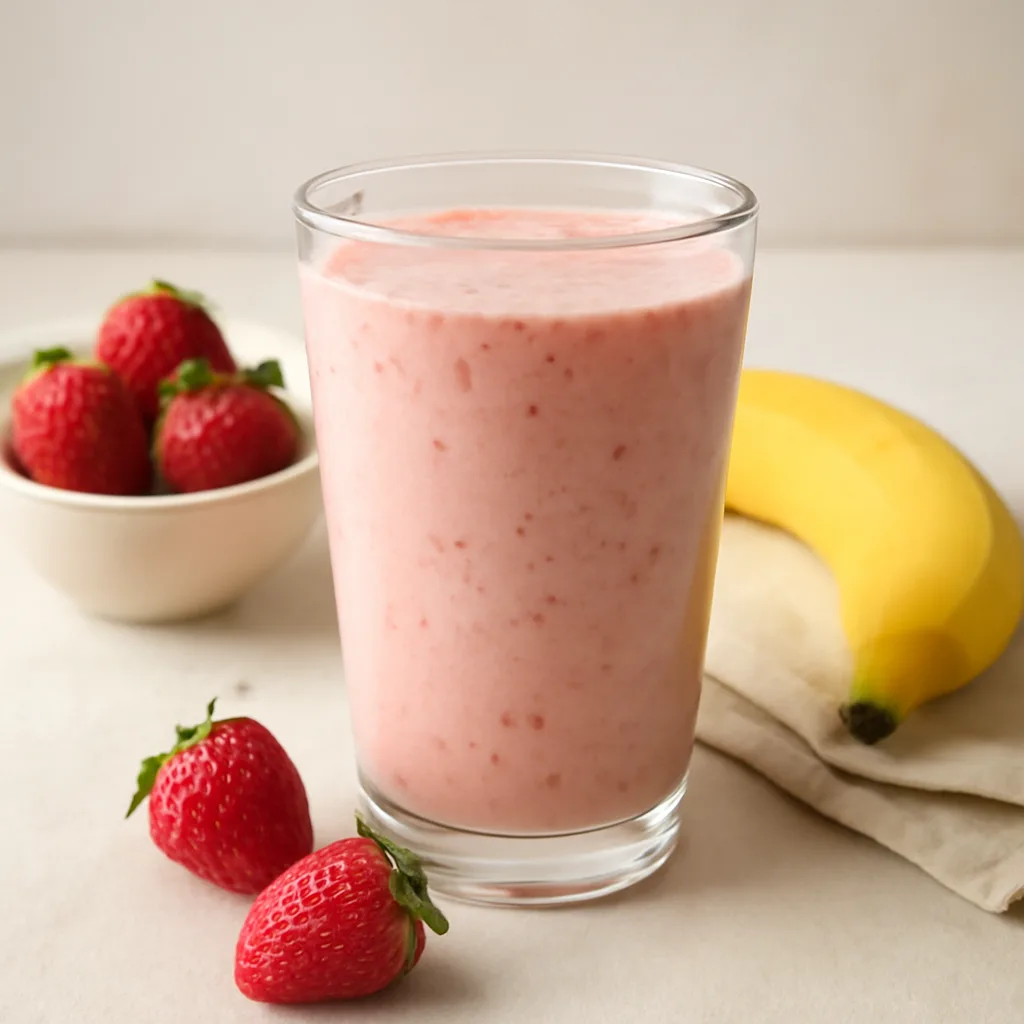
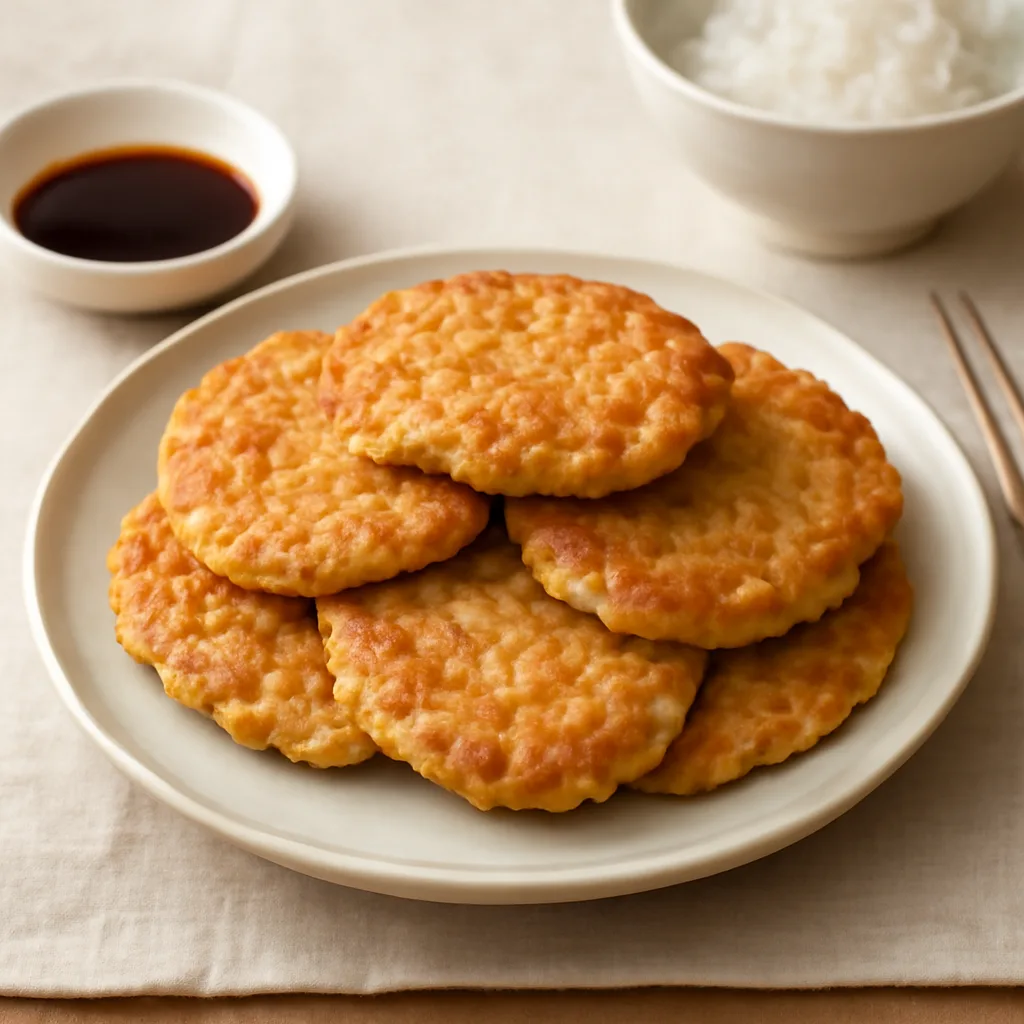
Hướng dẫn chủ đề
Hãy kiểm tra tiêu chí lựa chọn món ăn và ý tưởng nấu ăn phù hợp với chủ đề này.
snacks are foods that pair well between regular meals, or in moments when you’re not planning a full meal, such as during a short break, greeting guests, or before/after moving. Since snacks range from crispy crackers to cold menus with fruit or dairy, and warm breads, pan-fried items, or fried foods that are best right after cooking, choosing is easier if you first decide on eating time and required prep time. A good snack composition starts with ease of eating and a finishing feel rather than quantity. If you need to eat without getting your hands dirty, bite-sized or individually wrapped options are convenient, and if you’re sitting with tea or a drink, you can create contrast in temperature and texture. However, since snacks can become time-consuming to cook and wash dishes when aiming for light preparation, on busy days it’s best to prioritize menus that only require baking or reheating.
Phù hợp với những ai như vậy
- People who have a little time before the meal but want a quick palate-clearing bite.
- When choosing a snack for kids, if there are elements that are hard to eat (hot fillings, hard nuts, gooey strings), adjust the size and shape to suit their age and eating style.
- In social settings where many share, bite-sized items that are easy to pick up are convenient, rather than messy with crumbs or sauces.
- When eating late at night, options that are too fried or heavy can feel burdensome, so choose items that can be portioned small and served.
Hướng dẫn chọn món ăn
- First check remaining time; if you need to serve within 10 minutes, choose menu that only requires washing, slicing, and heating; if you have time, choose dough or baking items.
- Look at the eating location; if traveling, avoid menus that crumble or spill easily; make them easy to contain or choose other options.
- If crispness is key, items tend to get soggy after standing, so when you must serve immediately, consider options that stay good cold as well.
- If you plan to serve drinks, avoid layering several highly sweet or salty snacks; select a single core flavor and pair with a mild side to define taste direction.
Nguyên liệu thường kết hợp
- Fruits, breads or crackers, rice cake, potatoes or sweet potatoes—ingredients that are easy to prepare after trimming are good base for snacks.
- Soft ingredients like cheese, yogurt, milk, eggs can be served cold or cooked to add texture.
- Nuts, seeds, dried fruits, chocolate, jam are good for small flavor changes, but check for allergies or chewing ease before use.
- Sugars, salt, cinnamon, honey—seasoning ingredients change the impression of the same base ingredient. For ingredients that are already sweet, add only a little to avoid overpowering overall flavor.
Phương pháp chế biến phù hợp
- Washing and slicing to serve or lightly mixing with cold ingredients is suitable when you want minimal tools and fresh texture.
- Baking in oven or on a pan gives a nutty aroma and crispy texture; for thick pieces, edges may color first, so keep pieces similar size and check mid-way.
- Boiling or steaming suits ingredients like sweet potatoes or rice cake to make them soft inside; if moisture remains, flavor can be diluted, so drain before serving.
- Frying gives immediate crispy appeal but requires oil prep and cleanup; on days aiming for quick, light snacks, simpler methods may be better.
Mẹo cho người mới bắt đầu
- Start with one base ingredient and one flavoring rather than mixing many ingredients to easily judge a strong taste.
- If chopped fruits or vegetables dry out or discolor, they lose appealing look; prep them right before serving or cover to keep fresh.
- If the bottom of pan snacks browns quickly, it may be too hot; lower heat and divide ingredients thinly or evenly to ensure doneness inside.
Mẹo cấu trúc thực đơn
- Pair two textures, such as crispy and soft, on one snack plate to create variety from simple ingredients.
- When focusing on warm items, pairing with cold fruit or drinks can simplify preparation steps.
- For groups, place skewers or small plates so sharing is easy rather than a single large tray.
- If meal time is near, opt for a small snack plus a drink rather than multiple heavy items to avoid overlapping with the next meal.
Món ăn bao gồm trong chủ đề này
Chúng tôi sẽ hiển thị các món ăn trong chủ đề này theo thứ tự lượt xem từ CookPagoda.