Hướng dẫn chủ đề
Hãy kiểm tra tiêu chí lựa chọn món ăn và ý tưởng nấu ăn phù hợp với chủ đề này.
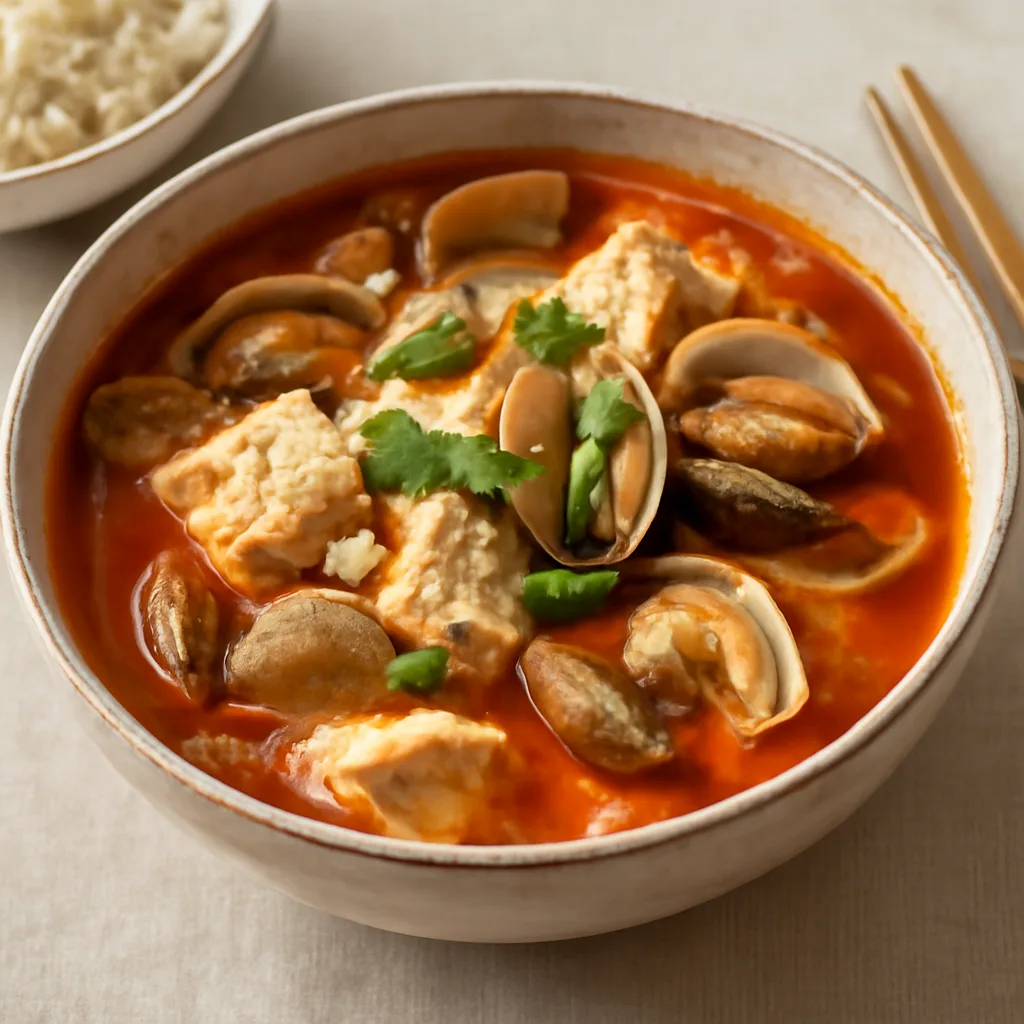
‘Warm a meal’ is a way to compose a meal with food that is freshly cooked or reheated to feel warm. It is not limited to soup dishes; rice with stew, fried rice, warm noodles, or dishes baked in an oven or pan can center on temperature and fullness just before eating. When choosing a menu, it is good to look at eating time, available cooking time, and whether it can be served at the table right away. Dishes with steaming broth or moist sauces tend to retain warmth longer, while dishes where crispness is key can cool quickly right after cooking, so it is appropriate to plan the serving order differently with sides. This topic is useful for matching temperature and texture with one bowl or a few simple plates rather than a complex table setting. However, on hot days or when traveling makes it hard to eat immediately, a hot broth-centered menu can feel burdensome, so you can choose side dishes that taste good even with warm rice and light stir-fry or lukewarm dishes that stay tasty as they cool.
Phù hợp với những ai như vậy
- When you need to prepare a meal at home within a short time, it suits someone who wants to add a hot side dish to a central rice or noodle dish.
- On cold days or days when you crave warm food, you can prioritize menus with moisture or heat remaining, such as soups, braises, or rice bowls.
- If several people eat at different times, it's more practical to have dishes like stews, curries, or braises that reheat easily than fried items that must be served all at once.
- If using heat is difficult or there is a long wait until mealtime, choose a dish whose form does not change much after reheating rather than something highly temperature-dependent right after cooking.
Hướng dẫn chọn món ăn
- If it seems to take more than 15 minutes from placing the dish on the table, consider a rice bowl or stew with broth instead of a wide-surfaced fried dish. Dishes with moisture keep heat relatively slowly and the seasoning may taste stronger as it cools, so start with a milder flavor.
- If there are vegetables and protein that are easy to cook in the fridge, choose a method with shorter prep time from stir-fry, steaming, or soup. If ingredient sizes vary, chop hard ingredients smaller or cook first.
- If rice is already prepared, you can add a stir-fry for a rice bowl or soups/stews as a single meal. Conversely, if you don’t have time to cook rice from scratch, choosing carbohydrates that cook relatively quickly like noodles, rice cakes, or potatoes will simplify the cooking flow.
- If crisp texture is a key part of the meal, do not pre-cook just because it’s a warm meal. Steam can make surfaces damp, so prepare other dishes first and finish crisp dishes at the end before serving.
Nguyên liệu thường kết hợp
- Carbohydrate ingredients like rice, noodles, rice cakes, and potatoes make the meal’s center, and can be eaten easily with broth or sauce to prevent drying.
- Aromatics like onion, scallion, and garlic are good for building base flavors during frying or boiling. If aroma intensifies quickly or smells burnt, lower heat and add liquid ingredients or the main ingredients to continue cooking.
- Tofu, eggs, meat, fish, and beans can be selected as protein ingredients depending on the menu. If too much moisture comes out, the broth or stir-fry may become thin, so reduce water or simmer at the end for a richer flavor.
- Mushrooms, leafy greens, and root vegetables have different cooking times and moisture. If you dislike leafy greens wilting too quickly, add them almost at the end when almost finished, and thinly slice hard root vegetables to cook first.
Phương pháp chế biến phù hợp
- Boiling and simmering for broth is a good way to serve warmth with ingredients in one pot. If the broth becomes cloudy or ingredients become too soft, reduce to medium-low heat and add the more quickly cooked ingredients later.
- Stir-frying in a pan is good for quickly combining rice/noodles/vegetables/protein. If the pan is crowded and water releases, it will steam more than fry, so divide portions or cook high-moisture ingredients separately then combine.
- Steaming and braising suit dishes that maintain a softer texture and warmth. If the sauce reduces too much and the bottom shows, add a little water or stock and use a lid to give time for ingredients to cook.
- Oven or air fryer is convenient but leaving it in the appliance too long can dry the surface or change texture. Align finishing times with other dishes and remove when needed.
Mẹo cho người mới bắt đầu
- Starting with one main ingredient, one or two vegetables, and one seasoning makes it easier to judge balance. If the pan or pot seems crowded, set some aside and cook in portions.
Mẹo cấu trúc thực đơn
- For a meal, add a cool or refreshing side with a warm center dish to create flavor contrast. However, stacking many strongly seasoned sauces and soups can make the overall saltiness heavy, so keep one side mild.
- Start with the longer-cooking rice or braises first, and finish quick-cooking stir-fried vegetables or eggs last for efficiency. If the finished dish cools, prepare bowls in advance and keep warm with a lid.
- When using leftovers, separate already cooked ingredients from raw ingredients and determine the serving order. If cooked ingredients may dry out or crumble, add them at the end just to reheat.
- If mealtime is uncertain, it can be advantageous to separate rice and broth from stir-fry components and combine at mealtime to adjust temperature and texture.
Món ăn bao gồm trong chủ đề này
Chúng tôi sẽ hiển thị các món ăn trong chủ đề này theo thứ tự lượt xem từ CookPagoda.