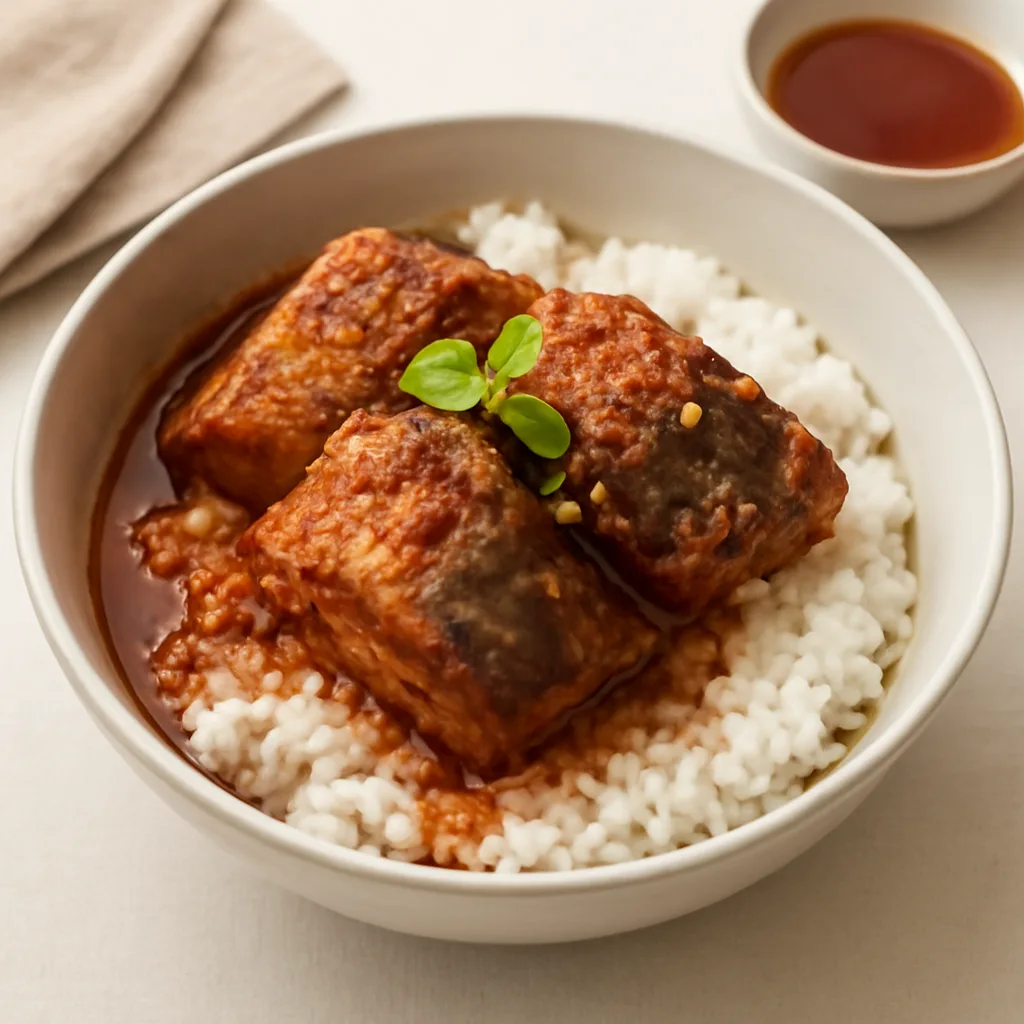
Hướng dẫn chủ đề
Hãy kiểm tra tiêu chí lựa chọn món ăn và ý tưởng nấu ăn phù hợp với chủ đề này.
Seafood cooking is a topic of dishes where you choose cooking methods according to the type of fish, thickness of meat, fat content, and presence of bones. Lean white fish goes well with sauces or aromatics, while fatty fish pair well with elements that balance flavors like salt, acidity, and spicy seasonings. When choosing, deciding whether the flesh is firm, whether to keep the skin, and whether it is a broth-based or grilled dish helps narrow the range. Thin fillets are well-suited for braising or pan-frying with short cooking times, while chunks or bone-in fish may be better for broths or braises with infused seasonings. Overcooking fish can make the flesh tough and crumbly, so the key is to adjust cooking time by thickness and state rather than cooking on high heat for a long time. When using frozen fish, pat away the moisture after thawing to prevent the sauce from becoming too thin or oil splatter when grilling.
Phù hợp với những ai như vậy
- Kết quả ngắn?
Hướng dẫn chọn món ăn
- If you see excessively dry spots on the surface of the fish or a lot of fishy liquid, wipe with a kitchen towel before cooking and consider pairing with aromatics or seasonings depending on the condition.
- Thick chunks should be seared only on the surface first; otherwise the inside may be undercooked, so choose methods like braising or steaming where heat reaches gradually.
- Fillets with skin are suitable for pan-frying when a crisp texture is desired, but keep in mind the skin may soften in braises with lots of sauce.
- If bones are a concern, check packaging for whether the fish is filleted, and inspect for any remaining bones after cooking.
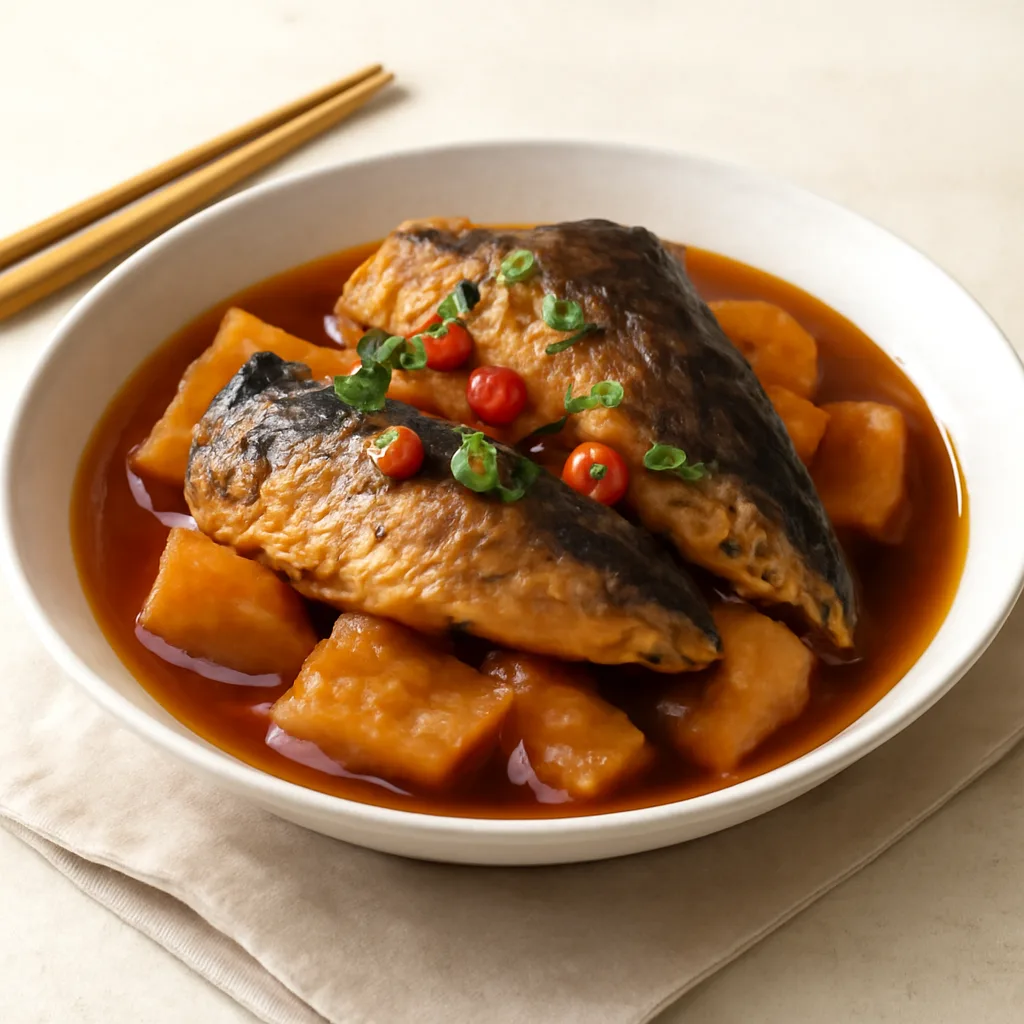
- Strong-flavored braises with soy sauce or gochujang may go well with rice as a side, but if you want to taste the fish itself, simple preparations with salt and acidity may be better.
Nguyên liệu thường kết hợp
- Salt is used to season fish lightly before grilling; wipe off surface moisture after salting a small amount to help achieving better browning in a pan.
- Vegetables like radish, leek, onion are good additions to braises or soups to add sweetness and aroma.
- Garlic, ginger, pepper, sake or mirin can complement fish aroma, but if the aroma is too strong it may mask the delicate fish flavor, so adjust the amount.
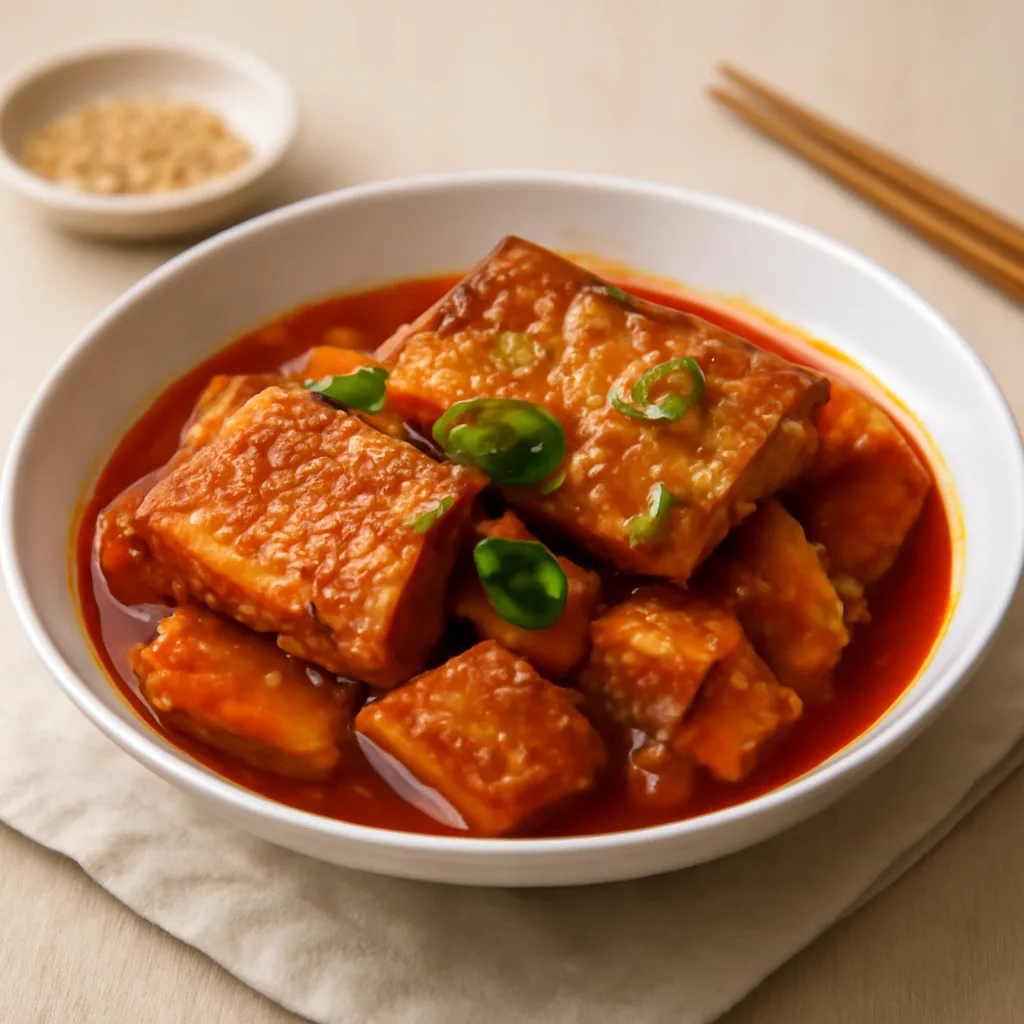
- Soy sauce, gochugaru, gochujang can form the base of a braise, but fish releases moisture, so it's better to adjust during cooking rather than making the sauce strong from the start.
- Acidic ingredients like lemon or vinegar pair well with grilled fish, but marinating too long can change surface texture, so add just before eating.
Phương pháp chế biến phù hợp
- Pan-frying works well for thin fillets or fish with skin; after patting dry, place in a well-preheated pan to reduce sticking.
- Braising is good for chunks of fish with vegetables like radish and onion; if the liquid reduces too quickly, the fish may break, so monitor over medium-low heat.
- Steaming is a good option when you want to keep the fish moist without much oil, and if pieces differ in thickness, add smaller pieces later or cook separately.
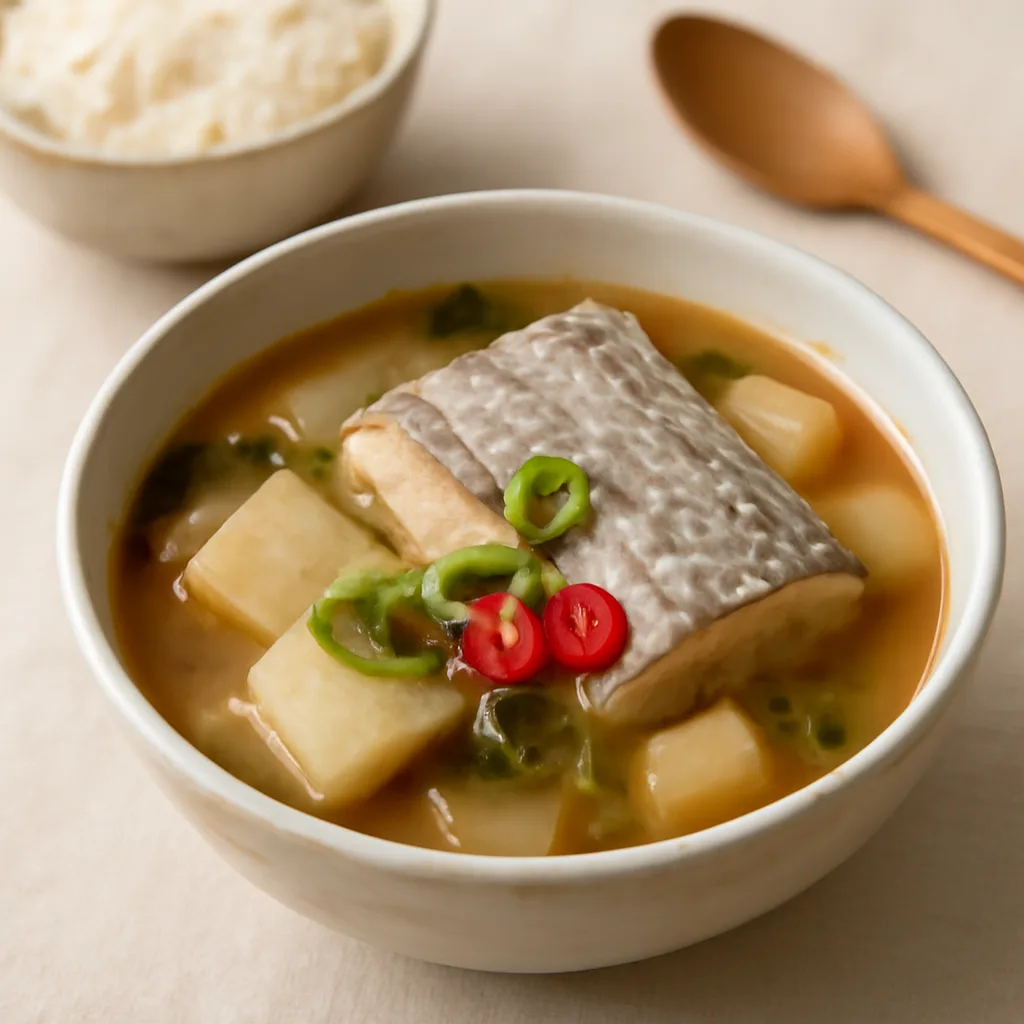
- Clear soups or spicy soups can extract flavor from bones and heads as well, but long boiling can cause the flesh to fall apart.
- Frying provides a crispy texture, but if the oil is not hot enough, it can absorb too much oil, so avoid frying large amounts at once.
Mẹo cho người mới bắt đầu
- When you place fish in a pan, avoid turning it frequently as the flesh may tear; wait until one side develops color and releases naturally, then flip once.
- If the flesh tends to fall apart when frying, use two spatulas to support it and next time try a sturdier fish or skin-on fillet.
- If the braising sauce tastes too salty, add more ingredients like radish or onion or divide a small amount of water to adjust gradually.
- Frozen fish may have a larger difference between surface and core when cooked quickly from a frozen state, so thaw, pat dry, and cut into pieces of similar thickness.
- After handling fish, wash knives, boards, and plates separately from other ingredients; prepare a separate plate for the cooked fish.
Mẹo cấu trúc thực đơn
- For strong-tavored fish dishes like soy-braised fish, pair with plain rice and light vegetables or a simple clear soup to avoid overpowering flavors.
- If the dish is predominantly salt-grilled or pan-fried, add a fresh side like lemon, herb salad, or greens to balance the richness.
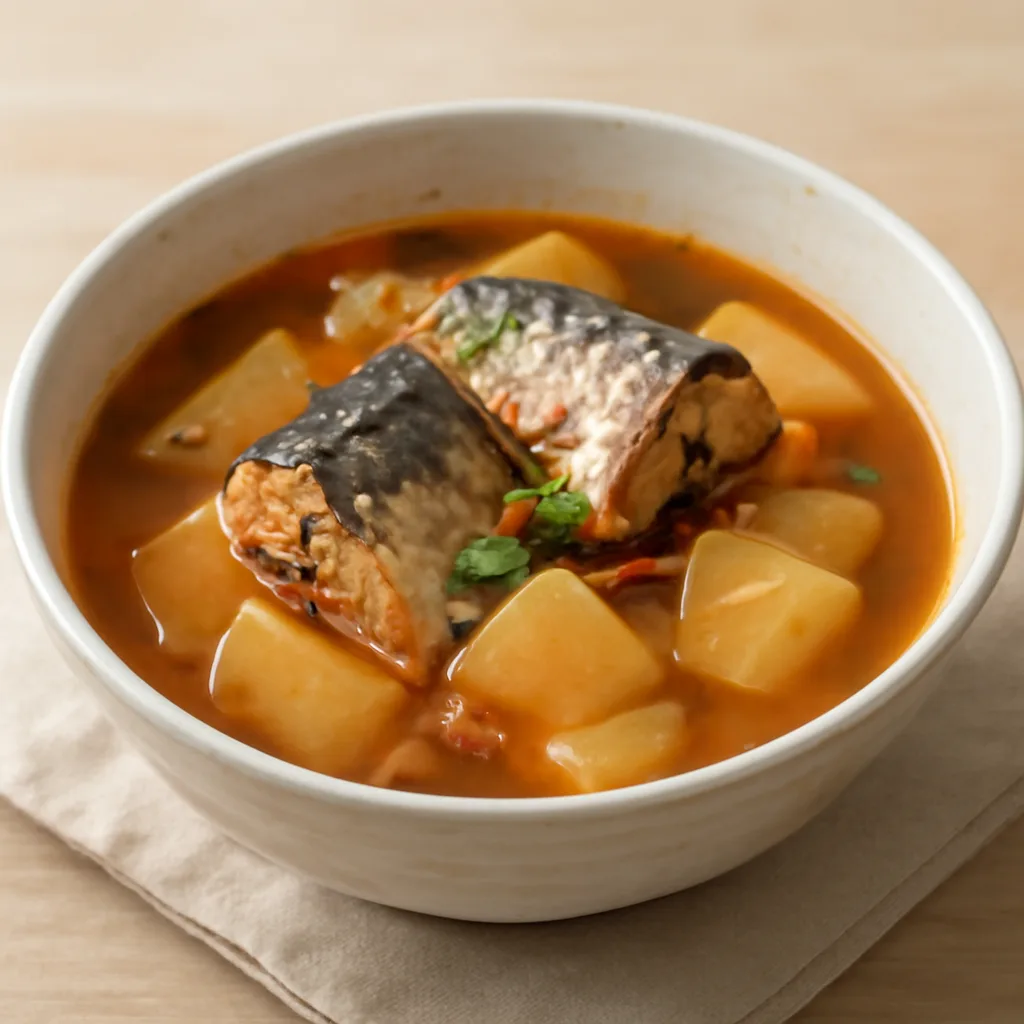
- If the meal includes hearty dishes like soup with radish or potatoes, keep other side dishes light for a balanced table.
- If you want to feature multiple fish dishes in one meal, vary textures and seasonings instead of using all spicy sauces.
- For guests, offering both boneless and bone-in options or pairing bone-in dishes with vegetable sides can help control pace and choice.
Món ăn bao gồm trong chủ đề này
Chúng tôi sẽ hiển thị các món ăn trong chủ đề này theo thứ tự lượt xem từ CookPagoda.