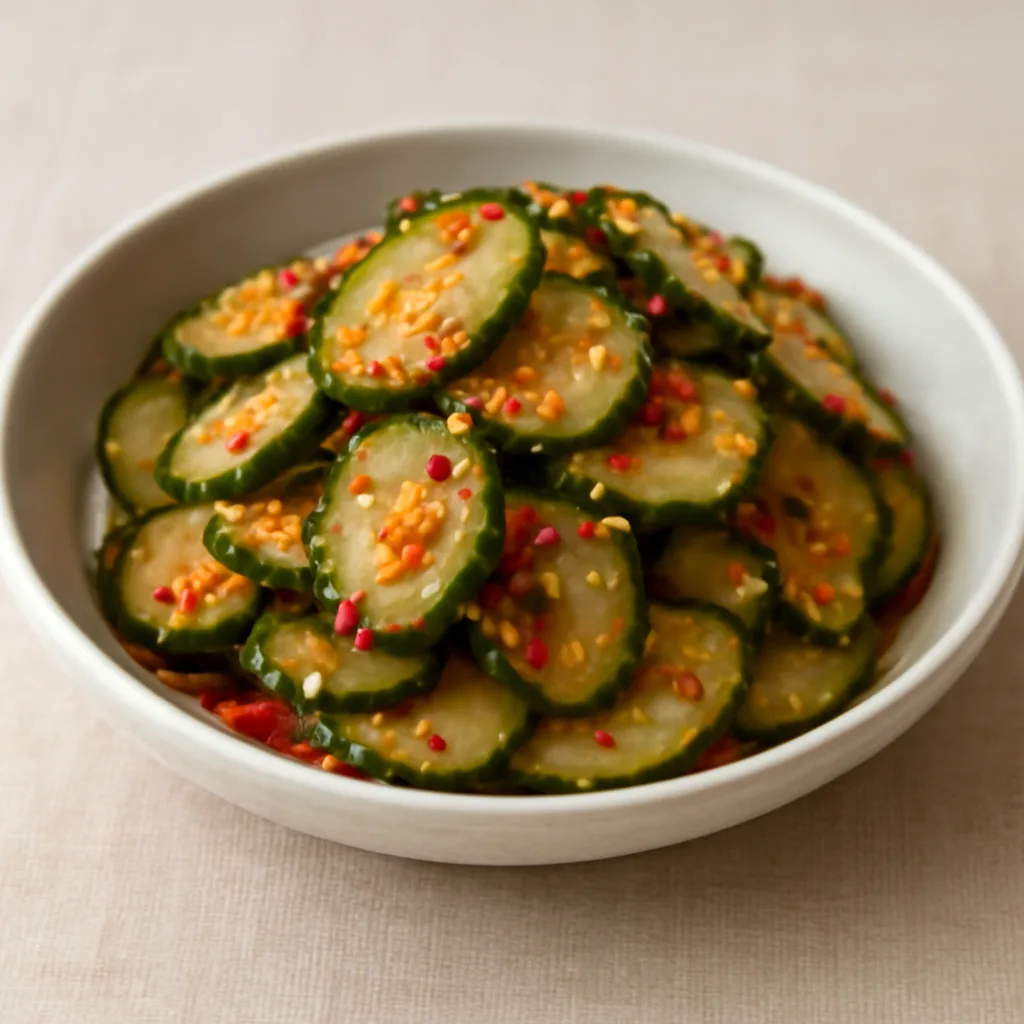
Hướng dẫn chủ đề
Hãy kiểm tra tiêu chí lựa chọn món ăn và ý tưởng nấu ăn phù hợp với chủ đề này.
Fresh-tavored direction refers to adding acidity to lift and brighten dishes, using citrus like lemon and lime, vinegar, tomatoes, or fermented ingredients. When acidity sits between sweetness, fattiness, and saltiness, the taste boundaries become clearer, expanding choices from salads to grilled dishes, noodles, and seafood. The core of this theme is not to blunt the ingredients, but to adjust the position and amount of acidity to enhance the main ingredient's flavor. If after one bite only the acidity lingers, you may have added too much or too early; it's better to balance with small amounts of sweetness, fat, or moisture. It pairs well with light meals on hot days, side dishes for fatty mains, or meals with several dishes requiring a flavor shift. However, for menus centered on deep, heavy flavors or for sensitive individuals, choosing milder ingredients rather than strong vinegar or citrus juice may be more appropriate.
Phù hợp với những ai như vậy
- When you want to counterbalance rich flavors in fried, grilled, or cream-based dishes.
- People who want to clearly taste the flavors of mild ingredients like vegetables, fish, chicken.
- Useful for quickly making a salad, dressing, or sauce to bring variety to the table.
- If you or children don’t prefer sourness itself, it’s better to present acidity as a separate side sauce rather than as a main ingredient.
Hướng dẫn chọn món ăn
- If the dish feels oily and heavy, try direct acidity like lemon juice, vinegar-based sauces, or pickled vegetables to cut after the fat.
- If the ingredients themselves have strong sweetness, such as tomatoes, carrots, or fruits, adding acidity can create a larger contrast, so start with a small amount of acidic ingredient and taste before increasing.
- For warm stir-fries or grilled dishes, citrus juice or vinegar tends to linger as a finish, while cold salads can be pre-tossed with dressing to evenly distribute acidity.
- In dishes with strong spices or ferment flavors already central, layering multiple acids can blur direction, so choose one main acid such as vinegar, citrus, or fermented ingredient.
- If a single spoon of acidic element makes the broth feel heavy, instead of dumping vinegar or citrus all at once, add gradually from individual bowls to find the right balance.
Nguyên liệu thường kết hợp
- Citrus like lemon, lime, yuzu can be used for juice and zest separately; if fragrance is needed, use zest in small amounts and juice as needed.
- Vinegars like rice vinegar, apple cider vinegar, wine vinegar vary in aroma and sharpness; for delicate dishes, start with milder vinegar that won’t overpower the color.
- Tomatoes, citrus, apples, pineapple and other sour fruits/vegetables bring moisture and sweetness; for sauces that should not become too watery, add in portions.
- Ingredients with acidity and salt, such as pickles, pickled vegetables, fermented pastes, can raise seasoning quickly; adjust salt or soy sauce after adding.
- Olive oil, sesame oil, yogurt or mayo can soften the edge of acidity, but consider that savoriness may outweigh freshness.
Phương pháp chế biến phù hợp
- Tossing raw vegetables or making salad dressings directly highlights acidity and aroma.
- Roasting or pan-frying after vegetables develop a roasted note, finish with citrus juice or vinegar to create contrast; acids are usually added at the end.
- Pickling is a good way to let acidity permeate vegetables for side dishes; if the pickling liquid feels too strong, dilute with water or a touch of sweetness and adjust again.
- Cold noodles or chilled dishes benefit from pre-mixed acidic dressings to stabilize flavor, but as vegetables release water over time, toss just before serving to maintain taste.
- When adding acidity to broths or braises, the aroma of the acidity can change during simmering, so if you want to preserve it, turn off the heat and add gradually.
Mẹo cho người mới bắt đầu
- Initially start with very small amounts of acidic ingredients per serving, taste, then add more as needed.
- If the dressing is too sour, instead of piling on salt, add a bit more oil or sweetness to soften the texture.
- If citrus juice makes fish or vegetables seem soggy or watery, add it right before serving or offer the sauce separately.
- If vinegar smells sharp when heated, reduce heat or remove it before adding, then add as needed after tasting.
- When using multiple acidic elements on one plate, don’t combine all at high intensity; focus on one primary acid.
Mẹo cấu trúc thực đơn
- Pair fatty main dishes with a tart salad, pickled vegetables, or citrus sauce to create contrast between courses.
- When composing around a bright acidic note, keep the main components, side dishes, and sauces from being too sour; include one or two savory or mild cooking methods for balance.
- If a salad uses citrus dressing, add other aromatic elements like roasted ingredients and herbs to avoid repetitive acidity in the main course.
- Since guests may have varying sourness preferences, keep baseline seasoning gentle and let guests adjust with vinegar, lemon wedges, or pickles on the side.
- When serving warm and cold dishes together, cold pickles or salads should be served last to preserve texture and prevent moisture loss.
Món ăn bao gồm trong chủ đề này
Chúng tôi sẽ hiển thị các món ăn trong chủ đề này theo thứ tự lượt xem từ CookPagoda.