قاموس المكونات
تحقق من خصائص المكونات وكيفية استخدامها في الطهي.
고등어
1
2
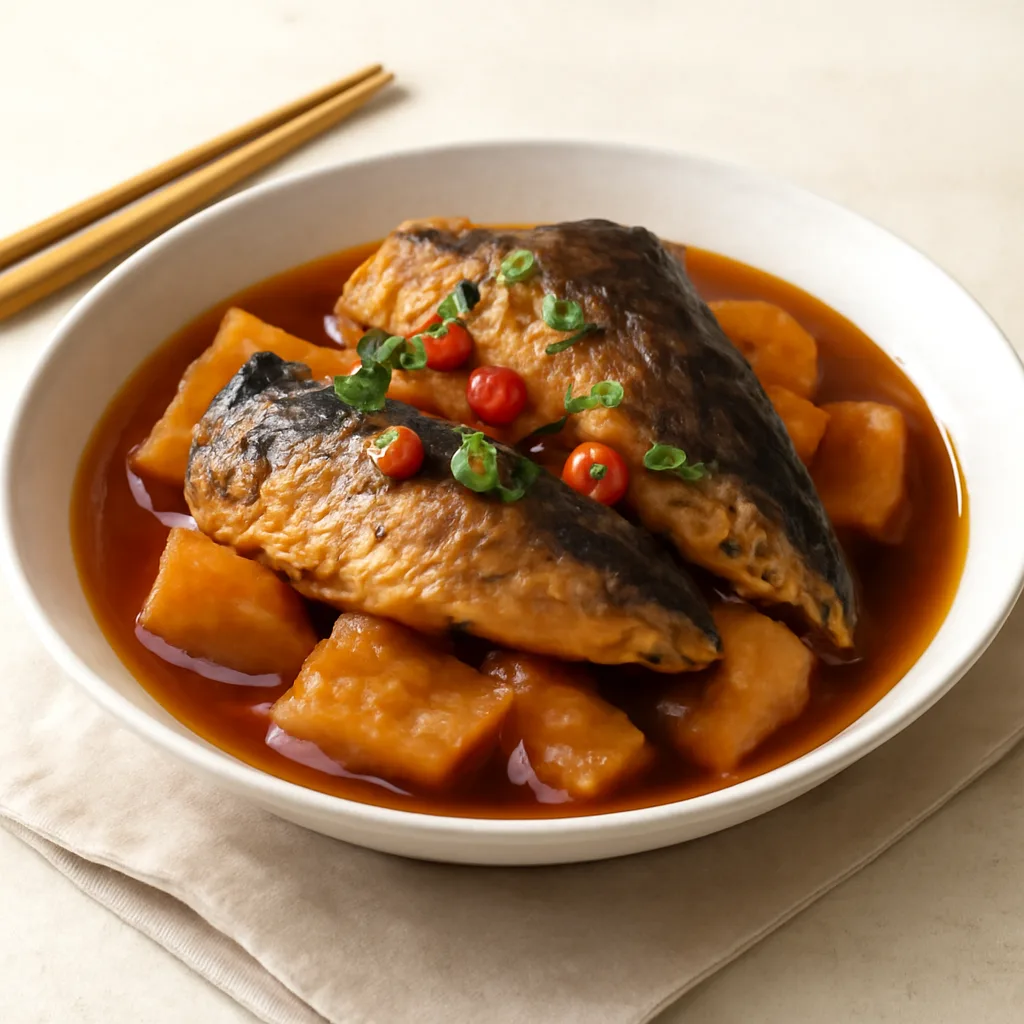
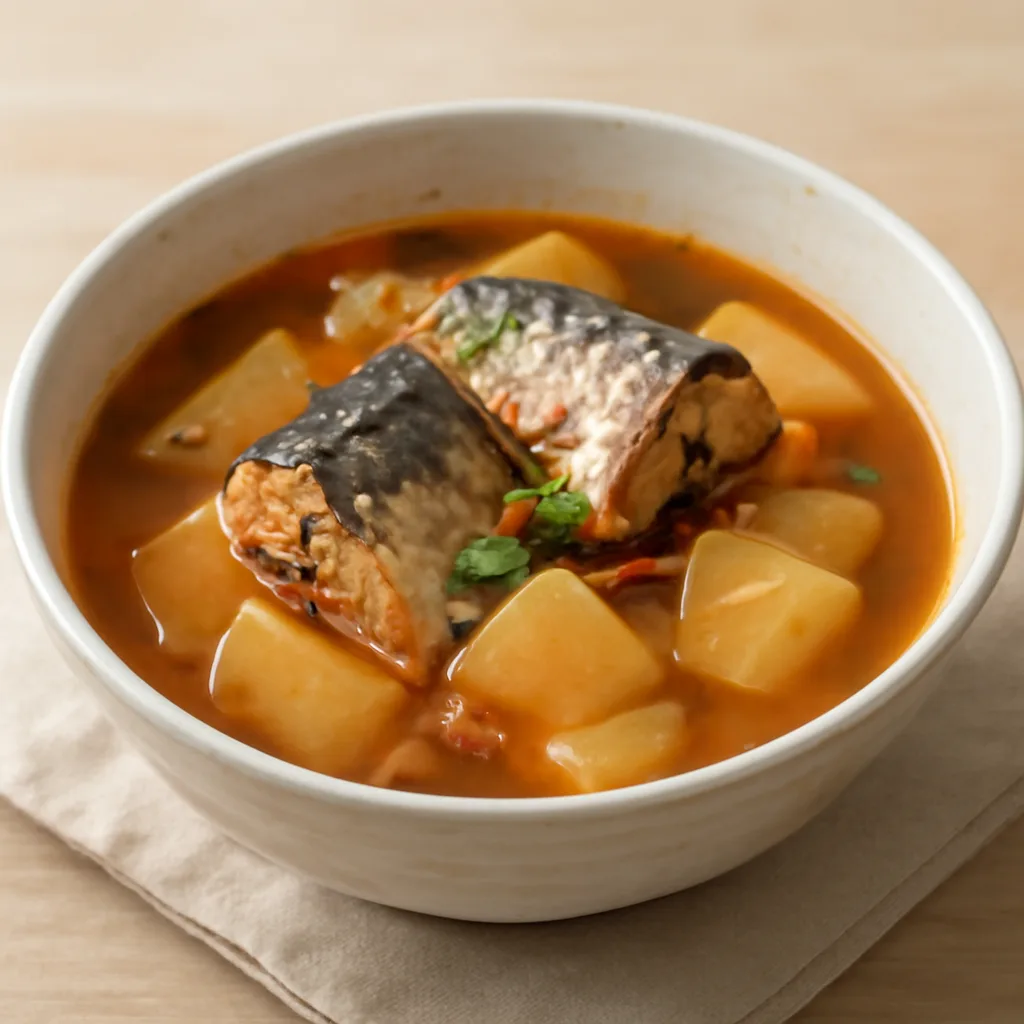
Mackerel is a relatively fatty, blue-skinned fish that’s good for grilling, braising, steaming, and soups. The meat itself has a clear flavor, so even simply grilled with salt is satisfying, but it also goes well with salty, aromatic seasonings like radish, gochujang, and soy sauce. When cleaned, the thickness of the skin side and the belly side can differ, so the cooking pace may vary. When the flesh becomes opaque and can be easily pulled apart with chopsticks, it is generally done, so lowering the heat or finishing the cooking at that point helps keep it moist. Because mackerel has a strong flavor, using it with very delicate sauces, like a bland whitefish, can cover the fish taste. Conversely, if you want to enhance the fish flavor, pairing it with aroma-clearing ingredients like lemon, ginger, garlic, or scallions is practical.
الطعم والملمس
Mackerel has a fragrant, rich fish flavor, and you can feel the fatty texture depending on the part. When cooked, the flesh is soft and the grains break apart nicely, but overheating can cause moisture to escape and edges to become dry and firm. If you fry the skin to a golden brown, you get a crispy texture and roasted aroma; when simmered, you can enjoy moist and tender meat that has absorbed the seasoning. If a fishy aroma is prominent, don’t assume the fish is spoiled; rather, it could be influenced by blood, surface moisture, or oil produced during cooking, so it’s better to adjust preparation and cooking method first.
طرق الاستخدام الرئيسية
- Season with salt and grill skin-side first on a pan or grill, then serve with rice as a representative method. If the skin easily separates from the pan, it may not be fully cooked yet, so wait until the edges are golden before flipping.
- If you braise with radish, onion, and green onion in soy sauce or gochujang, you can use it as mackerel braise. Since the radish may become too soft if boiled too long, it’s advantageous to cook the radish first and add the fish later.
- You can simmer in miso or a clear broth to make a soup or a stew. To deepen the soup flavor, avoid boiling vigorously the whole time, as the fish can break apart and the oil can disperse; after adding the fish, keep it at a medium-low heat.
- Shredded roasted mackerel can be used as ingredients for fried rice, kimbap, or bibimbap. If there are bones, eating can be uncomfortable, so remove large bones and side bones after it’s fully cooked.
نصائح التحضير
- Pat dry the surface and residual blood with a paper towel after refrigerating or thawing the mackerel. If moisture remains, oil may splatter and the skin may become soggy, especially important for crispy cooking.
- Season with salt right before grilling or for a short duration; if surface moisture is high after salting, wipe again before grilling for more even browning.
- To reduce fishy odor, use ginger, cooking wine, pepper, garlic, or scallions according to the recipe. However, using too many pungent seasonings can mask the mackerel’s own savory flavor, so limit to one or two for simple dishes like salted grilling.
- For braised pieces, avoid turning them too often. After the meat softens, using a spatula wider than tongs helps keep the surface intact.
خصائص عند الطهي
- When pan-frying, first cook the skin side thoroughly so the flesh doesn’t stick and turning is easier. As the skin edges contract and curl, you’re near the turning point. The oil from mackerel adds flavor, but excess oil in the pan can feel fried or prevent the skin from browning evenly. If there’s a lot of oil, spoon some off, and keep the heat at medium. In braising, the flavor penetrates the meat as the sauce boils, but long vigorous boiling can cause the pieces to break apart. Once the broth boils, leave the lid slightly ajar and simmer gently to maintain shape.
- pairingTips=[
تركيبات مناسبة
- Radish adds tenderness and depth from absorbing fish oil and seasoning; scallions and onions contribute sweetness and aroma.
- A little lemon, yuzu, or vinegar helps balance the fatty taste. However, too much acidity in braised dishes with strong pastes like gochujang or doenjang can upset the balance.
- Ginger, garlic, and green chilies go well with mackerel’s strong aroma, but for non-spicy grill dishes, keep it simple with pepper and lemon.
- Plain sides like rice, seaweed, or fresh vegetables pair well to let the mackerel’s flavor shine.
نقاط يجب مراعاتها عند الاستبدال
- For grilled or braised dishes that rely on the mackerel’s oily flavor and tender flesh, mako or saury can be relatively close alternatives. Note mako may feel more tender, and saury’s aroma and bone presence differ, so cooking times may not translate exactly.
- If using a different fish in a soup, adjust the amount of seasonings and aromatics to match the fish’s oiliness; milder white fish can make the broth feel lighter.
- For dishes like braised mackerel where radish and strong seasoning are central, you can use knife (garfish) or saury as substitutes, but adjust the timing to first cook the radish and then add the fish, since piece thickness and flesh firmness vary.
المكونات التي تستخدم غالبًا مع الأطعمة الفعلية
يتم تجميعها بناءً على عدد مرات ظهور المكونات الرئيسية للأطعمة العامة المسجلة في CookPagoda.
الأطعمة التي تحتوي على هذه المكونات
نقدم لك الأطعمة التي تحتوي على هذه المكونات كمواد رئيسية مرتبة حسب عدد المشاهدات.