Zutaten-Enzyklopädie
Überprüfen Sie die Eigenschaften der Zutaten und wie sie in der Küche verwendet werden.
올리브
2
2
Olives are primarily used in forms of salty brine pickles or oil-packed fruit. Fresh olives can be very bitter, so in home cooking they are usually drained after being jarred or canned brined olives. Depending on variety and curing method, green olives and black olives differ in taste, firmness, and saltiness. Minced, they add acidity and salt when mixed into salads, pastas, pizzas, and sandwiches; whole olives pair well with cheese or bread. However olives have strong aroma and saltiness, so they are advantageous for highlighting mild ingredients, but in delicate broths or cream sauces adding too much can overwhelm the overall flavor.
Geschmack und Textur
Olives are inherently salty and slightly sour, with a characteristic bitter-fruity aroma and umami. Green olives tend to be brighter and can have a sharp bite, while black olives are generally softer and give a rounder impression. The flesh can be firm or soft, and products with pits may have a more pronounced aroma while chewing. Pitted products are convenient to use, but during cooking they can fall apart easily.
Hauptverwendungszweck
- Chopped olives add saltiness and a fresh note to tomato sauce pasta, pizza, and roasted fish dishes. When using with other salty ingredients, it is better to check the final salt level at the end of seasoning.
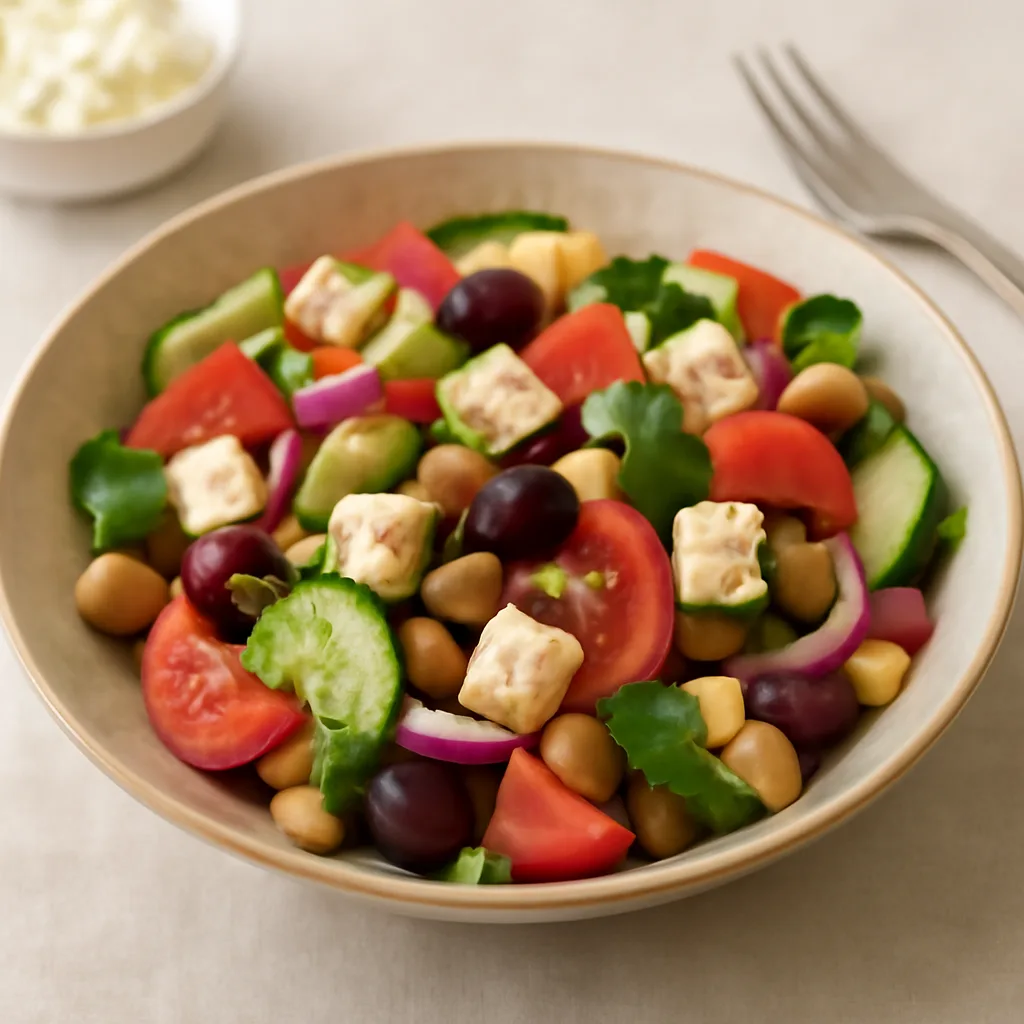
- For salads, use whole or halved to complement the mildness of vegetables. When using with salty cheeses like feta, reduce the amount of olives or skip the dressing salt.
- Mix chopped olives with capers, garlic, and herbs to make a simple sauce to accompany bread or roasted meat/vegetables. If the acidity seems lacking, adjust with a small amount of lemon juice or vinegar to balance the flavor.
- When adding to doughs like bread or focaccia, wipe off excess brine before use. If too much pickling liquid remains, dough can become slack and olives around it can taste too salty.
Vorbereitungstipps
- Rinse off the brine before use and taste. If the saltiness is strong, rinse lightly in cold water and pat dry before adding, but note that soaking too long can diminish the olives’ distinctive pickled flavor.
- Stone-containing olives can be slightly pressed with the back of a knife to loosen the flesh and remove the pit, which makes chopping easier. When cooking whole or serving, it’s convenient to leave the pit visible.
- For cold salads or finishing toppings, add at the end to maintain a firm texture. If you want to spread aroma in the sauce, finely chop and briefly sauté with garlic and onion at the start of cooking.
- If you grind olives too finely, it can form a salty, oily paste. If you need a chewy texture in a dish, leave the grinding thickness consistent.
Besonderheiten beim Kochen
- Olives do not significantly increase sweetness when heated; their saltiness and pickling aroma spread into the sauce or oil. So, add them in the middle of cooking for tomato sauce or oil-based pasta to leave behind aroma, and reserve some for finishing if the saltiness is a concern.
- Over high heat, the flesh can become shriveled and the aroma dulls. A brief heating where the surface is just warm and the aroma rises is ideal.
- In watery sauces, the olives’ saltiness will quickly distribute throughout. As the sauce reduces, the saltiness concentrates, so if you started with a lot of salt, add water or unsalted ingredients to adjust.
- In oven dishes, olives can dry on the surface and their saltiness can stand out. For pizzas or roasted vegetables, placing some under cheese or sauce can reduce excessive dryness.
Gut passende Kombinationen
- Olives pair well with tomatoes, lemon, garlic, capers, and herbs like parsley and oregano, which brighten and clarify the olives’ saltiness.
- When paired with mild chicken, fish, potatoes, beans, or roasted eggplant, olives can act as a salting agent. If the dish already contains many salty ingredients like soy sauce, anchovies, or bacon, use only a small amount of olives for balance.
- Soft cheeses or nuts mellow the bitter aroma; conversely, with very sweet sauces the contrast between sweetness and pickled aroma can be strong, so start with small amounts and adjust.
Hinweise zum Ersetzen
- For dishes needing the saltiness and pickled aroma of olives, capers can be used in small amounts, but capers are smaller and more sour, so add gradually and taste.
- To replace olives in salads or cold sides where the chewy texture is desired, pickled artichokes or pickles can be used. However, since their aroma and acidity differ, adjust the dressing vinegar or lemon amount accordingly.
- In pasta or tomato sauces where olives are absent, combine capers with a bit of lemon zest or herbs to create a salty and aromatic impression. There is no direct substitute that reproduces the smooth flavor of black olives, so in dishes where olives are a central ingredient, it is better to omit or switch to a different sauce.
Zutaten, die häufig zusammen in echten Gerichten verwendet werden
Basierend auf der Häufigkeit der gleichzeitigen Verwendung von Hauptzutaten in den bei CookPagoda registrierten öffentlichen Gerichten.
Gerichte, in denen diese Zutat verwendet wird
Wir zeigen Ihnen die Gerichte, in denen diese Zutat als Hauptzutat enthalten ist, nach Aufrufzahlen sortiert.