Zutaten-Enzyklopädie
Überprüfen Sie die Eigenschaften der Zutaten und wie sie in der Küche verwendet werden.
Chili-Pulver
4
1
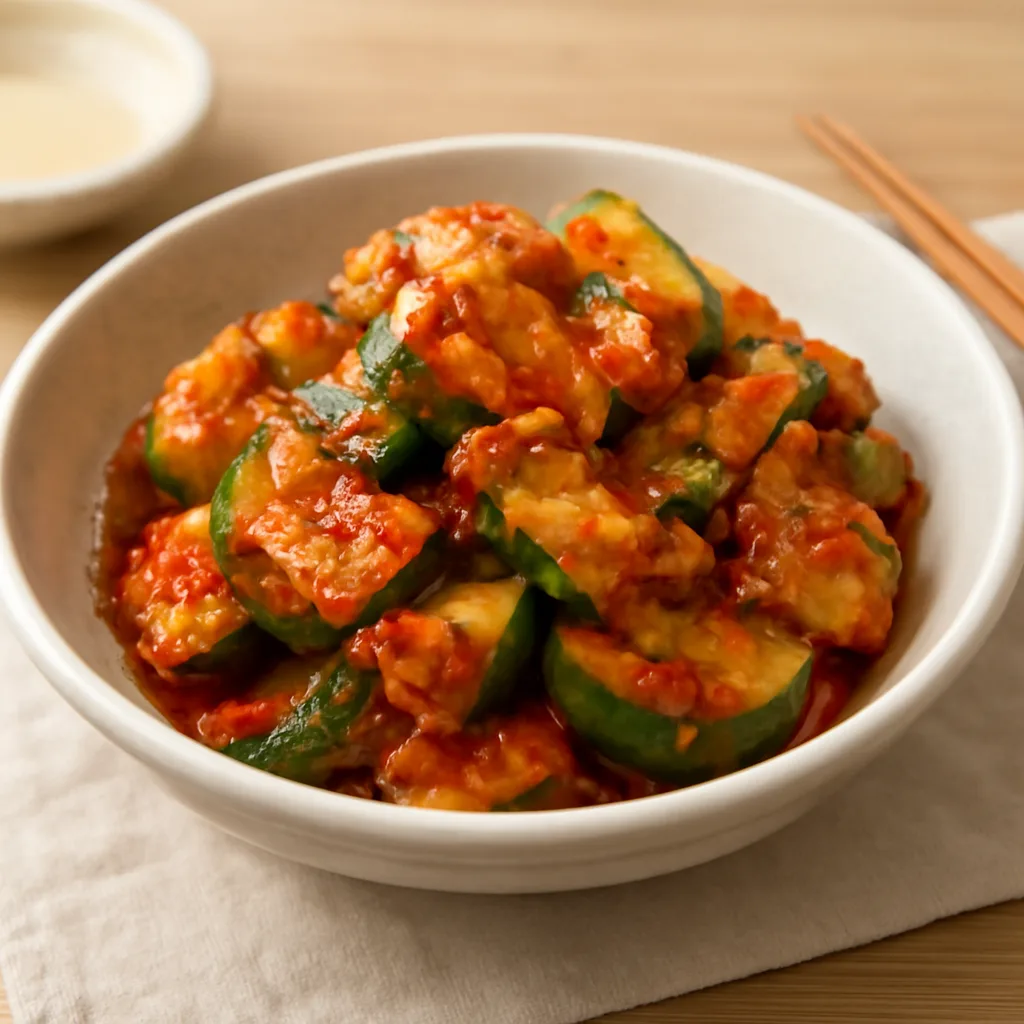
Red chili pepper powder is a seasoning made by finely to somewhat coarsely grinding dried chilies, used to add red color and a spicy aroma to dishes. In stews, soups, kimchi, salads, stir-fries, and sauces with moisture, the color and spiciness spread into the broth or seasoning, balancing the overall flavor. The results vary greatly depending on particle size and heat level. Fine chili powder blends quickly into sauces for uniform color, but prolonged heating can feel dull or muddy, while coarse chili powder leaves visible pieces and texture in kimchi or salads. Even if a recipe already calls for chili powder, practically start with only a portion and adjust based on the desired heat and color for practicality.
Geschmack und Textur
Chili powder carries the characteristic sharp aroma of chilies, a subtle sweetness, and, depending on the product, a range from mild to strong heat. Rather than simply increasing spiciness, it creates both red color and a rich chili scent. When dissolved in water, the particles disperse into the seasoning or broth, and coarser products may leave a slight chewy mouthfeel. Lightly toasting in oil helps extract aroma and color, but excessive heat can make the aroma rough and turn it into a burnt taste.
Hauptverwendungszweck
- Add to dishes where vegetables are seasoned, such as kimchi, fresh kimchi, or seasoned radish salad, to create red color and a spicy flavor. Coarse particles are especially suitable when the sauce is visibly present and sticks to the surface of vegetables.
- Add to soups like doenjang jjigae, kimchi jjigae, and yukgaejang to boost color and chili aroma. If the broth is already spicy or salty, it is better to start with small amounts to adjust color and aroma rather than increasing chili powder all at once.
- Use mixed with gochujang, soy sauce, minced garlic, sesame oil, etc., to create seasoning paste for bibimbap, grilled dishes, and braises. If you add too much chili powder alone, the sauce may become gluey or powdery, so adjust the thickness with liquid seasonings.
- Add to pork or fish stir-fries/braises to balance the oily flavor and impart color to the seasoning. For dishes where the seasoning coats the surface of ingredients, fine chili powder adheres more evenly.
Vorbereitungstipps
- If the powder smells musty or like old oil before use, the finished dish may have a dull aroma. In this case, it is better to use fresh chili powder rather than covering with strongly scented seasonings.
- When adding to broth, first dissolve in cold water or a seasoned liquid to reduce lumping and ensure even color distribution. However, for clear soups where transparent taste and color are important, chili powder may not be suitable.
- When frying in oil, sauté minced garlic or scallions to extract aroma, then lower the heat or simmer briefly before adding chili powder. If the powder blackens or gives a harsh smell, it signals burning, so start over with fresh oil and seasonings.
- For kimchi or salad, mix chili powder with fish sauce, soy sauce, vinegar, or vegetables with moisture first, and let sit for a few minutes to let the particles absorb moisture and reduce the gritty powdery texture. If the vegetables release a lot of water, avoid adding too much of the initial seasoning and finish seasoning after mixing.
Besonderheiten beim Kochen
- With short heating, color and aroma spread with oil and moisture, but in high heat and long fry, fine chili powder can scorch easily. If the seasoning browns too much, reduce heat and add water, stock, or seasoning liquid to temper heat.
- In broths, the particles absorb moisture as it boils, rounding the flavor. Even if the initial taste seems mild, wait to assess heat and color after it comes to a boil rather than adding immediately.
- Chili powder slightly thickens sauces and can settle to the bottom. If braising sauce becomes too thick, rather than adding more chili powder, supplement with water or stock to adjust viscosity.
- It pairs with acidic components to create red color and heat in salads with vinegar; however, on sauces with very strong acidity, the chili aroma’s sweetness may be overwhelmed, so adding vinegar in stages at the finishing step is advantageous.
Gut passende Kombinationen
- Garlic, scallion, and ginger complement the sharp aroma of chili powder, while soy sauce, salted fish sauce, and doenjang fill in the savory umami gaps.
- Fragrant oils like sesame oil or Perilla oil connect the chili aroma smoothly, but using too much oil can mute the spicy impact and make it heavy.
- Pairs well with pork, tofu, mushrooms, zucchini, and radish—ingredients that are mild or moist. Before adding extra sugar in a sweet-seasoning, first check the subtle sweetness of chili powder and balance the heat.
- When using sharp flavors like vinegar, shrimp paste, or fish sauce, avoid overdoing chili powder as both flavors can crowd the ingredients' own flavors.
Hinweise zum Ersetzen
- If chili powder is unavailable, finely ground chili powder can be used, but blends that include other spices may add garlic or cumin, altering the Korean seasoning flavor. Ensure the ingredient is simple chili powder and start with a small amount while gauging spiciness.
- You can partially substitute with gochujang, but gochujang contains sweetness, saltiness, and viscosity, so it is not a straight 1:1 replacement. For braises or seasoned sauces with thickness, use gochujang in small amounts and reduce or adjust soy sauce, sugars, and liquids accordingly.
- Ground paprika can be used to imitate color and a mild chili aroma, but it does not replace the spiciness. It is suitable when color is needed but you do not want heat; it is not a complete substitute for spicy stews or kimchi seasonings.
- In kimchi or salads where the coarse texture is important, using only fine chili powder changes the texture on the surface. The taste can be matched, but the crunch and visible particle texture will differ.
Zutaten, die häufig zusammen in echten Gerichten verwendet werden
Basierend auf der Häufigkeit der gleichzeitigen Verwendung von Hauptzutaten in den bei CookPagoda registrierten öffentlichen Gerichten.
Gerichte, in denen diese Zutat verwendet wird
Wir zeigen Ihnen die Gerichte, in denen diese Zutat als Hauptzutat enthalten ist, nach Aufrufzahlen sortiert.