Zutaten-Enzyklopädie
Überprüfen Sie die Eigenschaften der Zutaten und wie sie in der Küche verwendet werden.
Essig
6
5
Vinegar is a souring agent made through fermentation, used to sharpen the taste of foods and reduce greasiness. Because traces of aroma and sweetness vary depending on whether the vinegar comes from rice, grains, apples, grapes, etc., the impression of the dish can change even with the same amount. Widely used in salads, pickles, sauces, soups, and stir-fries, adding it at the very end tends to leave its aroma relatively clear. If the acidity feels strong, balance with water, broth, oil, sweetness, or the moisture of the ingredients themselves; however, simply increasing sweetness can make the flavor heavy. Vinegar is less a substitute for salt and more a brightening flavor for umami seasonings like salt, soy sauce, and miso. Therefore, it is better to add in small amounts first and check the point where saliva gathers in the mouth and the taste finishes cleanly.
Geschmack und Textur
The basic taste is sharp and refreshing sourness, and the aroma can range from light to fruity or deep depending on the vinegar’s base and aging method. Aromatic products like brown rice vinegar or apple cider vinegar have a strong presence in cold sauces and salads, while clear brewing vinegar is relatively neutral when you want other seasonings to stand out. As a liquid seasoning it does not create texture directly, but it can cause vegetables to release moisture or alter the texture of protein surfaces. If marinating for a long time, the surface tends to firm up rather than soften, so timing is important.
Hauptverwendungszweck
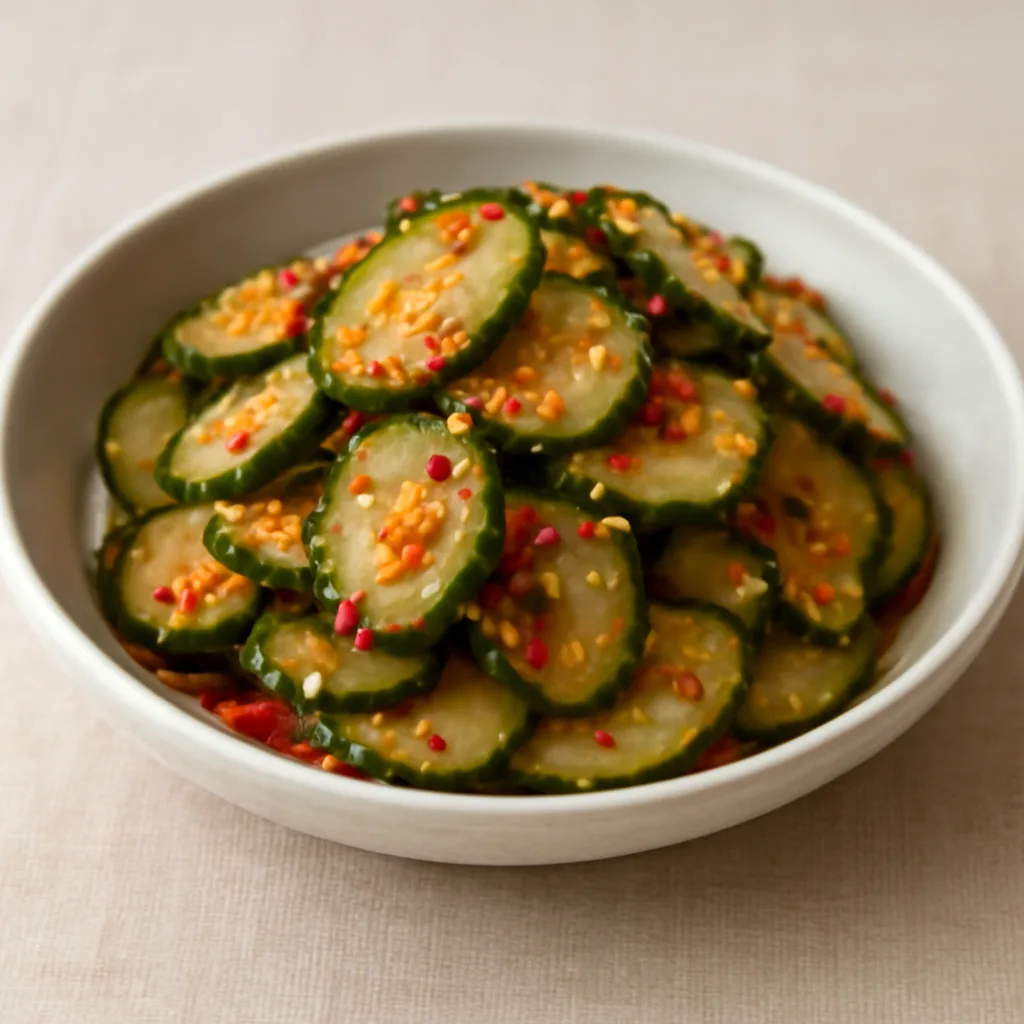
- When pickling or making salads with cucumbers, radishes, or cabbage, it provides a fresh contrast to crunchy ingredients. Pickling brine should be adjusted with water, salt, and sugars in addition to vinegar to avoid it becoming overly sour or salty.
- Mix with soy sauce, chili pepper flakes, minced garlic, and sesame oil to make a vinaigrette or dipping sauce. If you want to preserve the sesame oil aroma, don’t add too much vinegar and adjust the flavor at the end after tasting.
- Cold dishes like cold noodles, chilled salads, or dressings for salads benefit from vinegar to balance the sweetness and oily richness. For noodle dishes, after tossing the sauce with the noodles, gradually add vinegar if the acidity is lacking to avoid excessive sourness.
- As a finishing acidity for rich or dull-tasting soups, stews, or braises. However, strong-vinegar flavors may not suit fermented aromas in miso soup or rich broths, so using a milder variety in small amounts is better.
Vorbereitungstipps
- Usually there is no need to gently shake the bottle before use, but if the product contains pulp or sediment, check the label and mix evenly. Smelling the aroma first helps judge if it suits the dish.
- In pickles, add vinegar gradually after mixing the seasoning, tasting halfway. If the sourness lingers sharply on the side of the tongue, consider adding a bit of vegetables or water to adjust before adding sugar.
- When pickling vegetables, decide whether to extract moisture with salt first or to soak directly in the vinegar brine. For maintaining a crisp texture, short pickling is better, and long pickling may not be suitable for making soft pickles.
- When using vinegar with meat or fish, approach with a short marinade just to enhance aroma. If the surface turns white or starts to firm up, it’s a sign of being exposed to acid for too long, so it’s better to cook immediately or wipe away.
Besonderheiten beim Kochen
- When heated, the volatile aroma of vinegar decreases, but the acidity does not disappear completely. For dishes requiring a fragrant acidity in stir-fries or broths, turn off the heat and add it at the end or use it in the finishing stage.
- If added at the beginning and boiled, the strong vinegar aroma will mellow and leave a rounded sourness mixed with other ingredients. If the dish simmers for a long time and the sourness is more pronounced than expected, adjust by adding water or broth and re-season.
- Vinegar helps draw moisture from vegetables by interacting with their structure. If pickled vegetables become soft and the seasoning becomes thin over time, toss them just before serving or drain the liquid after pickling to adjust.
- Directly adding vinegar to high-protein ingredients like dairy or soy milk can cause it to separate into curds. It can be used intentionally for coagulation, but for smooth cream sauces, add vinegar in small amounts and avoid high heat.
Gut passende Kombinationen
- When used with soy sauce, salt, sugar, or glucose, it helps balance salty, sweet, and sour flavors. If the seasoning is heavy, try adding a few drops of vinegar, but rather than simply increasing vinegar to compensate for a pre-existing saltiness, adjust water or ingredient quantities as well.
- Sesame oil, perilla oil, or olive oil pair with vinegar to cut the oily feeling with the acidity. However, with strongly flavored perilla oil, a milder vinegar may feel more natural than a fruity one.
- Garlic, ginger, chili, and mustard pair well to finish a spicy or sharp seasoning. If the spice level is already high, avoid excessive vinegar and instead use sweetness or moisture from vegetables.
- It is particularly good with bland or fatty ingredients like cucumber, radish, cabbage, seafood, or boiled meat. For delicate raw vegetables or clear broths, a strong-flavored vinegar may overpower the ingredient aromas.
Hinweise zum Ersetzen
- If you don’t have vinegar, you can use lemon or lime juice to add acidity, but the citrus aroma and a touch of sweetness will alter the flavor of vinaigrette or pickles. It’s a good option for fruit-forward salads or seafood dishes, but may not be suitable for traditional light pickles.
- Rice vinegar, brewing vinegar, and apple cider vinegar can be interchanged, but consider differences in aroma and sweetness. When using a stronger vinegar, start with a small amount and adjust the acidity at the end.
- Balsamic vinegar has color, sweetness, and a rich aroma, so it may be unsuitable to replace clear pickles or bright-colored salads. Conversely, for dishes requiring deeper flavor like roasted vegetables or meat sauces, some substitutions can be made.
- If the core of the dish is the vinegar’s acidity and the preserving brine, simply substituting with water or soy sauce is difficult. In such cases, it is easier to obtain the specific vinegar you want for predictable flavor and results.
Zutaten, die häufig zusammen in echten Gerichten verwendet werden
Basierend auf der Häufigkeit der gleichzeitigen Verwendung von Hauptzutaten in den bei CookPagoda registrierten öffentlichen Gerichten.
Gerichte, in denen diese Zutat verwendet wird
Wir zeigen Ihnen die Gerichte, in denen diese Zutat als Hauptzutat enthalten ist, nach Aufrufzahlen sortiert.