Zutaten-Enzyklopädie
Überprüfen Sie die Eigenschaften der Zutaten und wie sie in der Küche verwendet werden.
Tortilla
2
4
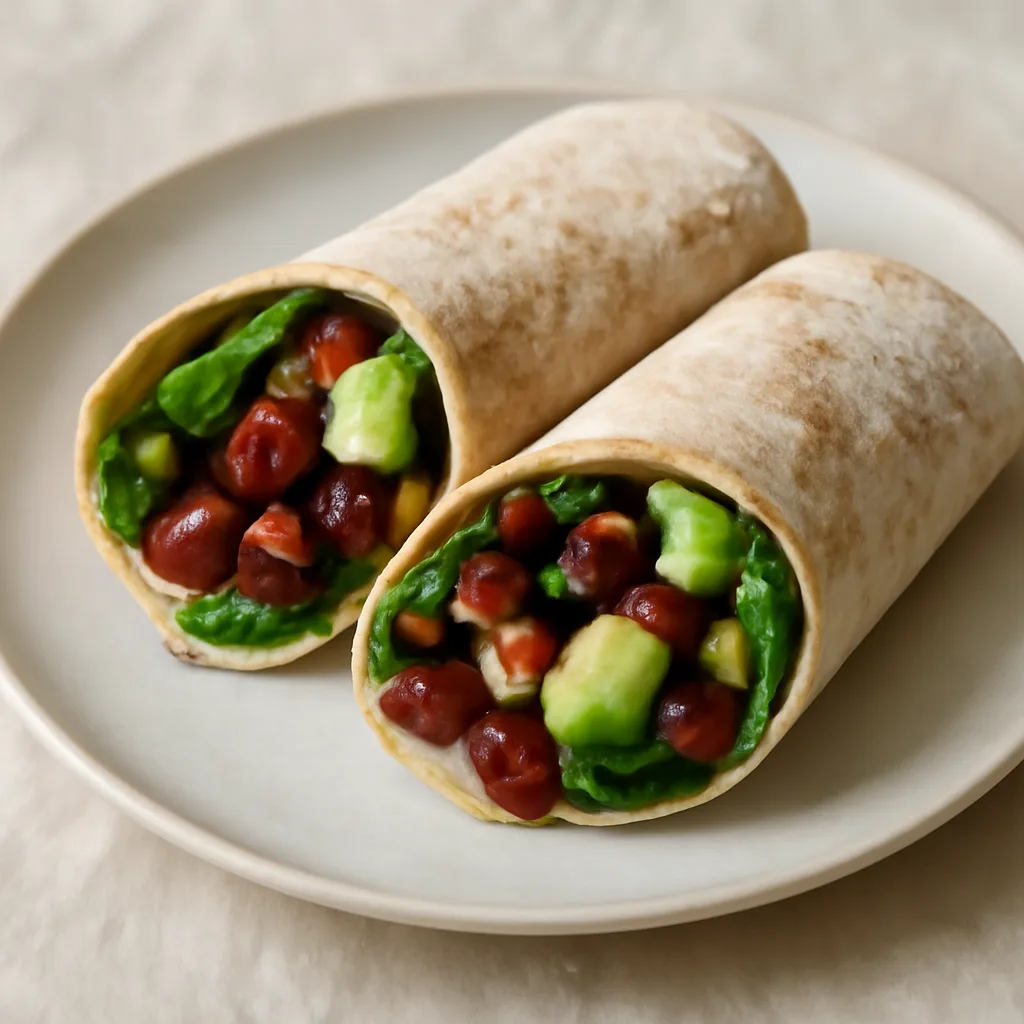
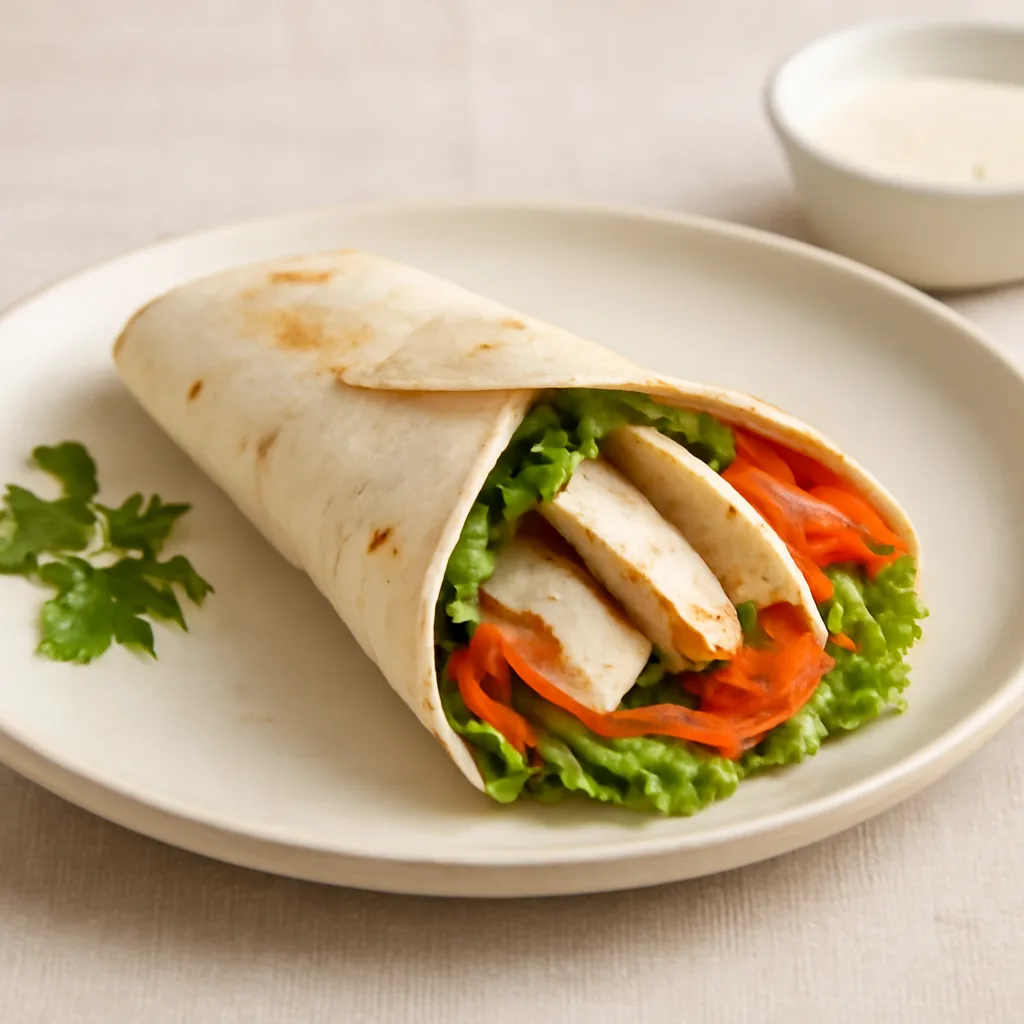
Tortillas are flatbreads baked thin and round, good for wrapping or layering fillings. Plain flour tortillas are relatively soft and flexible for rolling, while corn tortillas have a distinctive grainy aroma and a more pronounced texture. They are used not only for wrapping ingredients in dishes like wraps, tacos, and burritos, but also for baking crispy dishes like quesadillas, nachos, or tortilla pizzas. When cold and hard, the edges can split when folding, so a brief warming appropriate to the use greatly affects the finish. If the cooked fillings release a lot of moisture, tortillas can become soggy quickly. In that case, reduce the moisture from the filling first, or serve with sauce on the side and assemble just before eating.
Geschmack und Textur
The flavor is generally mild and serves to support the flavors of the fillings and sauces. Flour tortillas are subtly nutty and soft, while corn tortillas have a more pronounced corn aroma. When used as is, they are flexible, but heating in a pan or oven will dry the edges and make them crisp. Properly heated tortillas are pliable; if cooked for too long or on high heat, they become dry and prone to breaking.
Hauptverwendungszweck
- Fill with sautéed meat, beans, vegetables, cheese, and salsa, then fold or roll to use as tacos or wraps.
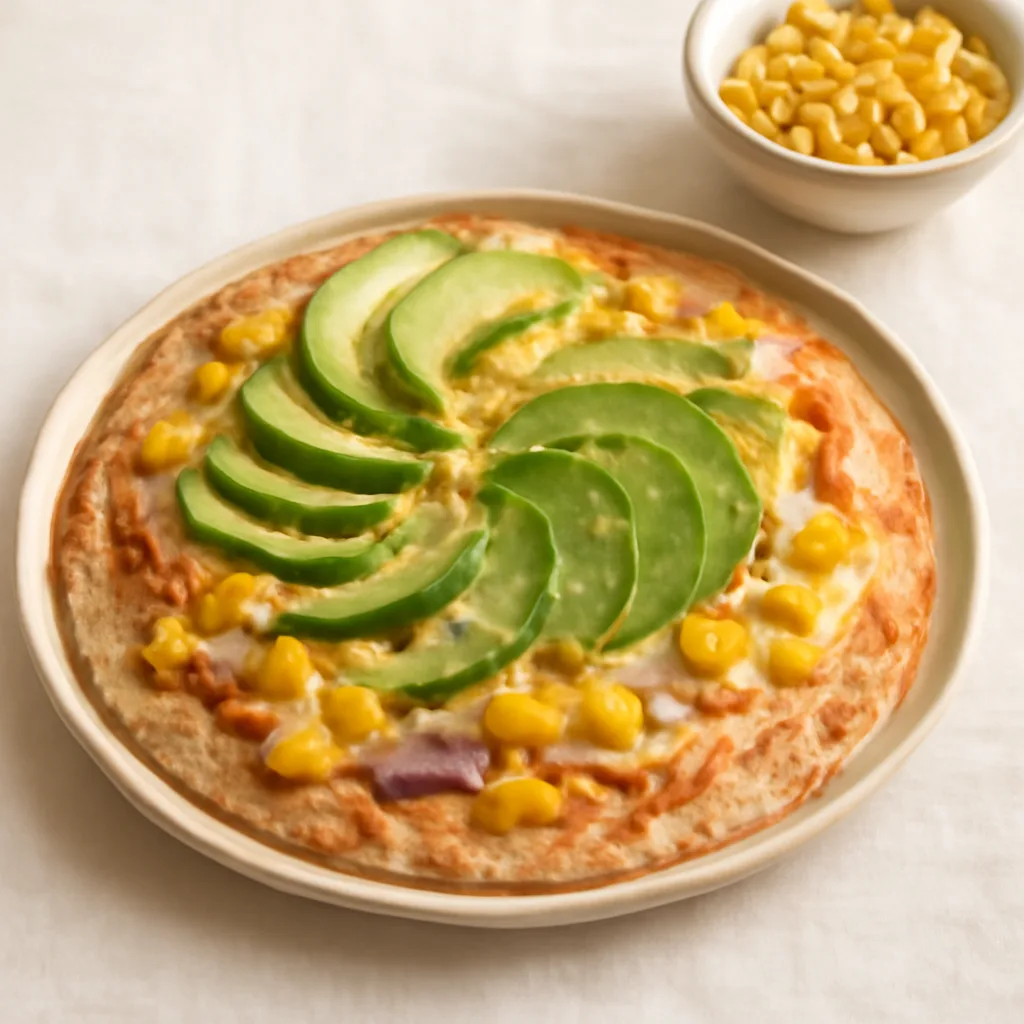
- Place cheese and cooked ingredients between to make quesadillas. Cheese acts as an adhesive, so spread ingredients thinly rather than thickly to avoid spilling contents when flipping.
- Cut into triangles to bake without oil or fry to make chips. If serving with dip, it’s better to bake till the edges harden rather than making them fragile by over-baking very thinly.
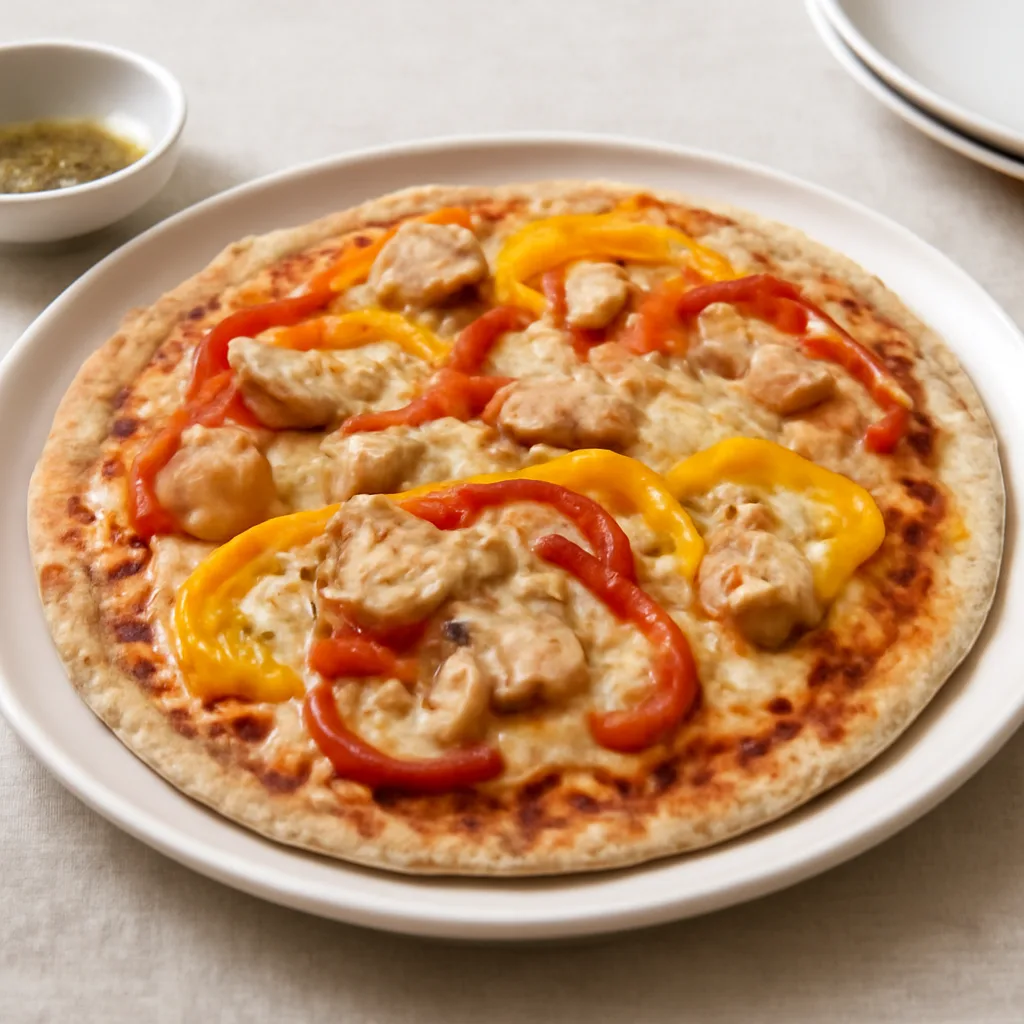
- Top with sauce, cheese, and leftover roasted vegetables to make a simple tortilla pizza. If you spread a runny sauce, do so thinly to prevent the center from becoming soggy.
Vorbereitungstipps
- Warm tortillas just briefly by using a dry skillet, microwave, or steaming; they should become warm and pliable, with surface warm enough to bend; there’s no need to overheat until dark brown spots form.
- When warming in a pan, heat over medium heat for a short time on each side, then stack on a plate to keep warm. Exposed to air for too long, heat and moisture escape and they become stiff again.
- For wrap fillings, let them rest briefly after sautéing to vent steam; if hot steam is trapped inside the tortilla, the bottom can become wet, so moisture from ingredients like cabbage, mushrooms, or minced meat should be drained.
- For crispy chips or tortilla pizzas, you can very lightly brush the surface with oil. Using too much oil can make them heavy and oily rather than crispy.
Besonderheiten beim Kochen
- When heated in a dry pan, light brown spots appear on the surface and the aroma becomes more toasty. Spots can be a sign of proper heating, but if the burnt areas spread quickly, lower the heat or reduce the time.
- When cheese is added and heated, tortillas help trap heat and moisture inside, making it easier for the cheese to melt. If fillings are cold and thick, the outside may crisp first while the inside remains less heated, so pre-cook fillings or roll thinly.
- Oven or air fryer tends to dry from the edges quickly, becoming chip-like. If you want soft wraps, this dry high-heat method is not ideal; shorter pan heating is more suitable.
Gut passende Kombinationen
- Pairs well with cheese, black beans or kidney beans, roasted chicken or beef, avocado, onion, bell pepper, and tomato salsa. A tangy salsa or lime-flavored sauce balances the mild tortilla, but if ingredients are already pickled, use less sauce to avoid a salty or soggy overall result.
- Corn tortillas pair well with roasted corn, beans, chili, and bold, bright salsas, while flour tortillas naturally pair with creamy cheeses, eggs, and tender chicken fillings.
- Crispy tortilla chips are nicely served with chunky dips like guacamole, bean dip, and salsa. Dipping works better than soaking in a soup or thin sauce, which can soften the chips.
Hinweise zum Ersetzen
- For dishes that require flexible wrapping like wraps or burritos, a large flour tortilla is the closest substitute. Pita or thin flatbreads can be used, but their thickness and elasticity will change how full you can fold.
- For dishes where the grain aroma is important, like tacos, corn tortillas are suitable. Substituting with flour tortillas can be easier to handle but will alter the flavor to be less corn-forward.
- Quesadillas or tortilla pizzas can use thin lavash or thin flatbreads. However, moisture absorption and baking time differ, so reduce toppings and sauces and adjust based on the result.
- For chips, you can substitute with a thin pita or thinly sliced flatbread, but the unique light crispness of tortillas will differ. If the dip needs to hold weight, a slightly sturdier substitute is more practical.
Zutaten, die häufig zusammen in echten Gerichten verwendet werden
Basierend auf der Häufigkeit der gleichzeitigen Verwendung von Hauptzutaten in den bei CookPagoda registrierten öffentlichen Gerichten.
Gerichte, in denen diese Zutat verwendet wird
Wir zeigen Ihnen die Gerichte, in denen diese Zutat als Hauptzutat enthalten ist, nach Aufrufzahlen sortiert.