Zutaten-Enzyklopädie
Überprüfen Sie die Eigenschaften der Zutaten und wie sie in der Küche verwendet werden.
Cheddar-Käse
3
5
Cheddar cheese is a hard cheese made by coagulating and aging milk, used in cooking to add a salty savory flavor and rich fat. The color ranges from ivory to orange, and color differences matter less than the degree of aging and moisture content in how it melts. It pairs well with melted applications like sandwiches, burgers, omelets, and macaroni and cheese, and can be grated over soups, potato dishes, and salads as a finishing touch. Young cheddar melts smoothly and finely, while aged cheddar has a richer flavor and can separate oil or have a coarser texture when heated, so choose according to use. If you want a pronounced flavor, add it at the end of cooking and melt briefly; if a silky sauce is important, choose mid-aged product and melt slowly over low heat. Very strong-smelling aged cheddar is good for savory ingredients, but can overpower delicate fish or clear broth dishes.
Geschmack und Textur
Cheddar cheese is salty and nutty, with deeper, slightly tangy notes becoming more pronounced as it ages. Young cheddar is relatively mild and creamy, while aged cheddar is richer and sometimes has a sharp bite. When cold, it cuts cleanly or grates easily; as it approaches room temperature, it softens. Young cheddar tends to be elastic and soft when melted, while well-aged ones can crumble or show small crystals.
Hauptverwendungszweck
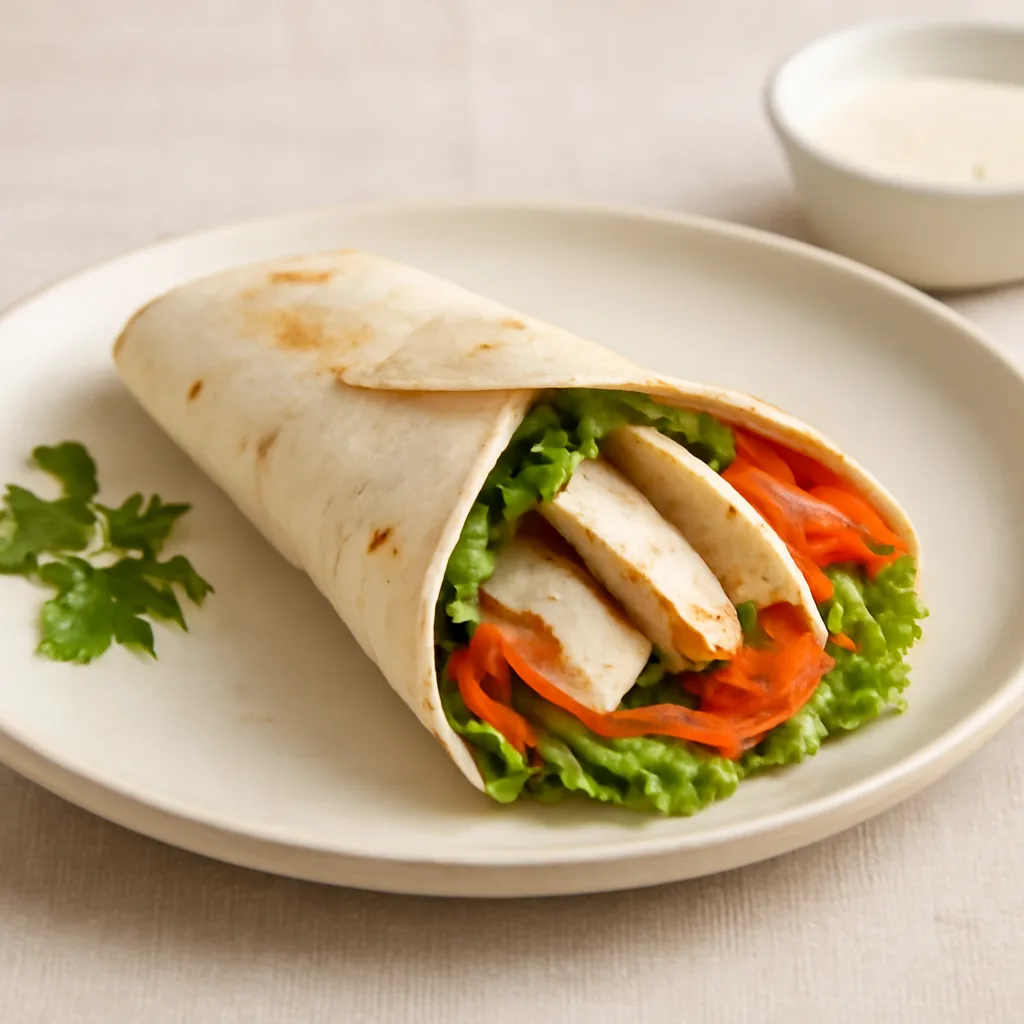
- Thinly sliced in burgers, ham sandwiches, and grilled cheese sandwiches to add a deep flavor that binds bread and fillings.
- Grated over macaroni, potato gratin, or roasted vegetables, then melted in oven or on the grill to form a golden crust.
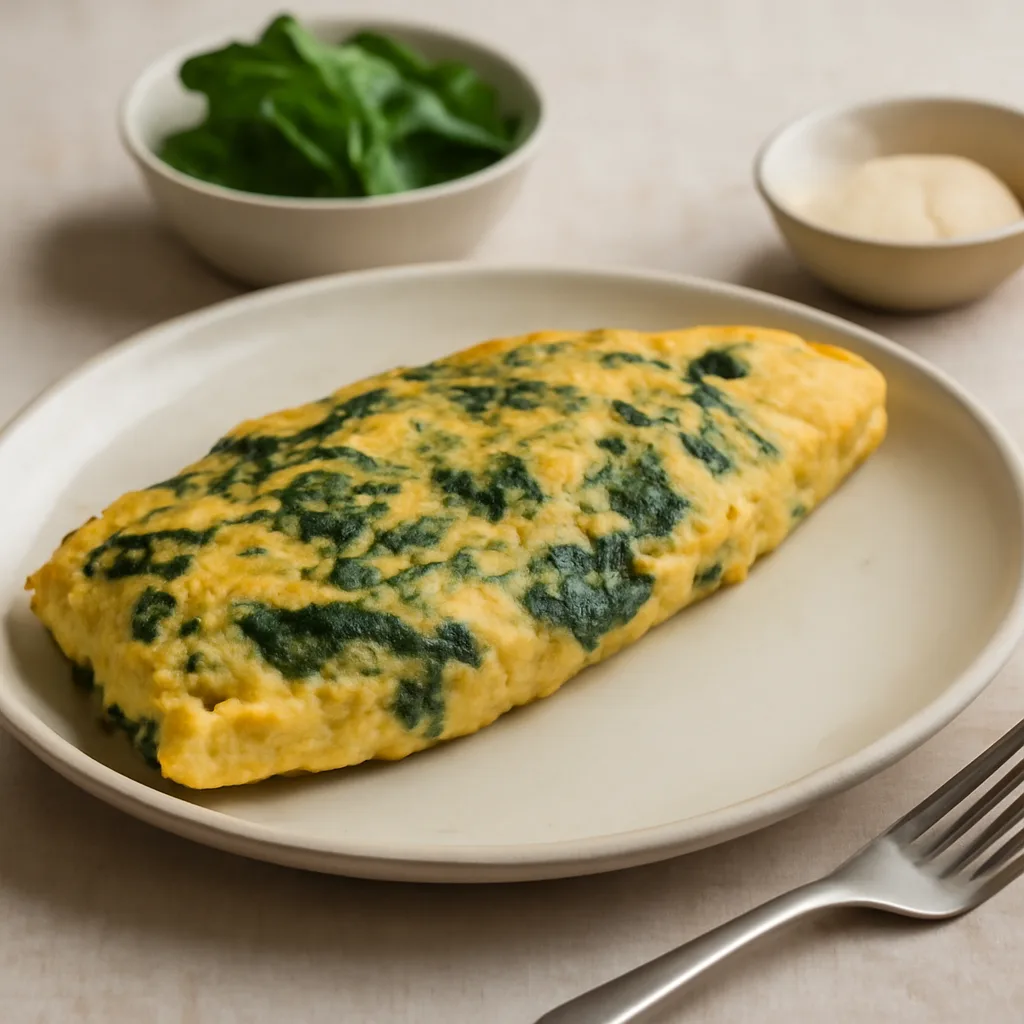
- Used in quick-heated dishes like omelets, scrambled eggs, quesadillas to keep the inside moist and savory.
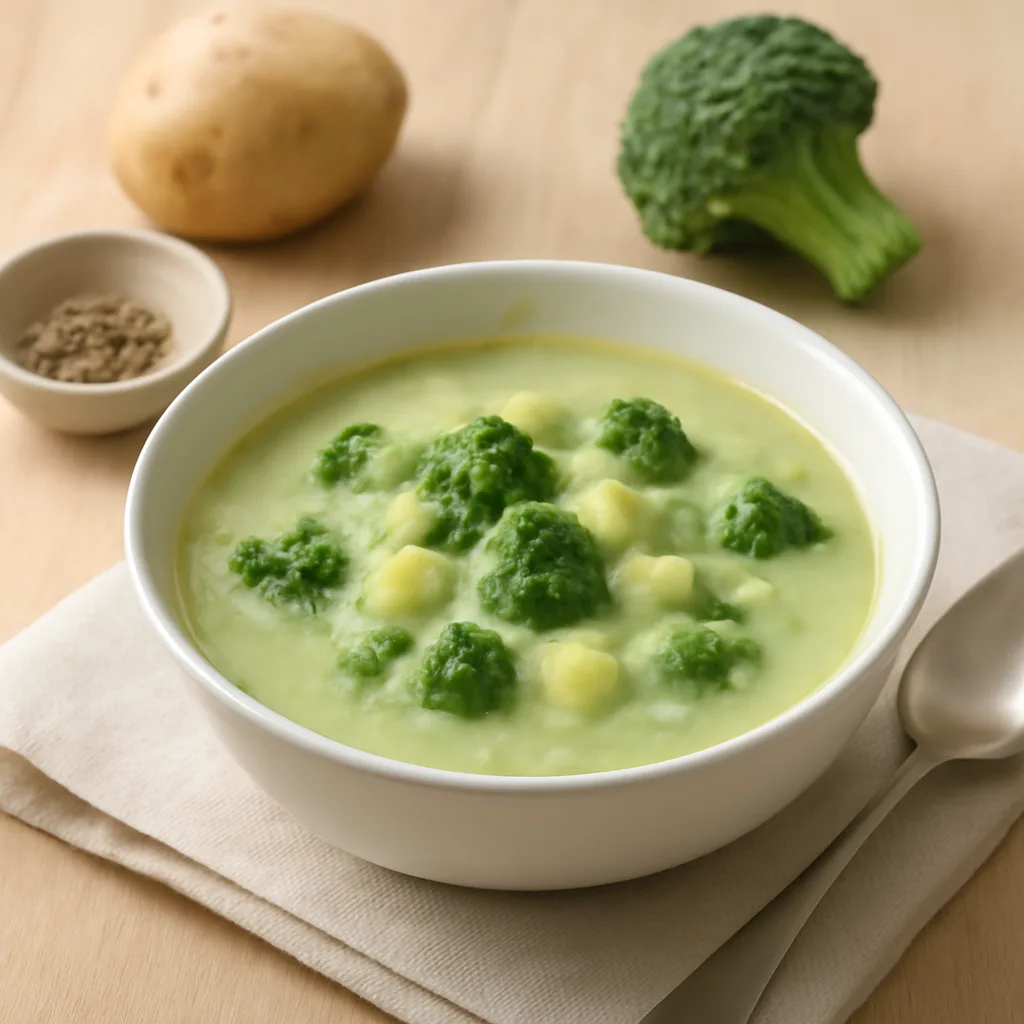
- Used in cheese sauces based on milk or cream to pair with pasta, boiled broccoli, or cauliflower.
- Finally, it can be finely chopped or cut into small pieces and served on a cold platter with apples, pears, or crackers.
Vorbereitungstipps
- When melting, grating cheese by hand from a block yields a smoother sauce than pre-grated product. Pre-grated cheese is often treated to prevent clumping and may yield a different result if a smooth sauce is the goal.
- Cold cheese can be finely grated or thinly sliced, so trim as needed before cooking. Large chunks may melt only on the outside, leaving the inside unmelted and not well combined.
- When making a cheese sauce, warm a liquid base like milk or cream first, then lower the heat and gradually whisk in the cheese; if clumps form, add a small amount of warm liquid and whisk slowly to loosen the sauce.
- To achieve a golden surface, you can mix finely grated and slightly coarser grated cheese on top. If too thick, the top may brown before the bottom cooks enough.
Besonderheiten beim Kochen
- Cheddar softens and melts when heated due to the loosening of fat and protein structures, but prolonged exposure to high heat can cause oil separation and a grainy texture. If you see an oily layer in a pan or sauce, reduce the heat and, if needed, add warm liquids such as milk, cream, or pasta cooking water gradually to emulsify.
- As Cheddar with relatively higher moisture (young) is easier to use in toasts and sauces, aged Cheddar is stronger in flavor and may melt less smoothly with the same amount. For sauces, base with milder Cheddar and blend in some aged Cheddar for enhanced flavor.
- In the oven, the surface melts and browns with a nutty aroma, but excessive baking can make it firm and oily, like a hard film. When the edges start to bubble and the surface develops brown spots, remove from heat promptly.
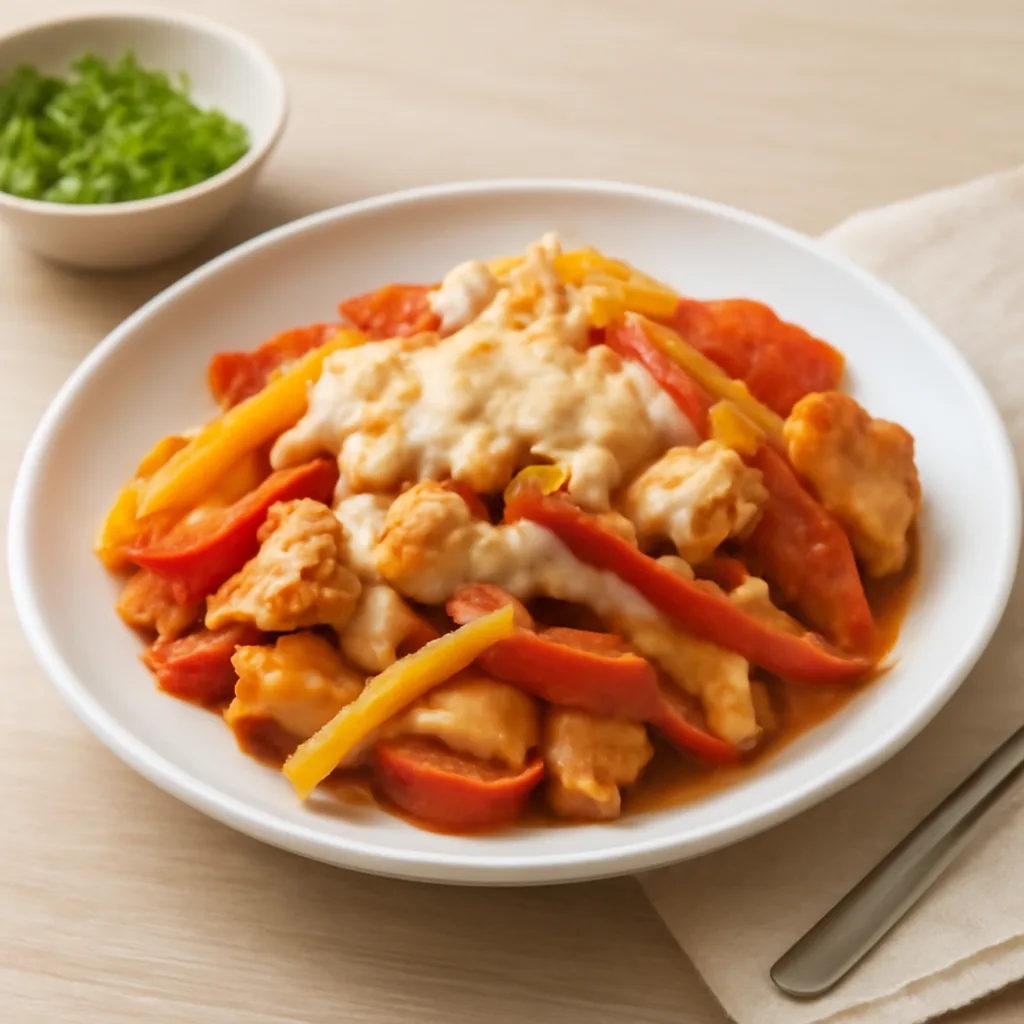
- Cooking with Cheddar in acidic or runny liquids can cause separation. When using in tomato-rich dishes, add Cheddar at the end for melting, or serve with a separately made cheese sauce to keep it stable.
Gut passende Kombinationen
- The salty, nutty flavor of Cheddar pairs well with ingredients with subtle sweetness like apples, pears, and onions.
- Starchy bases like potatoes, pasta, bread, and tortillas absorb Cheddar’s flavor and melted texture well.
- Pair with broccoli, cauliflower, mushrooms, and sautéed onions to emphasize earthy notes in vegetables.
- Mustard, pickles, and tomatoes add acidity to cut the richness, but when simmering with strongly acidic sauces, Cheddar can separate, so add at the end.
Hinweise zum Ersetzen
- For sandwiches or gratins that rely on melt, easily meltable cheeses like Colby, Monterey Jack, or Gouda can be used as substitutes. Flavor may be milder or different, so consider adding a bit of mustard or sautéed onions to compensate. Cheese sauces tolerate young Gouda or Colby, but using hard, salty cheeses like aged Parmesan in equal amounts can make the sauce too salty or not melt smoothly; use only part for finishing flavor. If you only want the color to resemble orange cheddar, other cheeses can be used, but melt behavior and flavor will not be identical. For burgers where meltiness matters, choose a softer melting cheese; for cold platters where flavor matters, choose aged Gouda or a firmer cheese.
Zutaten, die häufig zusammen in echten Gerichten verwendet werden
Basierend auf der Häufigkeit der gleichzeitigen Verwendung von Hauptzutaten in den bei CookPagoda registrierten öffentlichen Gerichten.
Gerichte, in denen diese Zutat verwendet wird
Wir zeigen Ihnen die Gerichte, in denen diese Zutat als Hauptzutat enthalten ist, nach Aufrufzahlen sortiert.