Zutaten-Enzyklopädie
Überprüfen Sie die Eigenschaften der Zutaten und wie sie in der Küche verwendet werden.
Eier
34
55
Eggs are a basic ingredient where the white and yolk play different roles, used widely from standalone dishes to doughs, sauces, and broths. The whites firm up when heated to form shapes, while the yolks add fat and viscosity to softly connect ingredients. When enjoying the egg itself, such as fried, scrambled, or hard-boiled, it is more important to match the desired level of doneness than freshness. On the other hand, when mixing with other ingredients like in tempura batter, custards, or mayonnaise-like sauces, the results vary greatly depending on whether you keep the whites and yolks separate or together. Eggs can become tough or dry if cooked at high heat for too long, so for a soft texture it is advantageous to cook slowly over medium to low heat. However, for crispy edge fries or hard toppings, this method may not be suitable, so adjust heat and time according to the use.
Geschmack und Textur
Eggs have a relatively mild and savory flavor, with yolks offering a rich, creamy feel and whites providing a bland yet bouncy texture. This is why eggs pair well with mild seasonings like salt, soy sauce, or butter, because the egg flavor tends to cradle rather than cover the ingredients. Soft-cooked yolks flow like a sauce and add moisture, while fully cooked whites provide a firmer bite. If you feel a rubbery texture in cooked eggs, it usually means the heat was too high or the cooking time was too long, so lower the heat next time or finish with residual heat.
Hauptverwendungszweck
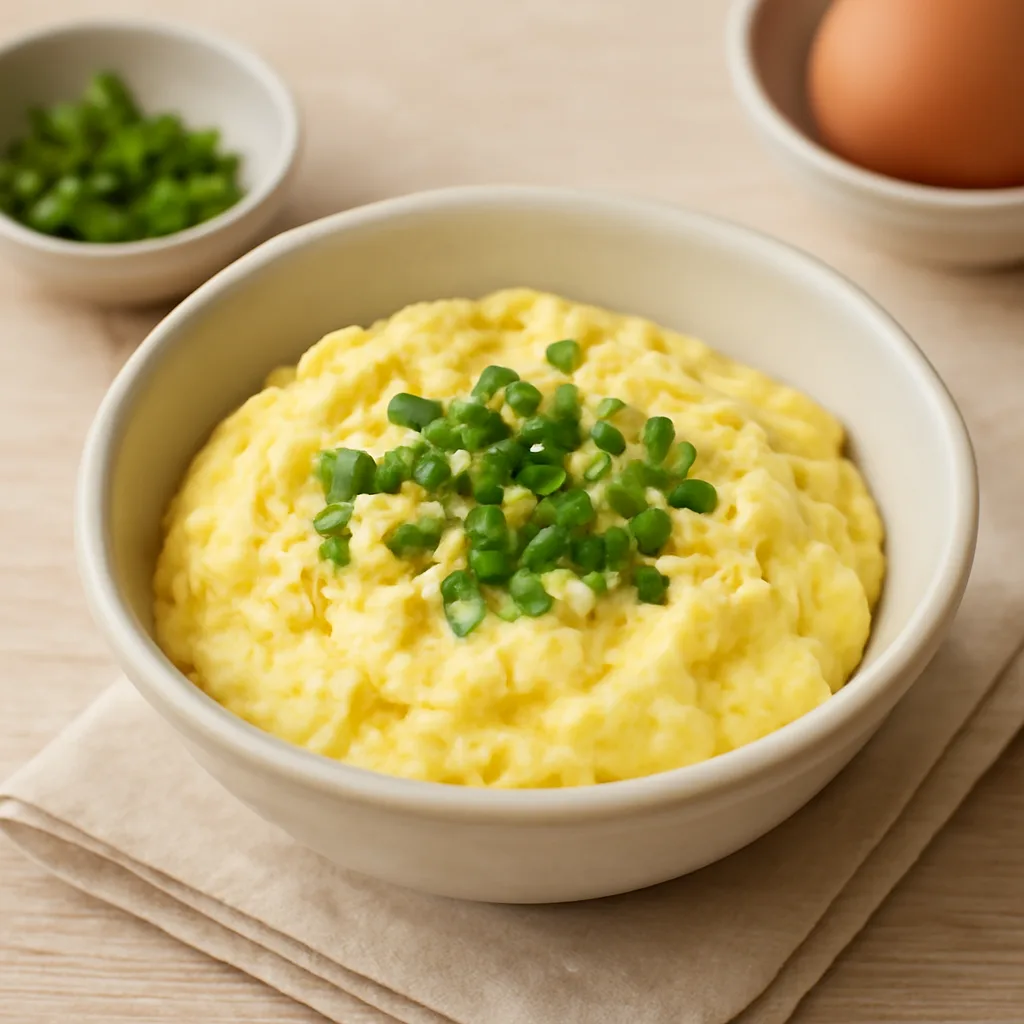
- Used as a main ingredient or accompaniment for a meal in fried, scrambled, omelette, steamed egg, or boiled eggs.
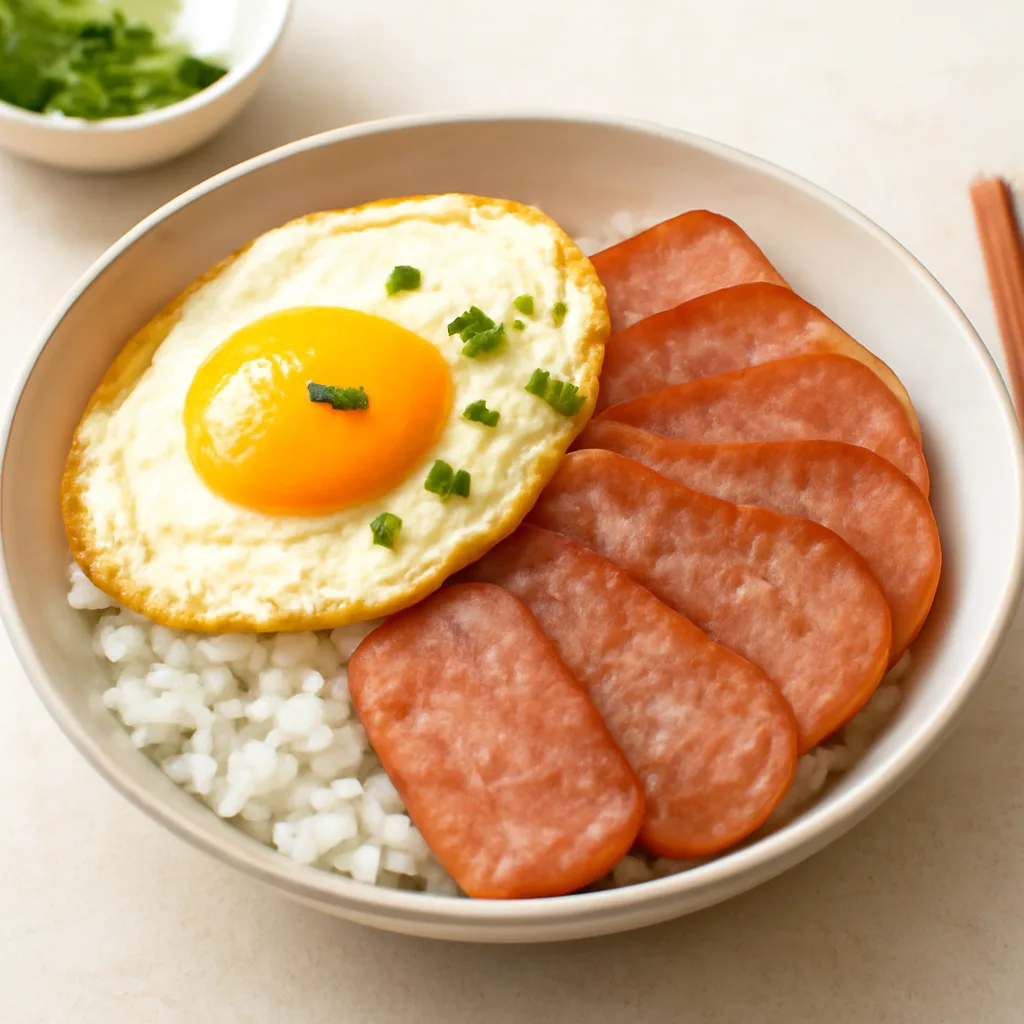
- In soups, ramen, fried rice, or over rice to create soft clumps or top a softly runny yolk that spreads like a sauce.
- In preparations like pancakes or fried coatings, eggs help coat surfaces and bake to a golden color and savory aroma.
- In doughs for bread, cake, or pancakes, eggs act to bind and provide structure. However, doughs with a high egg content may change in volume and moisture if the amount is reduced arbitrarily.
- Used in dishes like mayonnaise, custards, and creamy pasta sauces to utilize the yolk’s viscosity and emulsifying properties.
Vorbereitungstipps
- Before cracking, check the surface for visible impurities and crack into a small bowl first to easily remove shell pieces or assess their condition.
- For scrambled eggs or rolled eggs, whisk whites and yolks until uniform, but do not whisk excessively to avoid too much foam. If foam is excessive, the surface may look a bit loose as it cooks.
- When making soft egg custards or creams, strain if egg membranes are bothersome, and let any bubbles settle briefly to produce a smoother surface.
- When boiling eggs, if the shells tend to crack when placed in boiling water, maintain a gentler boil and add the eggs carefully. Eggs that are already cracked may leak whites during boiling, so use them for other purposes.
- For eggs to be added to fried dishes or fried rice, season lightly with salt beforehand to distribute flavor evenly. If soy sauce or seasonings will be added later, avoid salting too strongly from the start for easier adjustment.
Besonderheiten beim Kochen
- Egg whites firm up with heat; at gentle heat they stay moist and soft, and at high heat and long times they become firm and elastic.
- When scrambling in a pan, if the edges brown quickly and a lot of liquid comes out, the heat may be high. Remove the pan from the heat briefly and fold slowly to reduce overcooking.
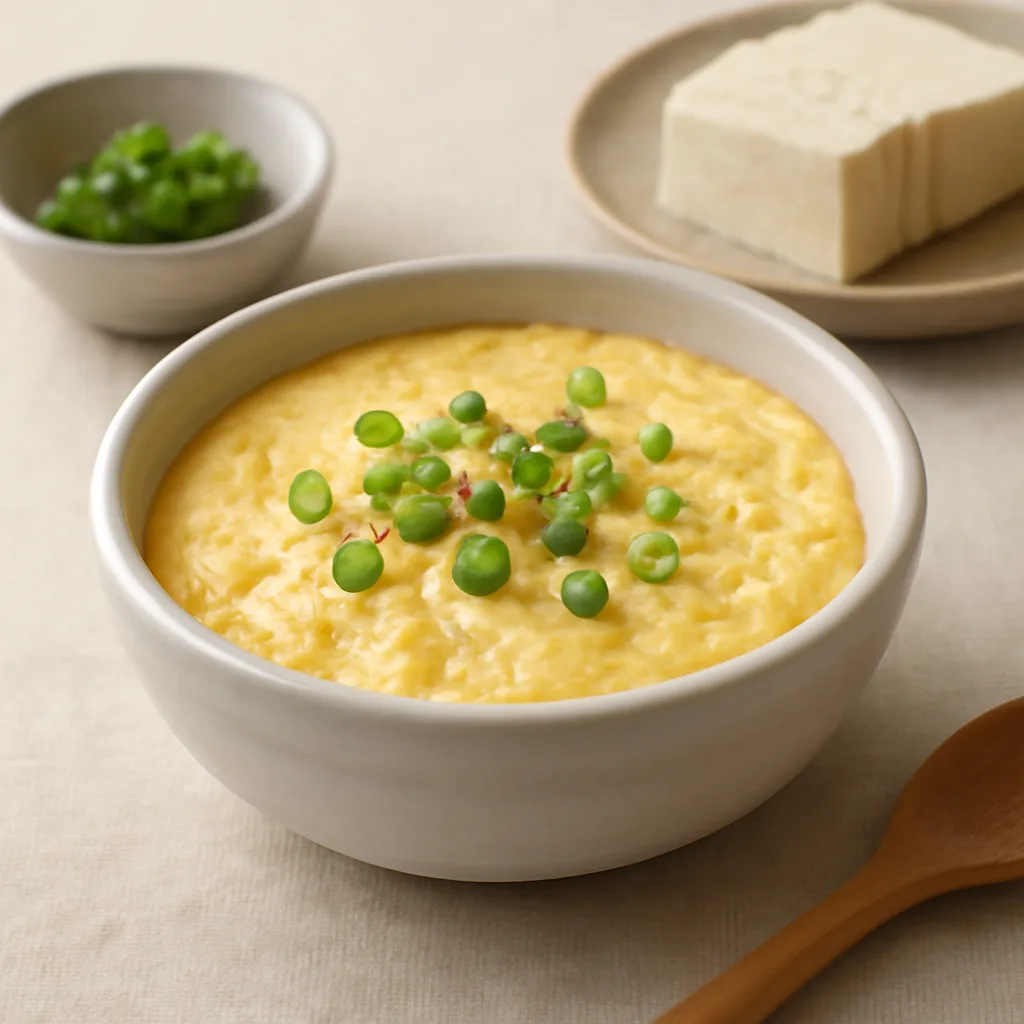
- Custards or steamed eggs can puff or form holes if exposed to intense direct heat. If small bubbles or cracks appear, lower the heat or use gentler simmering heat.
- The yolk adds gloss and body to sauces due to fat, but excessive heat can cause the particles to clump and become rough. For creamy pastas or egg sauces, it is better to mix after turning off the heat using the residual heat.
- Whipping whites for cooking can be weakened if oil or yolk mixes in. For dough requiring stiff meringues, keep tools and bowls clean and dry.
Gut passende Kombinationen
- Salt, pepper, butter, and cheese clearly highlight the egg’s savoriness, and aromatics like scallions, onions, or chives add aroma and sweetness to the mild flavor.
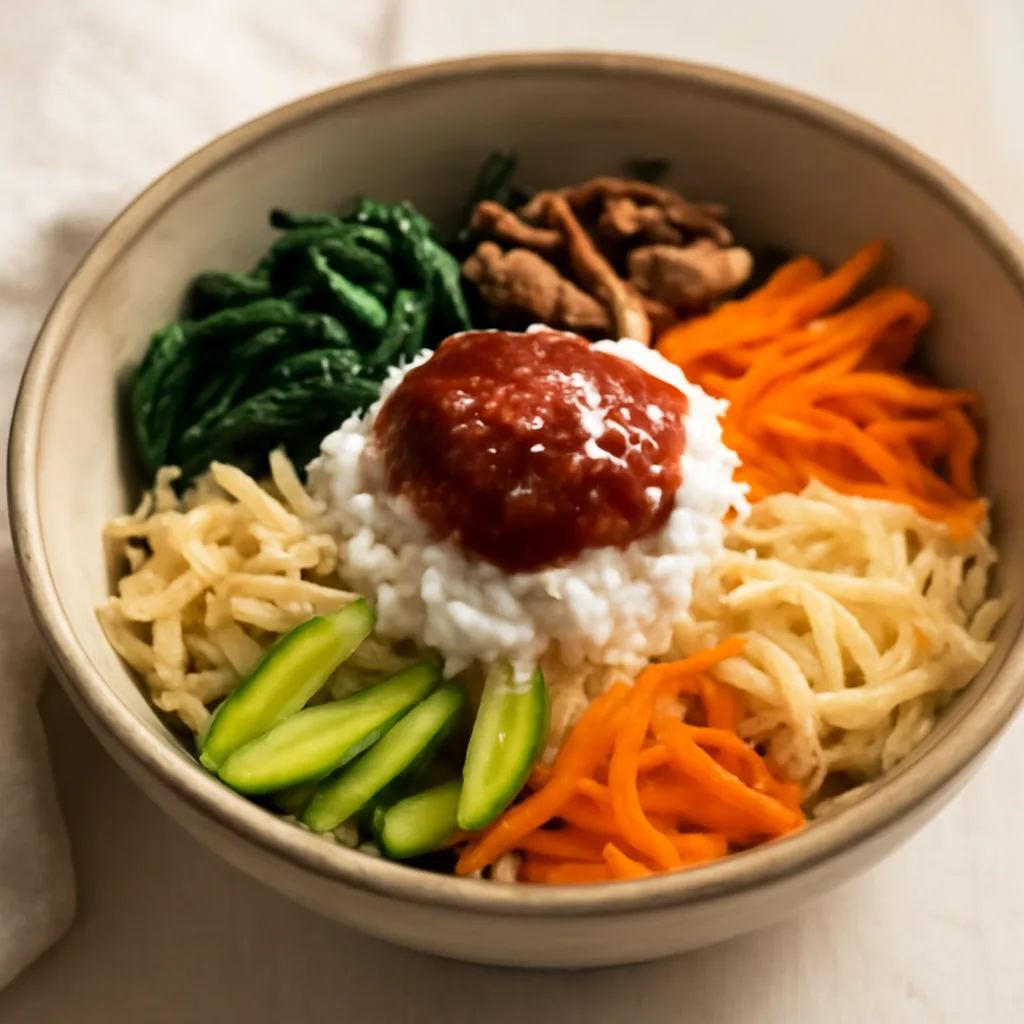
- Soy sauce, sesame oil, and seaweed pair naturally with rice dishes, and soft-cooked yolks help bind the flavors in bibimbap or donburi.
- When sautéing with ingredients that release moisture like tomatoes, spinach, or mushrooms, first reduce their moisture somewhat before adding eggs to prevent excessive thinning.
- Eggs can mellow strong flavors or heat, but if the goal is a very distinct flavor, avoid increasing egg quantity too much.
Hinweise zum Ersetzen
- For dishes like pancakes or meatballs where eggs act as a binder, starch mixtures, flour dough, or mashed potatoes can be alternatives to some extent, but crispiness and firmness will differ.
- Eggs participate in moisture, fat, leavening, and structure simultaneously, so substitutes depend on the dish, such as bread, cake, or pancake where foaming is key; simple moisture ingredients may not yield the same result.
- The texture of creamy sauces created by yolks can be approximated with combinations like light cream, milk with starch, or soft silken tofu, but emulsification and flavor will differ.
- There is no perfect substitute for eggs in dishes where the egg itself is the focus, such as fried or boiled eggs. If you need similar fullness or savoriness, it is better to redesign the recipe with ingredients like tofu, mushrooms, or cheese.
Zutaten, die häufig zusammen in echten Gerichten verwendet werden
Basierend auf der Häufigkeit der gleichzeitigen Verwendung von Hauptzutaten in den bei CookPagoda registrierten öffentlichen Gerichten.
Gerichte, in denen diese Zutat verwendet wird
Wir zeigen Ihnen die Gerichte, in denen diese Zutat als Hauptzutat enthalten ist, nach Aufrufzahlen sortiert.