Zutaten-Enzyklopädie
Überprüfen Sie die Eigenschaften der Zutaten und wie sie in der Küche verwendet werden.
양배추
7
13
Cabbage can be finely chopped or cut into larger pieces and used raw or cooked. It has a subtle sweetness and moisture that add volume and texture to salads, stir-fries, soups, and pickles. Cooking method greatly changes its character. When heated briefly it stays crisp, when cooked longer it becomes soft and its sweetness stands out. Therefore, for crispy stir-fries, quick high-heat cooking is best, while for fillings or soups, longer cooking is more suitable. If outer leaves are wilted or damaged, remove them; use solid, tightly packed inner leaves for neater slicing. Large leaves are good for wraps or rolls, thinly sliced leaves for salads and batter-based dishes.
Geschmack und Textur
Raw cabbage is mild with a slight grassy note, and as you chew it, it reveals a gentle sweetness and crunchy moisture. The thick parts near the core are firmer and have more defined texture than the leaf edges. When heated, the tissue softens and the sweetness becomes more noticeable. However, if boiled or sautéed for too long it can become mushy and its distinctive aroma can intensify, so adjust cooking time to achieve the desired texture.
Hauptverwendungszweck
- Thinly shredded cabbage is used in salads or as a side vegetable, with a tangy dressing to highlight its mild flavor.
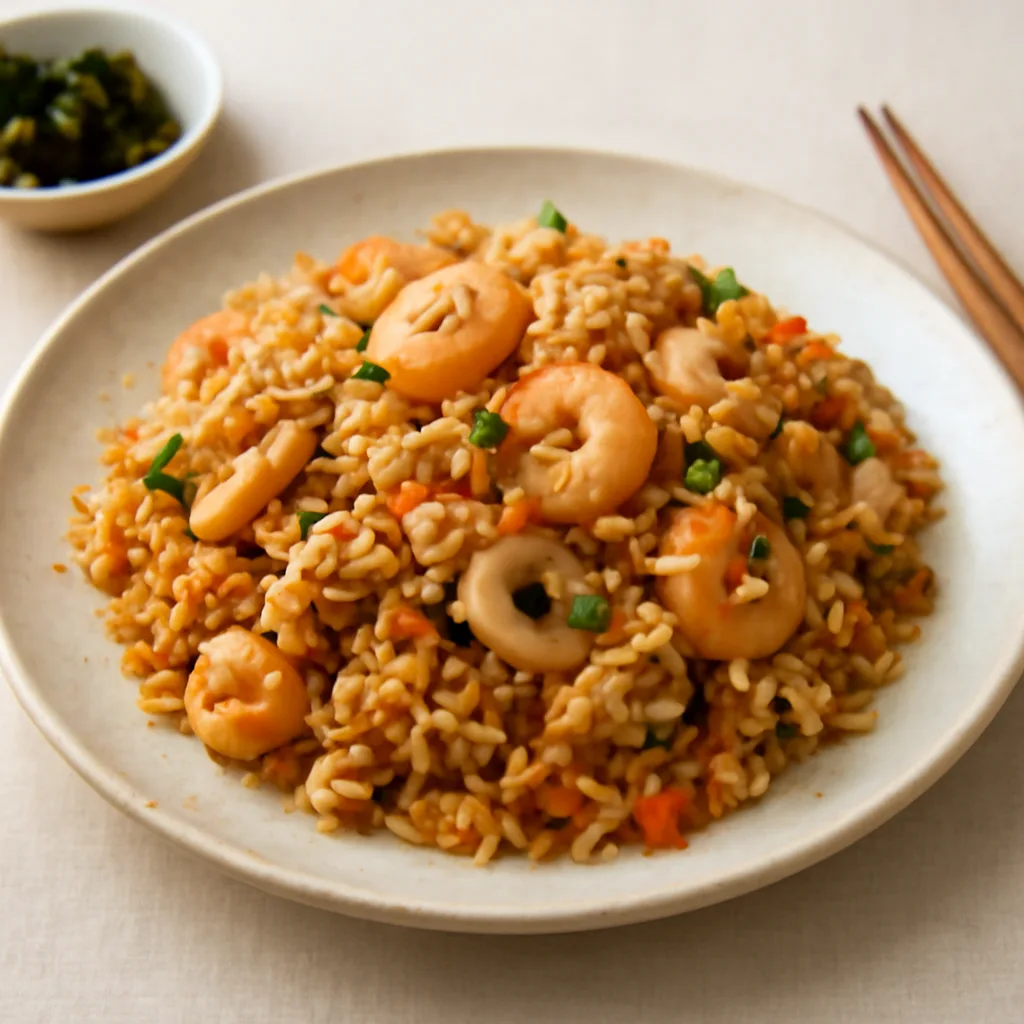
- For fried rice, fried noodles, or stir-fried vegetables, cut to a similar thickness and add early but avoid sogginess by cooking on high heat briefly or adding toward the end.
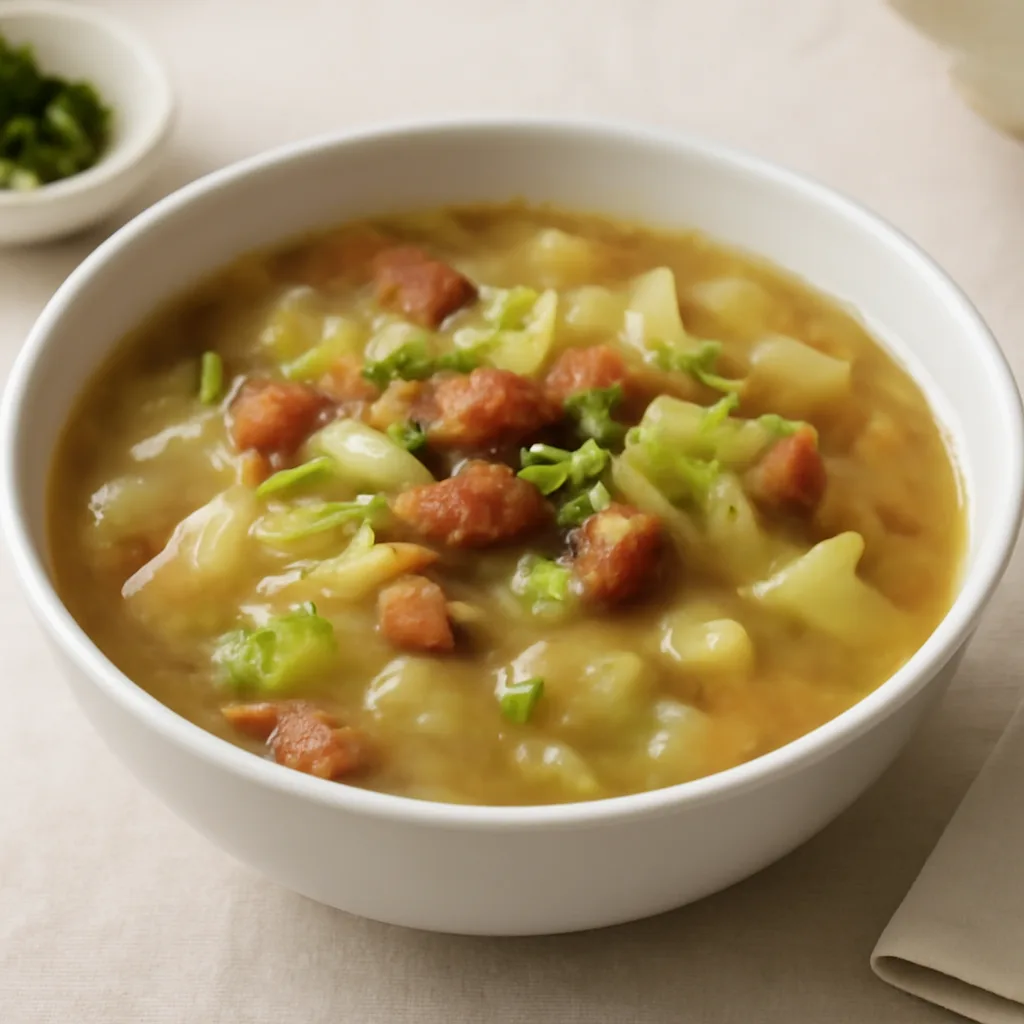
- In soups, stews, or hot pots, cut into larger pieces to add sweetness and a soft texture. If the broth will simmer for a long time, avoid overly thin slices so the shape remains.
- The broad leaf parts can be wrapped around ground meat, grains, or other vegetables in stuffed dishes. Briefly blanch to make leaves fold without tearing.
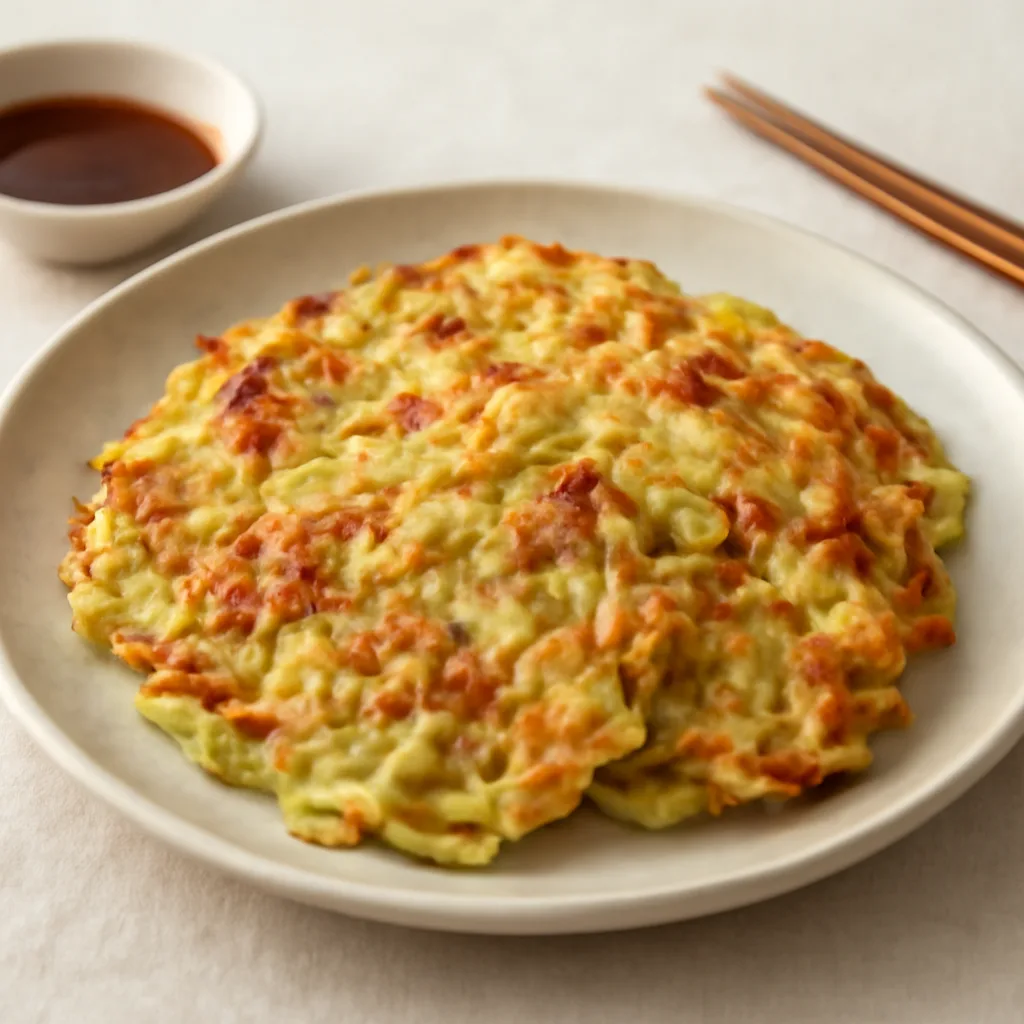
- Finely chopped cabbage can be mixed into batter for pancakes or meatballs to add moisture and chew. If the batter becomes too loose, adjust with flour or binding agents based on the water released from the cabbage.]
- preparationTips
- Tip omitted in translation due to structure
Vorbereitungstipps
- Trim the base and divide into halves or quarters, then carve the tough core into a V shape to separate leaves more easily. If you slice the core with the leaves, hard pieces may remain, so when eating raw it's better to thinly slice the core separately or omit it.
- After slicing, rinse briefly in cold water and dry well. Excess surface moisture can steam instead of sautéing and may dilute dressings.
- Leafy portions for raw use should be sliced as evenly and thinly as possible, while for stir-frying or soups, slightly thicker slices help maintain texture.
- For rolls, lightly blanch the leaves until the edges become flexible; if the leaf appears transparent and overly limp, it is already tender enough, and after filling, finish with a brief cook.
Besonderheiten beim Kochen
- Sautéing over high heat can develop light browning at the edges and add sweetness and nutty aroma. If the pan is too small or crowded, steam will form and you may get water instead of browning, so cook in batches or use a wide pan.
- Salt can draw moisture from cabbage. For crisp stir-fry, salt later once most of the moisture is gone and the texture is set; for pickling or moisture removal, sprinkle salt first and wring out the liquid.
- Boiling or steaming makes leaves flexible and easier to wrap or crush. But prolonged heating intensifies aroma and can cause loss of shape, so add to broth toward the end if you want chunks in the broth.
- When cooked with acidic ingredients, it brightens the flavor, but adding too much vinegar early can dull the savory notes of a stir-fry. In stir-fries, it is best added just before turning off the heat or at the very end.
Gut passende Kombinationen
- When stir-frying with fragrant vegetables like garlic, leek, or onion, the cabbage's mildness gains depth.
- Fatty meats like pork or ground meat pair well with cabbage’s moisture. If there are many fatty ingredients, balance with acidic elements like vinegar, lemon juice, or mustard to reduce heaviness.
- Savory sauces like soy, miso, or gochujang enhance the sweet notes of cooked cabbage, while mayonnaise or yogurt-based sauces pair with the crispness of raw cabbage.
- Mixing with fresh-ready ingredients like apples, carrots, or cucumbers provides textural contrast. Cucumber's high water content can make salad too watery if not drained beforehand.
Hinweise zum Ersetzen
- If you want crisp texture in salads, you can substitute red cabbage, the sturdy inner leaves of green cabbage, or romaine to some extent. Red cabbage offers stronger color and aroma, which may not be suitable for dishes needing a neutral color.
- In stir-fries or soups, cabbage is the easiest substitute, but its leaves soften faster and release more moisture. Add at slightly different times or cut larger to maintain texture.
- For rolls, use large cabbage leaves or beet greens. Beet greens have stronger aroma and leaf veins, so results differ if you want a softer, more neutral taste.
- For batter-based dishes or fried rice where chopped cabbage adds bulk, you can combine with onion, scallions, or zucchini. In this case, sweetness and moisture differ, so adjust batter consistency or seasonings after adding ingredients.
Zutaten, die häufig zusammen in echten Gerichten verwendet werden
Basierend auf der Häufigkeit der gleichzeitigen Verwendung von Hauptzutaten in den bei CookPagoda registrierten öffentlichen Gerichten.
Gerichte, in denen diese Zutat verwendet wird
Wir zeigen Ihnen die Gerichte, in denen diese Zutat als Hauptzutat enthalten ist, nach Aufrufzahlen sortiert.