Zutaten-Enzyklopädie
Überprüfen Sie die Eigenschaften der Zutaten und wie sie in der Küche verwendet werden.
어묵
2
3
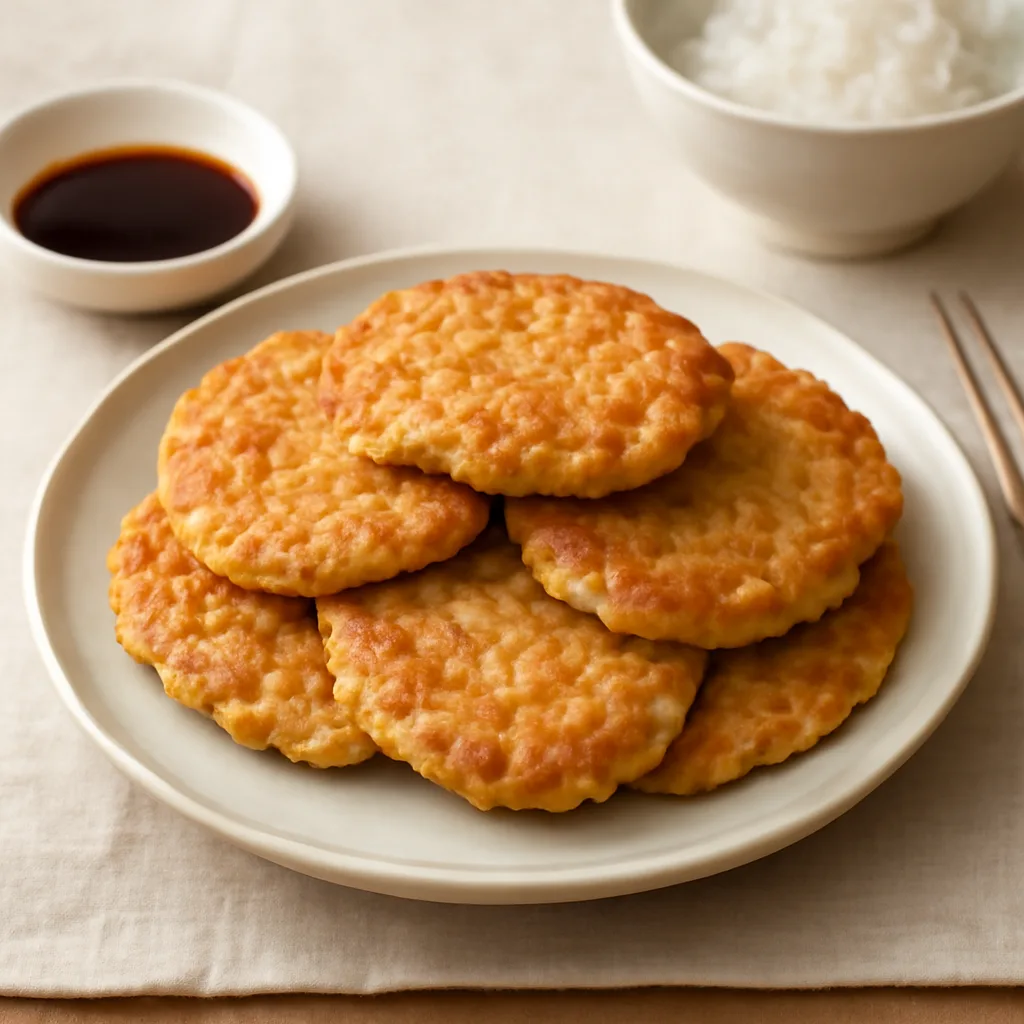
Korean fish cake is a processed ingredient made by finely mincing fish flesh, seasoning it, and steaming or cooking the dough to add umami and a chewy texture to soups and stir-fry dishes. It comes in various shapes such as flat sheets, sticks, and rounds, and depending on the shape, the rate at which it absorbs broth and ease of slicing differ. In soups, it absorbs seasonings and stock to become soft and moist; when stir-fried, seasonings cling well to the surface. Many products are already cooked, so it is better not to cook it for a long time and instead add it at the final stage to preserve texture. It is versatile in dishes like eomuk-bokkeum (fish cake stir-fry), skewered fish cake soup, and tteokbokki, which use soy sauce, gochujang, and gochugaru. However, all products differ in saltiness and fat, so it is more reliable to taste first and adjust the seasoning rather than seasoning heavily from the start.
Geschmack und Textur
Eomuk has a gentle fish flavor and savory umami, and some varieties may carry a hint of sweetness or pepper aroma. Many are pre-seasoned, so in clear broth it is better not to add other seasonings in excess. characterized by resilient chewiness and soft elasticity. A quick heating makes it bouncy, but long simmering makes it absorb a lot of broth and become softer; some products may crumble or have a rough surface if boiled too long.
Hauptverwendungszweck
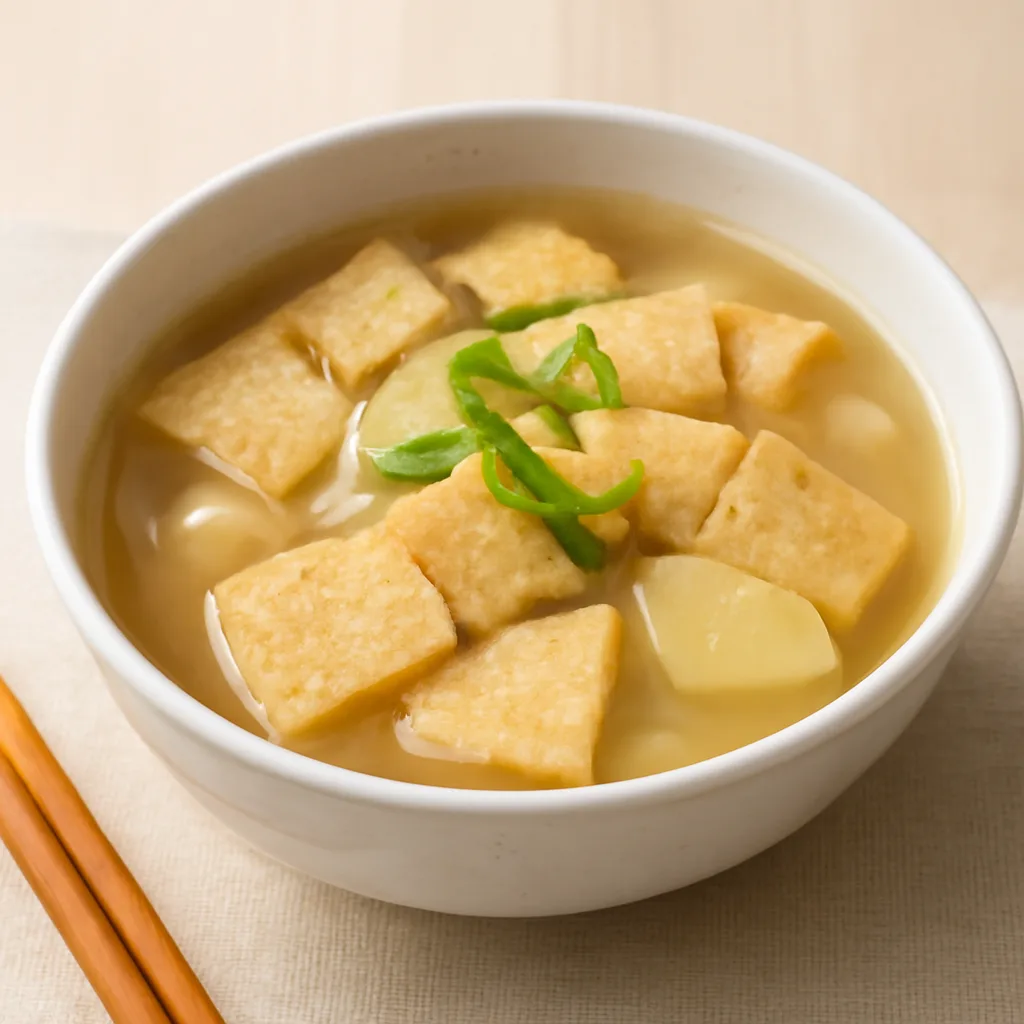
- Make a simple eomuk guk (fish cake soup) by adding skewers or large pieces to a clear broth with radish, green onion, and kelp. If added after the broth boils, it won’t overinflate and will absorb the broth flavor.
- Slice thinly and sauté with onions, carrots, and green onions as a side dish; for soy sauce seasoning, swirl it around the edge of the pan briefly to distribute sweetness and saltiness evenly.
- Add to tteokbokki to create a contrast in texture with the rice cake. When the rice cake is sufficiently soft, add the fish cake so the sauce flavors permeate but the texture doesn’t become overly mushy.
- Can be used as an ingredient for gimbap, inari sushi, and fried rice; dice finely for use. In this case, it is easier to use drier seasoning rather than a moist sauce to prevent the rice from getting soggy.
Vorbereitungstipps
- Open the package; if there is a strong smell or oily surface, blanch briefly in boiling water and drain. If blanching too long, the texture may soften, so just until the surface is warmed.
- For soups, cut larger pieces or skewer shapes; for stir-fry, cut into bitesized squares or thin, long strips. If cut too thin, it can dry out or break during stir-frying.
- In stir-fry, you don’t need to use a lot of oil; if the fish cake itself feels fatty, sauté vegetables first to bring out aroma, then add fish cake and seasonings.
- If you want the flavors to be absorbed, add a small amount of water or stock after adding the fish cake and simmer briefly. Conversely, for a dry side dish, use less liquid and finish with a high heat to evaporate remaining moisture.
Besonderheiten beim Kochen
- When added to boiling broth, it becomes soft from the surface and absorbs the broth’s seasoning. If the broth tastes salty quickly, the fish cake’s own saltiness may have contributed, so adjust salt or soy sauce at the end.
- When pan-frying, the edges should curl slightly and become glossy for seasoning to stick well. Do not brown it too long over high heat, or it becomes chewy; finish briefly after adding the seasonings.
- Thick sauces like gochujang can cling to the surface but may burn easily. If the pan dries quickly, gradually add water or stock to loosen the sauce consistency.
- Frying or air-frying makes the exterior firmer and more nutty, but the inside can lose moisture. Good for a crispy texture, but not ideal when a soft texture is needed for soups.
Gut passende Kombinationen
- Vegetables that bring sweetness and moisture like radish, green onion, onion, and cabbage soften the fish cake’s saltiness. For clear broth, pre-cook radish and green onion before adding fish cake to even out doneness between ingredients.
- Soy sauce, garlic, and sesame oil pair with a light stir-fry; gochujang, gochugaru, and sugar pair well with spicy-sweet sauces like tteokbokki. If the product is already sweet, reduce sugar or syrup to avoid heaviness.
- Rice cake, fried tofu, eggs, and konjac pair well with fish cake soup or street-food style dishes. However, using many processed ingredients together can quickly deepen the broth’s saltiness, so start with a weak stock.
Hinweise zum Ersetzen
- To replace the elasticity and umami of fish cake in soups, you can use fried tofu, meatballs, or firm tofu as appropriate. Note that fried tofu is softer and fattier, and tofu does not provide the same chewy texture as fish cake.
- For stir-fries, you can substitute thinly sliced tofu, mushrooms, or shredded chicken, but cooking times will differ. Dry out tofu and mushrooms first so seasonings don’t become watery, and add chicken only after it is fully cooked.
- If you omit fish cake from tteokbokki, you can still make it with rice cakes alone, but you lose the broth’s umami and texture contrast. In this case, increase onions or green onions, or adjust the richness of the stock to maintain balance rather than simply adding more seasoning.
Zutaten, die häufig zusammen in echten Gerichten verwendet werden
Basierend auf der Häufigkeit der gleichzeitigen Verwendung von Hauptzutaten in den bei CookPagoda registrierten öffentlichen Gerichten.
Gerichte, in denen diese Zutat verwendet wird
Wir zeigen Ihnen die Gerichte, in denen diese Zutat als Hauptzutat enthalten ist, nach Aufrufzahlen sortiert.