Zutaten-Enzyklopädie
Überprüfen Sie die Eigenschaften der Zutaten und wie sie in der Küche verwendet werden.
Tiefkühl-Meeresfrüchte
1
2
Frozens 해물 refers to frozen products that have been prepared from various seafood such as shrimp, squid, mussels, and shellfish, with variations in composition and size depending on the product. They are convenient for dishes like soups, stir-fries, pancakes, pasta, and fried rice where you want to enhance the umami of seafood. Before use, it’s helpful to check the composition and whether it is cooked already on the packaging. Each seafood item cooks at different speeds, so overcooking can make squid tough and shellfish release a lot of moisture. A practical method is to sear briefly over high heat and then combine with other ingredients. In dishes with a lot of broth like seafood hot pot or jjampong, you can add them without thawing, but for stir-frying, you should reduce surface ice and moisture so the ingredients fry rather than steam. Frozen seafood is convenient because it comes in a consistent trimmed state, but it may not be suitable for sashimi or very delicate steaming where a fresh seafood texture is required.
Geschmack und Textur
Seafood’s characteristic briny umami with a subtle sweetness comes through, and the exact flavor center depends on the product composition. If shrimp dominates, sweetness is more pronounced; if squid and shellfish dominate, the sea aroma and broth taste stand out more. When properly cooked briefly, shrimp become firm, squid is tender to chew, and shellfish stay moist. Conversely, if thawing water is abundant on the pan or heated for too long, it can taste of water and some ingredients can become tough.
Hauptverwendungszweck
- For brothy dishes like seafood hot pot, doenjang jjigae, soft tofu stew, and jjambbong broth, add at the final stage to enhance the seafood aroma. If added when the broth is already boiling, the frozen ingredients won’t drastically lower the broth temperature.
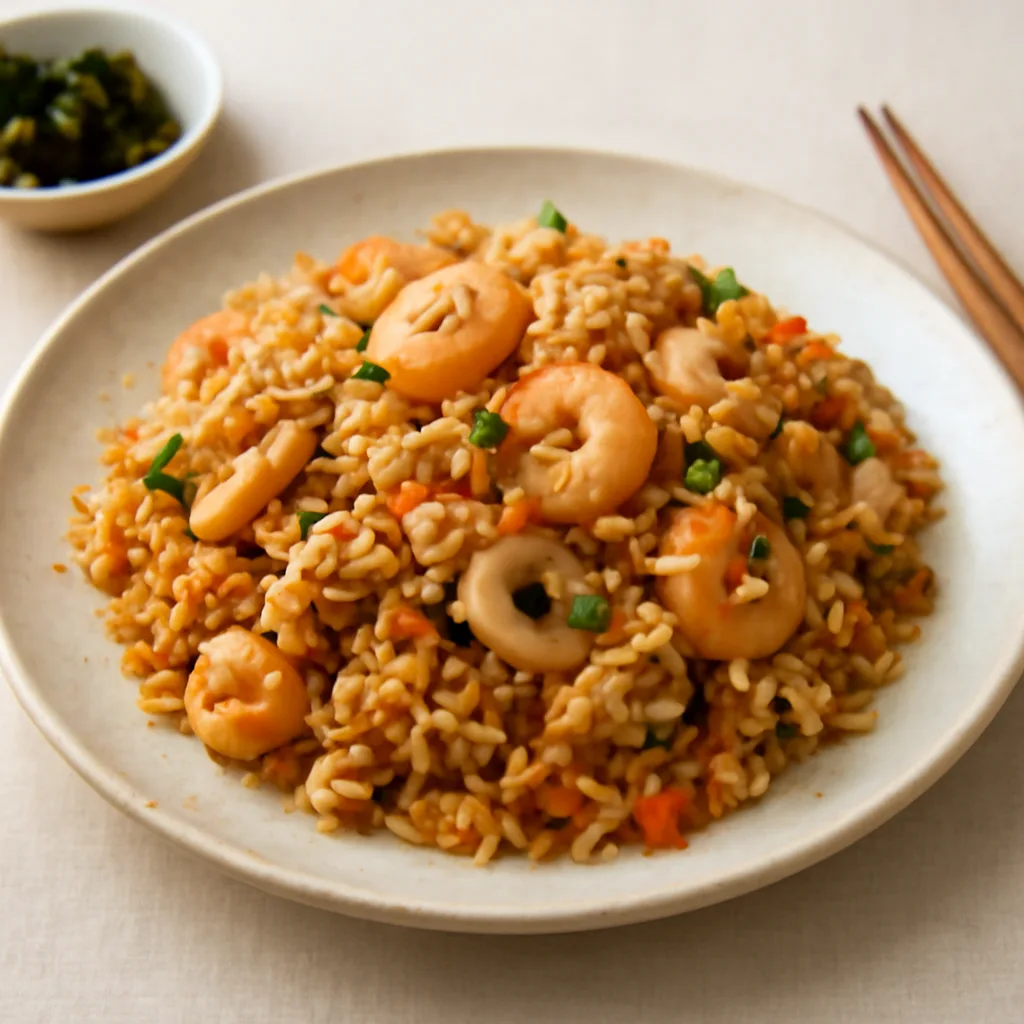
- For seafood stir-fry, seafood pancake, fried noodles with seafood, and fried rice, first briefly drain and pat dry the frozen seafood after removing moisture, then stir-fry. If water pools in the pan, quickly evaporate it on high heat before adding seasonings to prevent the sauce from becoming too thin.
- For tomato- or cream-based pasta or risotto, lightly cook the seafood with garlic, then set aside and return at the end. If simmered in the sauce from the start, small shrimp and squid can become tough.
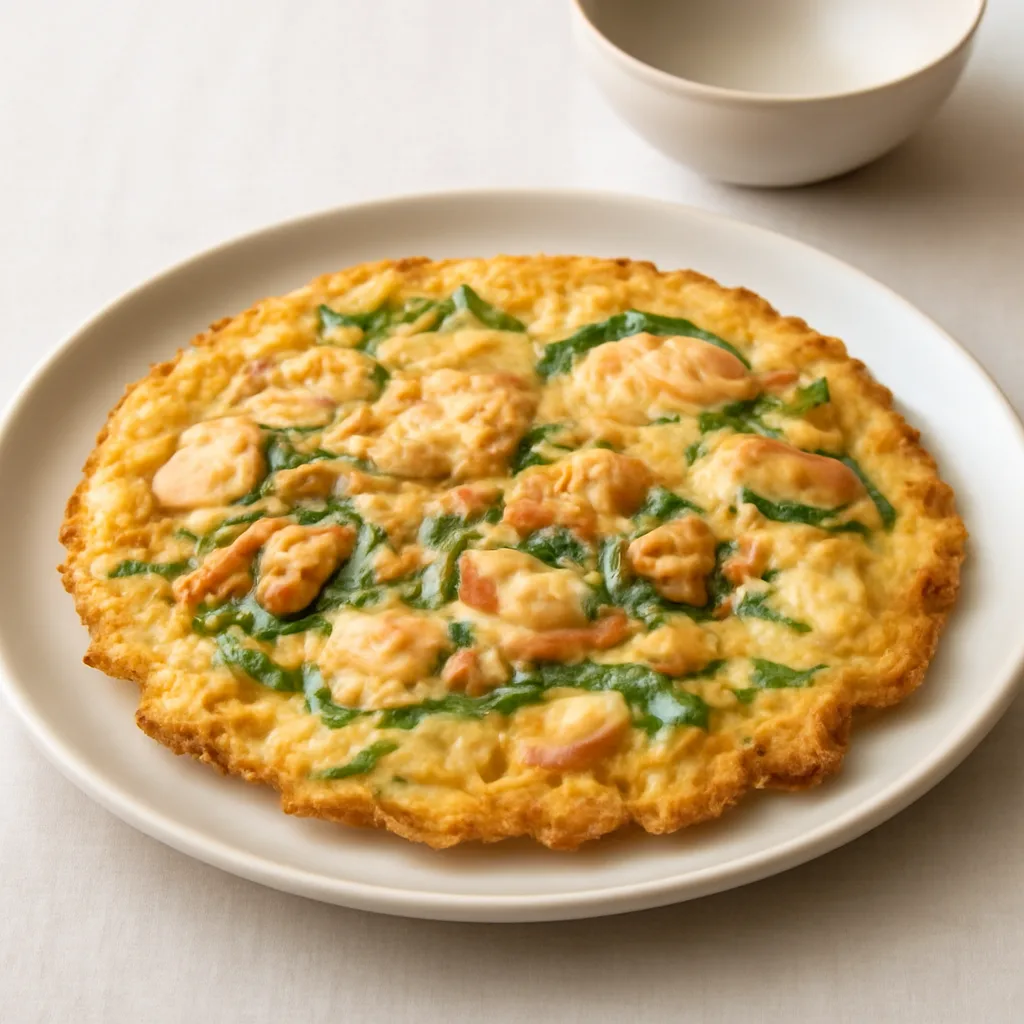
- For pancake batter, finely chop frozen seafood to add aroma and bite. If thawing water is high, the batter becomes runnier, so reduce the liquid slightly or remove excess water beforehand.
Vorbereitungstipps
- Thaw in the package in the refrigerator, or thaw quickly in cold water, then drain well. If the thawing water is milky or has a strong fishy smell, rinse quickly under running water and pat dry to prevent diluting the flavor.
- If stir-frying, blot surface moisture with paper towels. When added to the pan, if the sizzling sound is less than the hiss of boiling water, moisture is high, so don’t add too much at once or divide the batch.
- If large squid pieces, shrimp, and clam meat are mixed, try to make their sizes similar for even cooking. Especially small clam meats cook quickly, so add larger ingredients after they have cooked a bit.
- In strongly seasoned stir-fries, adjust seasoning at the end. The product itself and thawing liquids may contain salt, so adding too much salt or soy sauce at the start can taste salty.
Besonderheiten beim Kochen
- Frozen seafood releases moisture as it cooks, so if the pan isn’t hot enough, it can become more like boiling than frying. If liquid spreads across the pan, remove some seafood, reduce the moisture by simmering, then add back to regain sauce thickness.
- Shrimp typically turn opaque pink and squid begins to firm as a sign of doneness. After this point, prolonged heating can make them too firm, so add to soups right before finishing and let it simmer just a moment.
- Sauté aromatics like garlic, ginger, and scallions in oil first to round off the sea aroma of the frozen seafood. However, if you burn aromatics too long, it can impart bitterness and mask delicate seafood flavors, so add seafood before the color deepens.
- In pancakes or frying, the moisture from frozen seafood can affect batter and oil. If the batter doesn’t set well and the edges remain moist, drain more moisture from the seafood or reduce the amount added at a time.
Gut passende Kombinationen
- Garlic, scallions, ginger, and chili peppers complement the seafood’s aroma, and go well with soy sauce, gochujang, and chili-based sauces. When using spicy sauces, the sweetness of seafood can be overwhelmed, so start with small amounts of sugar or corn syrup and adjust.
- When stir-frying with watery vegetables like cabbage, zucchini, onion, mushrooms, or sprouts, first cook the vegetables to reduce moisture, then add seafood.
- Tomato or white wine-based sauces, butter, and olive oil enhance the seafood’s umami in pasta or risotto. For heavy sauces like cream sauce, add a small amount of lemon juice or pepper to prevent the flavors from feeling dull.
- When used with tofu or eggs in soups, soft ingredients complement the seafood bite. However, for shellfish-dominant products, the broth can become salty, so adjust miso or fish sauce later.
Hinweise zum Ersetzen
- If aim is to maximize seafood umami in stews or fried rice, you can substitute with one or two readily available items such as cleaned shrimp, squid, mussel meat, or clam meat. However, flavor breadth will be narrower than using a mix of seafood, so when using only shrimp, adding squid or mushrooms can create texture contrast.
- For dishes where chewy texture is important like seafood pancake or seafood stir-fry, the combination of squid and shrimp is safe. Using only shellfish may release more moisture and have less presence, so adjust batter or seasoning accordingly.
- In broths, using dried shrimp or anchovies instead of frozen seafood adds umami, but cannot replace the texture of seafood bits. Dried ingredients are best used as a first stock base, and add other ingredients like tofu, mushrooms, or fish cakes if needed later.
- In vegetarian cooking, depth can be built with mushrooms, kelp stock, or tofu, but the aroma and chew are not reproductions of seafood. Therefore, it’s more natural to apply in fried rice or stews where the base has more vegetables and seasonings.
Zutaten, die häufig zusammen in echten Gerichten verwendet werden
Basierend auf der Häufigkeit der gleichzeitigen Verwendung von Hauptzutaten in den bei CookPagoda registrierten öffentlichen Gerichten.
Gerichte, in denen diese Zutat verwendet wird
Wir zeigen Ihnen die Gerichte, in denen diese Zutat als Hauptzutat enthalten ist, nach Aufrufzahlen sortiert.