Zutaten-Enzyklopädie
Überprüfen Sie die Eigenschaften der Zutaten und wie sie in der Küche verwendet werden.
밥
12
18
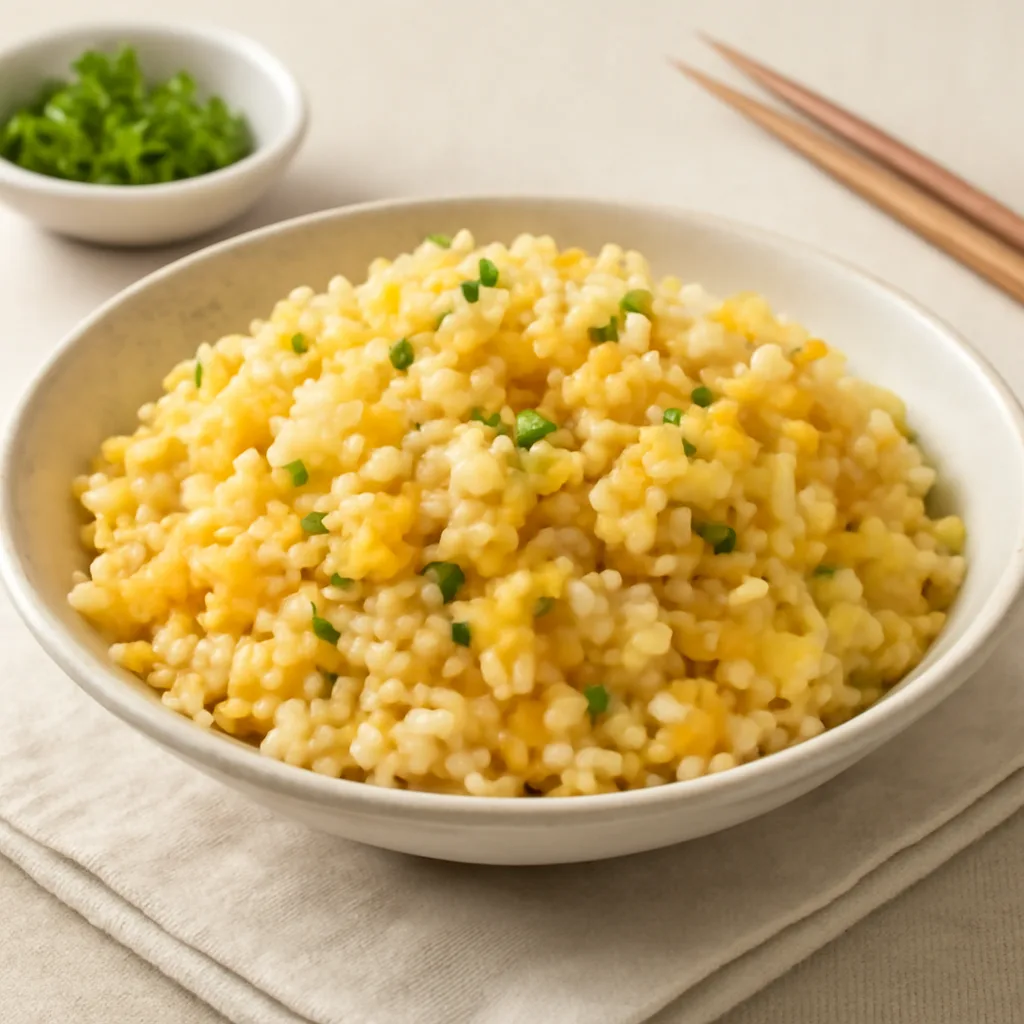
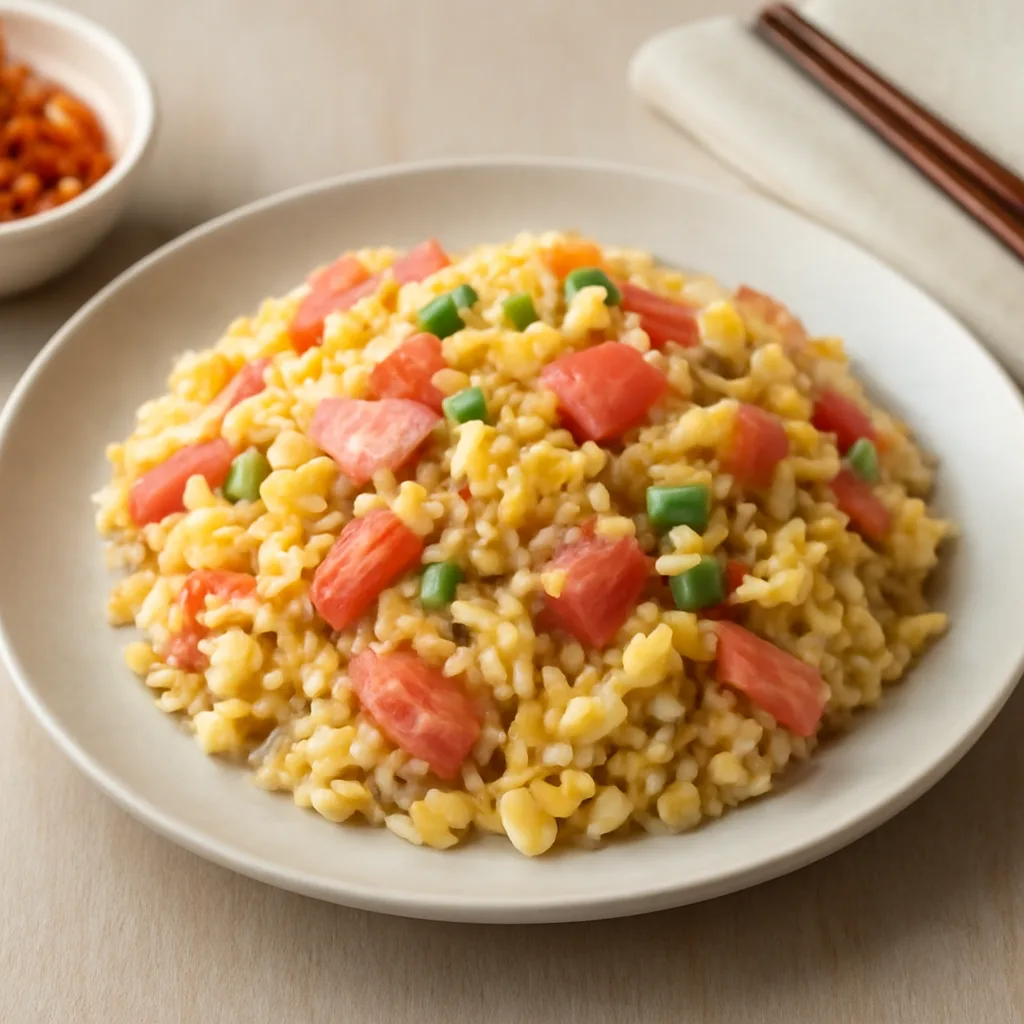
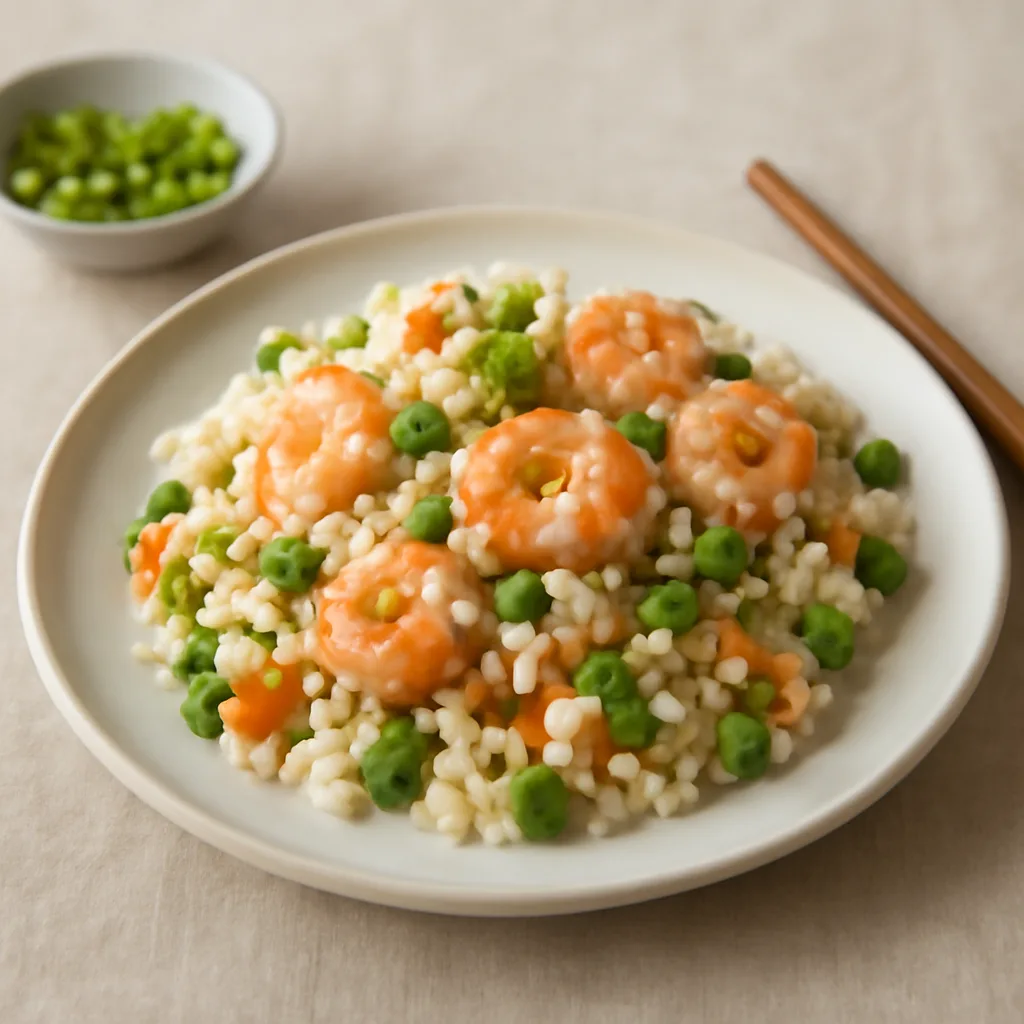
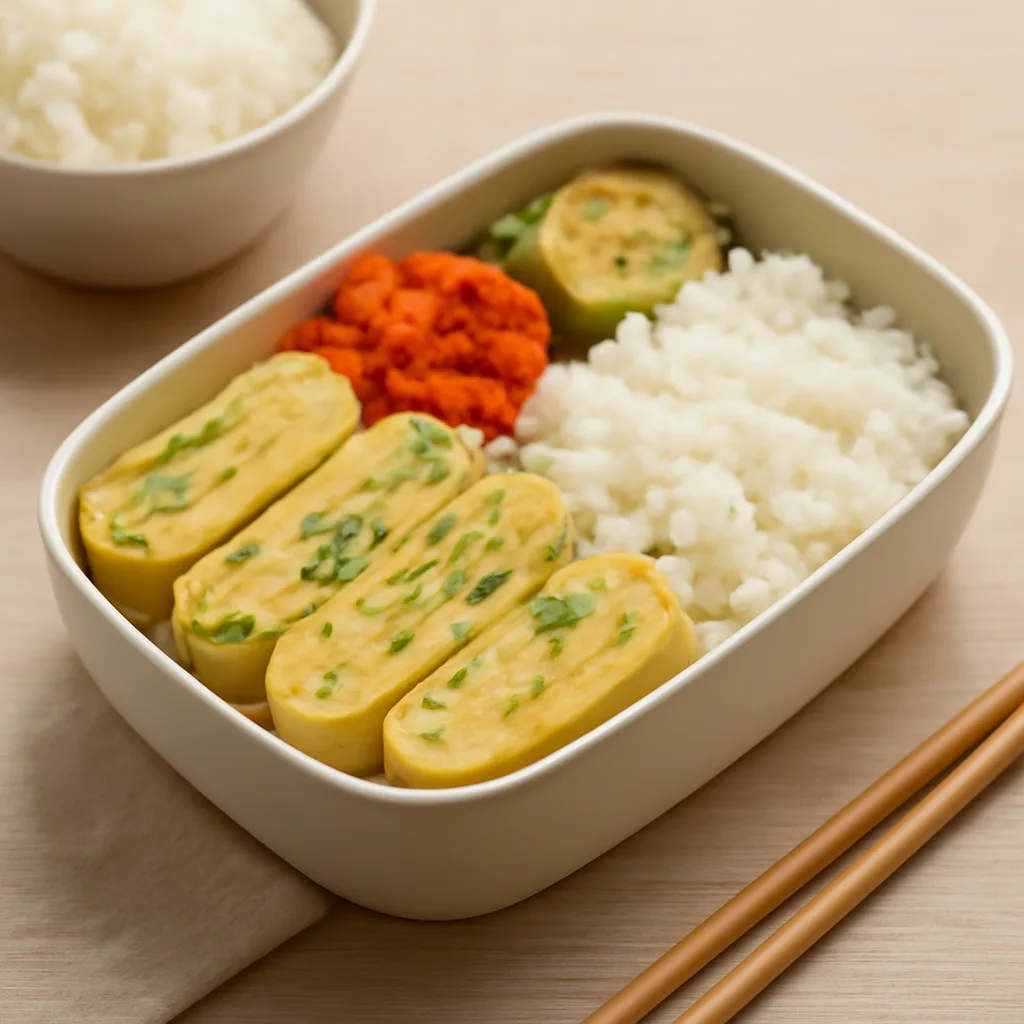
Rice is cooked with water to make grains soft and just lightly cling together, forming a staple ingredient. Freshly cooked rice has moisture and warmth, soaking up the flavor of side dishes, and serves as a neutral base for soups. The texture of the grains varies by use. For donburi or bibimbap, warm rice that isn’t too soft blends well with ingredients; for fried rice, cooled rice with reduced surface moisture is more advantageous. If you need a soft, porridge-like texture, add water or stock to the rice and simmer slowly.
Geschmack und Textur
Rice itself tastes mildly sweet and toasty, with a relatively gentle aroma. It cushions the flavors of salty sauces, spicy seasonings, and fatty ingredients without dulling the overall flavor. Warm rice is moist and elastic, while when it cools starch solidifies and can feel firm and dry. If the grains stay glossy and intact, it’s suitable for donburi or onigiri; rice that becomes too mushy is unfavorable for fried rice.
Hauptverwendungszweck
- Use as a basic accompaniment with soup, stew, or braised dishes to soak up broth and seasoning.
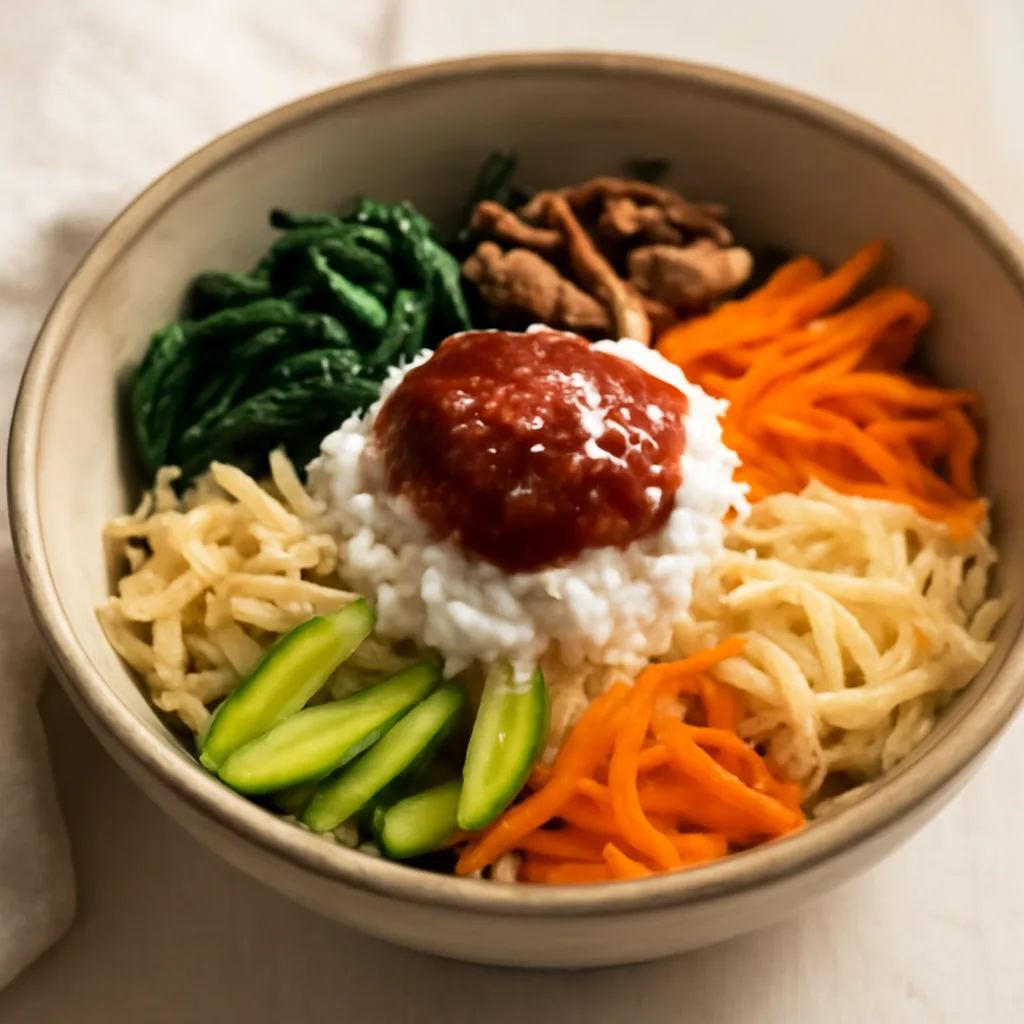
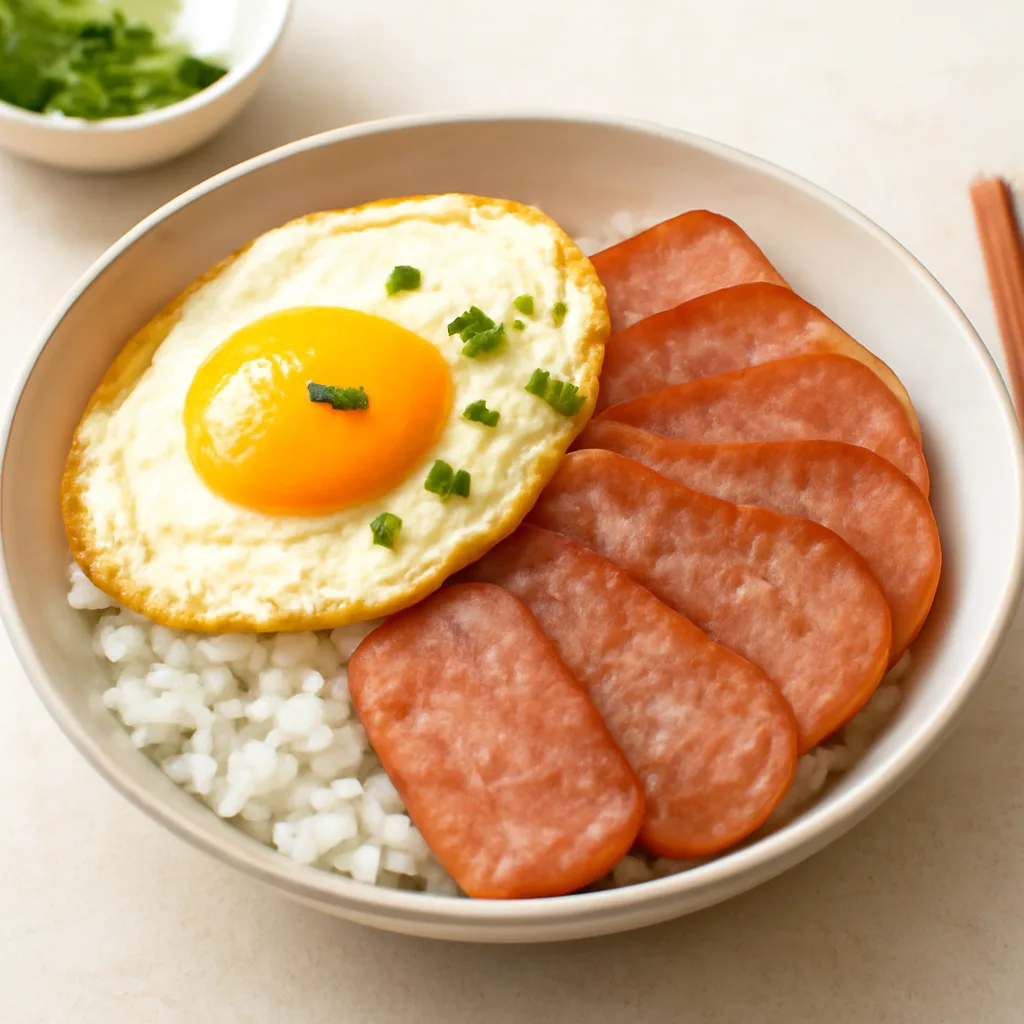
- In bibimbap or donburi, it serves as the base that connects the flavors of vegetables, meat, eggs, and sauces. If the ingredients release a lot of moisture, the rice can become mushy, so it's better to cook high-moisture stir-fried ingredients separately and add at the end.
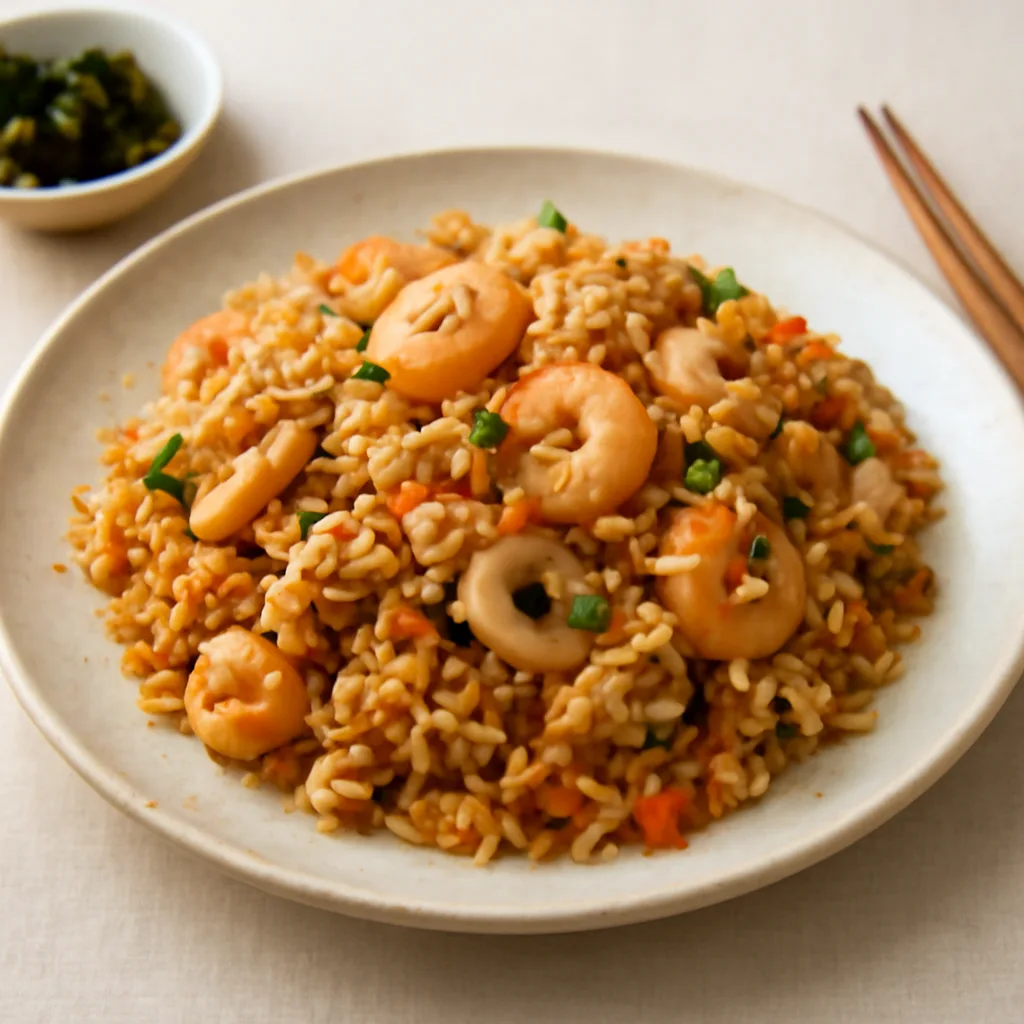
- For fried rice, use cooled rice and break the grains while stir-frying over high heat. If hot rice is added directly, steaming rather than frying can occur, causing clumping.
- For molded dishes like kimbap, onigiri, or inari, use warm or lukewarm rice. Too cold rice doesn’t bind well and may crack.
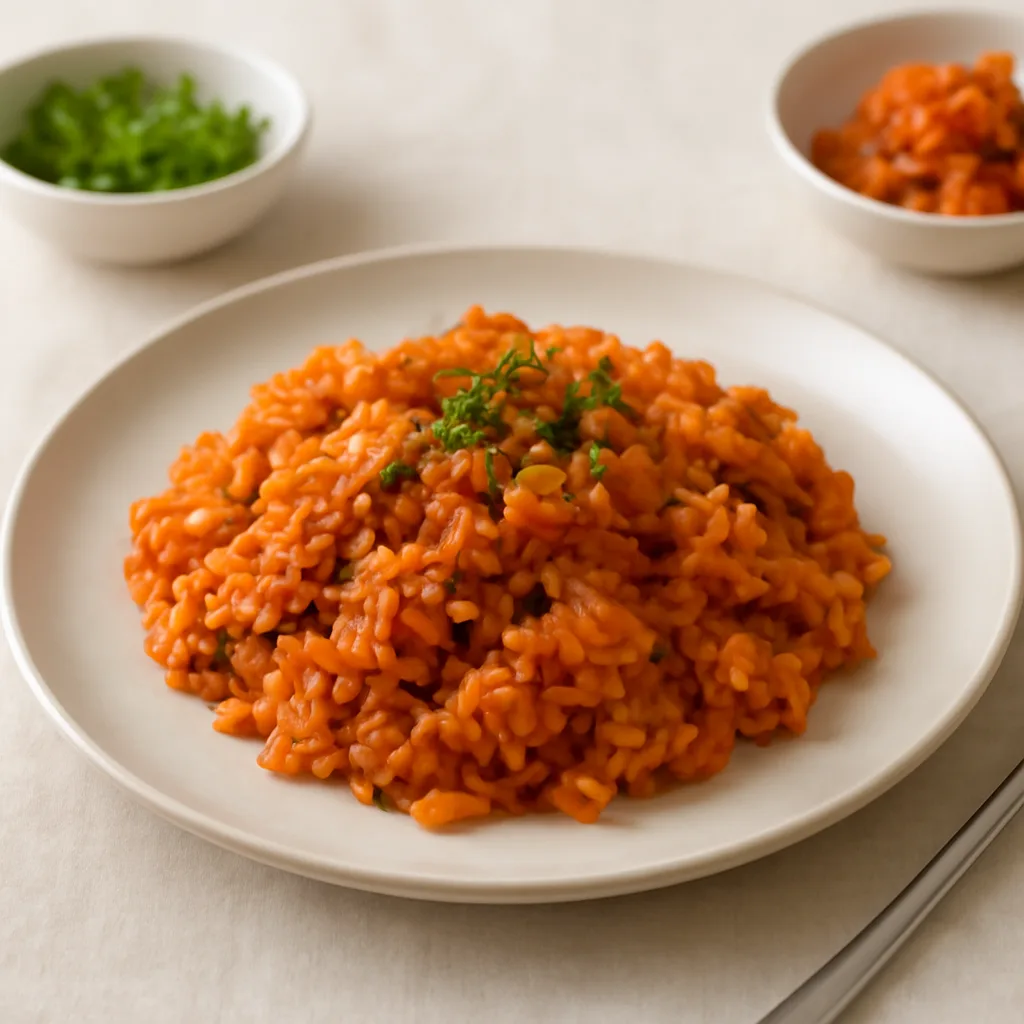
- Leftover rice can be boiled with water or stock to start quick rice-based dishes like porridge, nurungji tang, or risotto-style rice dishes.
Vorbereitungstipps
- When cooking new rice, rinse the rice lightly, drain, and cook using the amount of water suited to the rice and equipment. If the grains are too loose, reduce water next time; if they’re undercooked, increase water or extend the simmering time.
- Pressing the rice firmly with a spatula can crush grains and make it sticky. After done, gently rotate top and bottom to release steam evenly, reducing surface moisture.
- For fried rice, spread the rice in a wide layer to cool for a moment. If refrigerated rice has hardened, split the grains with your hand or a spatula before frying; adding too much water can make it soggy again.
- When seasoning for rice balls or kimbap, avoid adding excessive liquid seasoning when the rice is very hot. If seasoning isn’t mixing evenly or grains crush easily, cool for a moment and mix in small portions.
Besonderheiten beim Kochen
- When heated, rice starch absorbs water and becomes soft, and simmering with water or broth for a longer time breaks the grains and thickens the dish. If porridge is too thick, replenish with hot water or stock to reach the desired flow.
- When frying in a pan, if the surface moisture is low, the grains separate and develop a nutty aroma. If moisture remains in the pan or too many ingredients are added at once, the temperature drops and the rice can become soggy, so cook in portions or dry off moisture first.
- In the microwave or steamer, rice absorbs steam and becomes soft again. If it feels dry, add a small amount of water, cover, and heat, but adding too much water can make the surface slimy.
- Frying over high heat for too long can make the bottom crispy or give a starchy aroma, but stirring constantly can break the grains and dry them out. If you want a nurungji-like texture, press briefly; for soft fried rice, finish quickly.
Gut passende Kombinationen
- Pair with soups like doenjang-jigae, kimchi jjigae, or clear broth soups to let the rice’s blandness absorb the soup’s saltiness and aroma.
- Soy sauce, gochujang, doenjang, sesame oil, sesame seeds, eggs enrich the rice’s mild flavor with a distinct umami and aroma.
- With dishes that have sweet-salty sauces like bulgogi or braised items, a relatively plain rice is a good balance. For cream sauces or fatty stir-fries, adding acidic pickles or raw vegetables can lighten the heaviness.
- In bibimbap, combine with vegetables and proteins that have moisture controlled, along with eggs. Using many very wet ingredients can dull the rice texture.
Hinweise zum Ersetzen
- Choose substitutions for rice based on the role in the dish. For the base of broth or donburi, cooked grains like barley, multigrain, or brown rice are natural, though their chew and moisture absorption differ.
- For fried rice, you can use cooked cooled barley or finely minced cauliflower. Cauliflower releases moisture quickly and lacks the elasticity of rice, so dry moisture in the pan first before adding seasonings.
- For molded dishes like kimbap or onigiri that need to bind, sticky rice is easiest to handle. Grains with high bran content or large grains can crumble, so use fewer fillings or consider using a mold.
- In porridge, you can use raw rice instead of leftover rice, but cooking time and liquid needed will differ. If you want a quick soft porridge, already-cooked rice is more suitable.
Zutaten, die häufig zusammen in echten Gerichten verwendet werden
Basierend auf der Häufigkeit der gleichzeitigen Verwendung von Hauptzutaten in den bei CookPagoda registrierten öffentlichen Gerichten.
Gerichte, in denen diese Zutat verwendet wird
Wir zeigen Ihnen die Gerichte, in denen diese Zutat als Hauptzutat enthalten ist, nach Aufrufzahlen sortiert.