Zutaten-Enzyklopädie
Überprüfen Sie die Eigenschaften der Zutaten und wie sie in der Küche verwendet werden.
Lachs
3
6
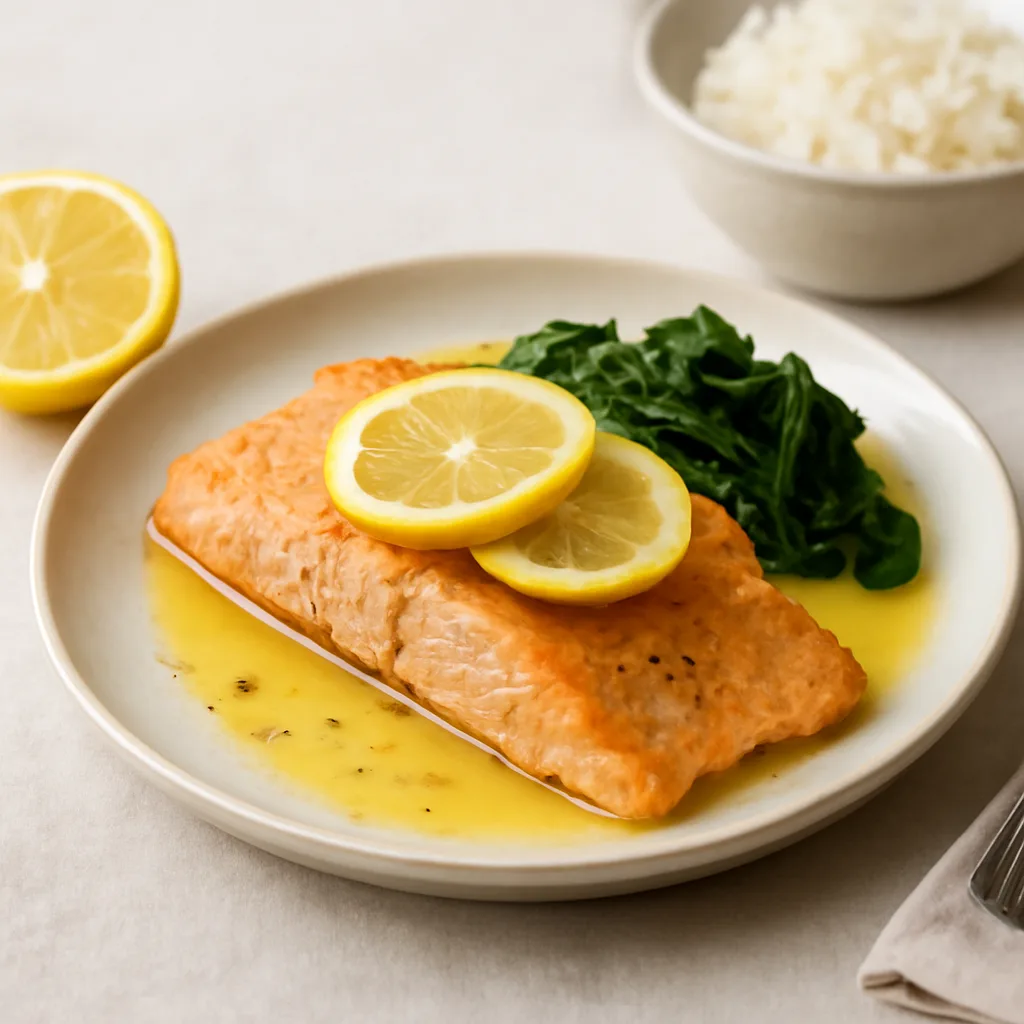
Salmon is a fish with red flesh and relatively high fat, used broadly from grilling, pan-searing, steaming, and braising to raw preparations like sashimi or poke that are not heated. The thick flesh benefits from cooking that leaves the center moist, and pieces with skin on can gain a crispy texture. Taste can be simply enhanced with salt and acidity, or pair well with flavorful seasonings such as soy sauce, miso, herbs, and spices. However, if strongly flavored marinades are left on too long, the oiliness and soft texture of the salmon can be masked, so it is best to adjust marination time according to whether the dish is light or heavily seasoned. Thickness and cut affect the cooking speed. For the surface to develop color while the inside remains less overheated, it’s better to sear the outside first and finish with lower heat or residual heat to avoid drying out the center.
Geschmack und Textur
Salmon has a nutty, fatty flavor at its core, and the flesh becomes soft and flakes along the grain when cooked. Fatty parts stay moister and richer, while leaner cuts can firm up faster in the same time. When raw, it has a smooth, soft texture; when heated, it turns opaque pink and the grain becomes more pronounced. If cooked too much, white proteins may appear on the surface and the flesh can become dry and compact.
Hauptverwendungszweck
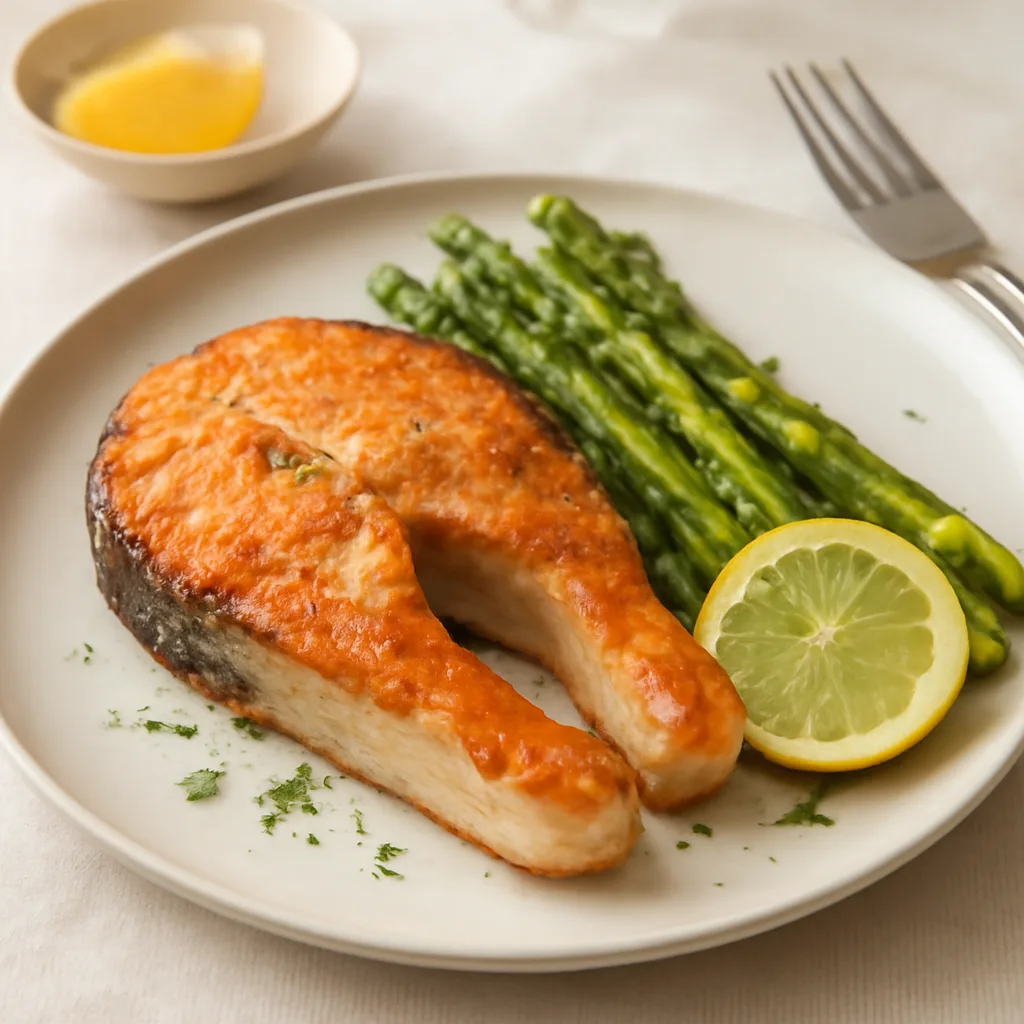
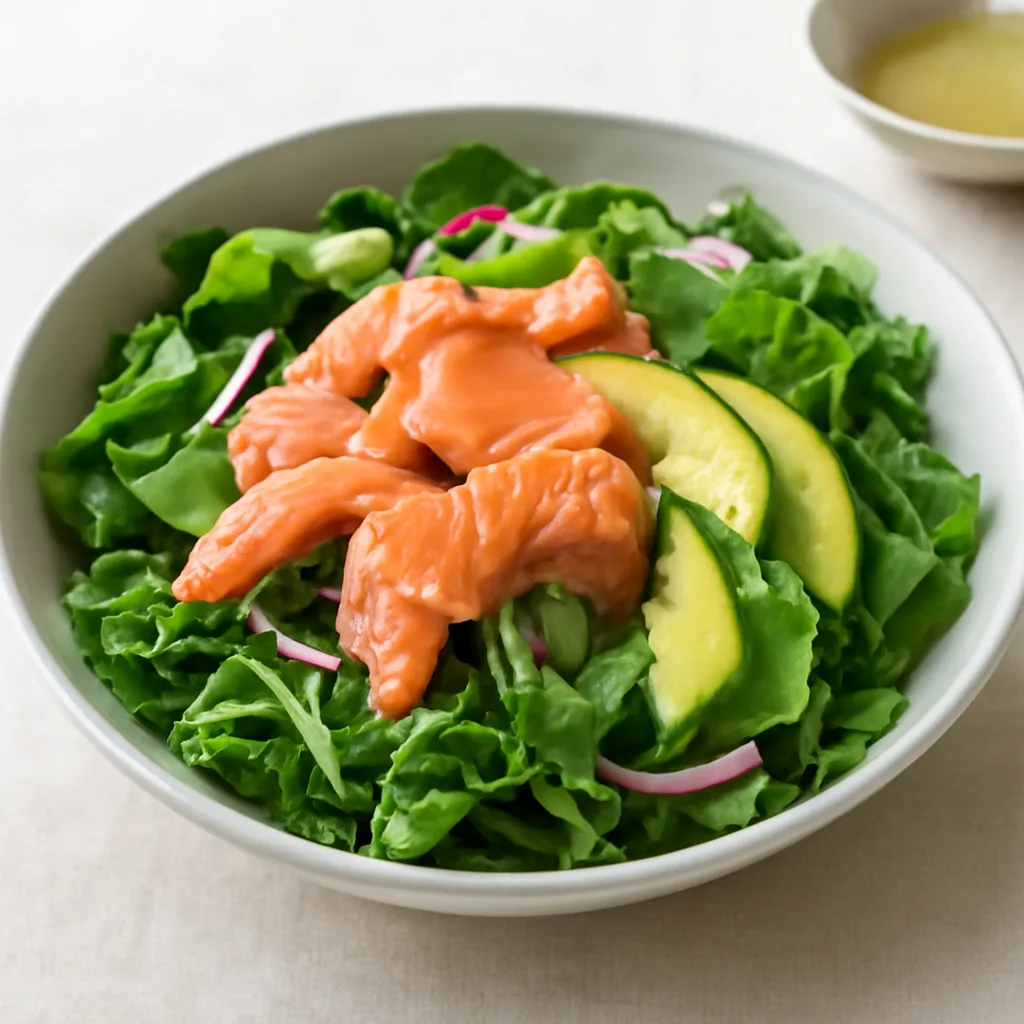
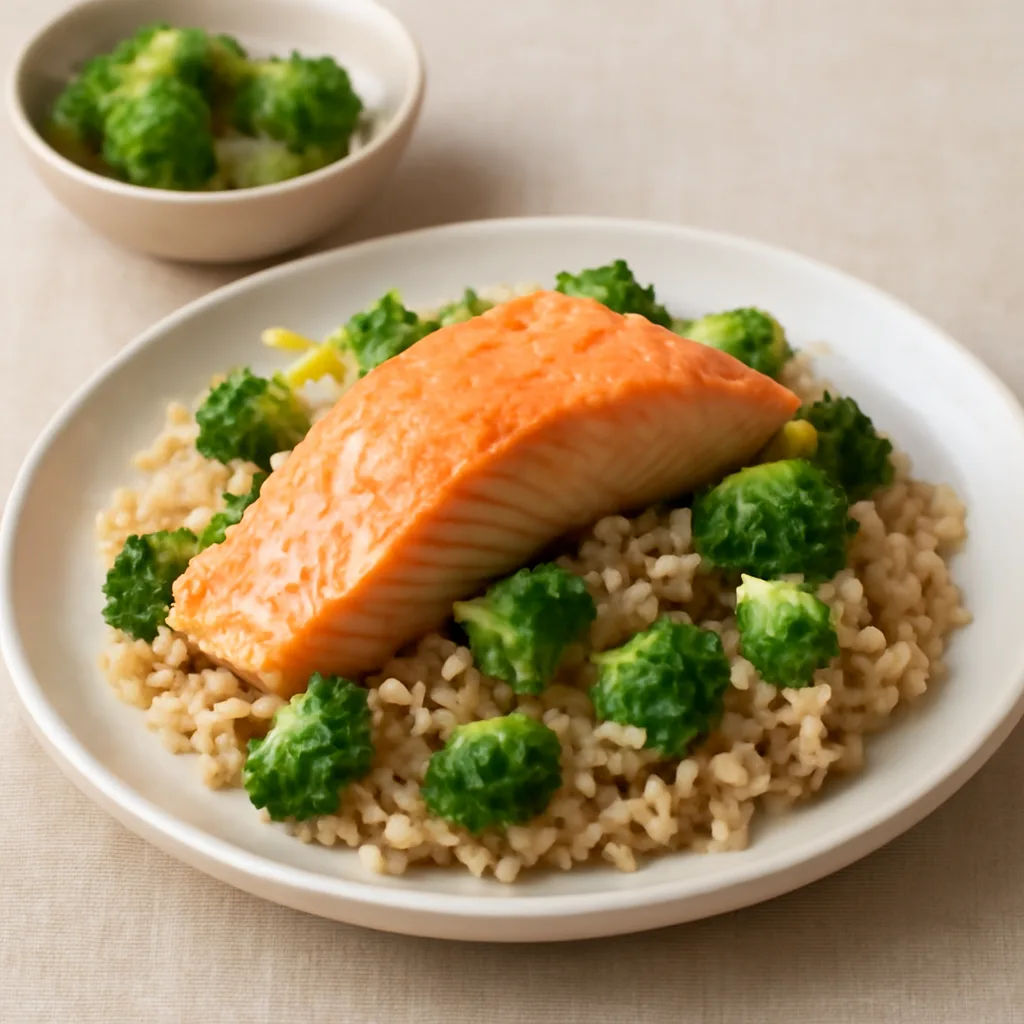
- Season with salt and pepper and sear in a pan or bake in the oven, serving with rice, potatoes, or salads. For fillets with skin, start cooking from the skin side to create a crispy contrast.
- Stew or glaze with salty or sweet sauces like soy sauce, miso, gochujang, or maple syrup. Sugary sauces color quickly, so it’s better to apply a thick layer later in cooking rather than at the beginning.
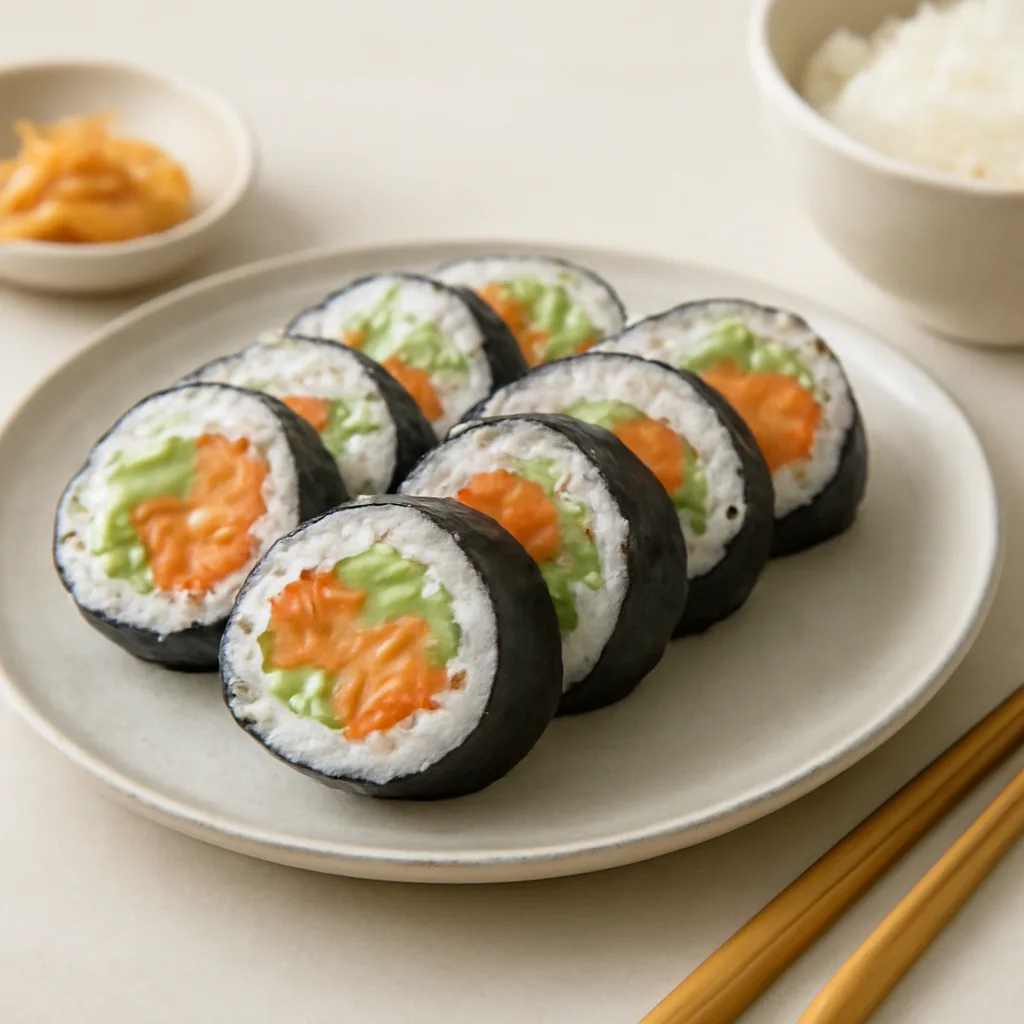
- Crumble cooked salmon into pasta, fried rice, onigiri, or sandwiches as a filling. When reheating leftovers in a dry pan, it can become dry, so mix briefly with sauce or rice.
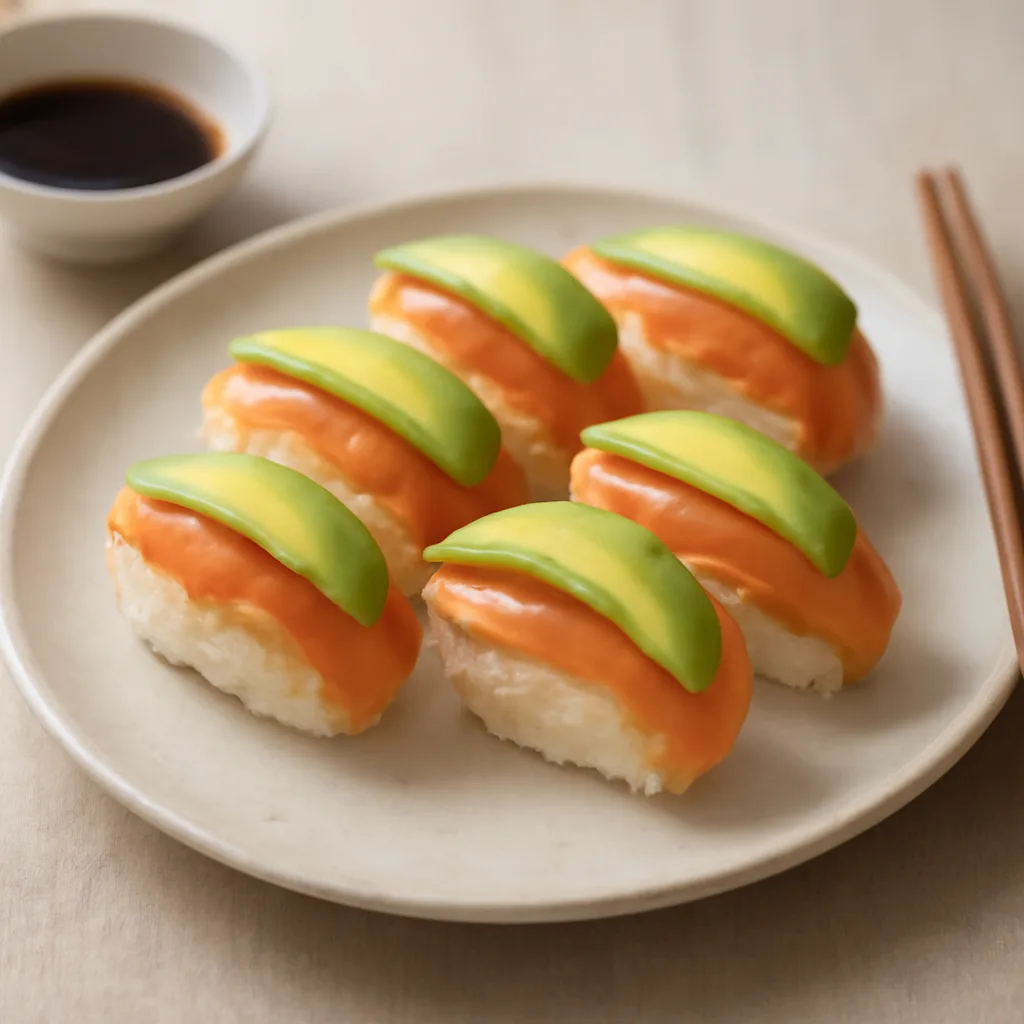
- Raw salmon is used for sashimi, sushi, poke, or carpaccio. This use is different from simply substituting raw cooking-grade salmon, so check the product’s intended use and handling guidance before selecting.
Vorbereitungstipps
- Gently press the surface with a paper towel to remove moisture, which reduces oil splatter and promotes even browning when added to the pan. If you want the skin extra crispy, thoroughly dry the skin surface.
- For thick fillets, judge doneness by the thickest part. When the grains start to separate but the center still looks moist, remove from heat and finish with residual heat.
- Season with salt just before cooking to quickly set the surface saltiness. If it has been left with surface moisture, wipe dry again to reduce soggy texture during grilling.
- Check for bones by feeling along the flesh with your fingers before cooking, and remove visible bones. For thin slices, removing bones can cause the meat to tear, so use tweezers to pull them out slowly in one direction.
Besonderheiten beim Kochen
- In pan-searing, start with a preheated pan rather than a cold one to prevent sticking and allow color to form. When you place salmon, avoid moving it too soon to prevent tearing; wait until the bottom naturally releases from the pan.
- Fat renders and keeps the fish moist, but prolonged exposure to high heat dries the interior. If the center is underdone while the surface is deeply browned, reduce heat, cover briefly, or transfer to an oven.
- In ovens or air fryers, hot air can dry the surface quickly. Thin slices cook faster than thick fillets, and sauce should be applied later in the cooking to avoid burning.
- For braising, the broth flavors are absorbed well, but long simmering can over-soften the texture. When the flesh becomes opaque and edges start to separate, add briefly to maintain shape.
Gut passende Kombinationen
- Citrus elements like lemon, lime, vinegar, or pickles help balance the rich oiliness of salmon. If you’re using a cream sauce or a lot of butter, add a touch more acidity to prevent it from feeling heavy.
- Herbs like dill, parsley, and chives, along with pepper, enhance salmon without overpowering its flavor. When using smoky or spicy aromas, avoid layering too many herbs to keep the flavor from becoming muddled.
- Soy sauce, miso, and sesame oil pair naturally with salmon served with rice, and vegetables like asparagus, broccoli, or spinach create a nice contrast with the moist flesh.
Hinweise zum Ersetzen
- If you need to substitute salmon fillets for grilling or baking, consider fattier oily fish such as trout or other oily fish with similar texture. Adjust cooking time based on doneness rather than time alone, as thickness varies.
- Tuna-like fish with firmer texture may not impart the same tender mouthfeel as salmon, so for quick high-heat cooking or raw-centric preparations it may be more suitable. When salmon’s oily, rich flavor is important (in sauces or stews), replacing with a lean white fish will require adjustments in butter, olive oil, or sauce thickness to compensate.
- Canned salmon is convenient for fried rice, patties, or pasta where the flesh can be crumbled, but it is not a substitute for crisp-skinned fillet grilling that relies on a moist center and crispy exterior.
Zutaten, die häufig zusammen in echten Gerichten verwendet werden
Basierend auf der Häufigkeit der gleichzeitigen Verwendung von Hauptzutaten in den bei CookPagoda registrierten öffentlichen Gerichten.
Gerichte, in denen diese Zutat verwendet wird
Wir zeigen Ihnen die Gerichte, in denen diese Zutat als Hauptzutat enthalten ist, nach Aufrufzahlen sortiert.