Zutaten-Enzyklopädie
Überprüfen Sie die Eigenschaften der Zutaten und wie sie in der Küche verwendet werden.
돼지고기
4
5
The pork varies greatly in its cooking results depending on the cut and fat content. Fatty cuts like pork belly are well-suited for grilling or frying to bring rich flavor and moisture, while leaner cuts such as shoulder blade or hind leg are suitable for mincemeat, stews, and braised dishes. Shoulder cuts with a mix of fat and meat can be used broadly for both grilling and frying. Choosing a method that matches the desired texture is important. Thinly sliced meat should be cooked quickly over high heat to preserve tenderness, while large pieces with connective tissue benefit from moist cooking to become more tender. Conversely, cooking lean cuts over high heat for too long can strip moisture and make them dry, so it’s better to remove from heat as soon as they are cooked in stir-fries. Pork pairs well with strongly flavored seasonings like soy sauce, doenjang, gochujang, garlic, and ginger, and it balances nicely with ingredients that have acidity or moisture, such as kimchi or radish. For fatty dishes that feel heavy, adding vegetables or acidic accompaniments helps balance flavors, while for lean cuts, adding fat or sauces is practical.
Geschmack und Textur
Cooked pork is rich and savory, with deeper flavor as the fat content increases, melting smoothly in the mouth. Lean cuts taste mild, but overcooking can make them firm and dry. Texture is greatly affected by the direction of slicing and cooking time. Slicing across the grain makes chewing easier, and in stews or braises, longer time and more moisture can soften tough tissue.
Hauptverwendungszweck
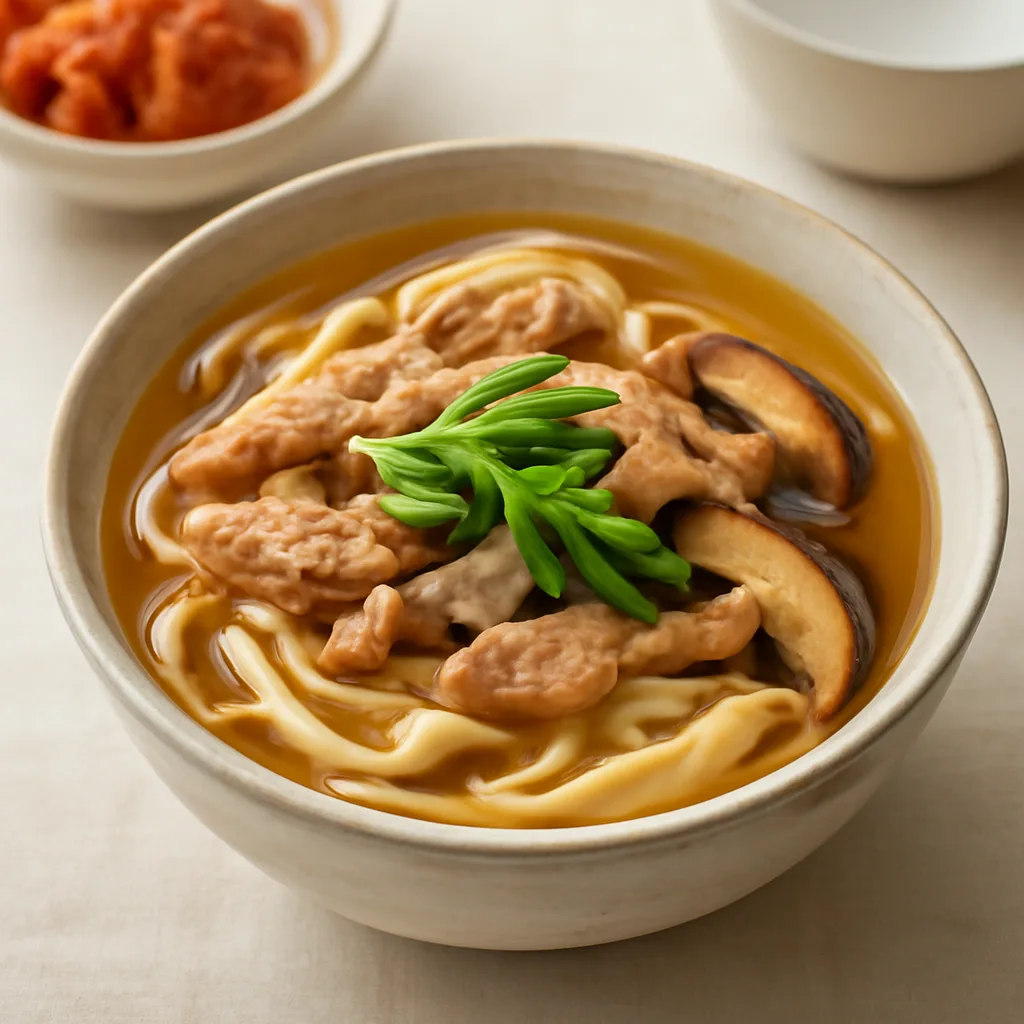
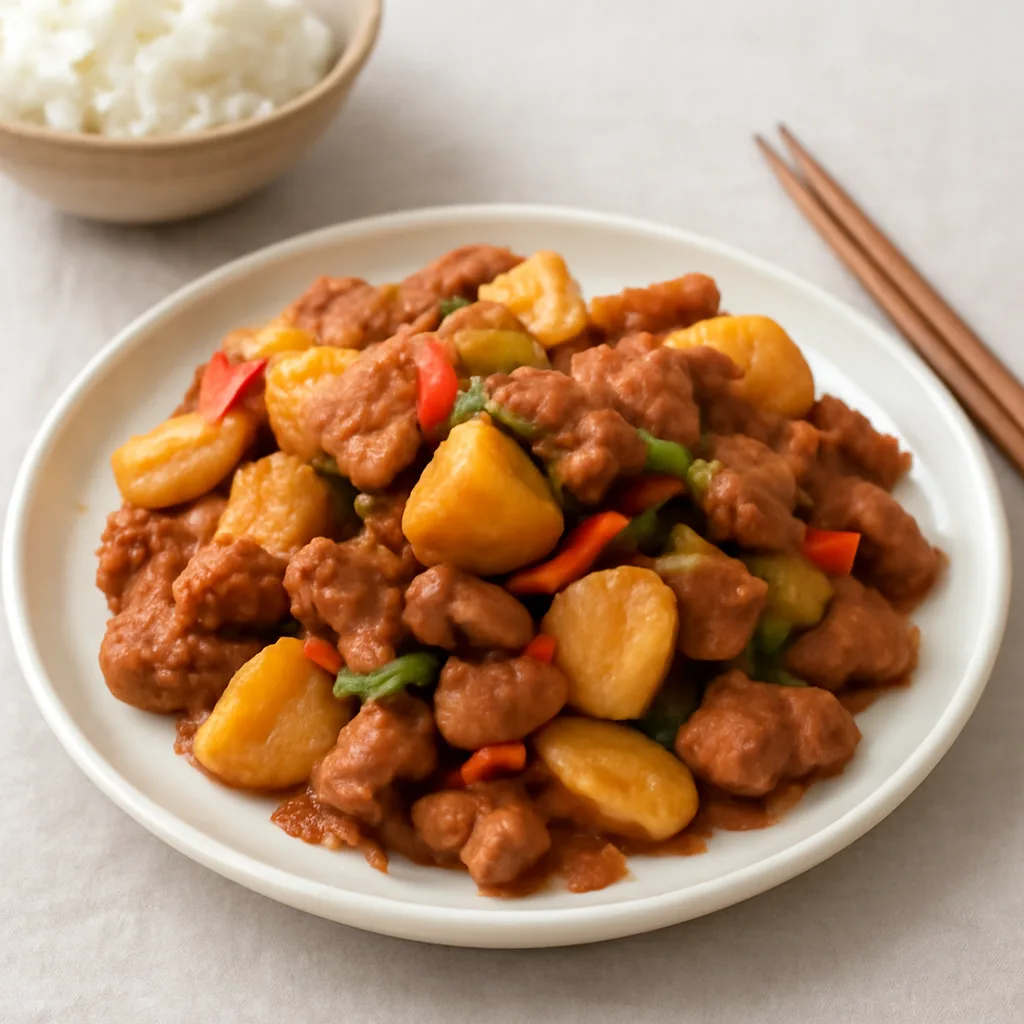
- Thinly sliced pork is used in dishes like spicy pork stir-fry, bulgogi-style stir-fry, and kimchi fried rice, where high heat cooks quickly. If the pan isn’t sufficiently hot, meat releases moisture and flavor diminishes, so it’s good to cook in small batches.
- Ground pork is used in dumpling filling, meatballs, fried rice, and sauces. Ground pork with too little fat can be dry, so consider using moisture-releasing vegetables, tofu, or a bit of fat from other meat.
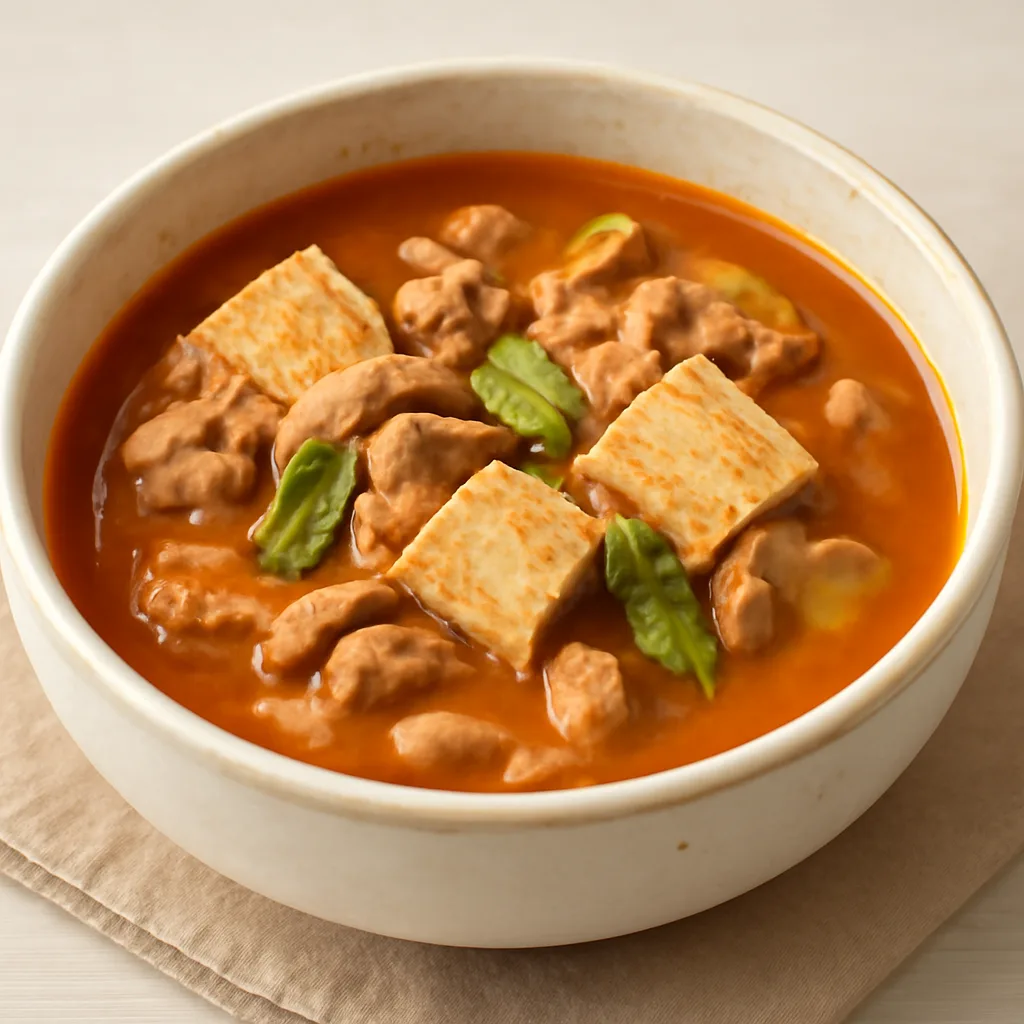
- Chunkier cuts are well-suited for soups and stews like kimchi jjigae, doenjang jjigae, boiled pork, or braises, which cook with broth or steam. When simmering for a long time, avoid cutting meat too small, to prevent it from breaking apart; cut to sizes appropriate for the cooking time.
- Fatty, grill-ready cuts can be grilled with just salt and pepper, or seasoned with soy sauce or gochujang. Very sweet marinades darken easily, so add them after the meat is partially cooked or adjust the heat to prevent burning.
Vorbereitungstipps
- Gently pat surface moisture with a paper towel to dry; this helps achieve a browner surface when grilling or frying. Excess moisture lowers pan temperature and can cause the meat to steam rather than fry.
- For grilling or stir-frying, slice the meat across the grain just before cooking to reduce toughness. If the meat is already thinly sliced, shorter marination is better to maintain shape.
- Garlic, ginger, pepper, and soy sauce marinades help bring out the pork’s nutty flavor. However, if the soy sauce or salt content is high, avoid long marination or divide the seasoning during cooking to prevent a hard, salty surface.
- For stews or braises, brown the meat first to develop aroma, then add liquids. If you want a clear, light broth, this step may add oil and roasted aromas, so a straight boil can be more suitable.
Besonderheiten beim Kochen
- When frying, fatty cuts render their own fat and edges become brown. If there is too much oil, remove some and finish with vegetables or seasonings.
- Cooking too much at once over high heat lowers the pan temperature and traps moisture. If the surface doesn’t brown and a grayish liquid forms, divide portions or briefly raise heat to evaporate moisture.
- In soups or braises, tougher cuts can become tender with slow cooking. Leaner, smaller pieces, however, can become stringy or fall apart the longer they simmer, so add them later according to the cut.
- Sugary marinades darken quickly when heated. If the marinade starts to darken and stick to the pan, lower the heat and add small amounts of water or stock to prevent burning.
Gut passende Kombinationen
- Vegetables with moisture or bright flavors like kimchi, radish, napa cabbage, or chives help balance the richness of fatty pork. For fatty cuts like pork belly, pair with fresh vegetables or pickled sides, while for lean pork stir-fries, add onions or mushrooms to bring in sweetness and moisture.
- Soy paste-based sauces benefit from garlic and ginger for deeper aroma. If the pork is mild like plain boiled pork or a clear broth, reduce these aromatics and compensate with scallions or pepper.
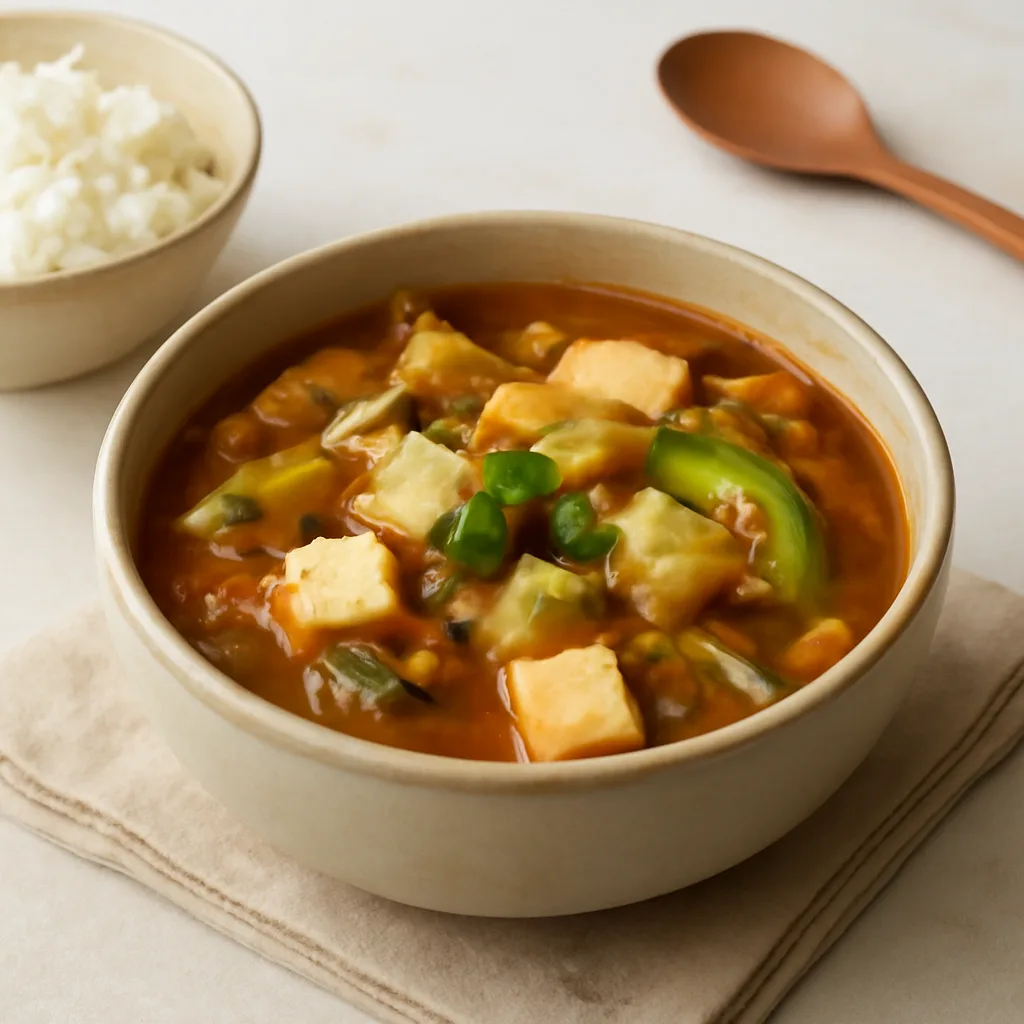
- Tofu, potatoes, and mushrooms pair well with stews or braises to absorb pork flavors. Be careful with tofu, as it can crumble if simmered too long; add it toward the end and cook just until heated.
Hinweise zum Ersetzen
- Substitutes depend on whether the goal is a fatty, rich flavor or a tender, meaty texture. For a similar richness to pork belly’s fat, shoulder is a relatively close option, but using the same cooking time may make the shoulder feel drier.
- Ground pork can be replaced with ground beef or chicken, but flavor and fat content will change. When using ground chicken, add a little tofu, chopped vegetables, or extra fat to maintain moisture.
- In stews or braises, you can use beef or chicken instead of pork, but it is hard to transfer exact cooking times and seasoning strength. Chicken cooks faster, so add it later if using a long-cooked pork method.
- Completely replacing the nutty pork flavor in grilled dishes or boiled pork is difficult. In this case, adjust seasonings, accompaniments, and cooking times to suit the other meat rather than trying to substitute directly.
Zutaten, die häufig zusammen in echten Gerichten verwendet werden
Basierend auf der Häufigkeit der gleichzeitigen Verwendung von Hauptzutaten in den bei CookPagoda registrierten öffentlichen Gerichten.
Gerichte, in denen diese Zutat verwendet wird
Wir zeigen Ihnen die Gerichte, in denen diese Zutat als Hauptzutat enthalten ist, nach Aufrufzahlen sortiert.