Zutaten-Enzyklopädie
Überprüfen Sie die Eigenschaften der Zutaten und wie sie in der Küche verwendet werden.
두부
15
24
Tofu is made by coagulating the soy milk derived from ground soybeans and removing the moisture; it is widely used from soups and stews to frying, braising, and salads due to its mild flavor and soft texture. The firmness varies by product, so matching the cooking method to the tofu is important. If you need it to hold its shape in a broth, choose firmer tofu; for dishes where the tofu should softly envelop the seasoning, use softer tofu. The tofu aroma itself is not strong, but it absorbs flavors well when combined with strongly flavored seasonings such as soy sauce, doenjang, gochujang, and garlic. However, if boiled for a long time or stirred vigorously, it can break apart, so especially silken tofu (sundubu) or soft tofu should be added at the end and handled gently. In stews or hot pots, cut into large chunks to hold the soup flavors; when pan-frying, pat dry on the surface to get a golden crust. Using too soft tofu for frying can cause it to crack during flipping; firmer tofu is more practical when a crispy texture is the goal.
Geschmack und Textur
Tofu has a gentle soybean aroma with a savory, clean taste that supports the flavors of seasonings and broths. In dishes with light seasoning, its mildness is an advantage, but without sauce or aromatics it can feel a bit bland, so it is often paired with sauces or aromatics. The texture is smooth and moist; silken tofu and soft tofu are so tender they can be scooped with a spoon, while firm tofu is suitable for slicing and grilling. When you remove moisture well, the surface cooks better and the seasonings won’t become watery.
Hauptverwendungszweck
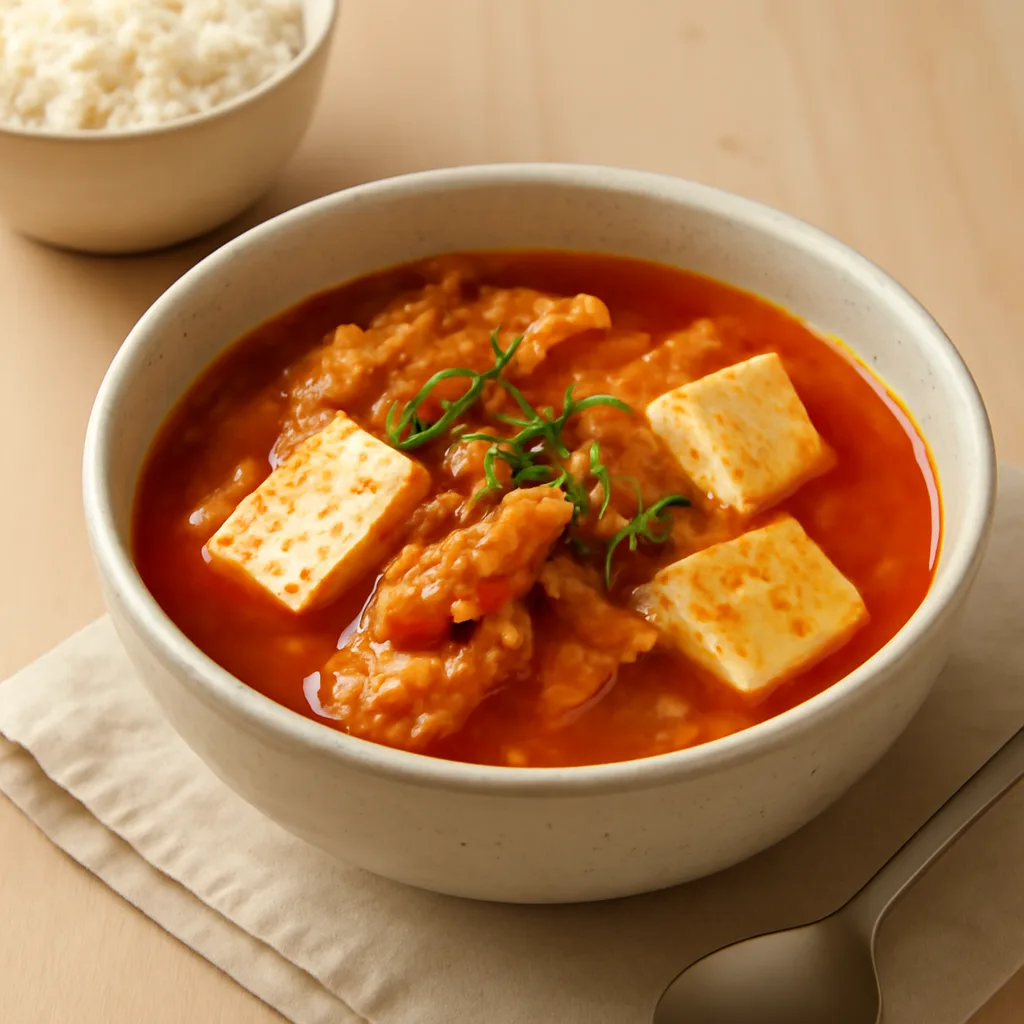
- Add cubed tofu to soybean paste stew (doenjang jjigae), kimchi stew (kimchi jjigae), clear soups, or hot pots to soften the saltiness and fragrance of the broth. After adding, avoid vigorous stirring as the edges may break; gently move once or twice after adding.
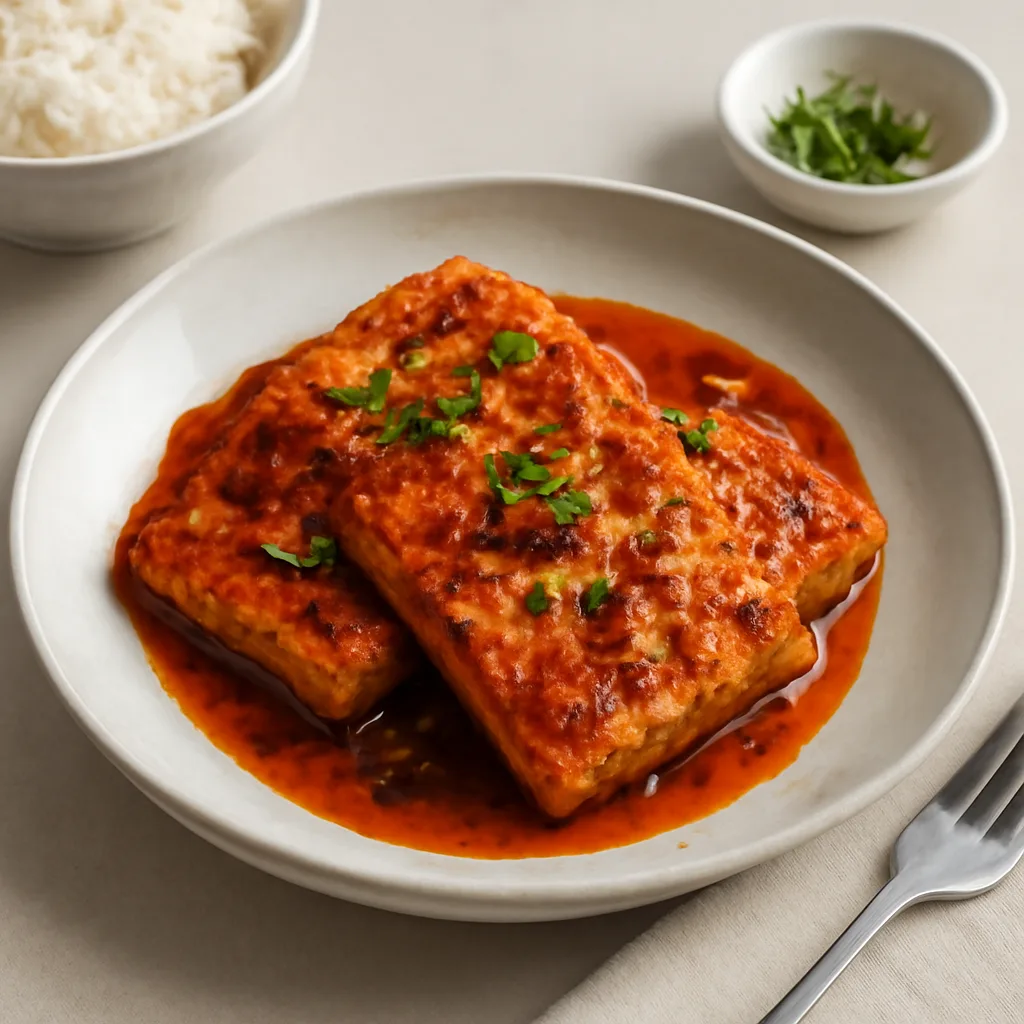
- Firm tofu slices are thickly cut and pan-fried, then served with a soy-based sauce. If the surface turns light brown enough, the moist interior contrasts nicely with the savory exterior.
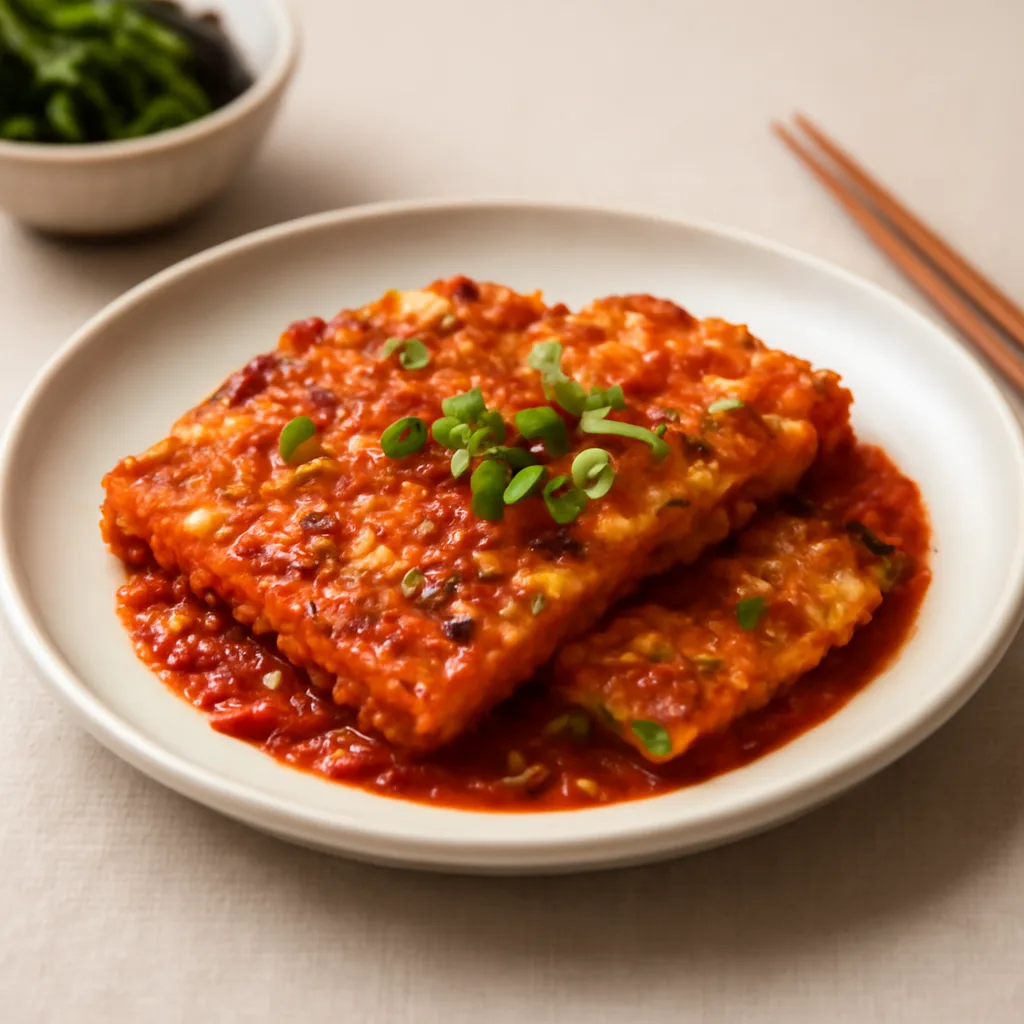
- For braising, first fry or blister the tofu, then simmer with a seasoning paste. Starting with too much liquid makes the seasoning watery and tofu wobbly, so begin with a small amount of liquid and add more as needed.
- Crushed or chopped tofu can be mixed with vegetables, mushrooms, minced meat, or eggs to make stuffing or add to stir-fries. If the tofu is very watery, drain it before mixing to prevent the filling from becoming soggy.
Vorbereitungstipps
- When opening the package, if a lot of water remains on the tofu surface, drain it on a sieve or paper towel. In frying and sautéing, excess moisture causes oil splatter and a steamy texture, so gently pat the surface dry.
- For soups or stews, avoid cutting tofu too small. If the edges start to soften during simmering, next time cut larger and add near the end.
- For frying tofu, lightly salt the sliced tofu and dab away the moisture. If you plan to pair with salty soy sauces or side dishes later, skip this step or reduce salt to avoid oversalting the dish.
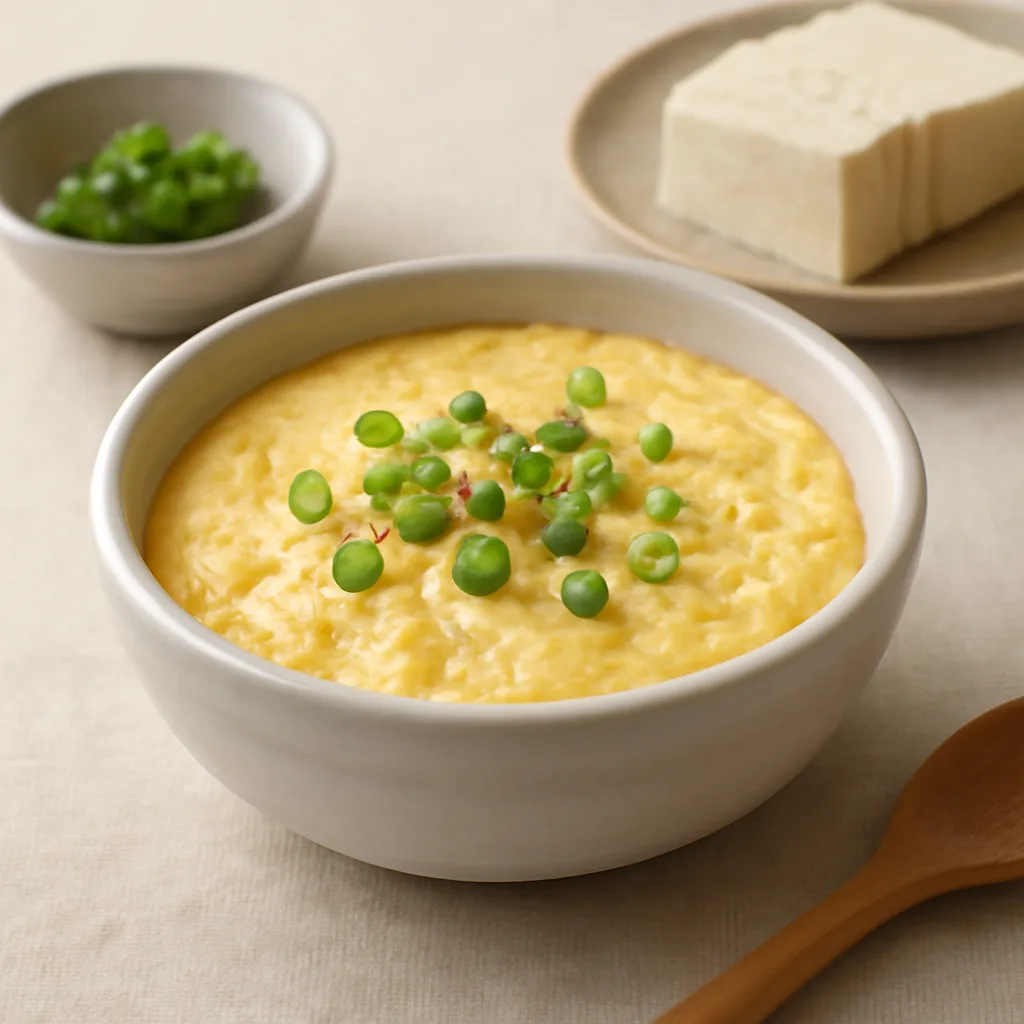
- Silken tofu or soft tofu are better not cut tightly; scoop with a spoon when adding. Dishes with strong seasonings that simmer long are easier to handle with firmer tofu rather than soft types.
Besonderheiten beim Kochen
- When heated, tofu loses moisture inside and the surface becomes dry, releasing a roasted aroma. If added before the pan is hot enough, it tends to stick or release a lot of moisture, so cook on a hot pan with a thin layer of oil without moving it too much on one side at a time.
- In broth-based dishes, tofu absorbs the seasonings and broth, but prolonged simmering does not continue to deepen the flavor. If the surface becomes rough and crumbly, it likely has been over-handled or overboiled, so maintain a gentle simmer thereafter.
- For braising with seasoning, pre-frying makes the surface firmer and easier to turn, and concentrates the seasoning while preserving shape. If you want a very soft texture, you can reduce the frying, but be prepared for possible breakage during cooking.
- When adding tofu to stir-fries, it can lower the pan temperature due to moisture from vegetables. If too much liquid accumulates, a better approach is to fry the tofu separately until golden and then add it back in at the end.
Gut passende Kombinationen
- Soy sauce, garlic, green onion, sesame oil, and sesame seeds pair well to highlight tofu’s mildness, especially in frying or dressings.
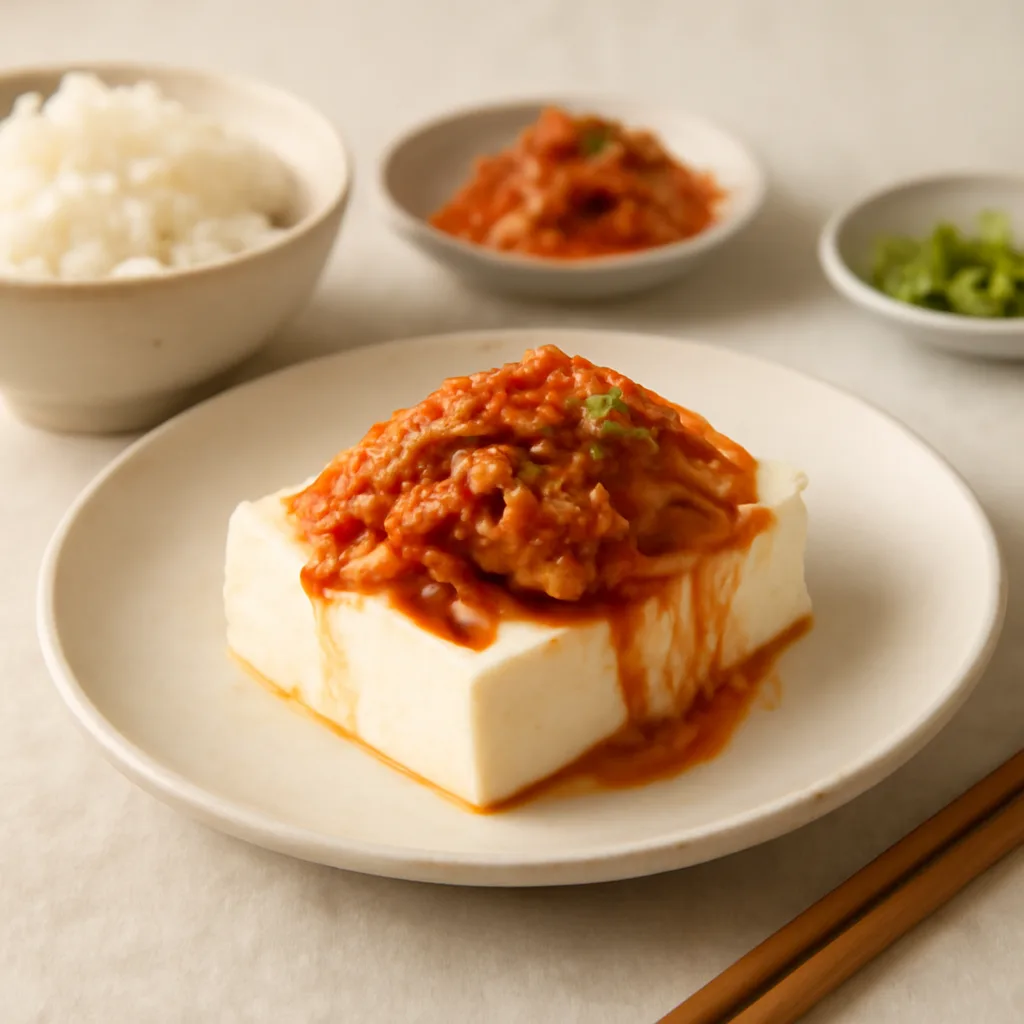
- Ingredients with acidity or heat like kimchi, gochujang, or chili powder create contrast with tofu’s soft texture. When stir-frying with watery ingredients like kimchi, pre-fry the tofu to prevent it from becoming soggy.
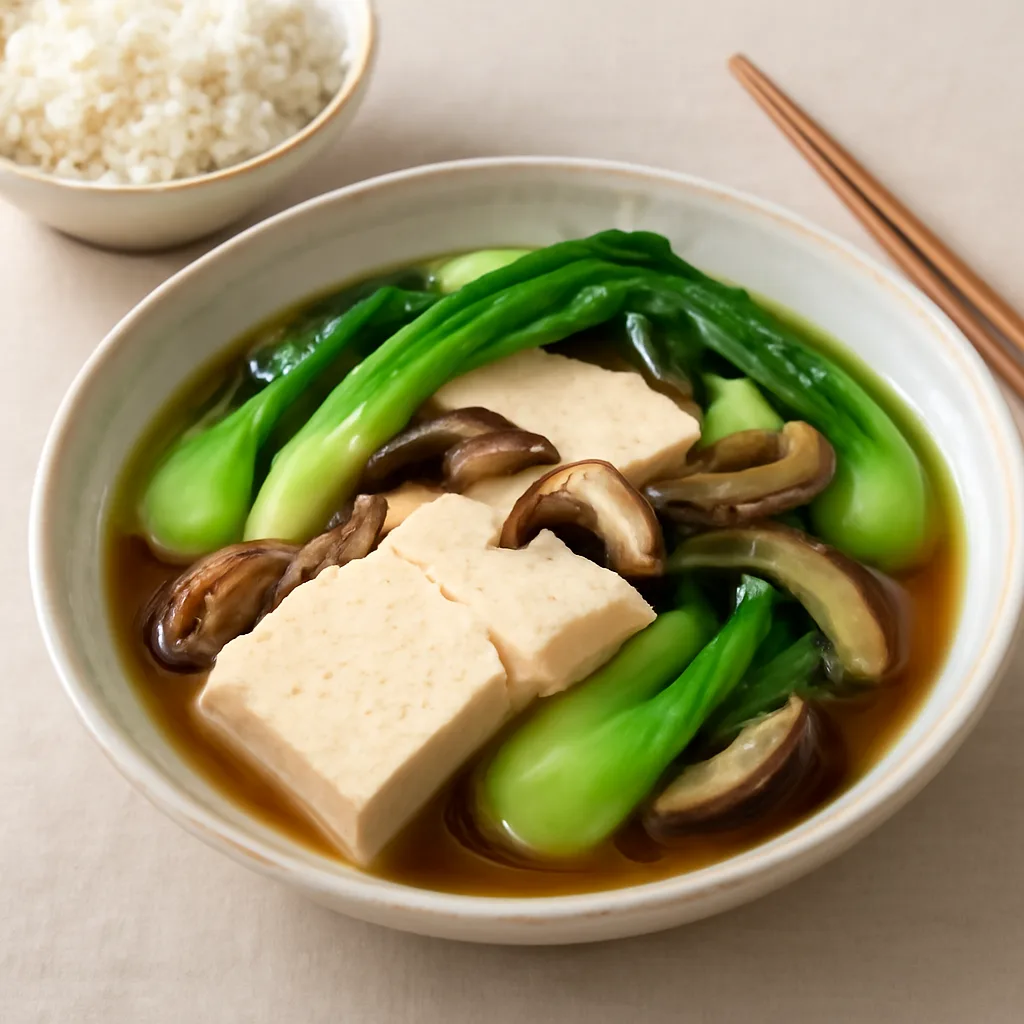
- Miso, mushrooms, and kombu contribute savory depth to tofu in broth-based dishes. However, using too strong a seasoning can mask the tofu’s savoriness, so moderate the amount when the tofu’s flavor is important.
- Crisp cucumber, blanched spinach, and sautéed mushrooms add contrasting textures to complement the soft tofu.
Hinweise zum Ersetzen
- If firm tofu is unavailable for stews or braises, you can use regular tofu but cut larger pieces and reduce the number of stirs. Silken tofu may not be suitable for the same braising method, though it can alter toward a softer texture in soups.
- While using soft tofu for frying is possible, it won’t crisp well; if only soft tofu is available, use it in a sauce or cold dish or add it to soups rather than frying.
- In fillings or stir-fries where mashed tofu is used, adding finely chopped mushrooms, mashed legumes, or eggs can partially compensate. However, these alter moisture and binding, so if the sauce is thin, evaporate more moisture or adjust binding ingredients.
- There are few substitutes that fully replace tofu’s mild base flavor and soft texture. The best alternative depends on whether you prioritize protein, shape retention, or creaminess.
Zutaten, die häufig zusammen in echten Gerichten verwendet werden
Basierend auf der Häufigkeit der gleichzeitigen Verwendung von Hauptzutaten in den bei CookPagoda registrierten öffentlichen Gerichten.
Gerichte, in denen diese Zutat verwendet wird
Wir zeigen Ihnen die Gerichte, in denen diese Zutat als Hauptzutat enthalten ist, nach Aufrufzahlen sortiert.