Zutaten-Enzyklopädie
Überprüfen Sie die Eigenschaften der Zutaten und wie sie in der Küche verwendet werden.
Limette
2
6
Lime is a small citrus fruit whose juice, pulp, and zest aromas are all utilized. Its acidity brightens the seasoning of dishes and, when added at the end, helps to balance heavy fats or sweetness. When a recipe calls for lime, it usually refers to the acidity of the juice or the aroma of the zest, so it’s best to first check which part to use. Common additions include tacos, grilled fish, salads, stir-fried noodles, curries, salsa, and beverages. If added early, the flavor blends through the entire dish but the aroma becomes somewhat milder; added just before finishing, the fragrant impression is more pronounced. However, adding a lot early to dairy or delicate fish can cause proteins to coagulate quickly or surface to become firm, so in such dishes it’s better to add gradually and in portions.
Geschmack und Textur
Lime juice presents a sharp, bright sourness with a slight bitter citrus note from the zest. It can feel more vibrant and clear than lemon, though the actual acidity and aroma strength vary by variety and freshness. The flesh is soft and juicy, and the green outer rind provides fragrant essential oils. If you grind too deeply into the white pith, the bitterness can come through, so use zest in thin layers.
Hauptverwendungszweck
- Finish grilled meat or fish with lime juice to reduce the heaviness of fats and make salt and spices stand out. If the sauce already has vinegar or tomatoes, don’t add a lot at the start; adjust gradually at the end a piece at a time.
- For salsa, guacamole, and herb salads, add juice to connect flavors and slow browning of ingredients that change color, such as avocados. When using soft ingredients like avocado, add with salt to prevent the sourness from standing out on its own.
- In curries, fried rice, or stir-fries with spices and oil, it’s a good idea to add lime juice after turning off the heat. If added during cooking, the acidity may remain but the fresh aroma may fade; keep a little lime juice or zest for the finish.
- In marinades, use a small amount of lime juice to add aroma and acidity. However, if marinating for too long, especially with thin fish or seafood, the surface can become opaque and firm, so keep it brief or add right before cooking.
Vorbereitungstipps
- Before use, rinse the rind under running water and dry well to reduce impurities when zesting. If zest is needed, before squeezing juice, grate the green outer part only with a fine grater to keep it clean.
- Hard limes can yield more juice if gently rolled under the palm at room temperature before cutting. Pressing too hard can mix bitterness from the white pith or near the seeds, so cut in half and apply moderate pressure.
- Seeds can impart bitterness or a gritty texture, so strain with a sieve or by hand. Especially in dressings, drinks, or smooth sauces, a single pass through a sieve keeps texture clean.
- Zest and juice have different roles: use zest to emphasize aroma and juice to adjust acidity. When using both, add zest first in small amounts and taste and supplement with juice at the end to avoid excessive bitterness.
Besonderheiten beim Kochen
- The acidity of lime juice clarifies salty and sweet impressions, so even a small amount can make a bland dish feel more lively. Adding too much at once to increase acidity is better balanced by increasing the cooking base with fat, broth, or vegetable purée rather than adding more sugar.
- When heated, the acidity remains but the fresh lime aroma weakens. For dishes where aroma is important, such as sautéed dishes or soups, it’s good to leave some cooking acidity aside and finish with lime juice or zest just before serving.
- Lime juice added to dairy can make sauces slightly thicker or curdled. To keep creamy sauces smooth, lower heat or add after reducing, and distribute the juice in several additions if needed.
- Prolonged contact of lime juice with the surface of fish/seafood can cause the outer layer to appear opaque, but this does not mean all parts are safely cooked. If texture change is the goal, prefer thinly sliced ingredients with short contact time, or apply additional heating for dishes that require cooking through.
Gut passende Kombinationen
- Fresh herbs like cilantro, mint, and basil pair well with lime for salsa, salads, and Southeast Asian-style stir-fries. If cilantro flavor is strong, focus on mint or green onions and start with a small amount of lime.
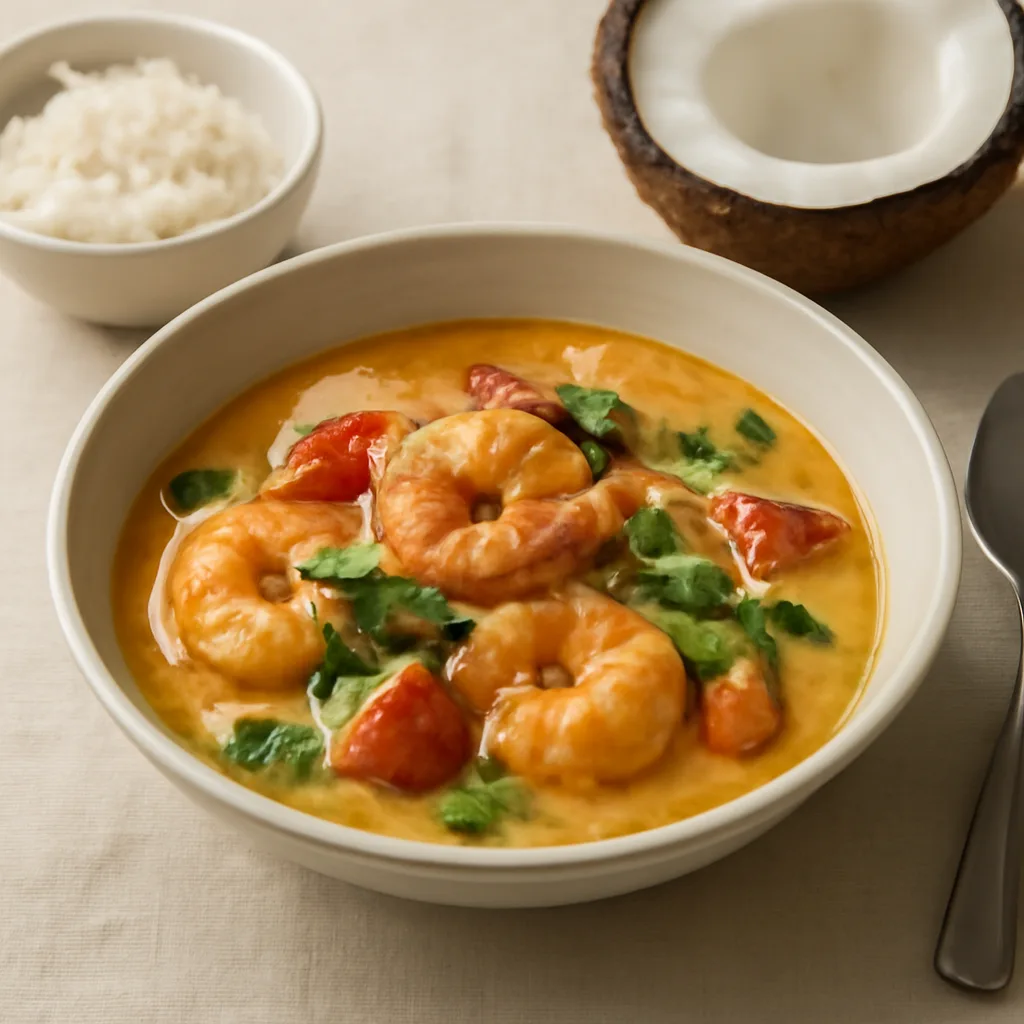
- Combine with chili, ginger, garlic, and coconut milk to create a bright contrast between heat and rich texture. If your coconut-milk-based sauce is already fairly thin, it’s better to balance with zest rather than overloading with juice.
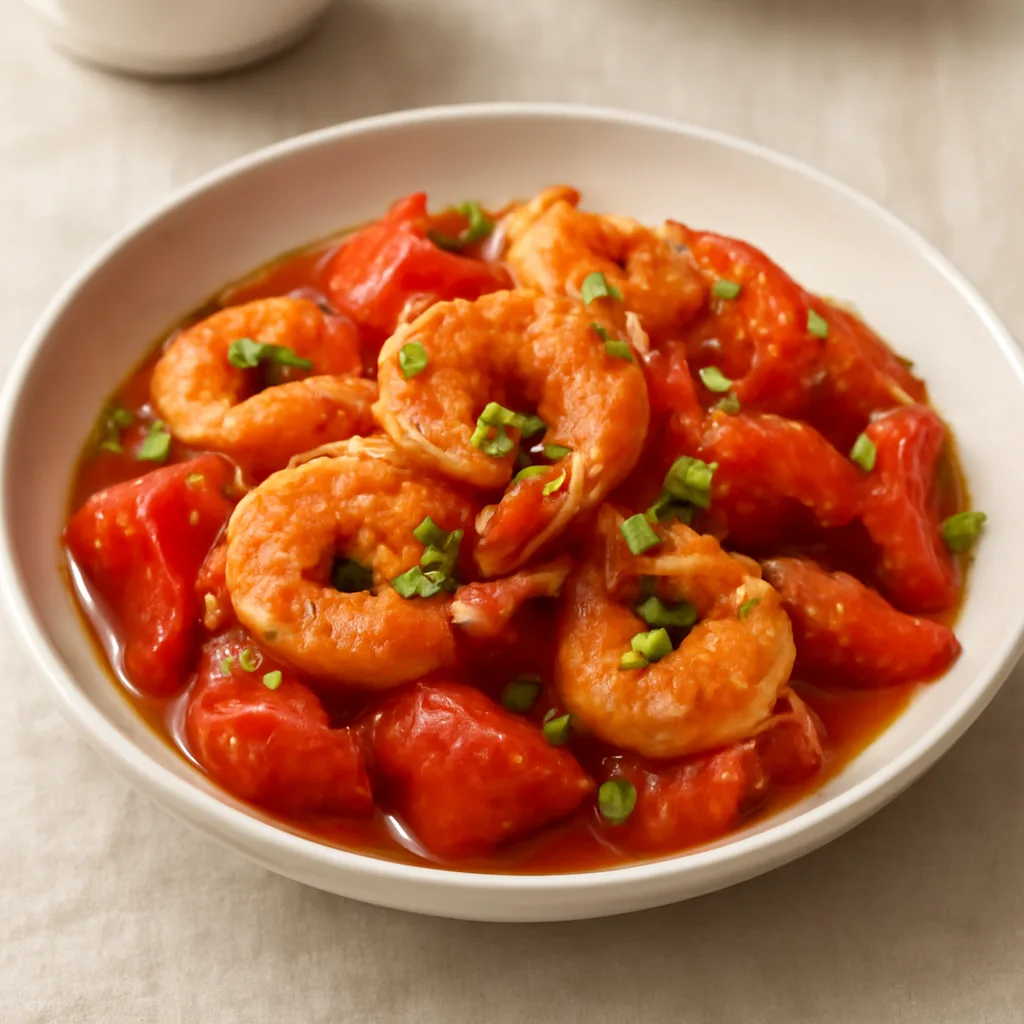
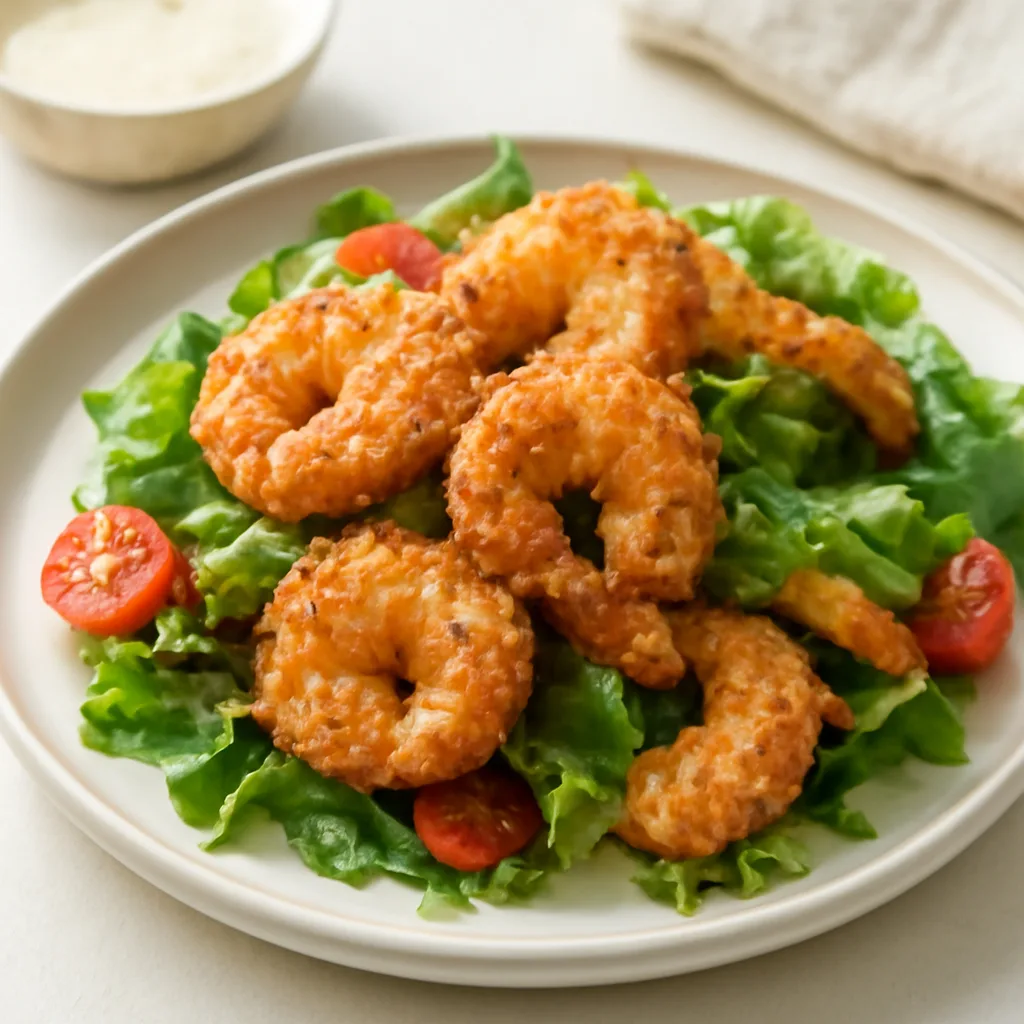
- Goes well with avocado, shrimp, white fish, and chicken—foods that are mild or fatty. However, very delicate sashimi or thin seafood can have their aroma overwhelmed by lime, so use only a few drops.
- When paired with sugar, honey, or fruit, lime’s acidity becomes mellow, suitable for beverages and fruit desserts. If sweetness is increased, a pinch of salt can soften the sharpness first.
Hinweise zum Ersetzen
- If lime juice is needed, you can substitute lemon juice, but lemon has a different texture and may feel less vibrant. For tacos or salsas where lime aroma is central, start with a smaller amount and adjust to taste rather than a direct 1:1 swap.
- For dressings or sauces needing acidity only, use a small amount of rice vinegar, apple cider vinegar, or white wine vinegar. Vinegar provides a more direct aroma and acidity, so start with less than lime juice and dilute with water or fruit juice if needed.
- Lemon zest is the closest substitute when zest is required, but aroma differs. In recipes where zest is central to the spice blend, adding lime juice in small amounts at the end may help balance more than a direct substitute.
- Lemon slices could substitute for lime slices in beverages or for garnish, but expect differences in aroma.
Zutaten, die häufig zusammen in echten Gerichten verwendet werden
Basierend auf der Häufigkeit der gleichzeitigen Verwendung von Hauptzutaten in den bei CookPagoda registrierten öffentlichen Gerichten.
Gerichte, in denen diese Zutat verwendet wird
Wir zeigen Ihnen die Gerichte, in denen diese Zutat als Hauptzutat enthalten ist, nach Aufrufzahlen sortiert.