Zutaten-Enzyklopädie
Überprüfen Sie die Eigenschaften der Zutaten und wie sie in der Küche verwendet werden.
Spinat
8
17
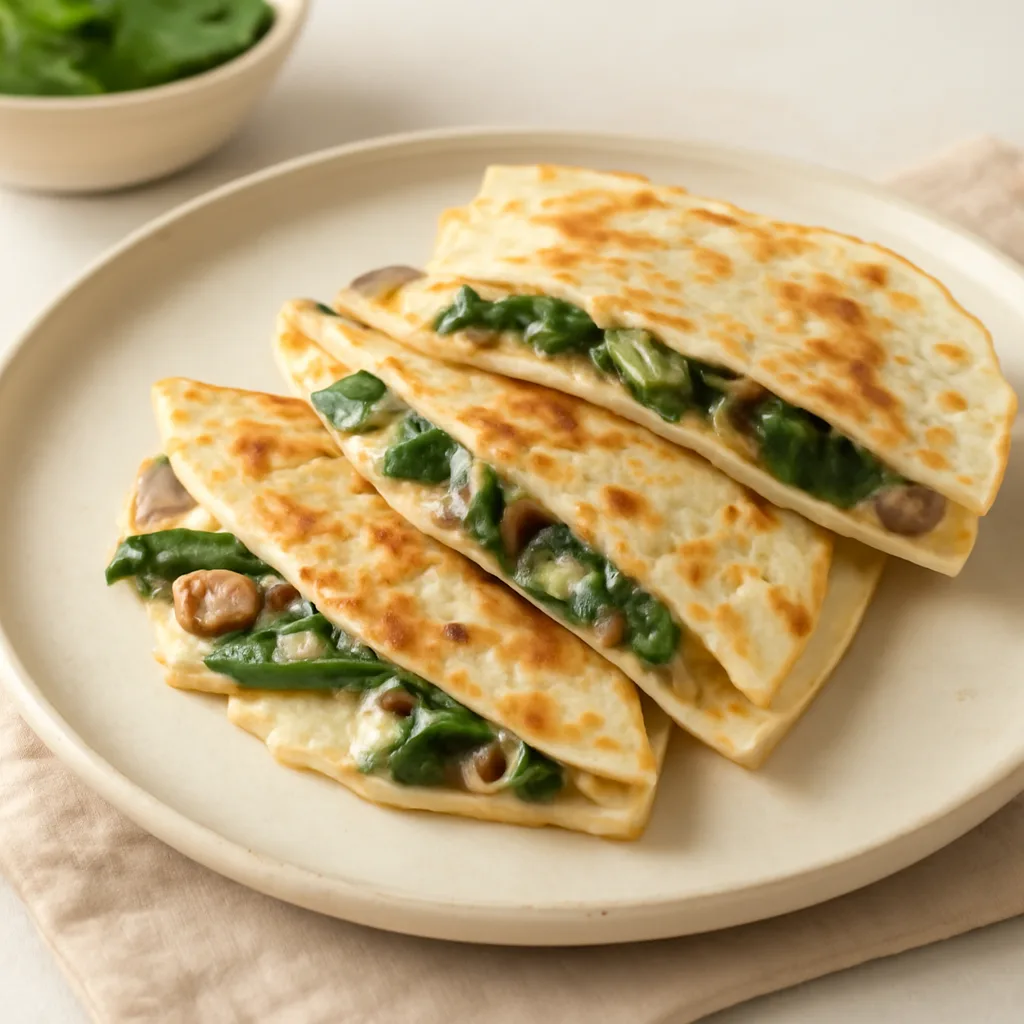
Spinach is a soft leafy vegetable eaten with both leaves and stems, versatile from soups and stews to namul, stir-fries, and egg dishes. Young leaves are good raw in salads, while mature leaves are blanched or sautéed to reduce volume and then used as side dishes or fillings. When heated, volume shrinks quickly and moisture is released, so it may look like a large amount but cooks down to a smaller portion. For clear soups, add at the end and cook briefly to keep color and tender texture; for stir-fries, heat the pan well and add in portions to minimize water condensation. Even if leaves look wilted or have yellowing or slimy parts, they can be used for cooking, but fresh, firm leaves are more suitable for eating raw. Very thick stems should be added separately from leaves to reduce textural differences during cooking.
Geschmack und Textur
Spinach has a fresh, earthy aroma; cooking mellows the flavor and adds a slight sweetness. Raw young leaves are tender, but thick stems and large leaves can be somewhat fibrous or bitter. Blanching briefly yields a moist, tender texture, while overcooking makes them soft and dull in color. Adding nutty ingredients such as oil or sesame seeds helps mellow the greens and round out the flavor.
Hauptverwendungszweck
- Blanched spinach, after squeezing out moisture, is dressed with salt, minced garlic, sesame oil, and sesame seeds and used as namul side dish. If not drained enough, the seasoning becomes thin, so after mixing, if water pools on the plate, squeeze lightly once more.
- In miso soups or clear broths, add near the end to finish cooking briefly. Boiling from the start can make the leaves overly soft, so turn off heat when the stems are tender and the leaves are softened.
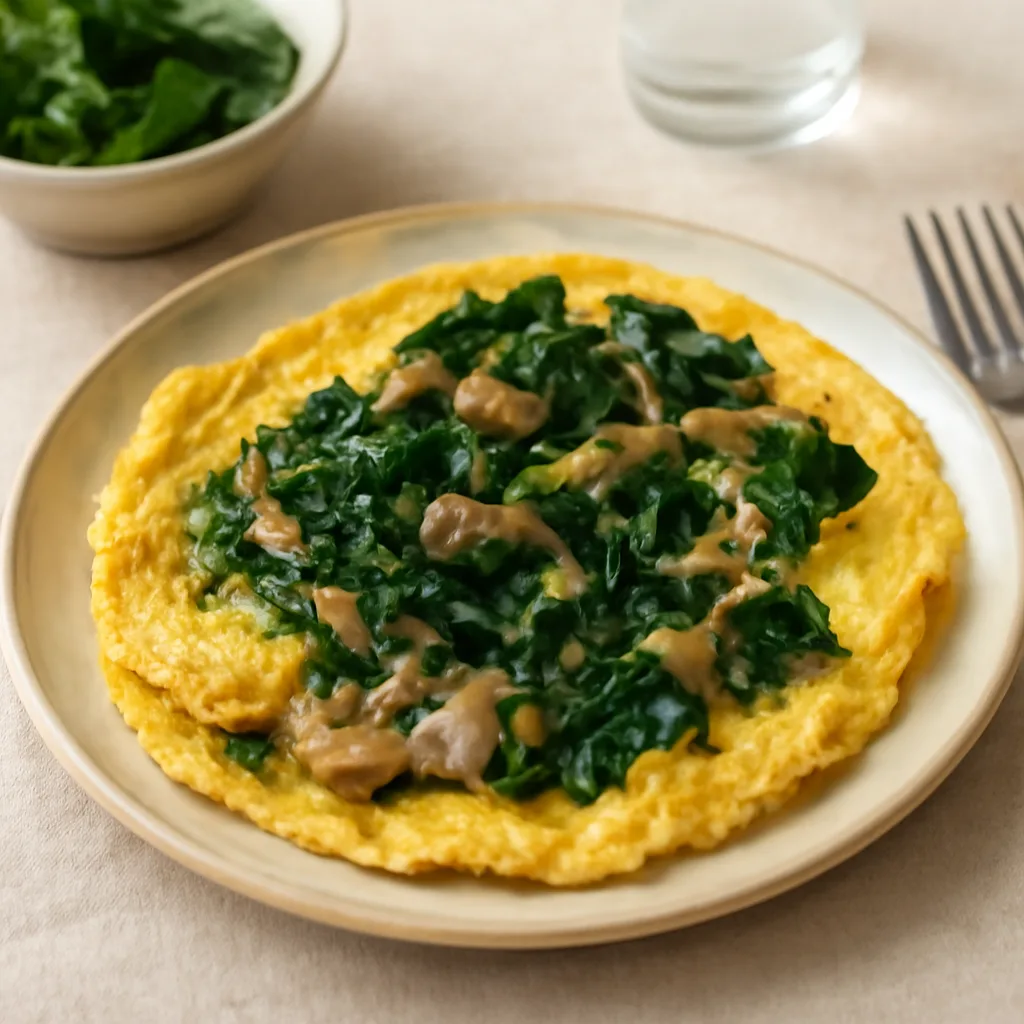
- Eggs with spinach can be used in omelets, frittatas, or scrambled eggs. If you put a lot of raw spinach, moisture can make eggs runny, so briefly sauté to reduce moisture or chop finely and add in small amounts.
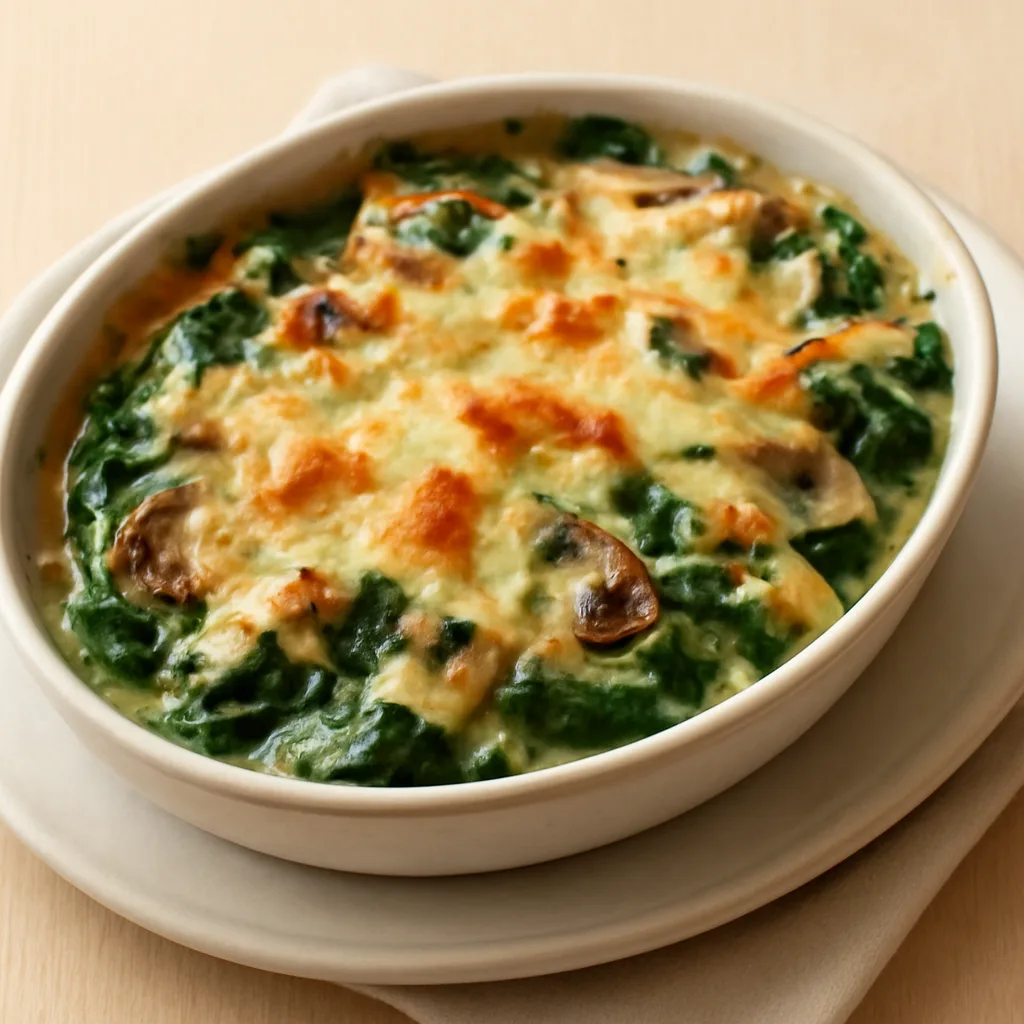
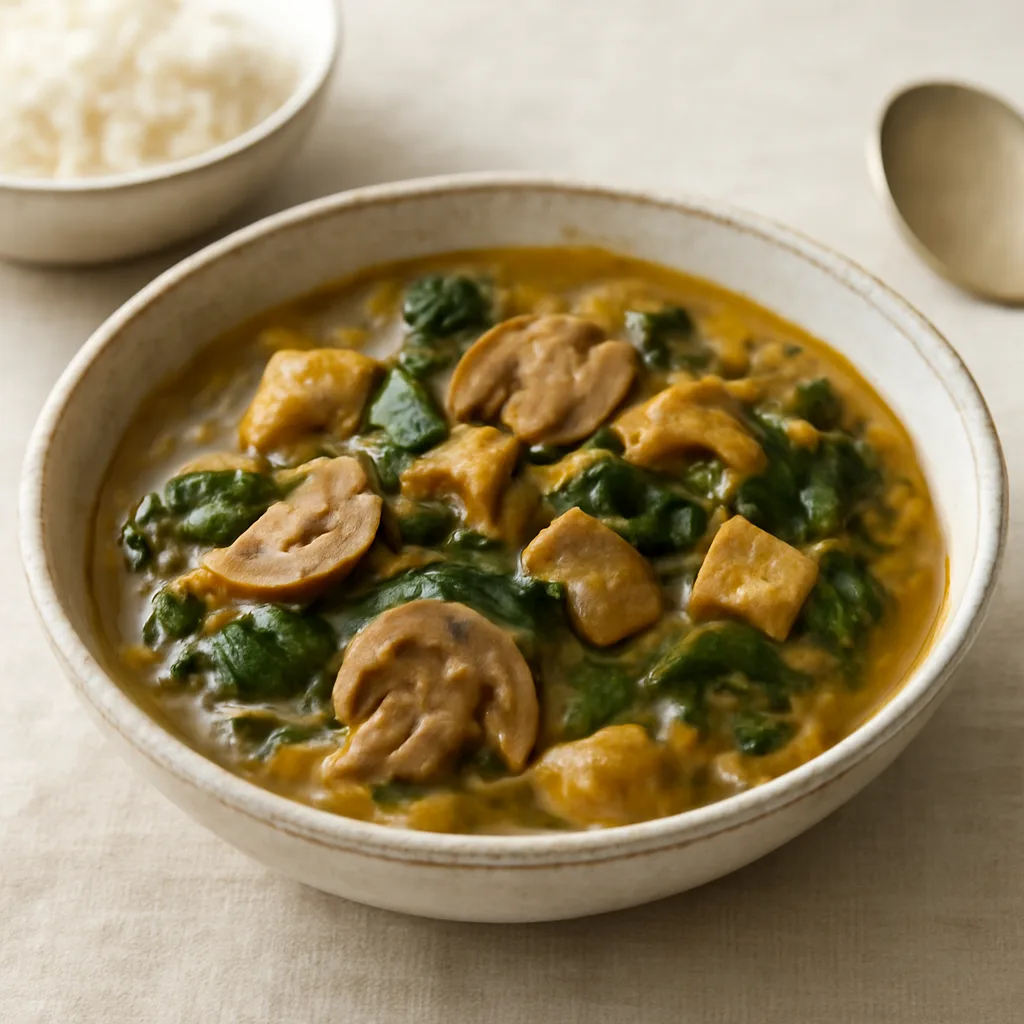
- Goes well in creamy sauces such as pasta, cream sauce, risotto, or curry. However, if simmered too long in sauce, the spinach flavor can disappear, so add at the end to preserve color and texture.
Vorbereitungstipps
- Because dirt often clings between the root and stems, trim the base and rinse the leaves thoroughly, separating them to rinse several times. If sand remains after washing, shake in a large bowl of water and lift out to prevent re-soiling.
- For namul, boil salted water and blanch from the stems first to the leaves briefly. Cool immediately after blanching to minimize residual heat and avoid over-softening leaves from vigorous handling.
- For stir-fry, dry spinach completely after washing. If surface moisture remains, it will steam rather than fry, so use a salad spinner or clean cloth to remove moisture.
- Cut thick, long stems to leaf-length or slice vertically for even cooking. Conversely, young spinach has tender stems, so overly mincing can cause texture to collapse during cooking.
Besonderheiten beim Kochen
- Spinach rapidly softens and releases moisture when heated, reducing volume. Do not overcrowd the pan; cook in batches on high heat or use a wide pan to avoid waterlogging.
- Blanched spinach will become tender with just a bit overcooking; observe when leaves turn a vivid green and stems bend, then remove from heat. Reboiling already-blanched spinach in broth or sauce is fine when a soft texture is desired, but not ideal when you want to preserve shape.
- If you sauté garlic or onion in oil first, then add spinach, the aroma coats the leaves; but when the garlic browns deeply, it can overwhelm the delicate spinach flavor. Add spinach at the stage when the garlic aroma rises and finish quickly.
- When cooking with acidic ingredients or high-moisture sauces like cream, account for the liquid spinach releases. Add at the very end to barely wilt it, or sauté to reduce moisture separately before mixing to maintain sauce thickness.
Gut passende Kombinationen
- Sesame oil, perilla oil, sesame seeds, garlic, soy sauce, and doenjang complement the fresh spinach with a savory, salty core, pairing well with namul and soups.
- Pairs well with mild ingredients like eggs, tofu, mushrooms, and potatoes to let the spinach’s tender texture shine naturally. If all ingredients are high in moisture, a dish that can absorb moisture like soups or omelets is more stable than a stir-fry.
- Cream, cheese, and butter go well with rich sauces, but strong cheeses can overpower the spinach aroma. To keep spinach flavor, finish by adding the leaves at the end rather than reducing the sauce too much.
- Adding a touch of lemon juice or a splash of vinegar can brighten the flavor of cooked spinach. Start with small amounts and adjust after tasting.
Hinweise zum Ersetzen
- For soups or namul where the delicate leaf texture is important, you can use beet greens, young bok choy, or rapeseed greens as substitutes as appropriate. Note that beet greens and bok choy have thicker stems, so cook stems first and adjust seasoning or broth at the end.
- In stir-fries or pasta, you can substitute young kale, beet greens, or arugula, but note taste and texture will differ. Kale is tougher and may not soften with quick cooking; arugula is delicate to heat and is better added at the end to retain flavor.
- Raw spinach salads can use baby mixed greens or mild romaine. However, they won’t exactly match the moist, tender texture unique to spinach, so treat as a substitute when aiming for a fresh salad.
- Frozen spinach can also be used if the spinach is mainly contributing color or volume to the sauce. If not squeezed well after thawing, the sauce may become watery, so defrost and reduce moisture before adding, and adjust other liquids if needed.
Zutaten, die häufig zusammen in echten Gerichten verwendet werden
Basierend auf der Häufigkeit der gleichzeitigen Verwendung von Hauptzutaten in den bei CookPagoda registrierten öffentlichen Gerichten.
Gerichte, in denen diese Zutat verwendet wird
Wir zeigen Ihnen die Gerichte, in denen diese Zutat als Hauptzutat enthalten ist, nach Aufrufzahlen sortiert.