Zutaten-Enzyklopädie
Überprüfen Sie die Eigenschaften der Zutaten und wie sie in der Küche verwendet werden.
Garnelen
2
4
Shrimp can vary greatly in impression depending on how you cook it—peeled and deveined, or grilled with the shell to add aroma. They have sweetness and umami, pairing well with simple seasonings like salt, garlic, and butter, as well as gochujang, soy sauce, tomatoes, and curry. Great for stir-frying, grilling, steaming, soups, pancakes, pasta, and salads. Since they cook quickly, it’s easy to keep texture by timing other ingredients first and adding shrimp at the end. Conversely, if you want to extract shrimp flavor into the broth, using the shells and heads is a better approach. When cooked, pink or orange color appears as the meat firms up and the gray opaque color disappears. If the flesh is too curled and the surface looks tough, it’s likely overcooked, so lower the heat or reduce the cooking time next time.
Geschmack und Textur
Shrimp flesh has a gentle sweetness, a hint of sea aroma, and a salty umami. Raw shrimp are moist and tender, but when cooked they become firm and bouncy. Strong spices or smoky notes can be absorbed, but overly heavy sauces can overwhelm the shrimp’s sweetness. To emphasize a mild flavor, finish with lemon or herbs after a quick cook, and for rich dishes, cut larger shrimp to keep them noticeable.
Hauptverwendungszweck
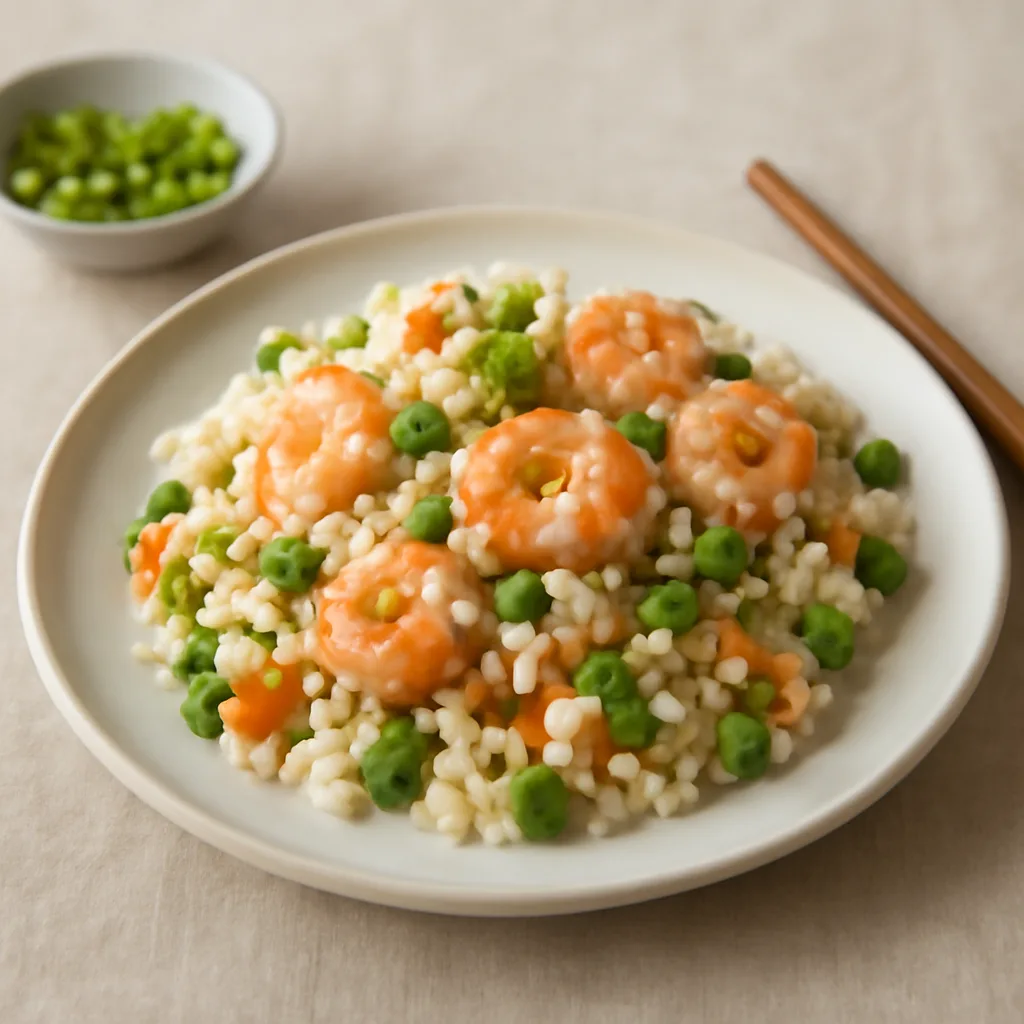
- Sauté briefly in garlic and oil as a protein for pasta, fried rice, or bowls. When added to the pan, they color quickly, so add them near the end after vegetables or noodles are almost done to prevent overcooking.
- In soups, stews, or noodle soups with broth, add the flesh at the final stage. To boost broth flavor, first sauté or simmer the shells and heads to extract aroma, then remove them and cook the flesh briefly separately.
- For skewers, buttered, or salt-grilled shrimp, using relatively large shrimp makes flipping easier and reduces drying out. Cooking with the shell on can intensify aroma, but may be cumbersome to eat and reduces contact with seasonings.
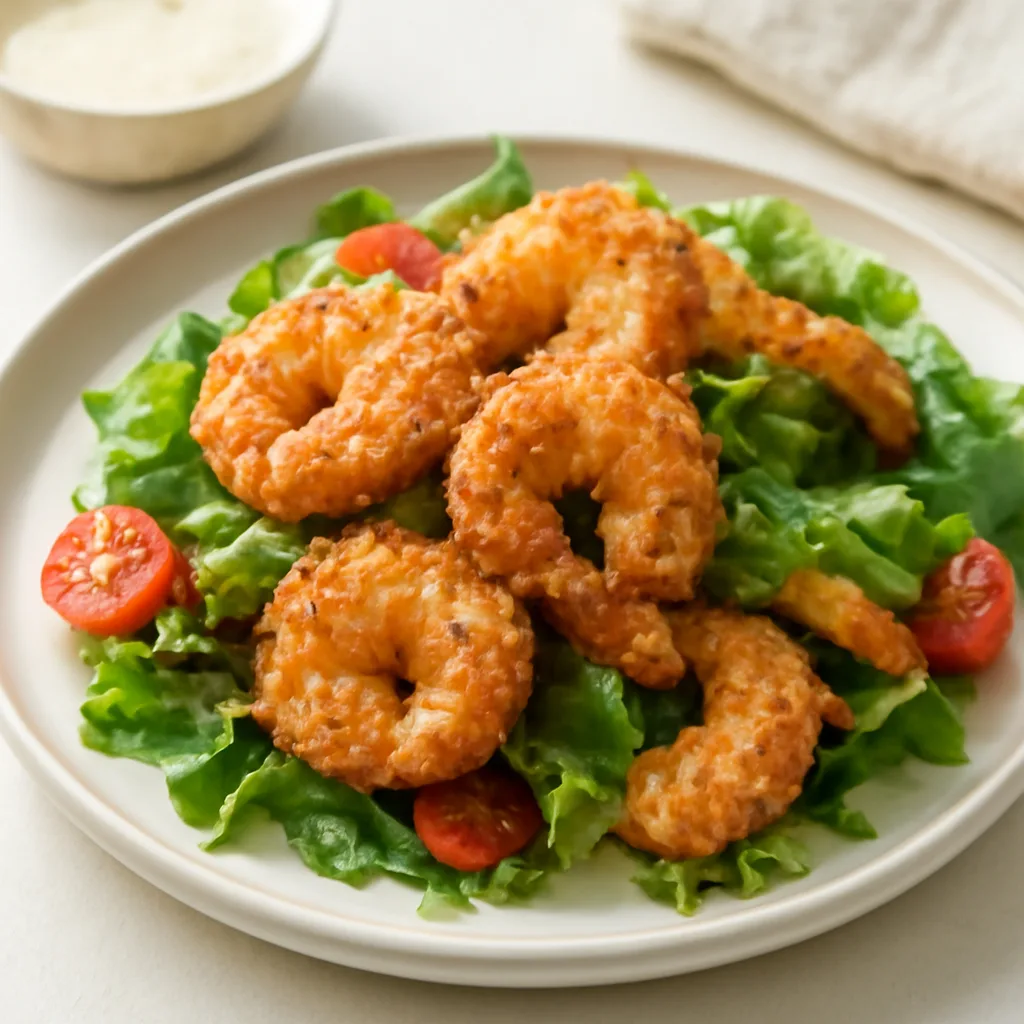
- For pancakes or frying, pat the shrimp dry well and coat with batter or flour. Surface moisture causes batter to lift or oil splatter, so after thawing, press with a paper towel to remove moisture before use.
Vorbereitungstipps
- Thaw frozen shrimp slowly in cold water or in the fridge, then pat dry the surface. If a lot of liquid remains after thawing, it’s better to use them in broth or cook briefly on high heat after thorough drying.
- Peel shrimp and slit along the back to remove the dark vein for cleaner appearance and texture. For large quantities in fried rice or broth, trimming can take longer, but skipping it won’t greatly affect the dish.
- If you want shrimp to lay flat when grilling or frying, score a few shallow cuts along the belly. Don’t cut too deep or the flesh may split and lose moisture; just shallow crosshatches.
- Season just before cooking with salt, pepper, garlic, or ginger. If you soak in a salty liquid for long, surface moisture will come out and they may cook more by boiling than frying.
Besonderheiten beim Kochen
- Shrimp turn opaque and firm quickly when heated. When one side is mostly colored, flip and cook the remaining side until center is not translucent, then remove from heat immediately.
- High heat helps develop a browned aroma, but if the pan is crowded, moisture will prevent browning. If many shrimp, cook in batches or heat the pan well first and cook in small portions.
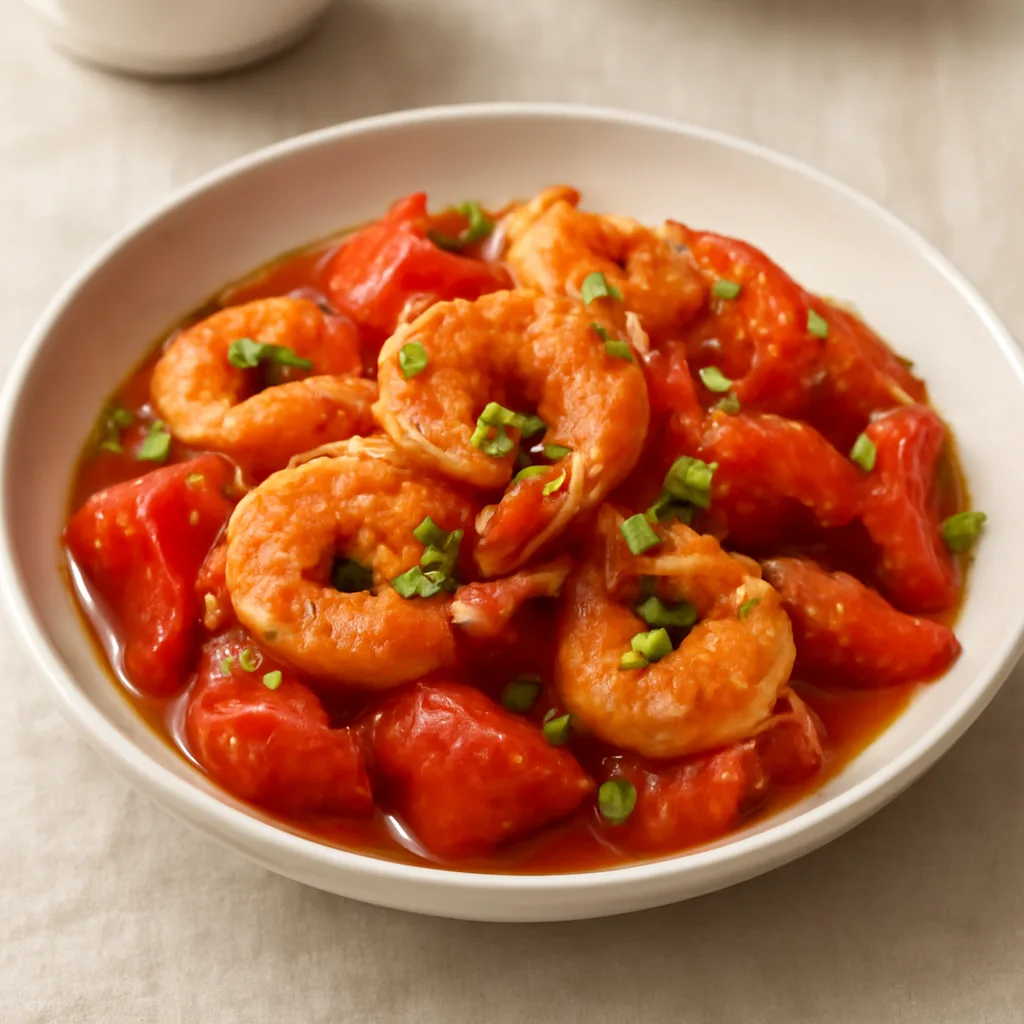
- Citrus acidity like lemon juice, vinegar, or tomato sauce can brighten shrimp flavor, but adding too much early lowers the pan temperature. If you want a roasted aroma, cook the shrimp first and finish with acidic ingredients at the end.
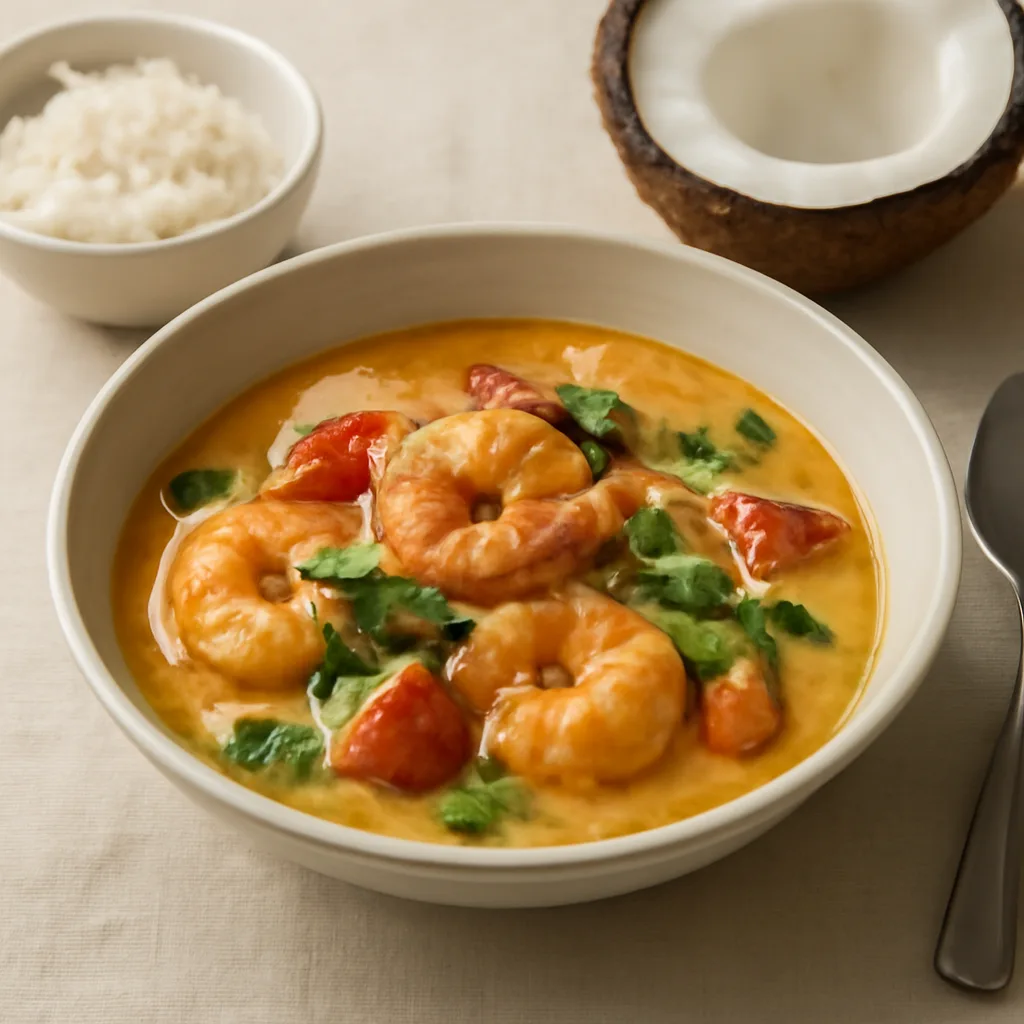
- In milk or cream sauces, avoid simmering shrimp for long in the sauce. Once the sauce is thickened, add shrimp briefly to maintain a tender texture.
Gut passende Kombinationen
- Garlic, butter, olive oil, lemon, parsley, and dill pair to highlight the shrimp’s sweetness. Add lemon near the end for a brighter aroma.
- Chili, ginger, scallions, soy sauce, and sesame oil create depth for stir-frry and broth dishes. If soy sauce is strong, a touch of sugar or sweetness isn’t necessary as the shrimp’s own sweetness balances it.
- Asparagus, broccoli, zucchini, mushrooms, tomatoes, and other quick-cooking or moisture-rich vegetables pair well. For potatoes or hard root vegetables that take longer, cook them first before adding shrimp.
- Shell and head aromas from shrimp are great as a base for tomato, saffron-like spices, rice, or noodle dishes. In light, clear dishes, however, the shell aromatics can feel overpowering.
Hinweise zum Ersetzen
- For dishes where the shrimp texture is key (stir-fry, pasta, grilling), consider similarly sized scallops, squid, or white fish as substitutes. Scallops have a similar sweetness but are thicker and cook differently, so avoid overcooking like shrimp.
- If the goal is the shrimp aroma in broth, use shellfish such as clams or other crustaceans, or a seafood stock. Flavor and saltiness can vary significantly, so adjust salt and liquid at the end.
- In spicy stir-fries or curries with strong seasoning, firmer tofu or mushrooms can be substitutes focusing on texture. This will not reproduce the sea-sweetness exactly, so if seafood flavor is core, adjusting the recipe rather than simply substituting is better.
Zutaten, die häufig zusammen in echten Gerichten verwendet werden
Basierend auf der Häufigkeit der gleichzeitigen Verwendung von Hauptzutaten in den bei CookPagoda registrierten öffentlichen Gerichten.
Gerichte, in denen diese Zutat verwendet wird
Wir zeigen Ihnen die Gerichte, in denen diese Zutat als Hauptzutat enthalten ist, nach Aufrufzahlen sortiert.