Zutaten-Enzyklopädie
Überprüfen Sie die Eigenschaften der Zutaten und wie sie in der Küche verwendet werden.
Erbsen
3
3
Peas are small, round kernels used to add color and a subtle sweetness to rice, pasta, soups, and stir-fries. Fresh peas, frozen peas, and canned peas vary in moisture and cooking degree, so adjust cooking times accordingly. Short cooking preserves bright green color and a crisp texture, while simmering longer softens and can create natural thickness in soups or purées. However, in dishes with strong spices or long炒ing, the delicate sweetness of peas may be overwhelmed, so to keep their presence, add them at the end of cooking. Peas are also useful for connecting ingredients in dishes like cream sauce pasta, fried rice, risotto, curry, and vegetable soups. Decide whether to keep the kernels intact or mash them to create texture and adjust when to add and how long to heat accordingly.
Geschmack und Textur
Peas are mild with a gentle sweetness and a soft vegetable flavor with a slight grassy note. Fresh or briefly cooked frozen peas have a relatively bright taste. The kernel inside a thin pod is soft and tender when cooked, with a slight firmness remaining. Overheating makes the kernels break down easily and reduces the texture difference between the pod and the inner part, making them easy to blend into sauces or soups.
Hauptverwendungszweck
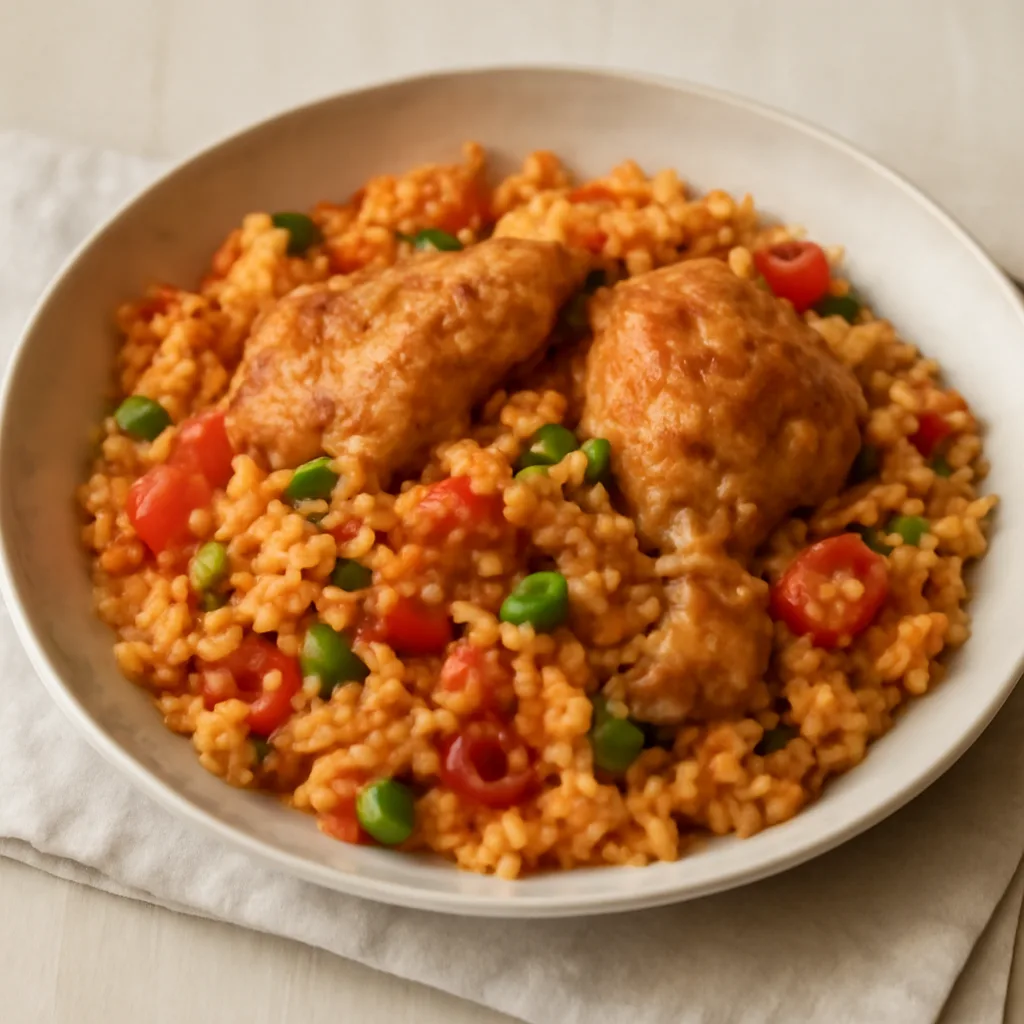
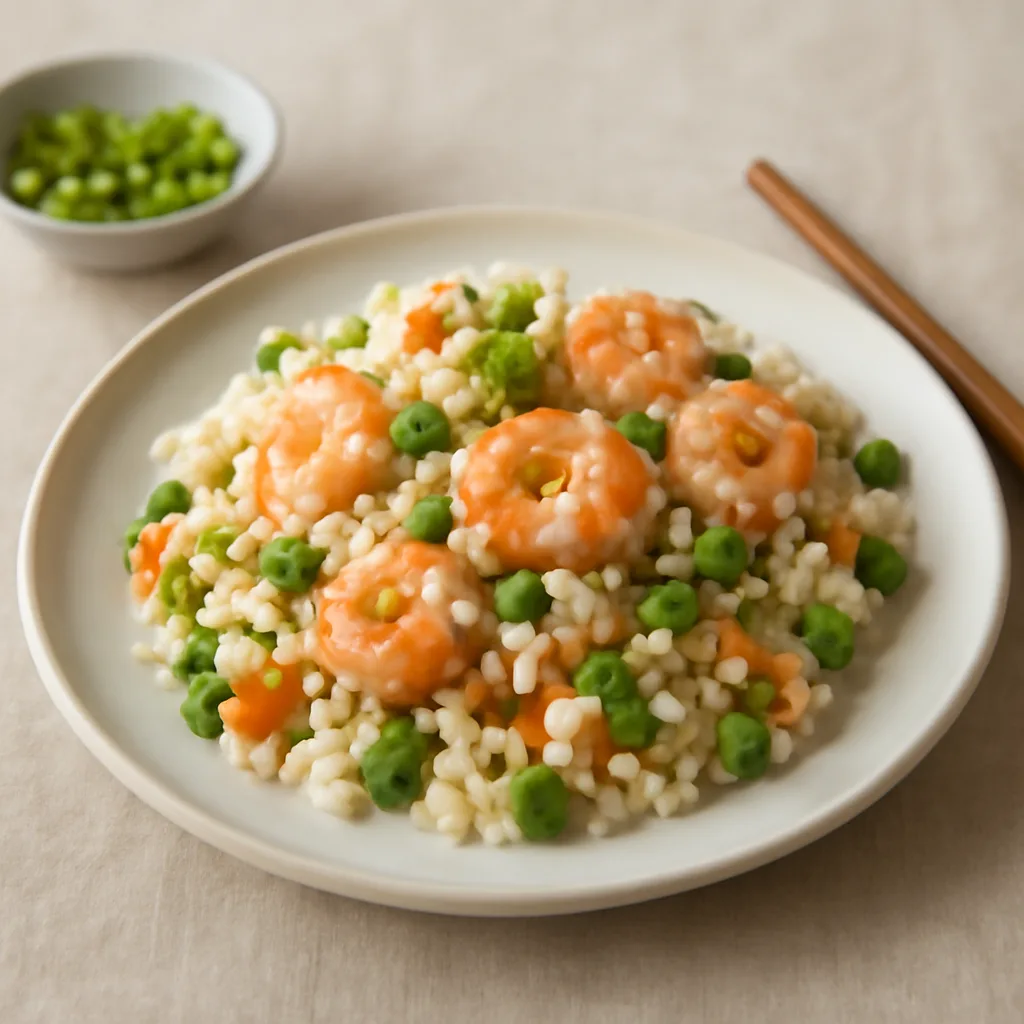
- For fried rice or pilaf, add near the end after other ingredients are mostly cooked to preserve the color and texture of the kernels. If cooked from the start for a long time, the surfaces may shrink and sweetness may be subdued.
- In cream pasta, risotto, or grain dishes like orzo, add to provide a light bite between soft sauces. If the sauce is already thick enough, avoid mashing the peas too much to maintain textural contrast.
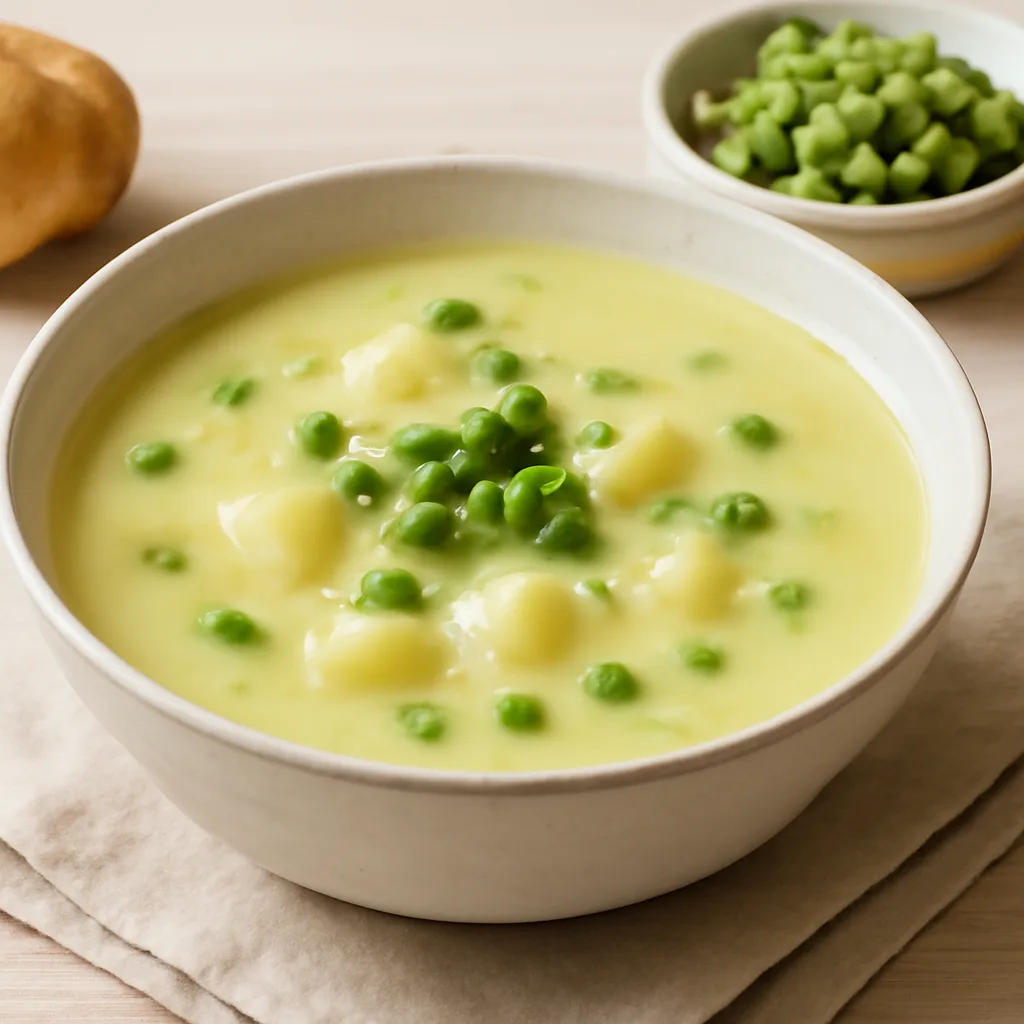
- In soups and stews, add once the broth flavor is somewhat developed to enjoy the kernels, or simmer well and blend into a thick purée. If you want color in a clear soup, add them in the last few minutes.
- Curries or vegetable stir-fries pair well with ingredients like potatoes, carrots, and onions for sweetness. In dishes dominated by rich spice, peas may not stand out, so consider them as color and texture ingredients rather than primary flavors.
Vorbereitungstipps
- Fresh peas: shell and rinse briefly under running water. If the pod yields variable sizes, start with larger peas to avoid overcooking smaller ones. Frozen peas: you can cook without thawing first. In stir-fries, moisture released can lower pan temperature, so avoid crowding the pan or pat dry before adding. Canned peas: often already tender, drain and heat lightly at the end. Cooking for the same time as fresh or frozen can cause them to crumble. When pureeing into purée, blend with small amounts of cooking liquid or butter or olive oil gradually to control texture. If you add too much liquid from the start, the purée may become too thin to recover.
Besonderheiten beim Kochen
- Blanching in boiling water brightens color and reduces grassy note, but longer cooking softens kernels and dulls color. If appearance matters (salads or sides), test one pea to ensure warmth through its center and remove.
- When sautéing in a pan, high heat for a short time helps evaporate surface moisture and adds nutty flavor. If the pan is small or crowded, moisture cannot escape, so divide and sauté in batches or add at the end.
- Long simmering in soup or sauce increases softness and adds a gentle fondant richness. Unlike dishes that keep the kernels intact, purées or thick soups can benefit from blending some or all of them.
- When cooking with acidic ingredients, pea texture can seem firmer if you don’t overthink; lemon juice or vinegar for aroma is best added at the end to maintain green color and fresh taste.
Gut passende Kombinationen
- Rich fats like butter, olive oil, cream, or Parmesan round out the peas' mild sweetness. For lighter dishes, olive oil and lemon zest; for heavier pasta or purées, butter or cream give clearer direction.
Hinweise zum Ersetzen
- For fried rice, pasta, or soups where the kernels’ texture and mild sweetness are desired, edamame, limas, or chickpeas can substitute depending on use. Note edamame is firmer with a stronger bean flavor, chickpeas are heavier, so adjust quantities to match texture goals.
- In dishes where bright green color and a light vegetable feel are important, finely sliced asparagus or fresh peas can be closer substitutes. They cook at different speeds, so don’t add them at the same time as peas; test a piece to reach desired tenderness before finishing.
- If a smooth purée is the goal, you can blend in cooked potatoes or white beans to achieve creaminess. Potatoes are neutral in flavor and will mute the characteristic green and bright notes of peas, so this is not ideal as a direct replacement for a pea-centric purée.
Zutaten, die häufig zusammen in echten Gerichten verwendet werden
Basierend auf der Häufigkeit der gleichzeitigen Verwendung von Hauptzutaten in den bei CookPagoda registrierten öffentlichen Gerichten.
Gerichte, in denen diese Zutat verwendet wird
Wir zeigen Ihnen die Gerichte, in denen diese Zutat als Hauptzutat enthalten ist, nach Aufrufzahlen sortiert.