Zutaten-Enzyklopädie
Überprüfen Sie die Eigenschaften der Zutaten und wie sie in der Küche verwendet werden.
Reis
3
4
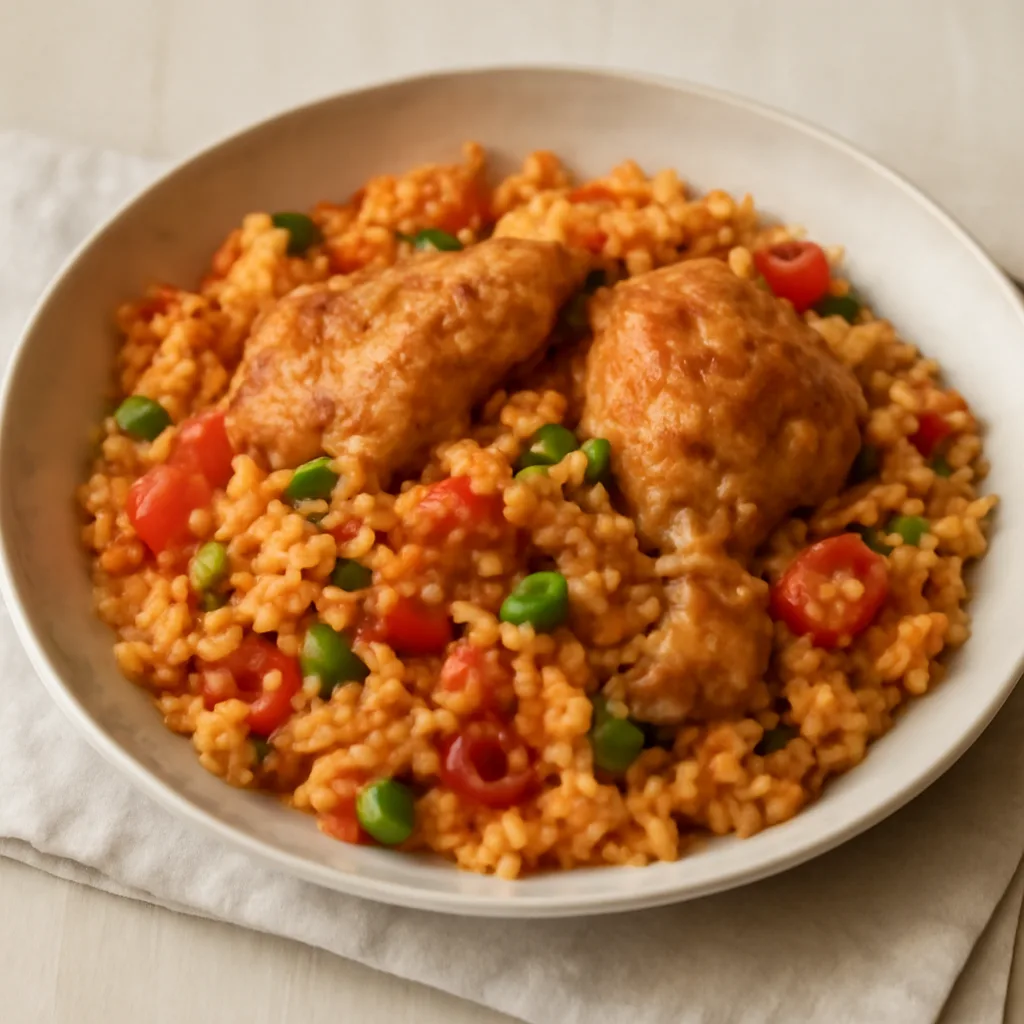
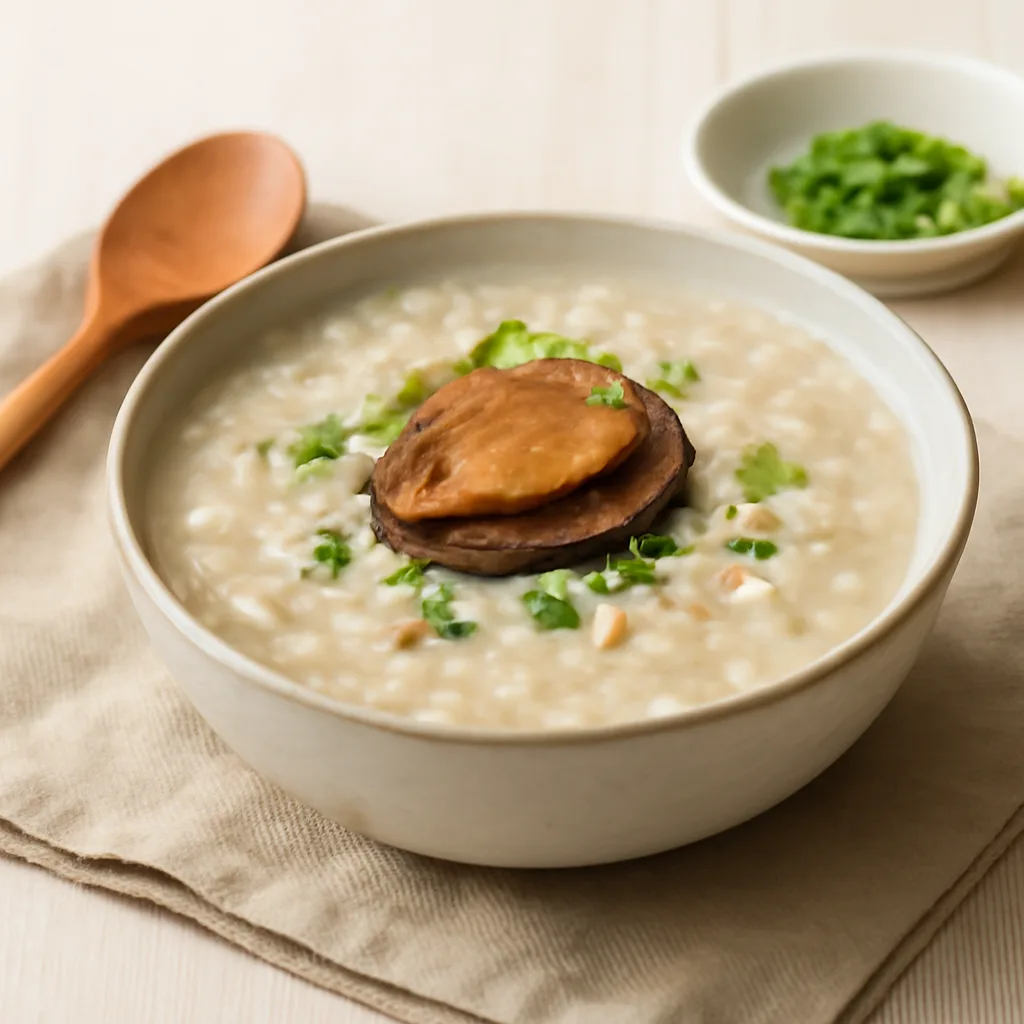
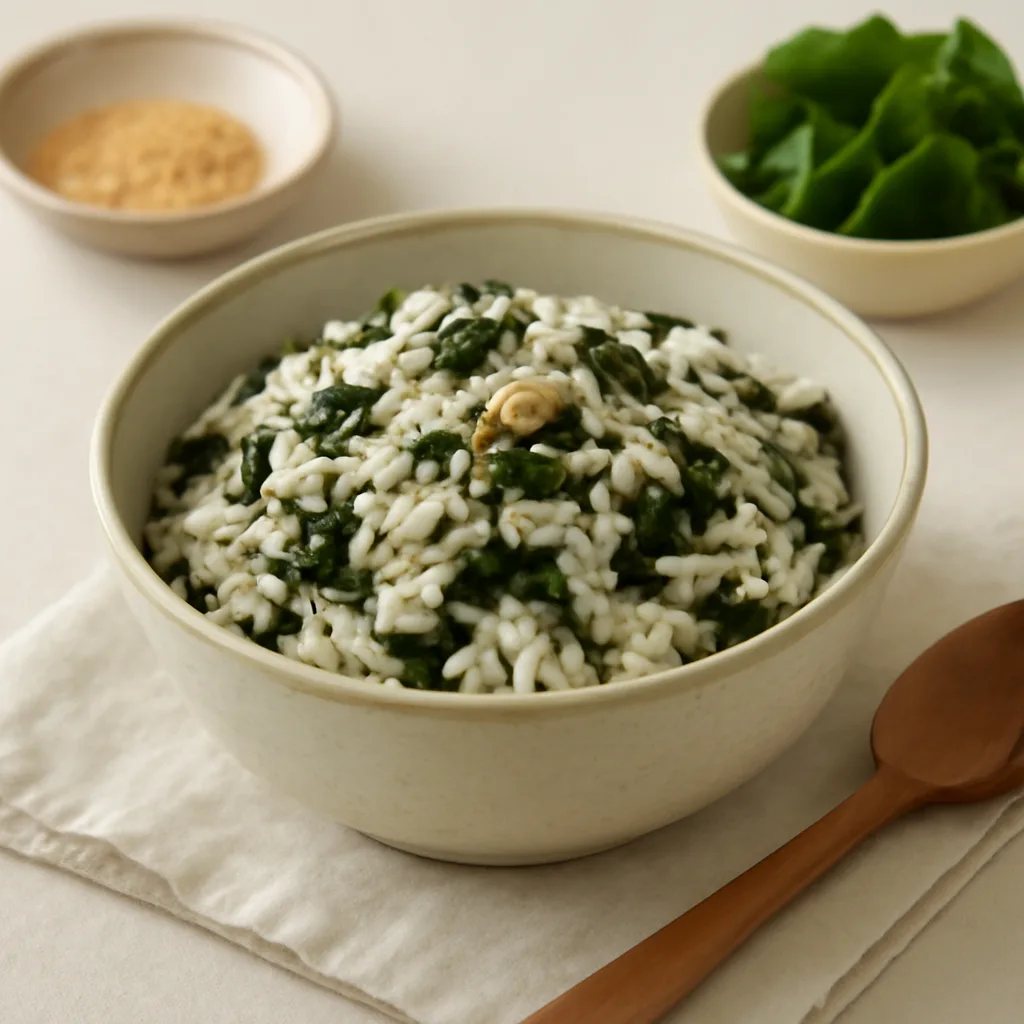
Rice is a basic grain used in various forms such as kernels for dishes like steamed rice, porridge, and fried rice, or as an ingredient for flour, tteok, and noodles. Depending on variety and milling degree, the amount of water absorbed, the stickiness of the finished rice, and the separation of grains vary, so it is best to choose according to the dish you will make. White rice has a relatively clean and bland flavor that supports the taste of soups, seasonings, and side dishes, while glutinous rice pairs well when a chewier, denser texture is needed. When cooking rice, observing the state of the rice grains and the desired texture and adjusting the water is more practical than relying on fixed measurements. Rice absorbs moisture and becomes soft, but if cooked too long the grain boundaries can break down and become mushy. For fried rice needing fluffy grains, less moisture and fully cooled rice is advantageous, whereas foods like porridge or risotto that thicken with starch are better cooked with more frequent stirring.
Geschmack und Textur
Cooked rice has a gentle sweetness and nutty grain aroma, and since its natural aroma is not strong, it pairs broadly with both salty seasonings and plain broths. The chewing texture can be firm and fluffy or soft and sticky depending on variety, water amount, and resting time. If the center of the grain is too hard when chewed, moisture absorption or heating may have been insufficient, so add a small amount of water and let it rest. Conversely, if the grain crushes easily and the surface is too sticky, there may have been too much water or over-stirring, so in the next cook reduce water or stir less to adjust texture.
Hauptverwendungszweck
- Rice is cooked with water to make a meal, serving as a base with soups, stews, grilled dishes, and namul that have different flavors.
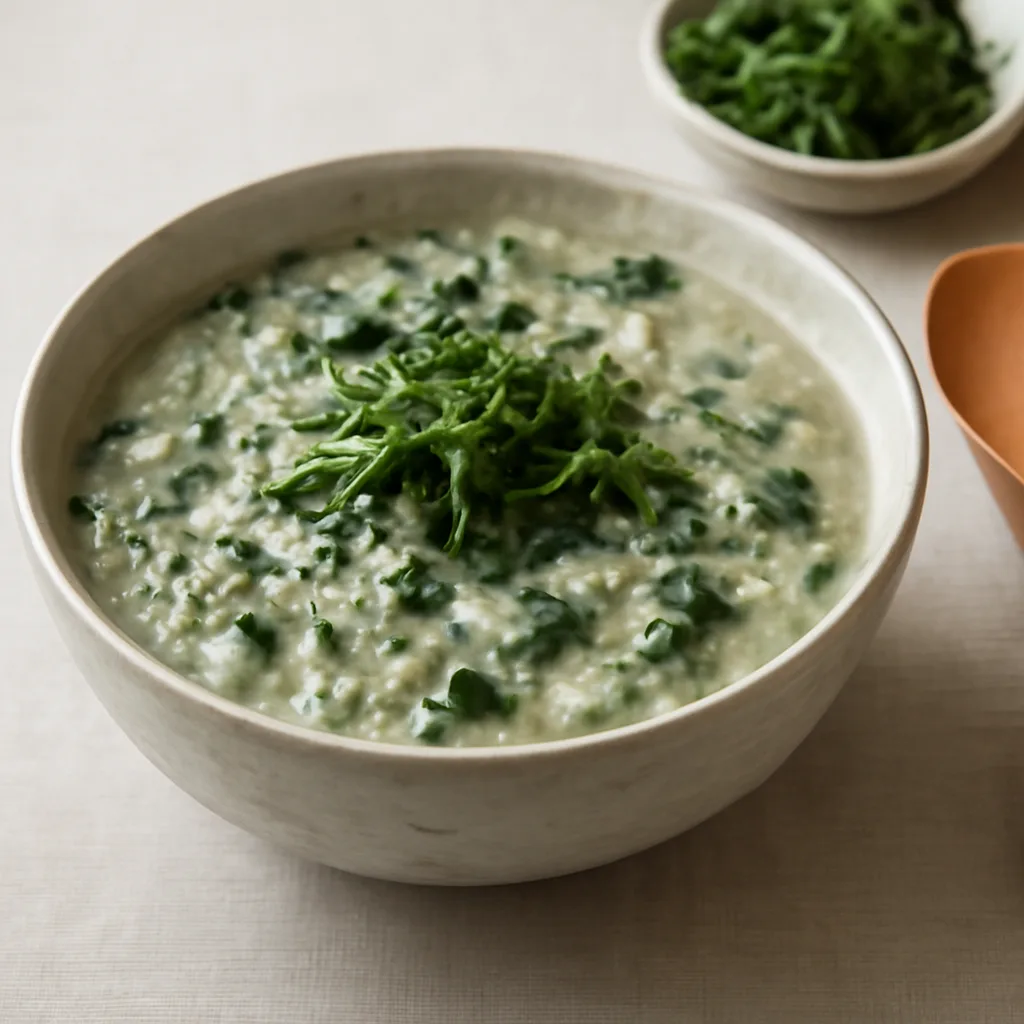
- Boiled rice that has been soaked can be made into porridge if cooked longer, and crushing or grinding some grains can yield a smoother, thicker texture.
- Cold rice is good for fried rice, rice balls, and kimbap. Freshly cooked rice retains moisture and stickiness, which can cause clumping when fried, so if a separated grain texture is desired, it may not be suitable to use immediately.
- Rice can be simmered with vegetables, broth, seafood, or meat to make a single bowl meal, and the starch released during cooking naturally thickens the broth.
Vorbereitungstipps
- Before washing, first look for stones, foreign matter, or broken grains. When the washing water becomes cloudy, this may be the surface starch and fine powder coming off, so for light, fluffy rice or clear porridge rinse several times lightly.
- If you rub the grains too hard for too long, the grain surface can be damaged, causing the rice to clump or spread easily. Rinse briefly with changing water; there is no need to continue until the water is completely clear.
- Soaking helps moisture penetrate the grain interior for even heating. However, if the rice already has a soft texture or you are making fried rice where a mushy result should be avoided, long soaking is not always advantageous.
- After cooking, let it rest with the heat off for a while, then mix gently from top to bottom. If moisture gathers on the bottom or the grains are too soft, spread it out to vent steam rather than flipping vigorously to adjust moisture.
Besonderheiten beim Kochen
- Rice absorbs water during heating, starch swells, volume increases, and becomes softer. If water is lacking, the center may remain white and hard, in which case add hot water and continue cooking on low heat.
- Covering with a lid traps steam inside for relatively even cooking. Opening the lid frequently allows heat and moisture to escape, causing uneven doneness between surface and center, so check the state only as needed.
- In porridge or risotto-like dishes, stirring more causes surface starch to spread and thickens quickly. However, stirring vigorously for a long time can break the grains and make it seem like puree, so if you want to keep grain shape, stir intermittently and gently.
- In fried rice, cooled, dry rice helps separate the grains. If the pan is not hot enough before adding rice, moisture tends to cause clumping; it is better to first dry the moisture from ingredients over a wide pan, then add the rice.
Gut passende Kombinationen
- Plain rice pairs well with soy-based seasonings, miso or broth-based dishes, and savory grilled fish or meat that provide savoriness and saltiness.
- Toasted sesame oil, sesame seeds, and seaweed help bring out the subtle sweetness of rice and also balance when paired with spicy or fatty side dishes.
- For porridge, pair with clear broth, soft vegetables, and finely shredded meat or seafood. If strong spices are used, they can overwhelm the rice’s mildness, so adjust quantities to maintain delicate flavors.
- For fried rice, ingredients like eggs, scallions, and garlic, which are not high in moisture, are easy to handle. If using mushrooms or zucchini that release water, sauté first to reduce moisture before mixing with rice.
Hinweise zum Ersetzen
- Substitutes for regular rice depend on the desired texture. If separated grains are needed, near long-grain rice is suitable, and if a chewy, cohesive texture is required, some glutinous rice can be mixed, but using too much glutinous rice may result in more stickiness than expected.
- For porridge or thicker rice dishes, oats, barley, or millet can be used, but absorption rate and chewiness will differ, so adjust water and cooking time accordingly.
- For fried rice, quinoa or couscous can be used instead of rice, but they won’t impart the same chewiness or starchiness. This substitution blends more naturally with strong seasonings, but it can significantly alter the result for dishes where the rice texture is important, such as kimbap or onigiri.
- Replacing the glutinous rice needed for tteok or chewy porridge with regular rice may reduce binding and chewiness. In such cases, substitute only partly and adjust texture or use a separate starch ingredient suitable for the dish.
Zutaten, die häufig zusammen in echten Gerichten verwendet werden
Basierend auf der Häufigkeit der gleichzeitigen Verwendung von Hauptzutaten in den bei CookPagoda registrierten öffentlichen Gerichten.
Gerichte, in denen diese Zutat verwendet wird
Wir zeigen Ihnen die Gerichte, in denen diese Zutat als Hauptzutat enthalten ist, nach Aufrufzahlen sortiert.