Zutaten-Enzyklopädie
Überprüfen Sie die Eigenschaften der Zutaten und wie sie in der Küche verwendet werden.
Hähnchen
4
6
Chicken varies in fat and grain by part, so even the same ingredient can yield very different results depending on the cooking method. Breast meat is mild and relatively firm, making it suitable for stir-fries, salads, and shredding into soups; thigh and leg meat have more fat and connective tissue, making them good for grilling, braising, and curries where moisture is desired. Chicken is seasoned well with salt alone, but naturally pairs with aromatics like garlic, ginger, scallions, soy sauce, gochujang, and pepper. Using bones in broth tends to deepen flavor, and for quickly cooked dishes, boneless skinless meat is convenient. The key to cooking is not overcooking according to the part and size. If the thickest part is opaque white or light brown without a red tinge when sliced, you can move to the next step; if it has become too stiff and dry from prolonged heating, it's better to adjust with sauce or broth.
Geschmack und Textur
Chicken is relatively mild and bland in flavor, with nutty richness varying by whether skin and bones are present. Breast meat is firm and fibrous, while thigh meat tends to be softer and more moist. Skin adds richness and a crisp texture when roasted or fried, but in a pan with a lot of moisture or low heat it can remain tough and damp. If crispy skin is not the goal, remove the skin or use it for braised or soup dishes.
Hauptverwendungszweck
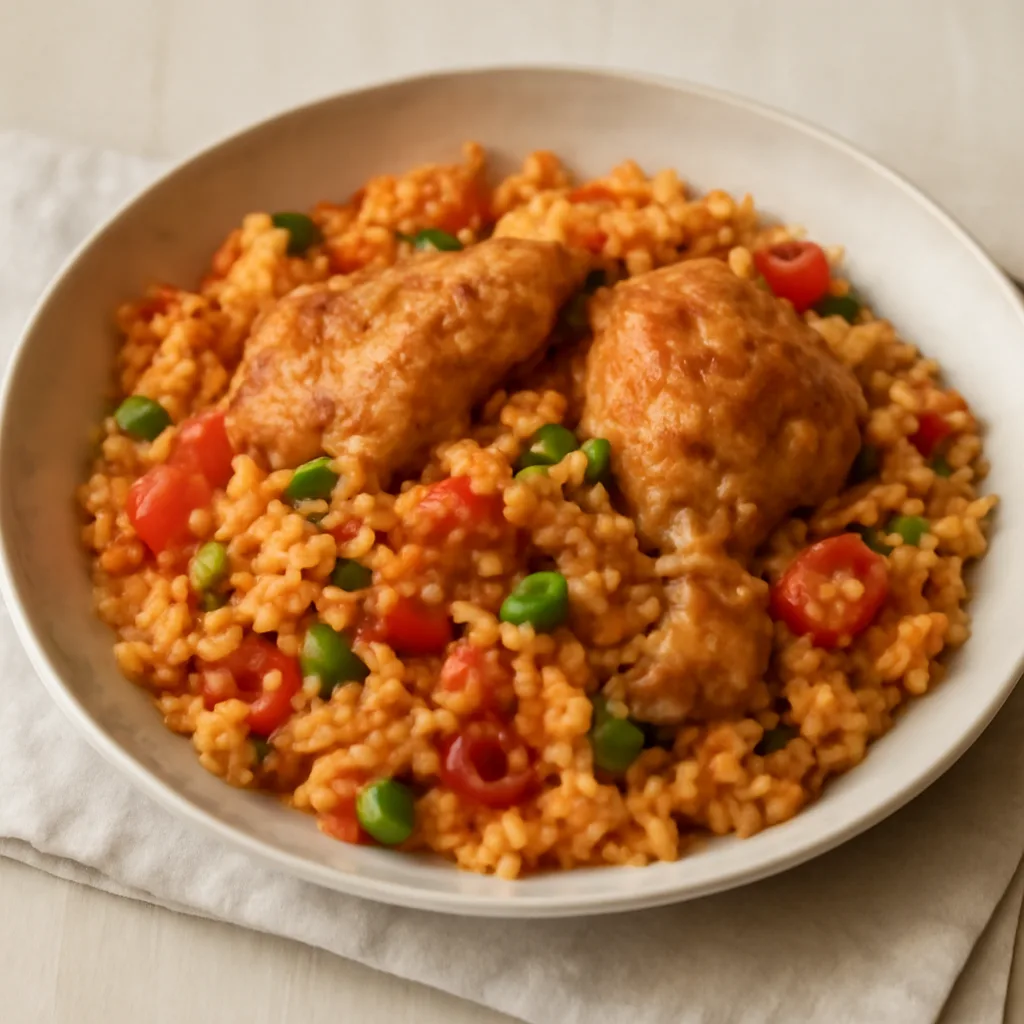
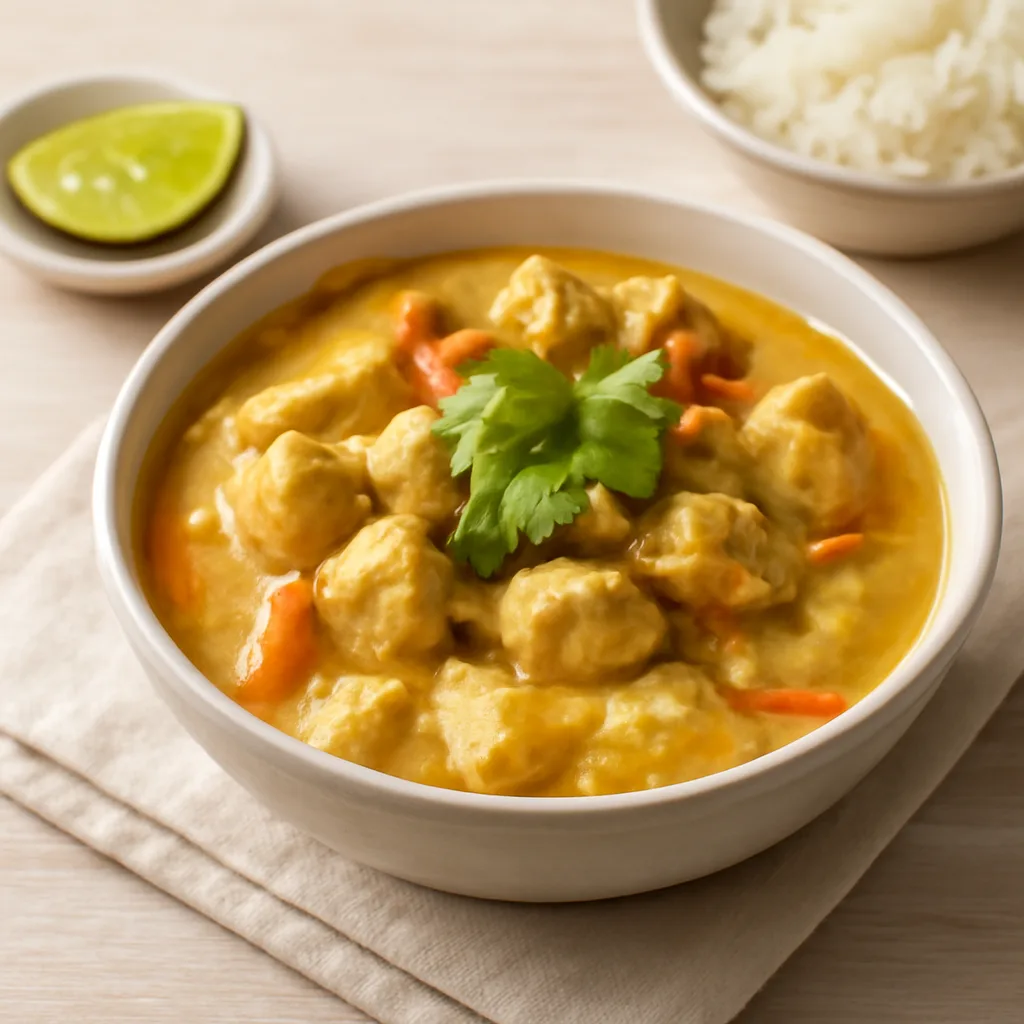
- Cut chicken into bite-sized pieces for fried rice, vegetable stir-fries, curries, or donburi as a protein source. For quick sauté dishes, thinly sliced breast or trimmed thigh meat makes for easier even cooking.
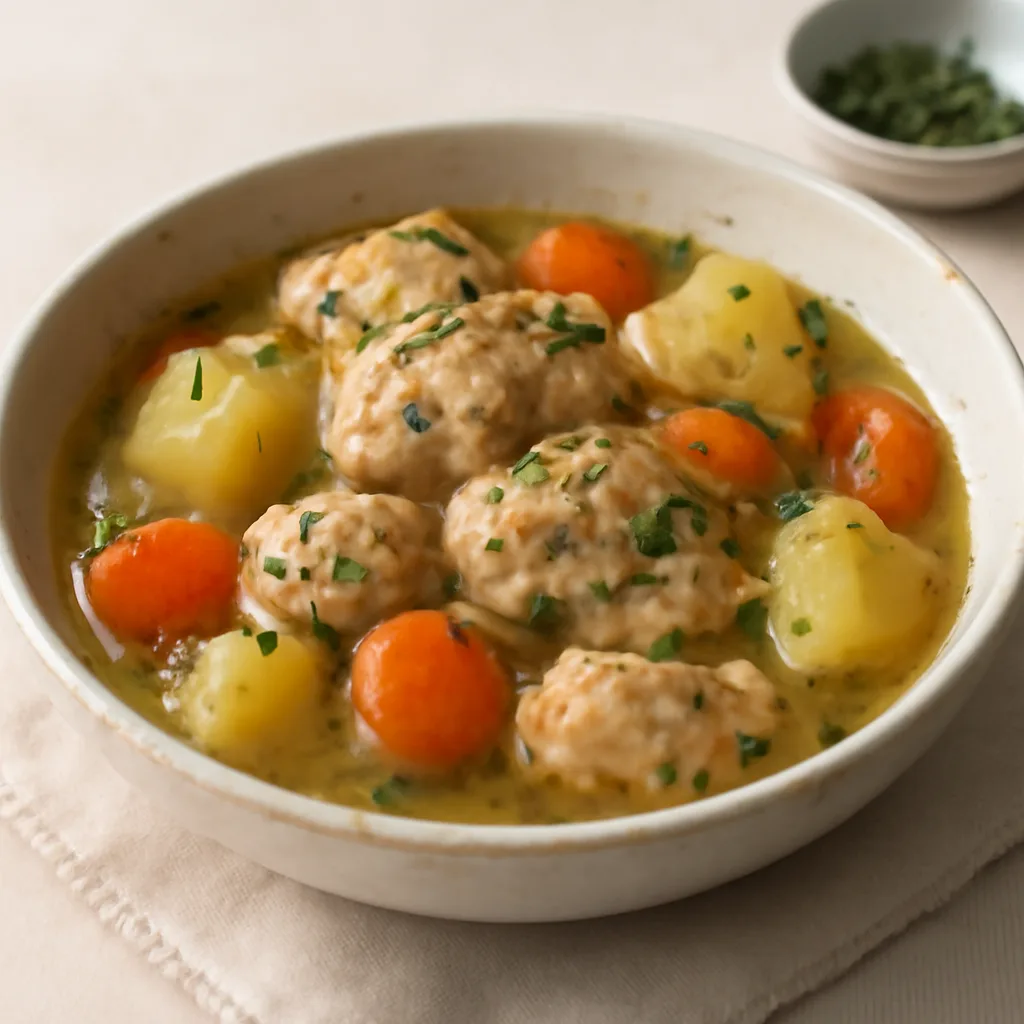
- Bone-in chicken can be boiled to make the base for soups, porridge, or stews. If you’re concerned about cloudy broth, skim the foam that forms after the first boil and maintain a gentle simmer instead of a rolling boil.
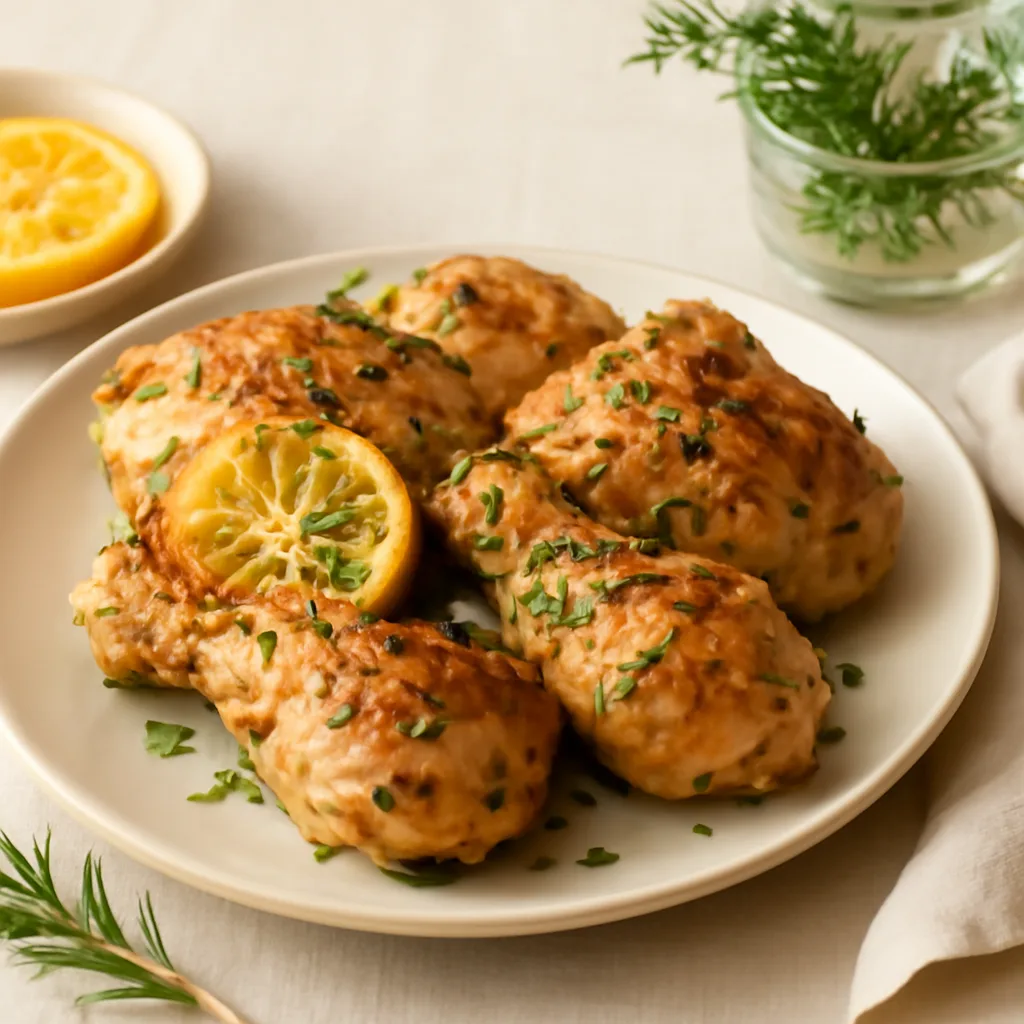
- Marinated chicken can be roasted in an oven or pan, or braised in soy sauce or gochujang to make side dishes. Sweet sauces darken the surface quickly, so if color deepens early, lower the heat or add the remainder of the sauce at the end.
- Boiled chicken can be shredded along the grain for cold dishes, salads, bibimbap, or porridge. If it’s too hot to shred immediately, rest briefly until it’s comfortable to handle before processing it.
Vorbereitungstipps
- Before cooking, try to make the thickness of each piece as even as possible. When thin and thick pieces are mixed, the thin parts dry out first, so it’s good to score or cook the thick parts separately.
- If the surface is very dry, it will brown less when grilling or frying and instead water will come out or it will boil. For pan-grilling, pat the surface dry with a paper towel and then heat the pan thoroughly before adding it.
- Salt can be added just before cooking, but for thicker cuts, pre-seasoning helps flavors penetrate evenly. If using high-sodium sauces like soy sauce or jeotgal, reduce additional salt to adjust saltiness.
- If you plan to shred breast meat, it’s better to cook it in larger chunks and shred along the grain rather than cutting into very small pieces. For stir-fries, cut into uniform pieces from the start to cook with vegetables.
Besonderheiten beim Kochen
- As chicken cooks, its proteins firm up and become opaque, losing juices. If the surface is already firm but the center isn’t cooked, lower heat and cover briefly so heat reaches the center.
- When pan-searing, flipping too often can prevent browning. If one side releases easily and develops a golden color, flip; if the sauce is rich, adjust heat to prevent burning.
- Parts with connective tissue like thigh meat are better after some time simmering or braising to become tender. Conversely, boiling breast meat for the same duration can make it fibrous and tough, so breast is better removed as soon as cooked.
- Boiling chicken for a long time can thicken the broth but toughen the meat. If you want to preserve texture, remove the meat first and add it back just before serving.
Gut passende Kombinationen
- Garlic, ginger, scallions, and onions add aroma to the chicken’s mild flavor and pair well with lighter cooking methods like boiling or steaming.
- For salty sauces like soy, miso, or gochujang, add small amounts of sugar, corn syrup, or fruit juice to soften the sharp edges. If sweetness is strong, it’s better suited for braising or finishing sauces.
- Potatoes, carrots, and onions—sturdy vegetables—pair well with chicken braises or curries. If vegetables cook slower than chicken, pre-cook them or cut smaller to reduce cooking time differences.
- Acidic elements like lemon or vinegar help lighten the fatty impression of roasted chicken. Since acids can change surface texture with long marination, use acidity in sauces or finishing steps rather than long marinades.
Hinweise zum Ersetzen
- Chicken substitutes vary by desired texture and cooking time. For quick stir-fries or donburi, thinly sliced pork or firm tofu can be used, but achieving the same moist, springy texture as chicken thigh is unlikely.
- In soups or braises, using pork ribs or beef shank instead of bone-in chicken will change the character and cooking time of the broth. If a relatively light flavor is still desired, swapping boneless chicken parts is less disruptive.
- If breast is too dry, within the same chicken choose thigh meat as the most direct alternative. Conversely, for fried dishes with fatty skin or thighs that feel heavy, use breast but cook briefly and pair with sauce to maintain moisture.
- Shredded chicken works well in salads or bibimbap, but since it doesn’t shred as easily as chicken, add crunchy greens or nuts to create a contrasting texture.
Zutaten, die häufig zusammen in echten Gerichten verwendet werden
Basierend auf der Häufigkeit der gleichzeitigen Verwendung von Hauptzutaten in den bei CookPagoda registrierten öffentlichen Gerichten.
Gerichte, in denen diese Zutat verwendet wird
Wir zeigen Ihnen die Gerichte, in denen diese Zutat als Hauptzutat enthalten ist, nach Aufrufzahlen sortiert.